





 Portuguese
  English
  Spanish
  4 min of reading
  0 comments


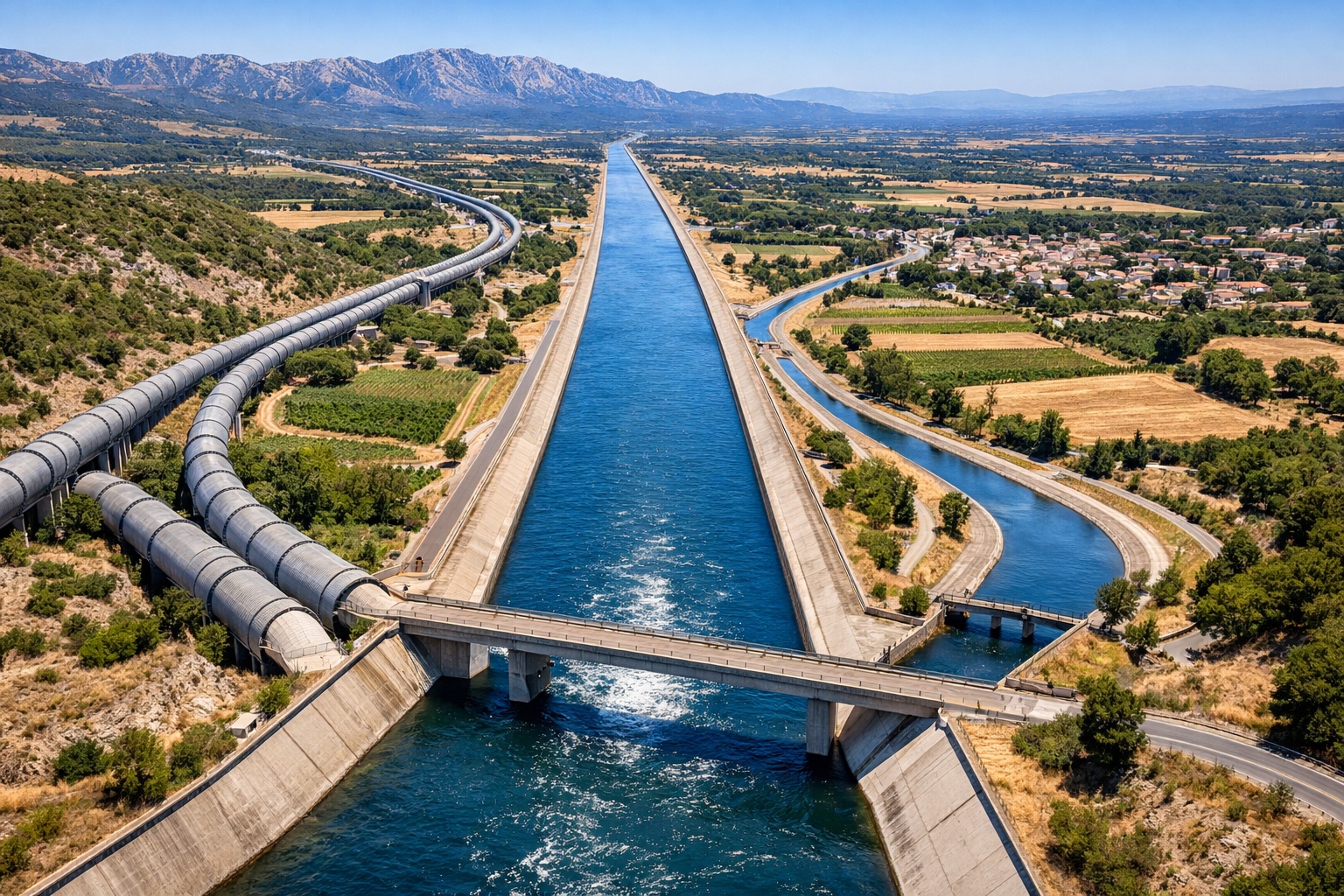
The Canal of Provence Supplies 3 Million People With Over 500 Km of Automated Canals and Pipelines, Operating Water Through Sensors and Remote Control.
According to technical documents from the Société du Canal de Provence (SCP), reports from the French government, and water management studies published since the 1960s, the Canal of Provence was born as a direct response to a historical problem in southern France: a densely populated region, economically active and regularly affected by droughts, dependent on a highly irregular river, the Durance. The adopted solution was not to build a single monumental canal, but to create a distributed infrastructure, capable of capturing, transporting, regulating, and delivering water with near-industrial precision.
Unlike classical aqueducts, the Canal of Provence was not conceived as an isolated work, but as a continuous technical system, planned from the outset to operate with fine control of flow, pressure, and demand. Over decades, it has transformed into one of the most sophisticated water networks in Europe, supporting cities, industries, and agriculture in one of the country’s most challenging climates.
A Water Network of Over 500 Km Operating as a Single System
The Canal of Provence totals over 500 kilometers in length, considering open canals, hydraulic tunnels, siphons, pressurized pipelines, and secondary branches. This network extends from the capture points on the Durance river to densely populated urban areas such as Marseille, Aix-en-Provence, and Toulon, as well as industrial and agricultural zones scattered throughout the region.
-
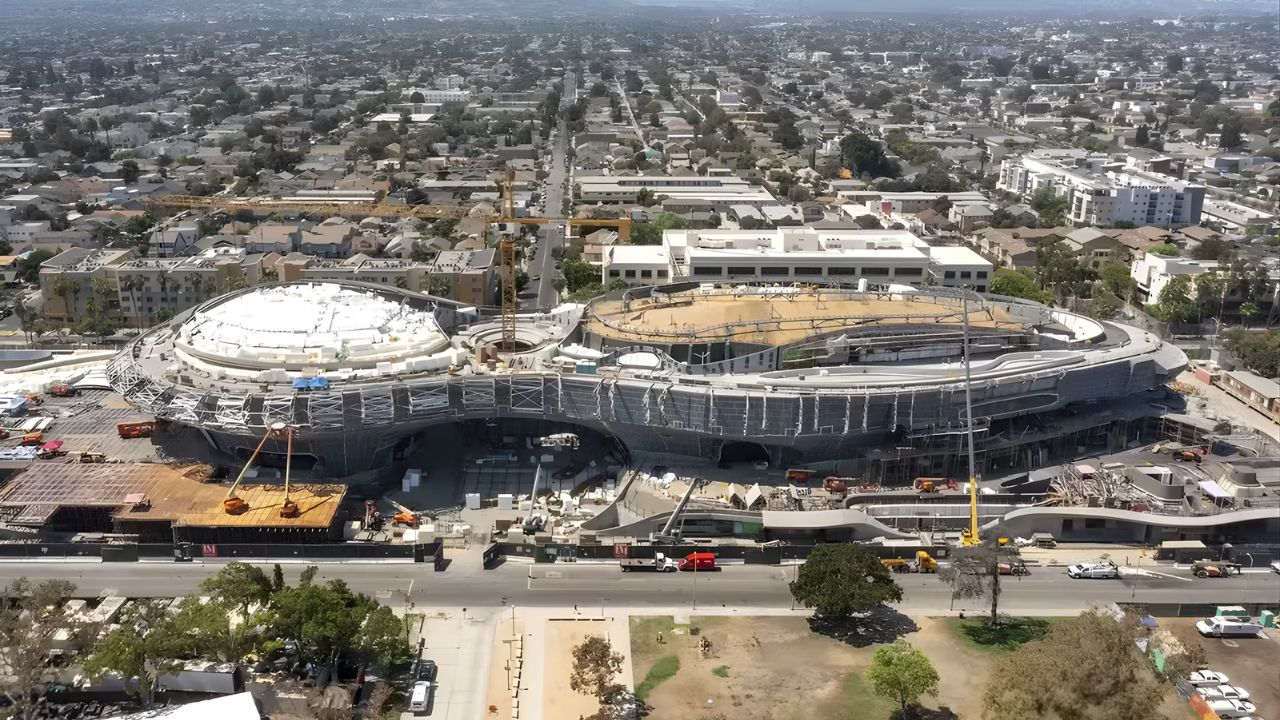
Created by George Lucas with over $1 billion, a futuristic museum in the shape of a spaceship with 1,500 curved panels is about to open in Los Angeles and will house one of the largest private collections of narrative art in the world.
-
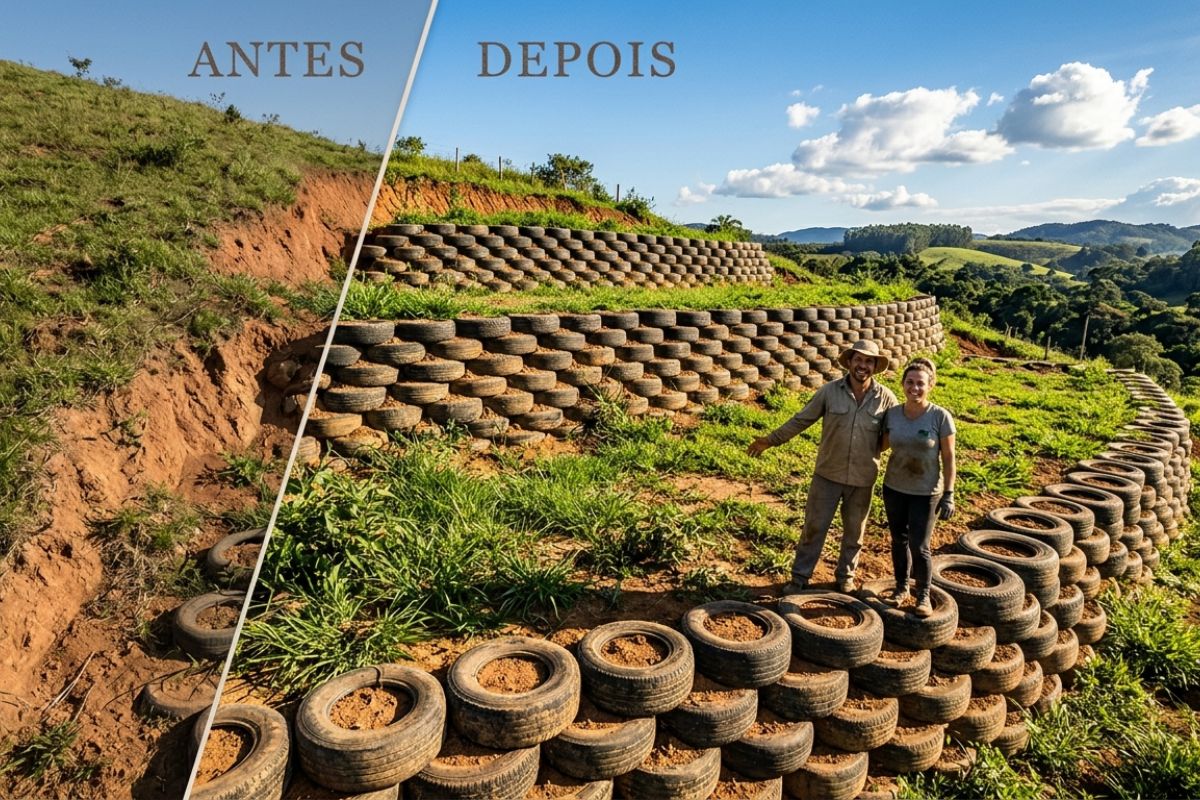
Couple shows how they built a retaining wall on their property using 400 old tires: sloped land turned into plateaus, tires are aligned, filled, and compacted with layers of soil, with grass helping in support and at almost zero cost.
-
Engineer explains drainage during the rainy season: the difference between surface water and deep water, ditches, gutters, and water outlets on the road, as well as drains and drainage mattresses, to prevent erosion, aquaplaning, and flooding at the construction site today.

-
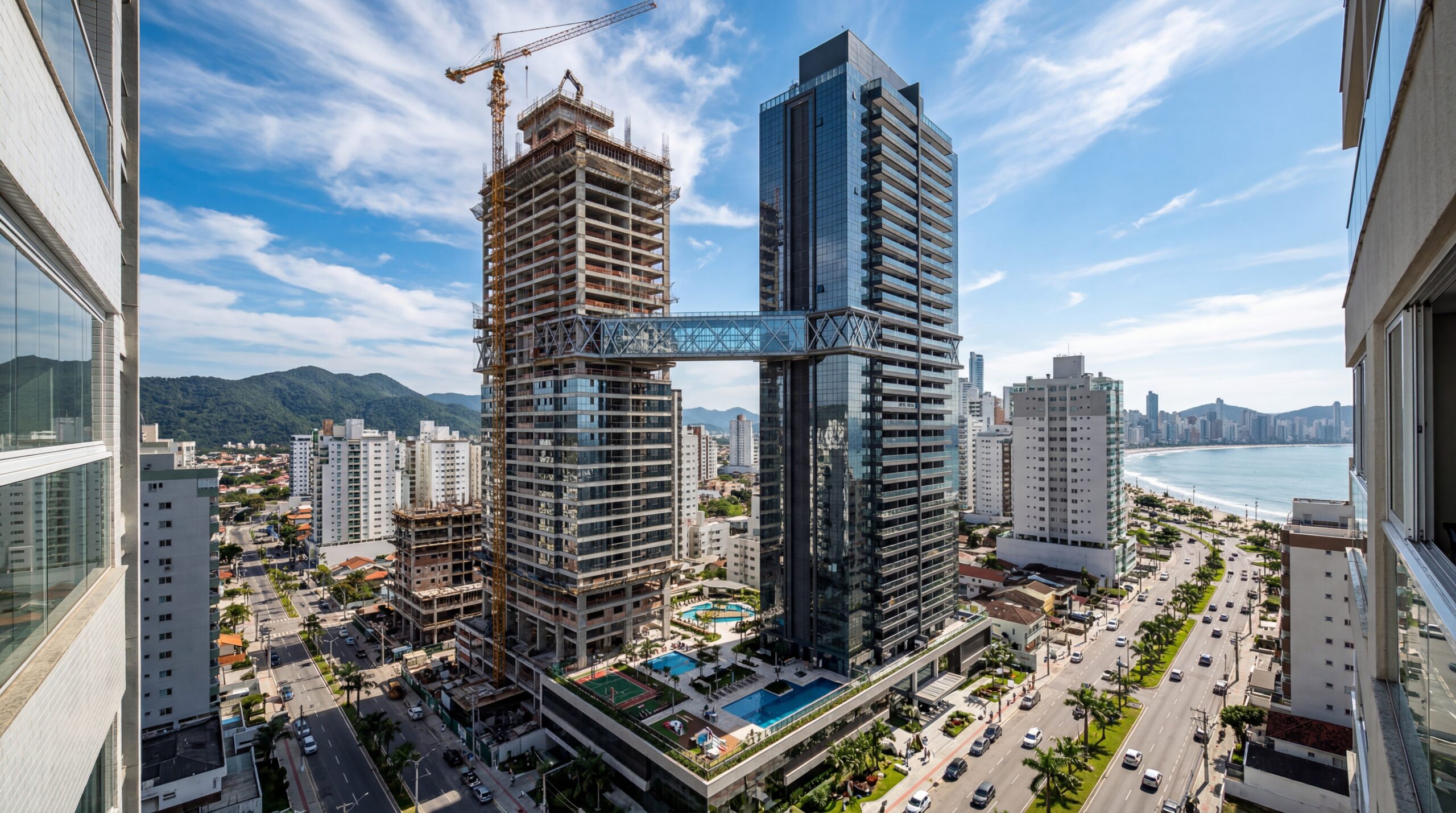
With 55 floors, 177 meters in height, a 15-meter walkway between the twin towers, ventilated facade, and 6,300 m² of leisure space, Ápice Towers already has one tower completed and another nearly at the top.



From an engineering standpoint, the most relevant aspect is not just the physical extension, but the interconnectivity.
Each segment of the system was designed to function in an integrated manner, allowing water to be redirected as needed, without relying on a single rigid axis. This gives the system a rare flexibility in large-scale water works.
Supplying Millions in One of the Driest Regions of France
The region served by the Canal of Provence has about 3 million inhabitants, as well as industrial, tourist, and agricultural hubs. Historically, southern France has faced recurring conflicts between urban consumption, agricultural irrigation, and environmental preservation, especially during prolonged drought periods.
By centralizing the capture and distribution of water from the Durance, the system has drastically reduced the water vulnerability of cities and stabilized supply even in years of severe drought. Water has ceased to rely solely on local reservoirs or seasonal rains and has come to be managed as a regional strategic infrastructure.
Sensors, Telemetry, and Remote Water Control
The aspect that makes the Canal of Provence a unique case is its level of automation. Since the early decades of operation, the network has been equipped with flow, pressure, and level measurement systems, which have evolved into a modern structure of telemetry and remote control.
Today, operators can monitor and adjust the system in near real-time, redistributing water according to urban, agricultural, or industrial demand. Instead of simply letting the water flow, the canal operates as a regulated network, where every cubic meter is accounted for, directed, and controlled.
This logic reduces losses, prevents overloads, and allows for quick responses to failures or sudden consumption variations, something essential in a context of climate change and extreme events.
Invisible Engineering in Complex and Urbanized Terrain
Much of the Canal of Provence is invisible to those who live or travel through the region. To cross mountain ranges, deep valleys, and urbanized areas, engineers resorted to hydraulic tunnels, buried pipelines, and inverted siphons that allow for elevation changes without compromising the landscape.
This technical choice was not just aesthetic. Burying and pressurizing sections of the system reduces evaporation, protects water from external contamination, and increases operational safety. The result is an infrastructure that crosses densely populated regions without imposing visually, yet on which millions of people depend daily.
Regulating a Historically Unpredictable River
The Durance river has always been known for its extreme behavior, alternating between violent floods and long periods of reduced flow. The Canal of Provence did not replace the river, but has come to regulate part of its water, storing, releasing, and redistributing volumes in a controlled manner.
This control has reduced conflicts between competing water uses and helped mitigate risks associated with extreme hydrological events. Instead of reacting to the natural chaos of the river, the region has come to operate under a logic of technical predictability.
An Infrastructure That Aged with Intelligence
Unlike many hydraulic megaprojects of the 20th century, the Canal of Provence has aged well. Its modular and distributed design has allowed for successive technological upgrades, incorporating new sensors, digital systems, and management methods without the need for radical reconstruction.
Today, it is often cited as an example of modern data-driven water management, anticipating concepts that would only become common decades later, such as remote operation, network redundancy, and continuous resource optimization.
Water Treated as a System, Not as a Flow
In the end, the Canal of Provence represents a profound paradigm shift. Water is no longer seen merely as a natural flow channeled but treated as a technical system, with control, monitoring, and operational logic similar to that of electrical or telecommunications networks.
This silent transformation supports millions of people, keeps the regional economy functioning, and shows that, in an increasingly water-scarce world, invisible engineering can be as decisive as the most spectacular works.






-

-

-

-

-

58 pessoas reagiram a isso.