





 Portuguese
  English
  Spanish
  4 min of reading
  0 comments


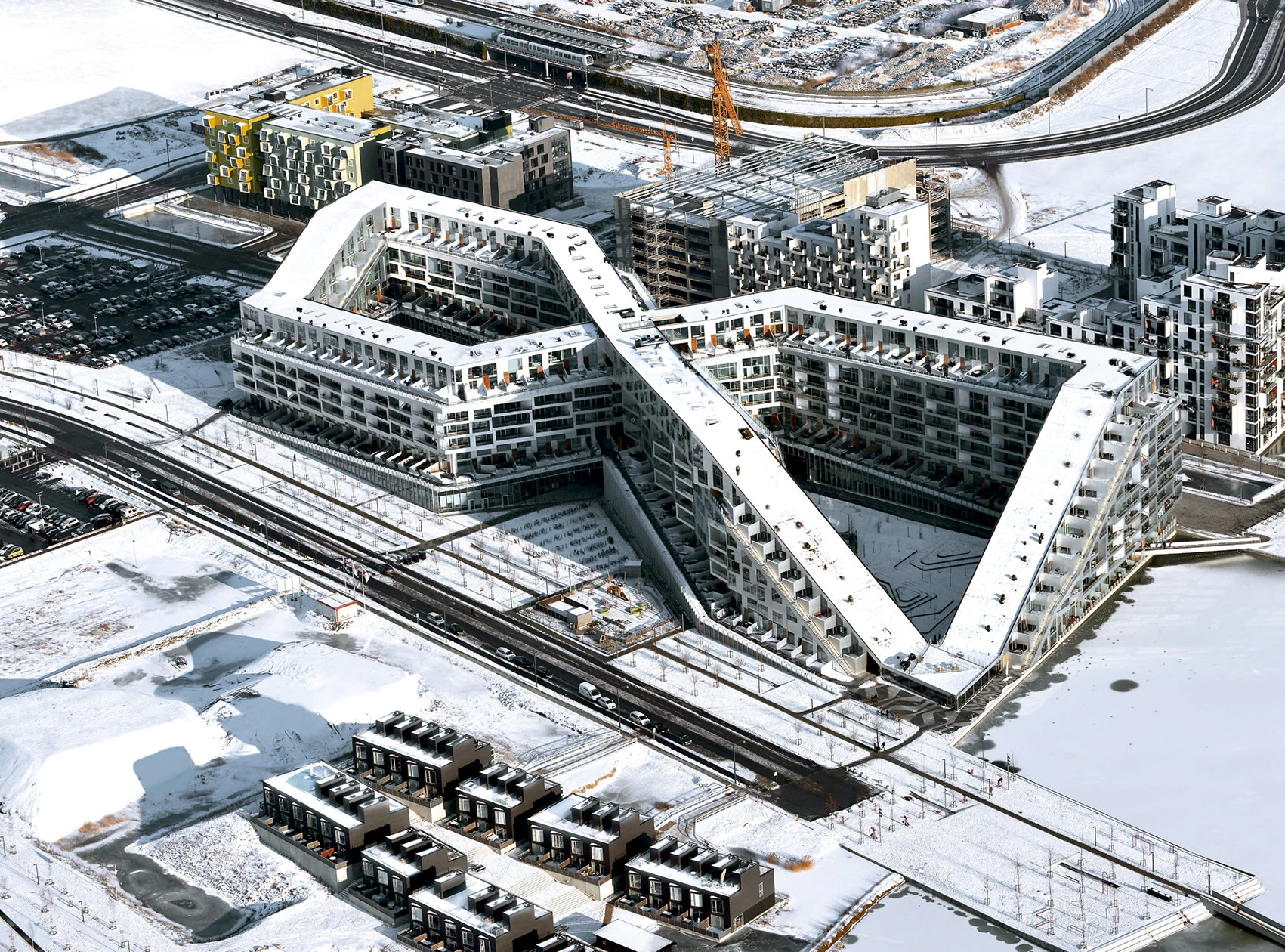
With 62,000 m², the 8 House concentrates 475 residences and 10,000 m² of commerce in a single block with a continuous ramp to the 10th floor, functioning as a compact neighborhood.
According to technical documents released by the BIG – Bjarke Ingels Group, urban reports from the city of Copenhagen, and institutional materials from the Ørestad district, the residential and commercial complex known as 8 House was completed in 2010 with a clear goal: to test how far engineering and structural design could condense the logic of an entire neighborhood within a single continuous building.
Unlike traditional vertical projects, the 8 House was conceived not as an isolated tower, but as a habitable urban volume, capable of reproducing streets, blocks, flows, and mixed uses in a single built mass.
With approximately 62,000 square meters of total area, the building houses 475 residential units distributed across different levels, supported by around 10,000 square meters of commercial and service areas on the ground floor. Practically, it represents a density comparable to that of small European residential neighborhoods, but concentrated in a single block, without resorting to the extreme verticality typical of skyscrapers.
-
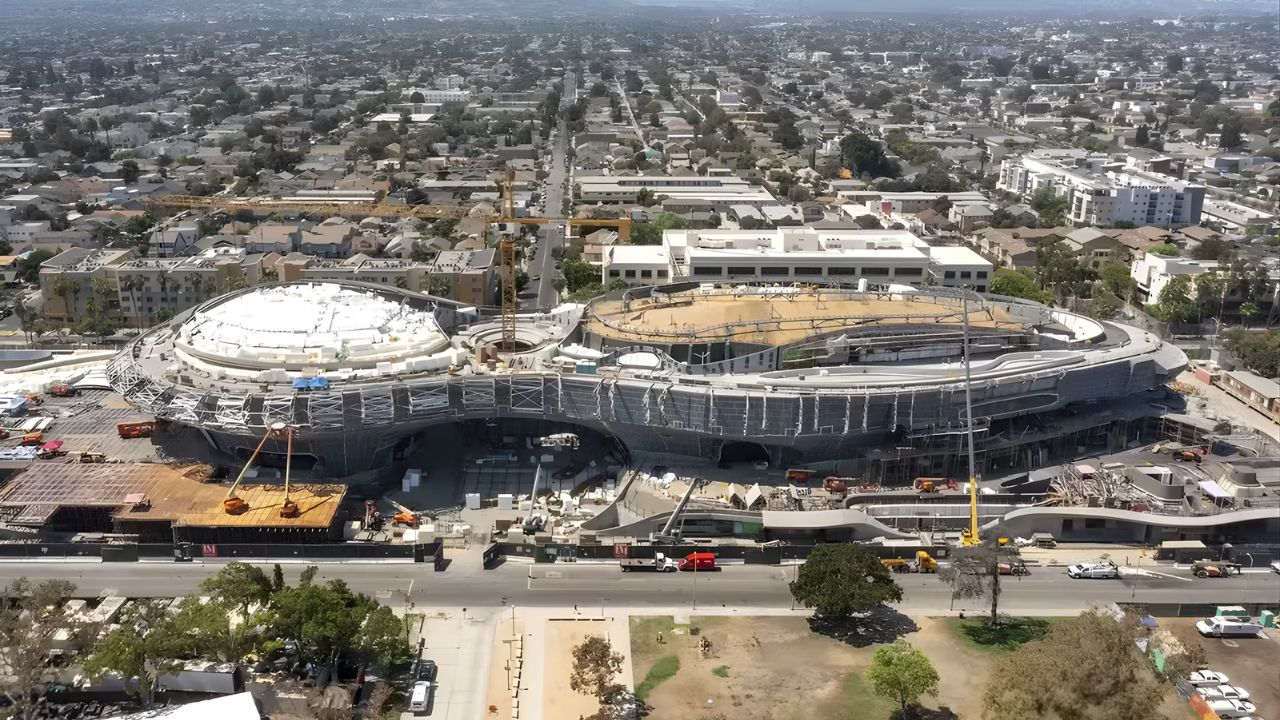
Created by George Lucas with over $1 billion, a futuristic museum in the shape of a spaceship with 1,500 curved panels is about to open in Los Angeles and will house one of the largest private collections of narrative art in the world.
-
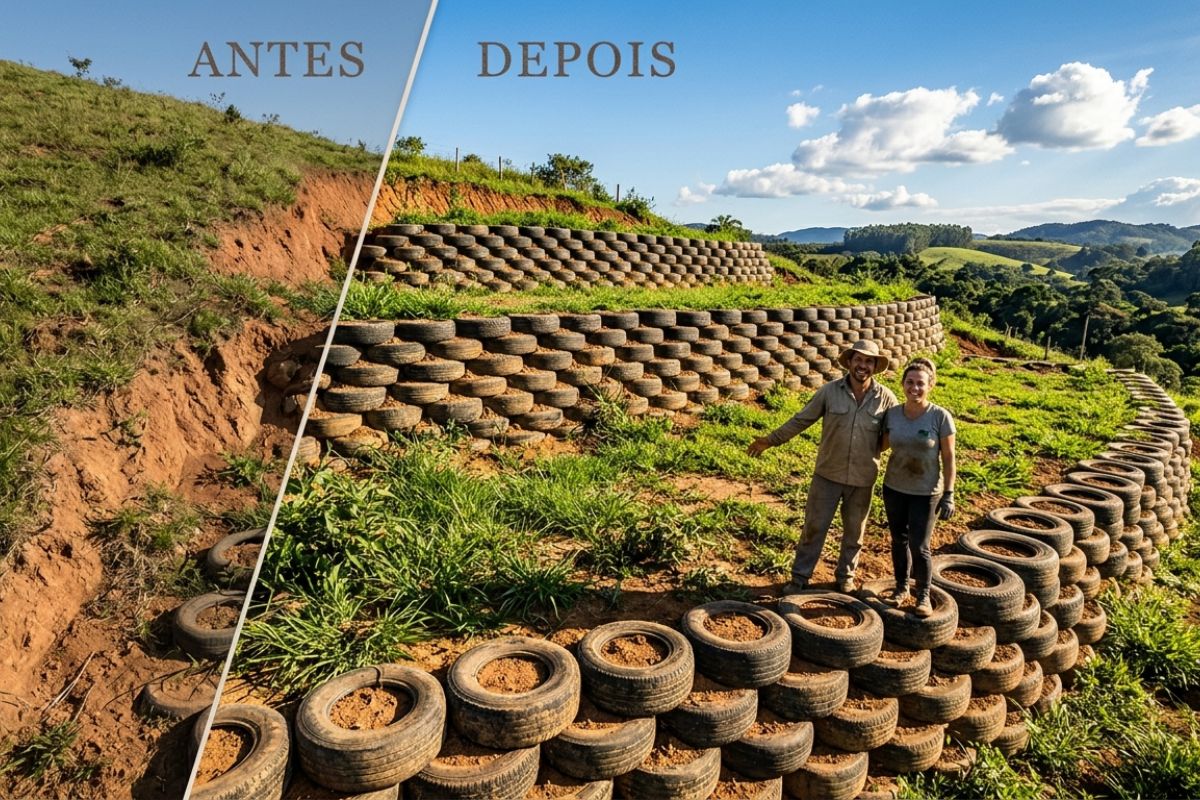
Couple shows how they built a retaining wall on their property using 400 old tires: sloped land turned into plateaus, tires are aligned, filled, and compacted with layers of soil, with grass helping in support and at almost zero cost.
-
Engineer explains drainage during the rainy season: the difference between surface water and deep water, ditches, gutters, and water outlets on the road, as well as drains and drainage mattresses, to prevent erosion, aquaplaning, and flooding at the construction site today.

-
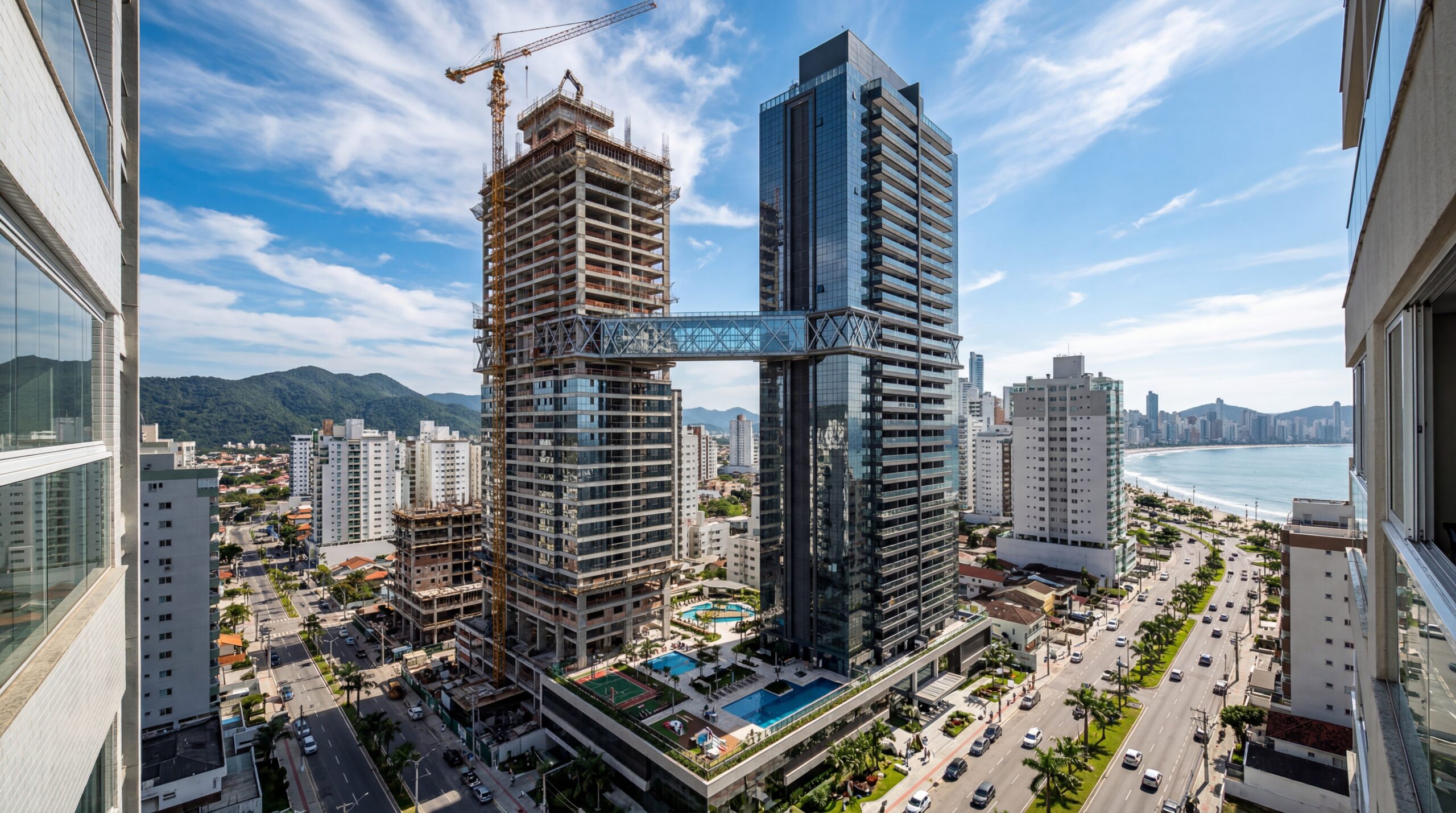
With 55 floors, 177 meters in height, a 15-meter walkway between the twin towers, ventilated facade, and 6,300 m² of leisure space, Ápice Towers already has one tower completed and another nearly at the top.

The Urban Compression of 62,000 m² in a Single Habitable Volume
The defining feature of the 8 House is its total built area. The 62,000 square meters are not organized in repetitive floors, but in a continuous sequence of sloped slabs that rise progressively throughout the building.
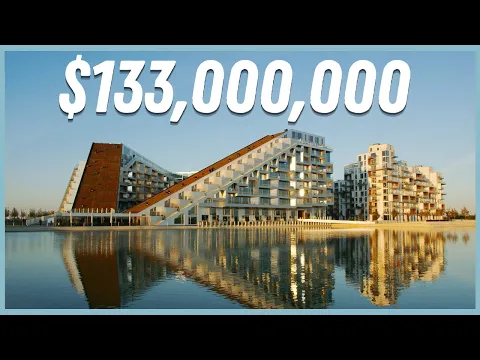

This strategy allows residential, commercial, and circulation functions to coexist in an integrated manner, reducing the need for complex vertical systems and bringing the building closer to the spatial logic of a horizontal city.
The 475 residences are not stacked conventionally. They are distributed along this sloped geometry, creating different residential typologies, variations in height, and multiple relationships with the external space.
From a structural perspective, this required the slabs to function not just as elements separating floors but as active components in load redistribution.
The Continuous Ramp that Transforms Slabs into Habitable Streets
The most unique element of the 8 House is the continuous ramp that runs throughout the building, connecting the ground level to the tenth floor without the need for stairs or elevators. This ramp, wide enough for pedestrian traffic, bicycles, and small service vehicles, functions as an elevated street that traverses the building from within.
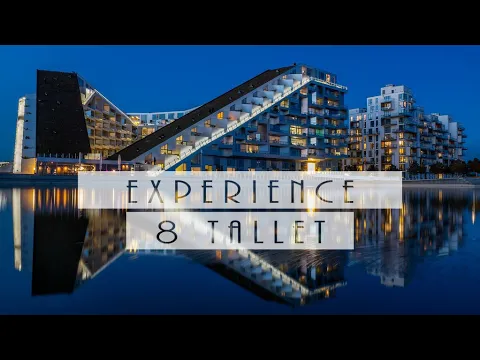
From a constructive perspective, this solution forced engineers to treat the sloped slabs as complex structural surfaces, subjected simultaneously to vertical loads, horizontal forces, and constant traffic.
The continuous slope requires rigorous control of deformations, efficient drainage, and precise detailing of structural connections to avoid excessive cracking or differential settlement along the path.
475 Residential Units Supported by a Commercial Base of 10,000 m²
At the base of the building, approximately 10,000 square meters are dedicated to commerce, offices, and services, creating a direct interface with the surrounding urban space.
This base functions as a structural platform capable of supporting the weight of the hundreds of residential units above, while maintaining large clear spans for commercial uses.
The direct overlap between such distinct functions demanded structural solutions that balanced rigidity and flexibility. Thicker slabs, strategically positioned rigid cores, and structural walls integrated into the architectural design allowed for load concentration and commercial area release without compromising the overall stability of the building.
Engineering Guided by Geometry, Not by Repetition of Floors
Unlike conventional residential buildings, which rely on the nearly identical repetition of floors, the 8 House adopts a variable geometry throughout its entirety. This choice directly impacts structural behavior, as each segment of the building responds differently to permanent and variable loads.
The engineering of the project had to deal with this variability by creating a structural system capable of accommodating gradual changes in slope, different slab typologies, and asymmetric forces.
The result is a structure that does not rely solely on pure verticality to remain stable, but on continuity and intelligent distribution of forces throughout the entire volume.
A Building that Functions as a Compact Neighborhood and Urban Infrastructure
In practice, the 8 House operates as a compressed neighborhood in a single building. Continuous circulation replaces streets, commercial areas take on the role of an active urban ground floor, and residences are distributed like stacked houses along an artificial slope. This logic reduces displacements, encourages mixed use, and creates a more direct relationship between housing, work, and services.
From an engineering perspective, the project demonstrates that large residential volumes do not necessarily need to grow in height to achieve high density.
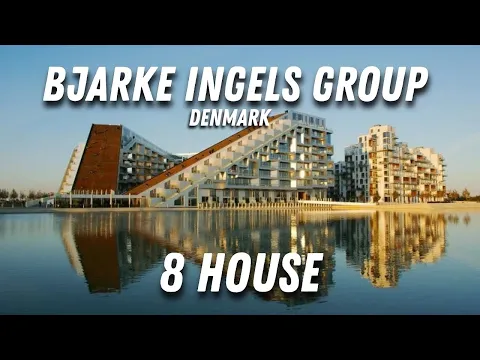
By exploring sloped geometry and structural continuity, the 8 House demonstrates how it is possible to concentrate hundreds of housing units and commercial areas in a single built mass while maintaining accessibility, circulation, and structural stability.
More than an architectural exercise, the building has become a real case study on how engineering, structure, and urbanism can merge to create new forms of urban densification without resorting to generic or repetitive solutions.







-

-

-

-

-

9 pessoas reagiram a isso.