





 Portuguese
  English
  Spanish
  3 min of reading


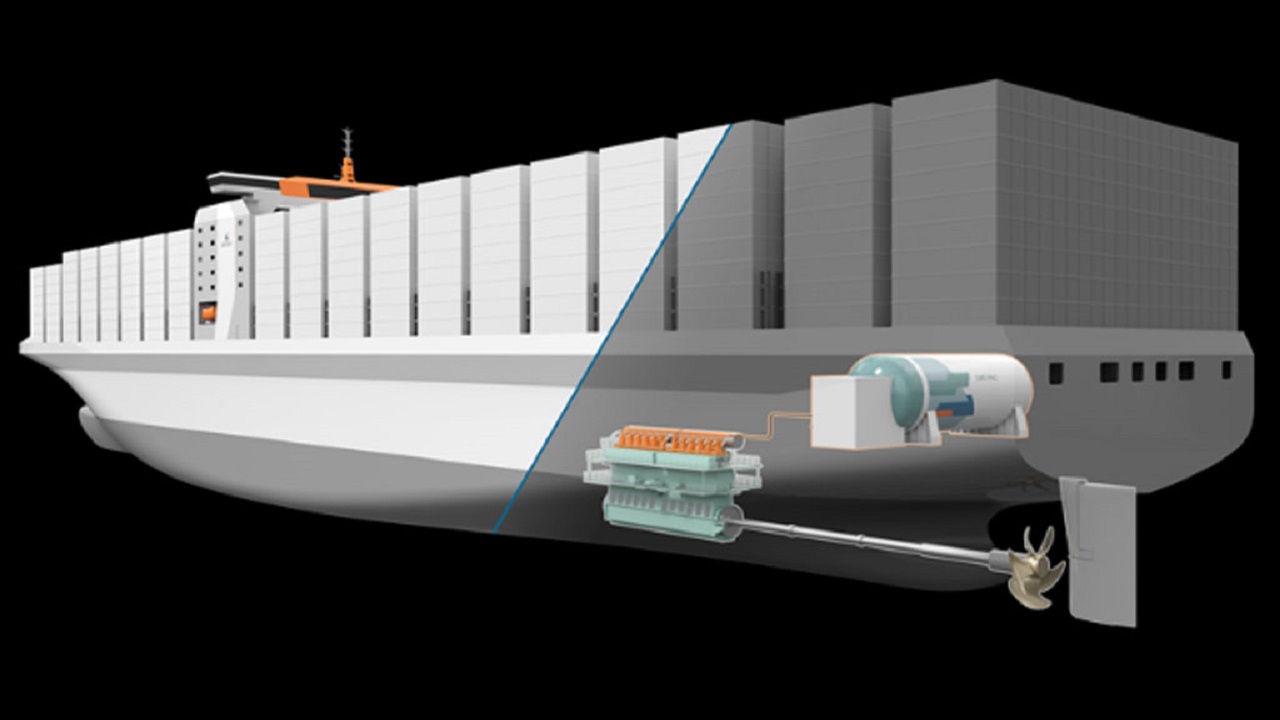
The Finnish Manufacturer of Cutting-Edge Technology Wärtsilä Will Launch Its Two-Stroke Future Fuels Conversion Platform for Sustainable Fuels During the First Quarter of 2022. The MSC Shipmanagement Played a Key Role in the Development of This Platform That Promises to Decarbonize the Maritime Industry.
The conversion platform will allow for the rapid and economical conversion of two-stroke main engines to operate on sustainably sourced renewable and clean fuels. The development program was recently completed with successful initial engine tests at Wärtsilä’s two-stroke engine laboratory in Trieste, Italy.
Read Also
Wärtsilä’s Conversion Platform Will Allow Maritime Industry Engines to Operate on LNG and Other Sustainable Fuels
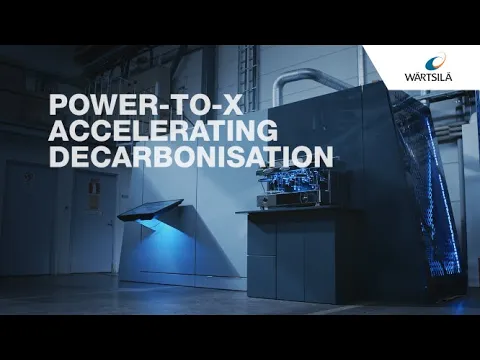

Wärtsilä officially announced that it will commercially launch its Two-Stroke Future Fuels Conversion Platform during the first quarter of 2022. This combustion engine technology platform will enable the conversion of two-stroke main engines to operate on gaseous fuels such as LNG within the maritime industry.
The launch of the system is an important step in the maritime industry’s efforts to achieve decarbonized shipping operations – according to Wärtsilä – while the easy retrofit will prevent owners from facing long periods of chartering without leasing. The retrofit conversion will initially allow operation with the currently available LNG fuel, with “insignificant” methane slip from the engine.
-
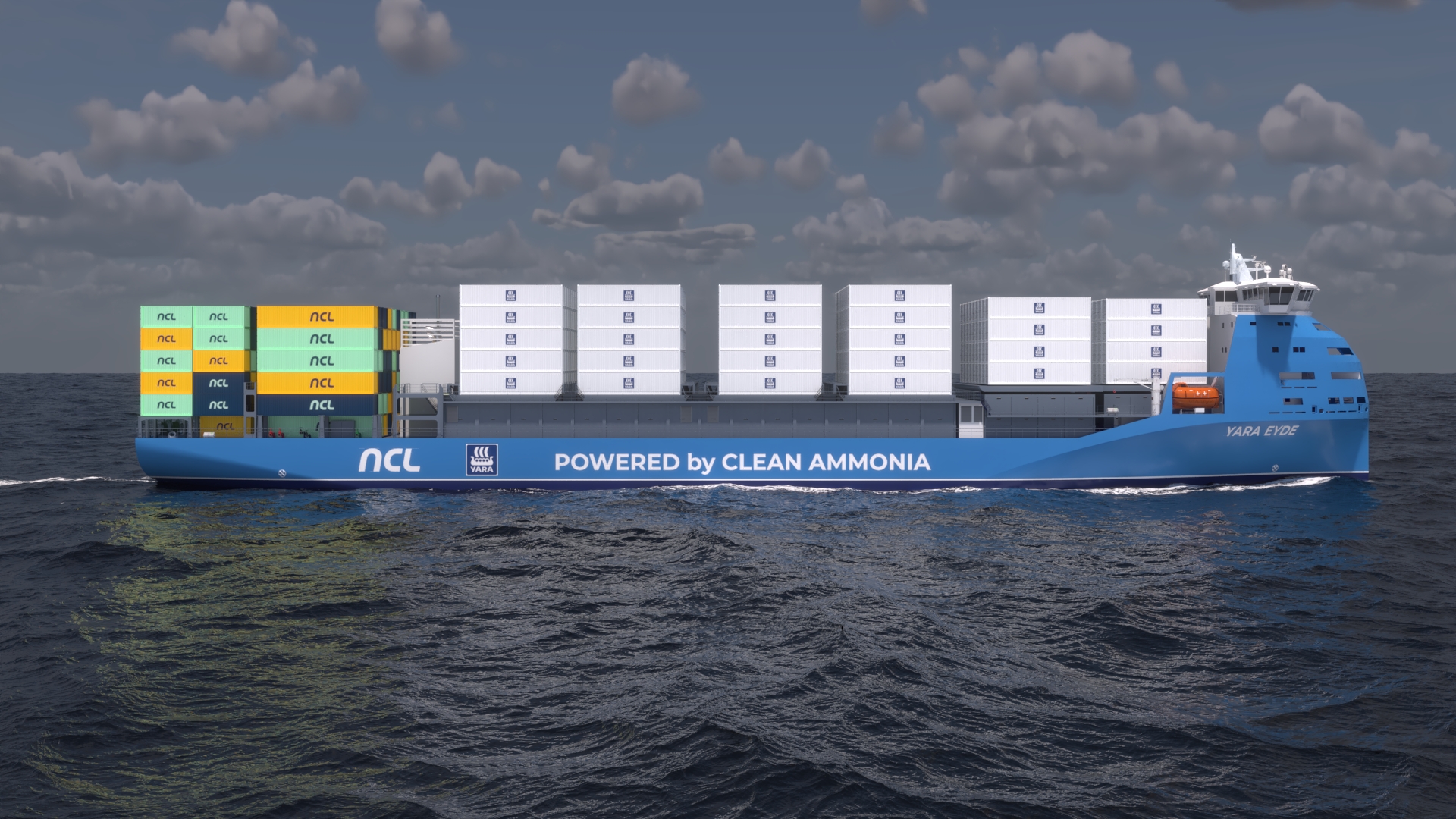
The world’s first container ship powered by renewable ammonia promises to avoid around 11,000 tons of CO₂ per year. The vessel, scheduled to operate in 2026, will connect Norway, Germany, and the Netherlands on one of the shortest and most strategic routes in Europe.
-
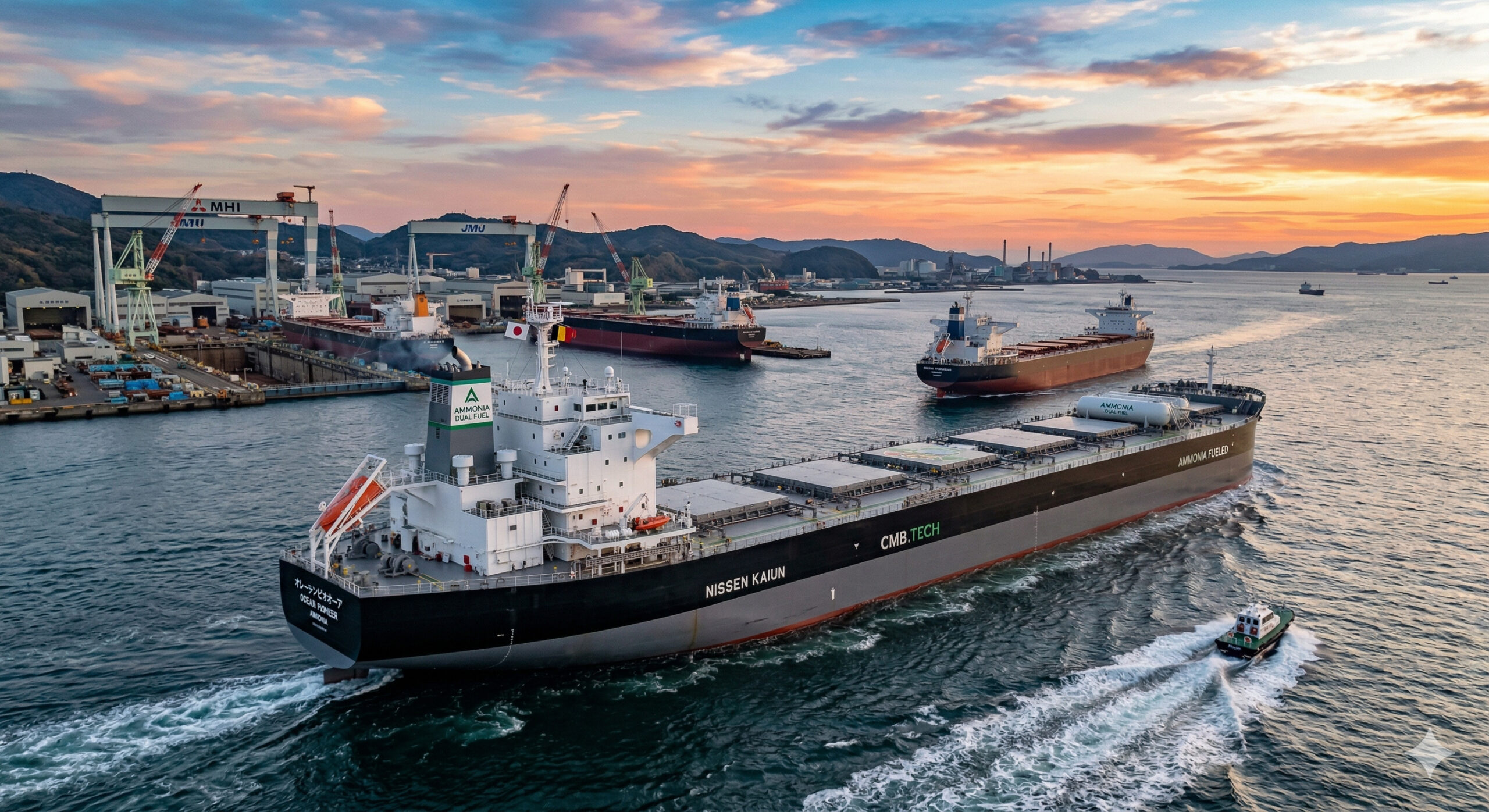
Nine giant ships of up to 210,000 gross tons equipped with dual fuel ammonia engines are being launched by Japan and Belgium. The project includes the world’s first Capesize vessels using this fuel, with contracts of up to 12 years, marking the beginning of a carbon-free ocean fleet starting in 2026.
-
Lack of workers and an aging population: Japan bets on AI robots in factories, logistics, and infrastructure to keep the economy and essential services active.

-
Natville puts R$ 700 million on the table for new factories in the Northeast, generating jobs and boosting the local economy.
The modular design of this concept provides a platform that will be developed to allow the adoption of ‘green’ alternative fuels or fuel blends when they become commercially available, Wärtsilä said.
Wärtsilä’s Conversion Package
The conversion package is intended for vessels operating with electronically controlled two-stroke engines with larger and smaller bore sizes. A global feature of the concept is a cryogenic fuel supply system, which along with a new injection system provides flexible and optimized operational performance under all conditions, Wärtsilä said.
The concept can be complemented with Wärtsilä’s Gas Fuel Supply System to provide a ready-to-use complete solution. Wärtsilä did not provide technical details about the conversion technology and did not specify what would constitute an “insignificant” methane emission level. In a previous announcement about its future LNG engines, Wärtsilä stated it aimed for a CH 4 emission level of 1 g/kWh.
Proven Savings
Methane emissions from single-burn Otto cycle engines with a diesel engine can reach 10-40 g/kWh, depending on the air-fuel ratio and other factors.
WinGD used EGR (nicknamed Intelligent Exhaust Recycling Control, iCER) to reduce methane slip from its low-pressure X-DF dual-fuel engines.
Methane slip levels of around 1-1.2 g/kWh have been estimated for WinGD X-DF2.0 technology. Wärtsilä expects the first commercial conversion project to be completed by mid-2023.






Seja o primeiro a reagir!