





 Portuguese
  English
  Spanish
  4 min of reading
  0 comments


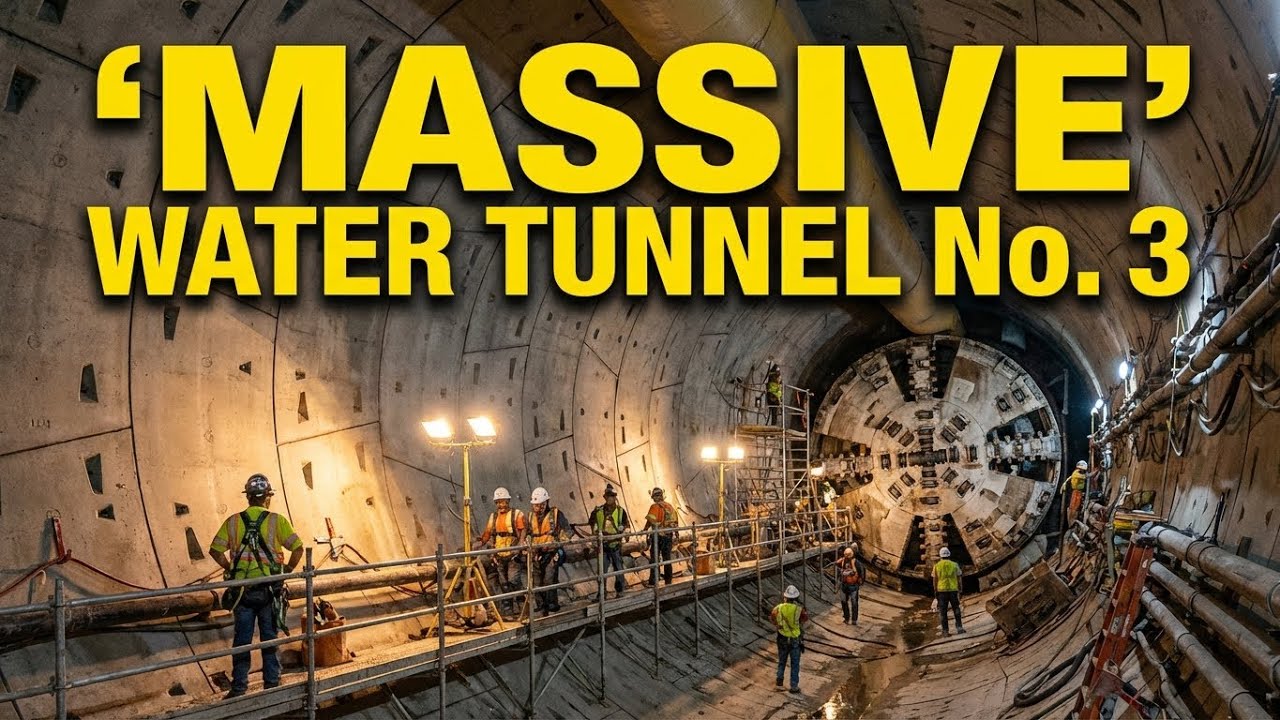
New York’s Underground Water Mega Project: The Water Tunnel No. 3 Took Over 50 Years to Complete and Transports Billions of Liters Per Day.
Few people realize that New York’s survival depends on a project that most residents have never seen. The metropolis, famous for its skyscrapers, subways, and bridges, is actually supported by a hidden system of water tunnels that traverse mountains and cross the urban underground. Within this monumental engineering, one project stands out for its scale, time, and strategic necessity: the Water Tunnel No. 3, considered the largest underground supply project in the city’s history.
Construction began in the 1970s, and over more than half a century, it has navigated economic crises, political changes, technological advancements, and urban transformations. The objective, however, has remained unchanged: to create a new water backbone capable of transporting 4.9 billion liters of water per day, serve as redundancy for older tunnels, and protect more than 8 million inhabitants against a potential system collapse.
The New York That Has Always Been Thirsty
New York was built at an unprecedented speed and density. Since the 19th century, the challenge has not just been bringing water from mountainous regions but ensuring that it arrives clean, continuous, and pressurized to the upper floors of increasingly tall buildings.
-
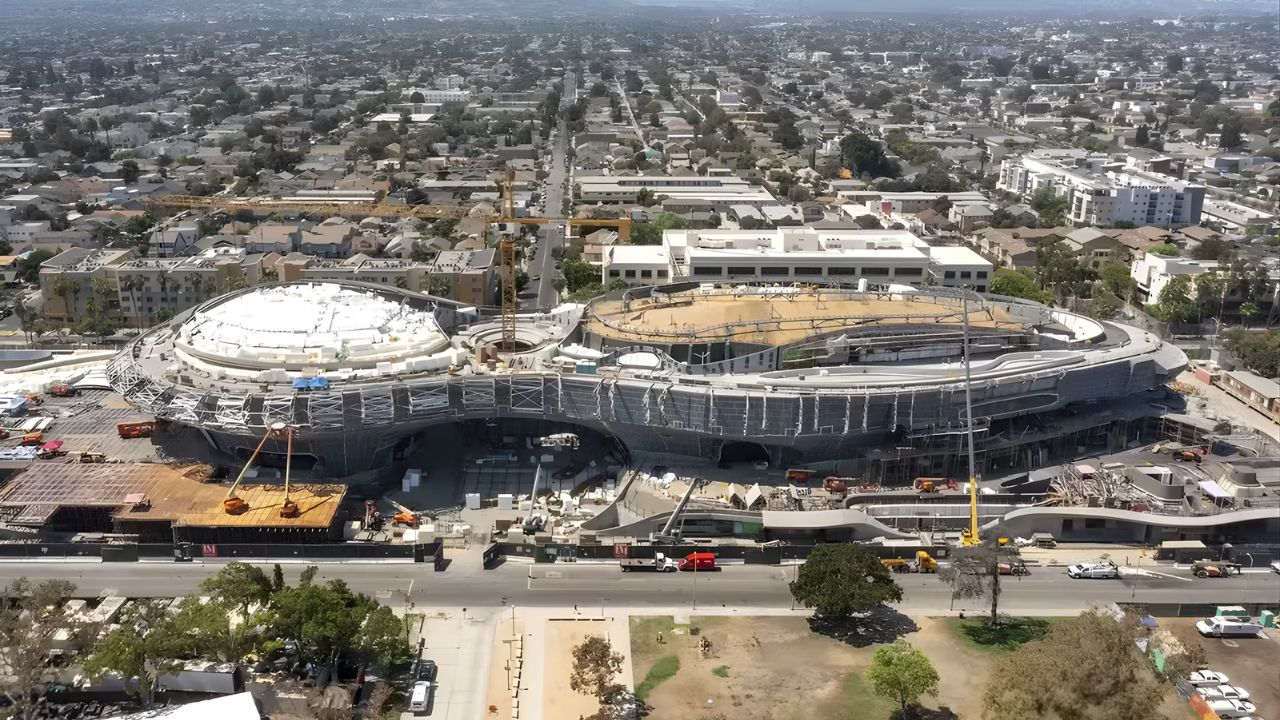
Created by George Lucas with over $1 billion, a futuristic museum in the shape of a spaceship with 1,500 curved panels is about to open in Los Angeles and will house one of the largest private collections of narrative art in the world.
-
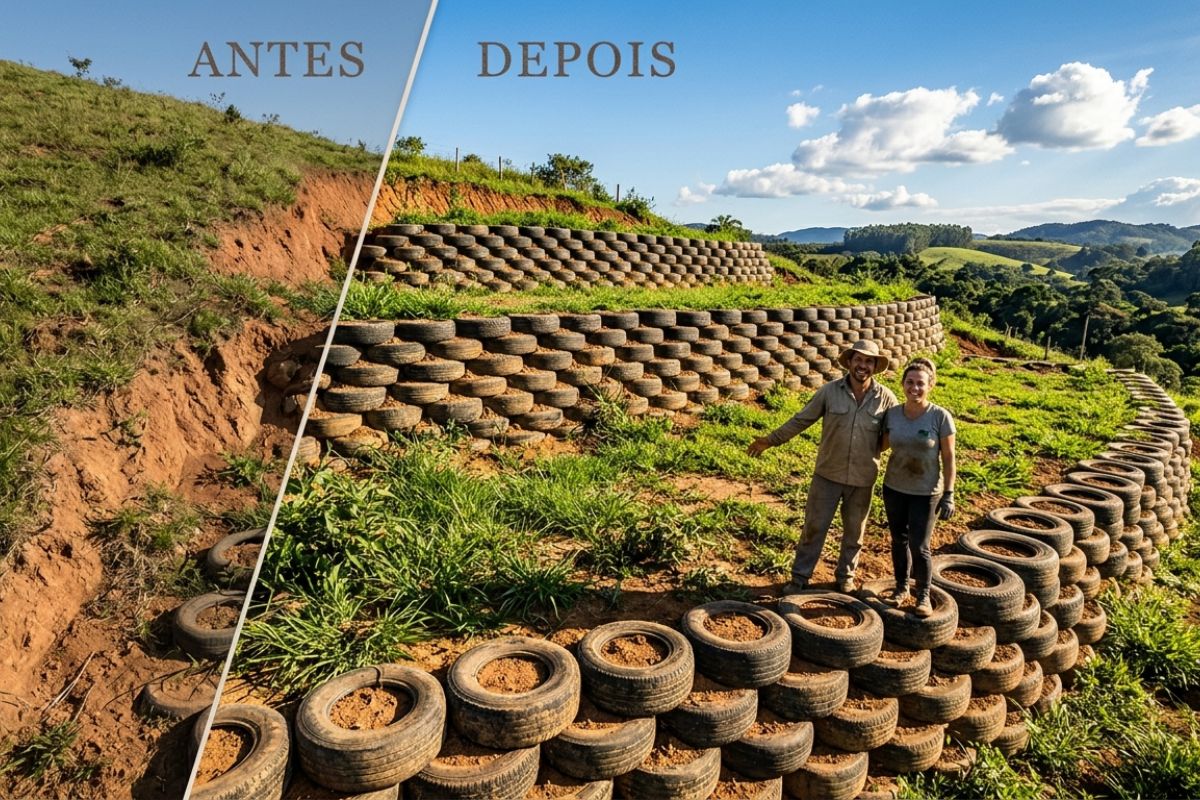
Couple shows how they built a retaining wall on their property using 400 old tires: sloped land turned into plateaus, tires are aligned, filled, and compacted with layers of soil, with grass helping in support and at almost zero cost.
-
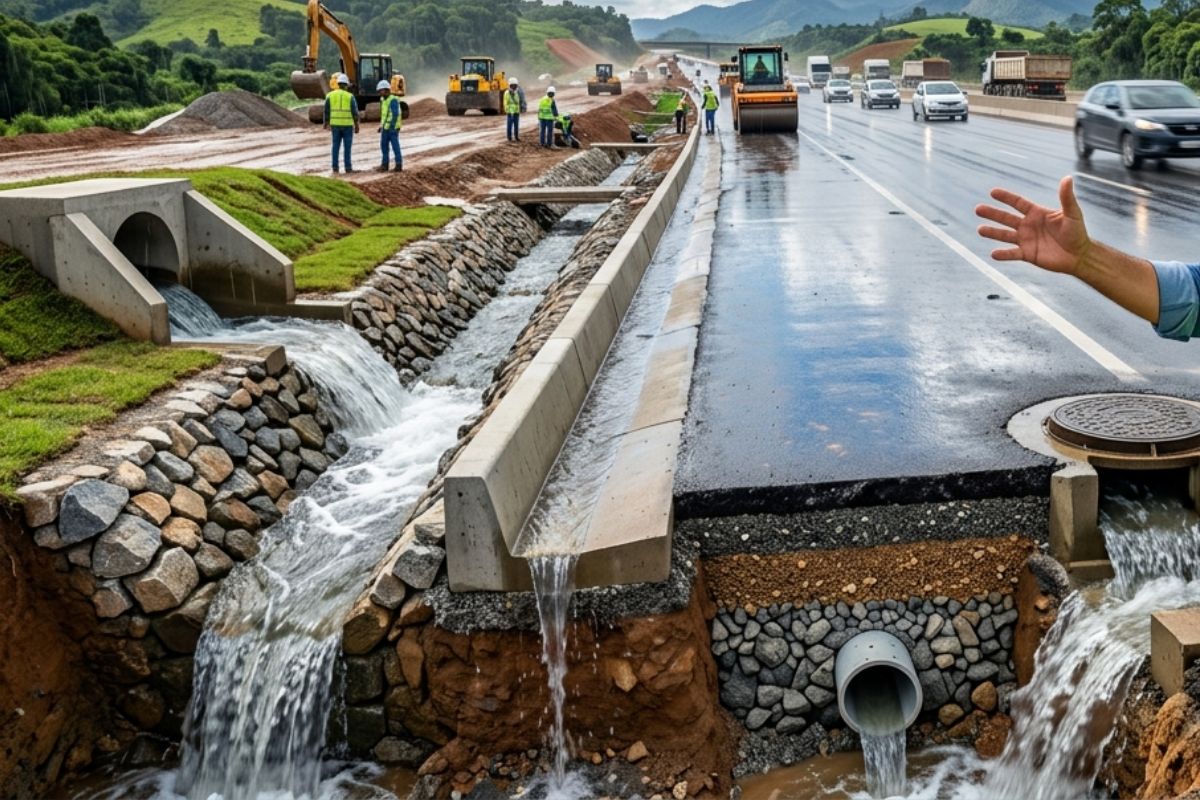
Engineer explains drainage during the rainy season: the difference between surface water and deep water, ditches, gutters, and water outlets on the road, as well as drains and drainage mattresses, to prevent erosion, aquaplaning, and flooding at the construction site today.
-
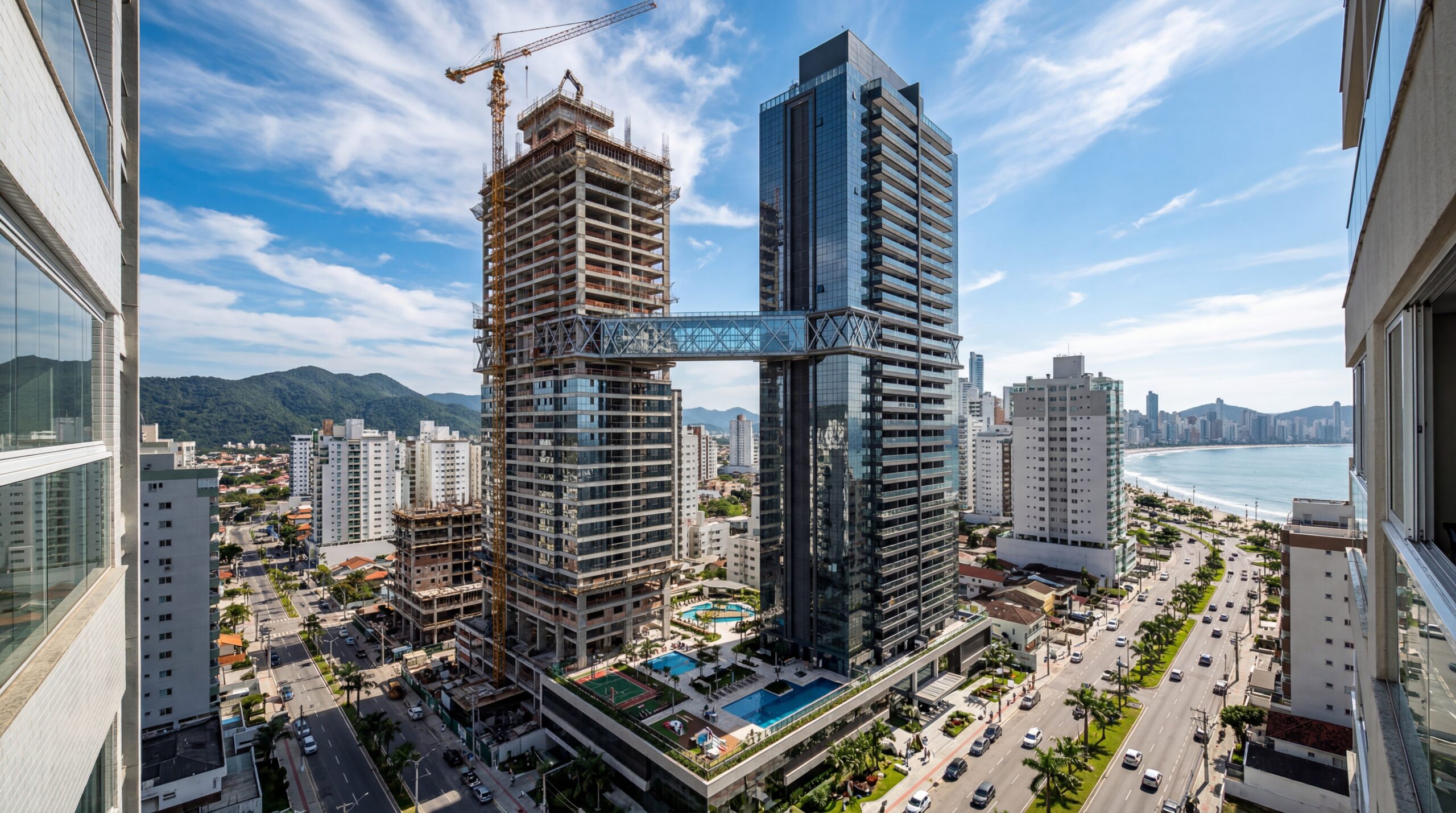
With 55 floors, 177 meters in height, a 15-meter walkway between the twin towers, ventilated facade, and 6,300 m² of leisure space, Ápice Towers already has one tower completed and another nearly at the top.

Over time, the city has established a monumental system that includes the Catskill and Delaware Reservoirs, dozens of miles of aqueducts, and two major underground tunnels: Water Tunnel No. 1 (1917) and Water Tunnel No. 2 (1936).


These tunnels have been transporting water for over 80 years and represent the foundation of urban supply. However, there was an evident problem: there was no alternative route. If any of them required deep maintenance, the city would face a real risk of water shortage.
The Water Tunnel No. 3 was born from this urgency: to create hydraulic redundancy and a new distribution axis at a metropolitan scale.
Deep Excavations Beneath Rock, Buildings, and Subways
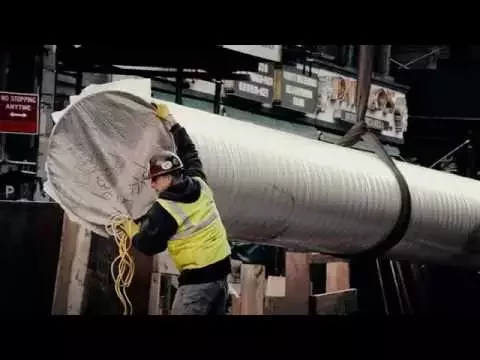
The construction of Water Tunnel No. 3 was divided into phases, reflecting both the technical complexity and the political and economic cycles of the city. In total, the tunnel has hundreds of kilometers of branches and sections, with depths ranging from 150 to 250 meters, traversing the rocky underground of the metropolis.
Unlike railway tunnels, the Water Tunnel No. 3 operates under pressure and continuous transport, requiring special linings, leak seals, and large valve chambers.
In densely populated areas such as Manhattan and Brooklyn, engineering acted like urban surgery: pinpoint drillings on the surface allowed access for vertical shafts, descending to the main tunnel. Around it, the underground was already filled with electric cables, subway galleries, gas pipelines, sewage, and telecommunications. Avoiding interference was as essential as excavating.
A Mega Project in Three Phases and Half a Century
The project was divided into three major phases:
• Phase 1 (1970–1990): construction of the segment connecting the Catskill and Delaware reservoirs to the Bronx and Queens.
• Phase 2 (1990–2013): implementation of deep branches beneath Manhattan and integration into Brooklyn. This section became operational in 2013, considered a historic milestone.
• Phase 3 (ongoing): completion of shafts, control chambers, and final adjustments to allow interventions in Tunnels No. 1 and No. 2 for the first time in a century.
In total, the project has now exceeded 50 years of execution, with total completion projected after 2030. This time does not reflect technical delay but the nature of the problem: a city that cannot turn off the tap.
Water Security as Strategic Infrastructure
The Water Tunnel No. 3 is not just a hydraulic project — it is a strategic shield. It allows New York, for the first time since the early 20th century, to have redundancy to depressurize and inspect the older tunnels. Without this, a structural defect could jeopardize an entire population.
Furthermore, the city faces scenarios of global warming, seasonal droughts, and extreme events, making resilient infrastructures even more vital. The UN has already classified urban water crises as one of the greatest risks of the 21st century.
Subterranean engineering also protects water from contamination and vandalism, a real risk in surface systems. The idea is simple and powerful: the more invisible and inaccessible, the safer the supply.
The Invisible Work That Sustains a Metropolis
While tourists photograph Times Square and Central Park, billions of liters of water silently flow through crystalline stones and deep aqueducts. There are no signs, no monuments, no showcases, but without this tunnel, New York would come to a standstill in a matter of days.
It is an emblematic example of how subterranean infrastructures are the uncelebrated heart of megacities.
California has its aqueducts, London has its railway tunnels, Tokyo has its mega-drains for flood control, and New York has a water system that rivals military projects in planning and secrecy.
In a world where climate change pressures reserves, populations grow, and cities become denser, there is a quiet warning:
how many metropolises will have the courage to invest in invisible works before water runs out on the surface? The Water Tunnel No. 3 is New York’s answer and perhaps a sign for the rest of the planet.









-

-

-

7 pessoas reagiram a isso.