Portuguese
  Spanish


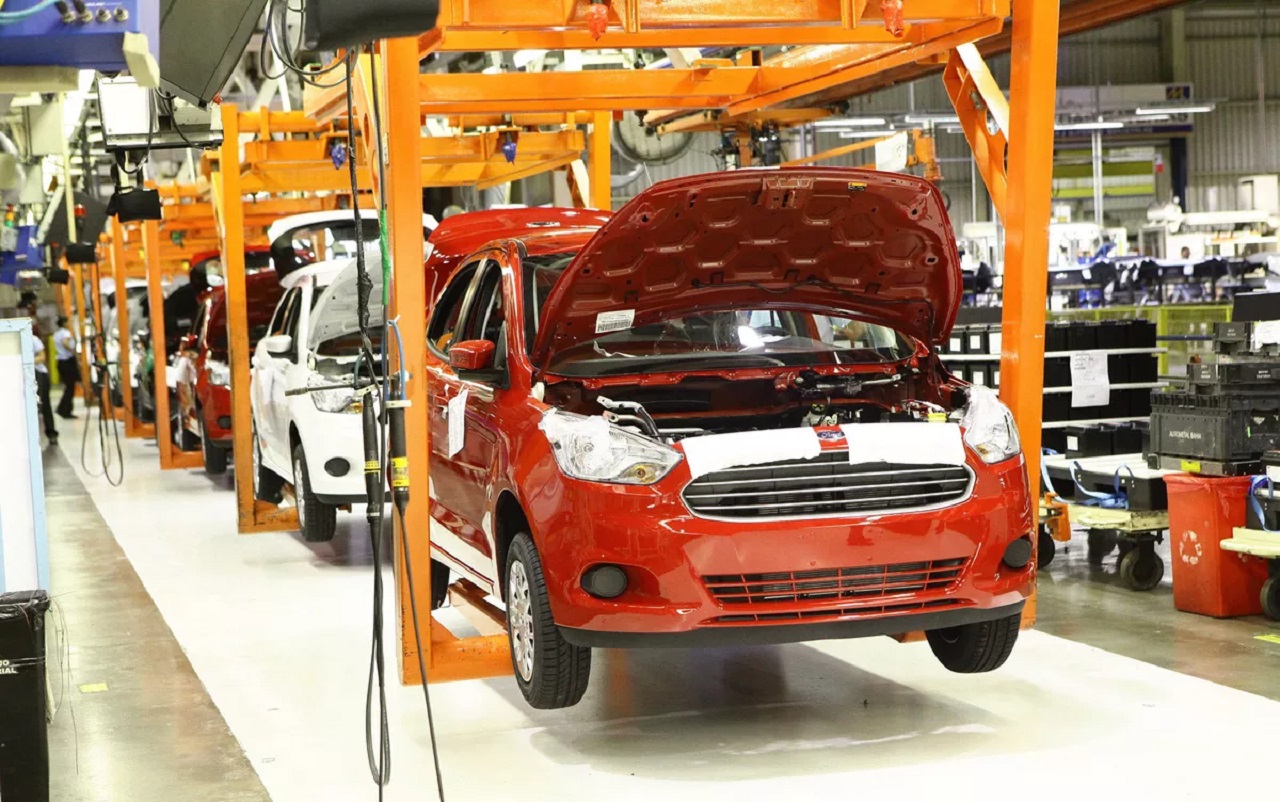

The Multinational Ford Is Completely Focused on Achieving a Good Position in the Electric Car Market and for This, the Manufacturer Will Lay Off Thousands of Employees and Declare the End of Dealerships, Changing Its Business Model to Online Sales.
Diverse automakers are focusing their investments on electric mobility and adapting their strategies. A major demonstration of this movement is the case of the multinational Ford, which is concentrating its efforts on this transition, and to achieve a top market position in electric cars, it may lay off thousands of employees.
Ford May Lay Off 8 Thousand Employees
The alleged layoff plans of the multinational to focus on electric cars were revealed by T.R. Reid, the company spokesperson, in a statement earlier this week.
To deliver its Ford+ transformation and lead this significant new era of electric and connected cars, the multinational remains focused on reshaping its work and modernizing its organization across all automobile business units throughout the company.
-
End of an era in Brazil: beloved sedan by Brazilians is discontinued despite having a 2.0 engine with 151 hp, CVT transmission, 466-liter trunk, and up to 650 km of range.

-
New Law Proposal in Brazil Could Heavily Penalize Drivers: Dangerous Overtaking May Become a Serious Offense with Fines Increased Tenfold and a 12-Month License Suspension; Update on 2026 Progress

-
Electric Revolution: Watts W125 Motorcycle Offers 160 km Range, 90 km/h Speed, and Affordable Price Starting at $3,000
-
General Motors Replaces Over a Thousand Workers with 50 Cobots at Electric Vehicle Plant, UAW Union Criticizes Move Amid Industry’s Automation Push


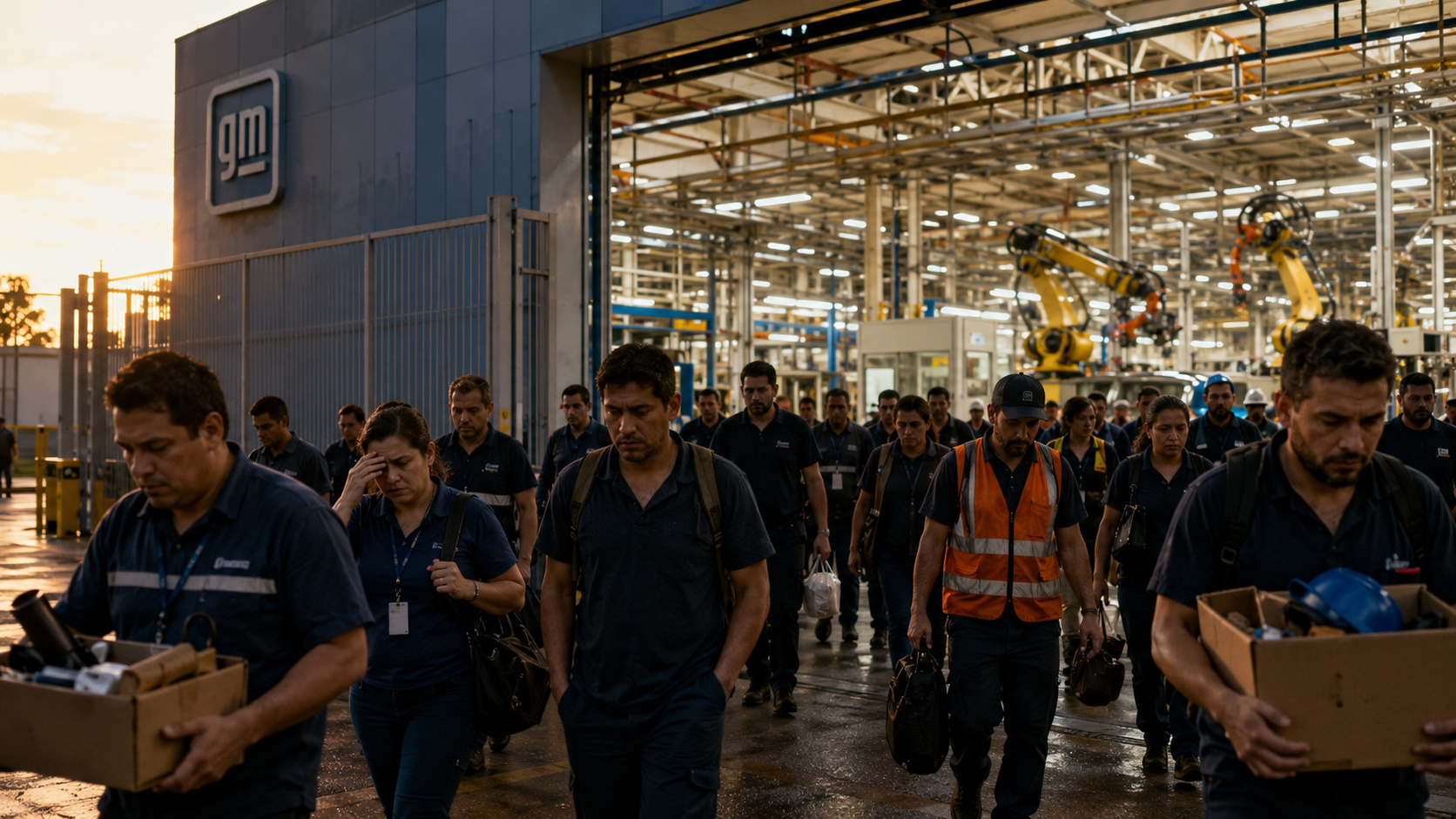
According to the source, Ford has set clear goals to mitigate costs, ensuring they are lean and fully competitive with the best in the electric vehicle industry. According to Bloomberg News, the American automaker is preparing to lay off up to 8 thousand employees in the coming weeks.
In February, CEO Jim Farley had already commented during a conference that the multinational Ford’s problem was structural, considering that there were too many people. The layoffs are expected in the salaried workforce of Ford, as well as in the Ford Blue division, developed in March and dedicated to managing the company’s internal combustion engine operations.
Multinational Wants to Produce 600 Thousand Electric Cars
The German agency Reuters reports that the details regarding the layoffs are not yet finalized and may change. Still, it is understood that it will be carried out in phases, with the first expected this summer.
Although the spokesperson of the multinational Ford has indicated that the company will not comment on speculation, it is known that a conference call has been scheduled to inform investors about the manufacturer’s plans to produce 600 thousand electric cars per year by 2023, and over 2 million by the end of 2026.
In June, the CEO of Ford announced that the next electric cars from the multinational will be sold only online, with a non-negotiable price, preventing dealer sales and consequent margins.
In the U.S., it is very common for dealers to charge their customers high margins over the prices set by manufacturers. Although it is not something they particularly like, there is nothing they can do to stop it.
End of Dealerships: Ford Will Sell Electric Cars Only Online
Due to this possibility related to dealerships, the CEO of the multinational announced that the next electric cars from the automaker will be sold exclusively online, and their price will not be negotiable.
According to Farley, moving to non-negotiable prices is necessary; it is essential to be fully online, there is no inventory, and the vehicle goes directly to the customer.
The collection and delivery will be entirely remote. The executive believes that all of their stores can do this, but the new standards will be harsh and very different from what exists today.
In addition to Ford, other automakers have already decided to change their sales to online, dealing directly with customers and sidelining physical stores, which has led to the layoff of thousands of employees. Examples of these changes include Mercedes-Benz, Volvo, Volkswagen, and others.