





 Portuguese
  English
  Spanish
  3 min of reading


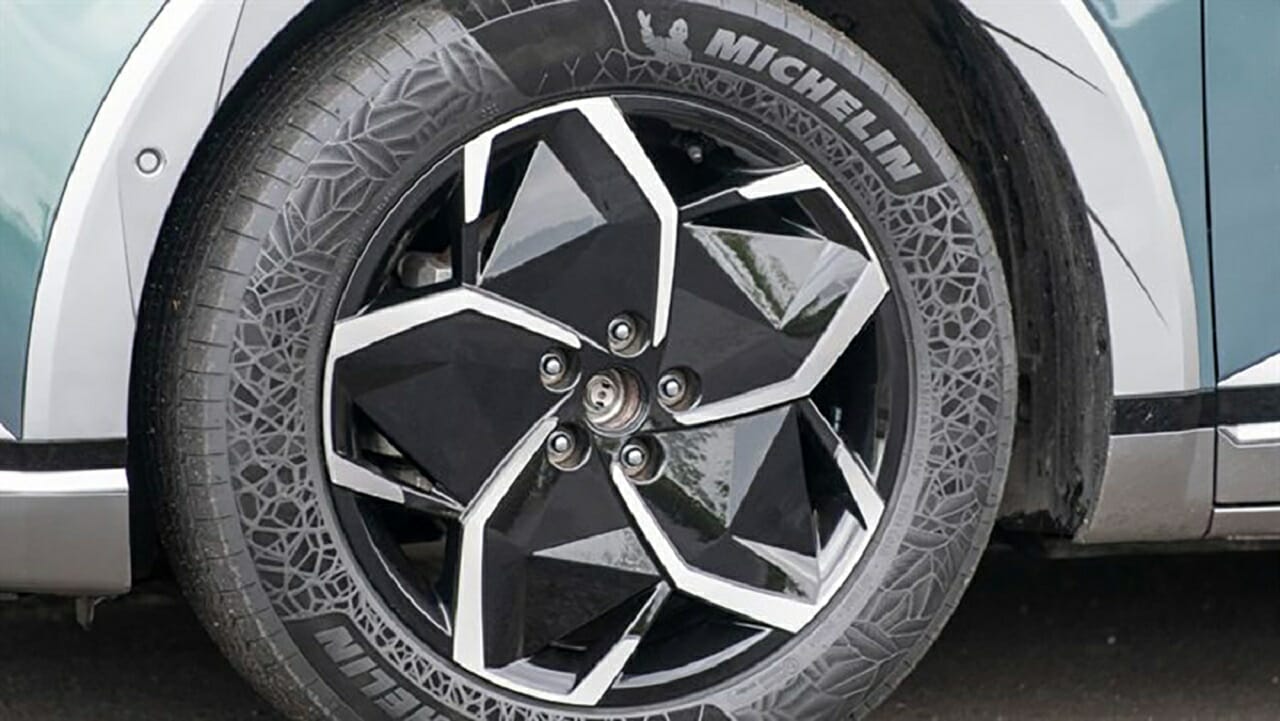
Michelin Has Plans to Reduce CO2 Emissions and Is Developing New Technologies for This Purpose. The Latest Innovation Is Tires Made from Beetroot and Rice.
The French tire manufacturer Michelin presented its new products in the heavy-duty sector in São Paulo last week. During the presentation, company executives highlighted that approximately 75% of the cargo transported in the country still travels through highways. This illustrates the market size and also indicates the challenge faced by tire manufacturers. With various companies focusing on sustainability, tires are often seen as a major threat to the environment.
Michelin Seeks to Reduce CO2 Emissions with Tires Made from Rice and Beetroot
In the last year, the total tire market in Brazil reached 78.8 million units, according to the National Association of Pneumatic Industry (Anip). The Brazilian industry was responsible for 56.5 million products. For this year, the entity expects 77.1 million new tires, with 57.5 million produced in Brazil.
According to Feliciano Almeida, president of Michelin South America, if Michelin has a product that is less resistant to rolling, the company will emit less. In the case of tires, the challenge is significant, as they need to continue supporting weight, making little noise, and braking. Michelin tires now have technological advancements in materials.
-
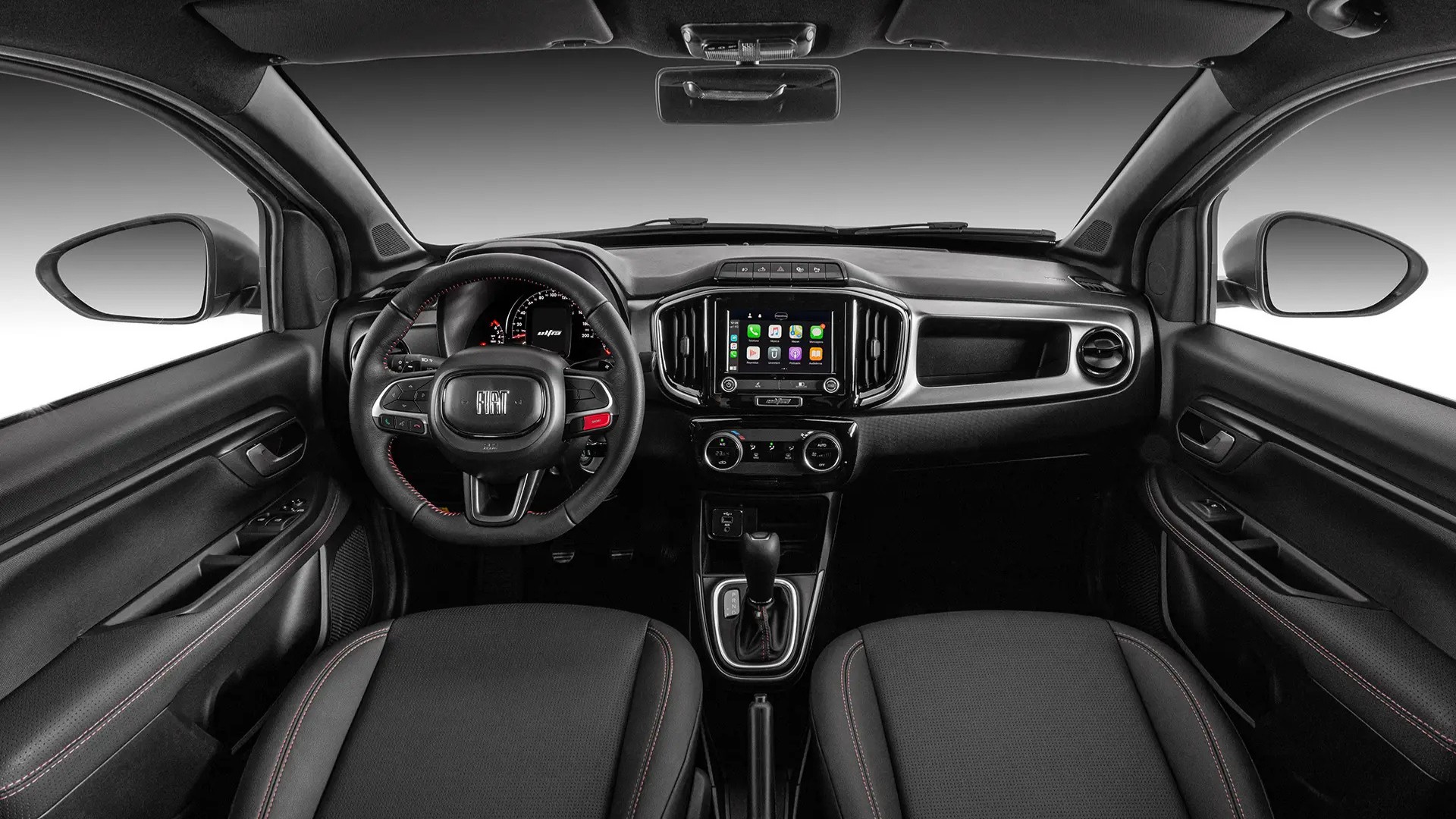
With a 1.3 engine, nearly 700 km of range, and Turbo 200, the Fiat model surpasses Polo, Tera HB20, and Onix, becoming the best-selling car in March; see the numbers for the Fiat Strada and others.
-
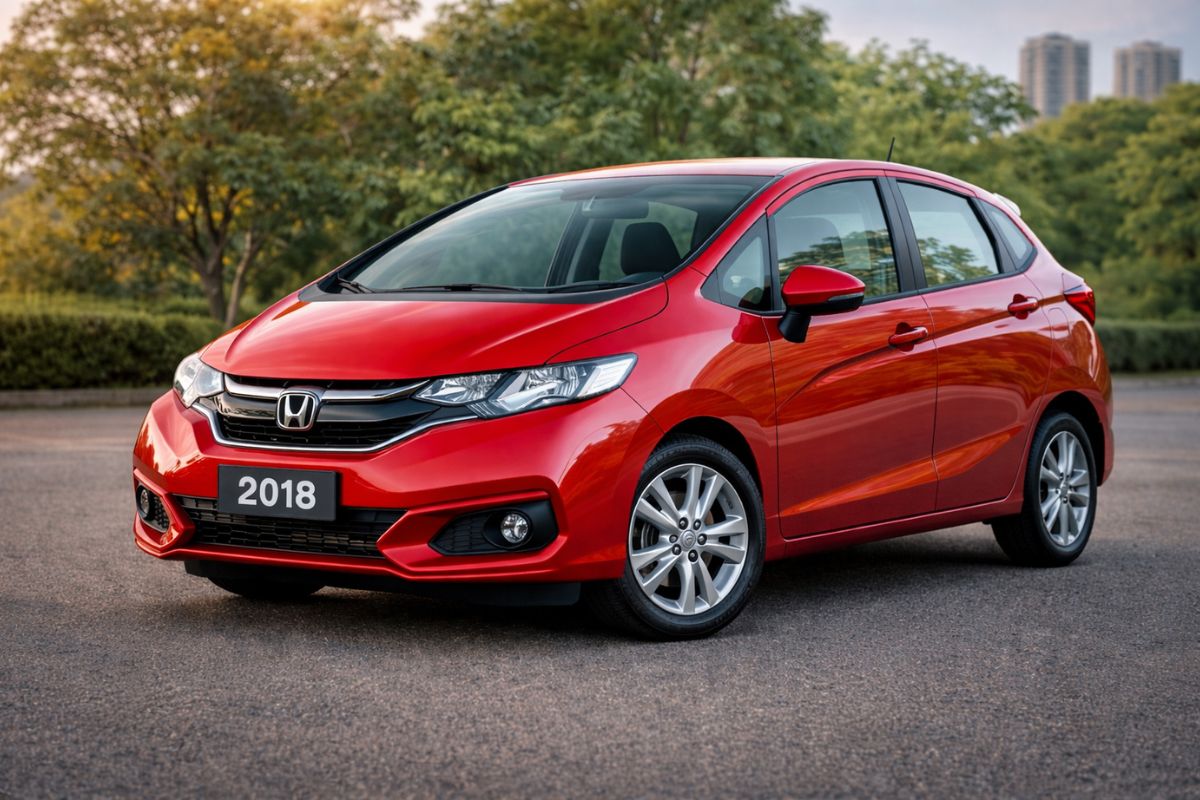
The Honda Fit has been discontinued for years, but the 2018 model is worth more today in the Fipe table than it cost brand new, proving that this used car, valued with a 1.5 i-VTEC engine and Magic Seat, only increases in price.
-
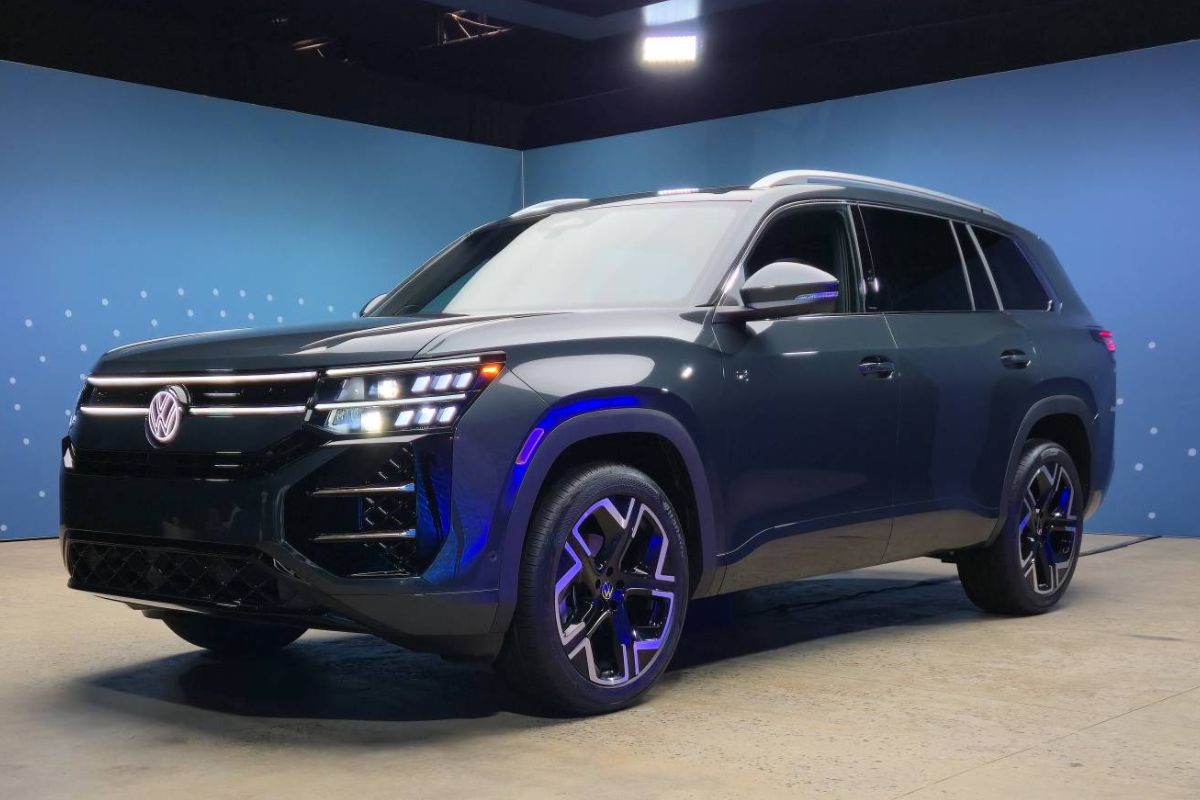
Volkswagen unveiled the 2027 Atlas with a 282-horsepower EA888 turbo engine, a 15-inch screen, massage seats, and a completely new interior to finally elevate the three-row SUV built on the MQB platform to a new level.
-
After decades out of the spotlight, Citroën is preparing to bring back the legendary 2CV as a low-cost electric vehicle, betting on the revival of one of the most popular cars in history and aiming to enter the race for affordable compact cars.



The company aims to reach 40% use of recyclable or sustainable raw materials by 2030 and 100% by 2050. Currently, this percentage ranges from 28% to 30%. Essentially, it is natural rubber that guarantees this index. Almeida explains that the goals for reducing CO2 emissions follow two different but parallel paths.
The first is the substitution of mineral-derived raw materials with renewable or fossil-derived ones. The executive highlights silica, extracted from rocks or sand, being replaced by the product obtained from rice husk, and the replacement of petrochemical butadiene with the product derived from beetroot.
New Technologies to Reduce CO2 Emissions Are Emerging
The second path Michelin is following to reduce CO2 emissions is recycling Michelin tires. Almeida explains that, through a pyrolysis process, it is possible to recover steel, carbon black, and lubricants from unusable products and reuse them in new tires.
The executive emphasizes that all of this will generate costs, as the company will work with more expensive materials. The company will need to gain productivity in the production line to absorb this cost that the customer may not necessarily be willing to pay.
Regarding the technologies available to reduce CO2 emissions or under study to achieve the targets, Almeida highlights that the world developed a vaccine in a few months when needed, referring to the fight against the COVID-19 pandemic. Technologies are emerging; many processes are still prototypes or on a small scale, but as they expand, they will become cheaper.
Michelin Prepares for Electrification
Michelin is preparing for the electrification of passenger fleets. The electric car is a heavier vehicle and imposes various demands on the tire. Being silent, the only noise the driver will hear is that of the tire rolling.
Range and torque are also different. All of this leads to a faster tire wear in electric vehicles than in combustion cars.
The executive of the company will need to change the factories and adapt materials. What is already known is that electric car owners prefer the original brand when replacing tires. Currently, the company manufactures tires in Brazil for almost all areas, from hand carts to mining, including forklifts, motorcycles, cars, bicycles, trucks, and agricultural vehicles.







Seja o primeiro a reagir!