





 Portuguese
  English
  Spanish
  5 min of reading
  6 comments


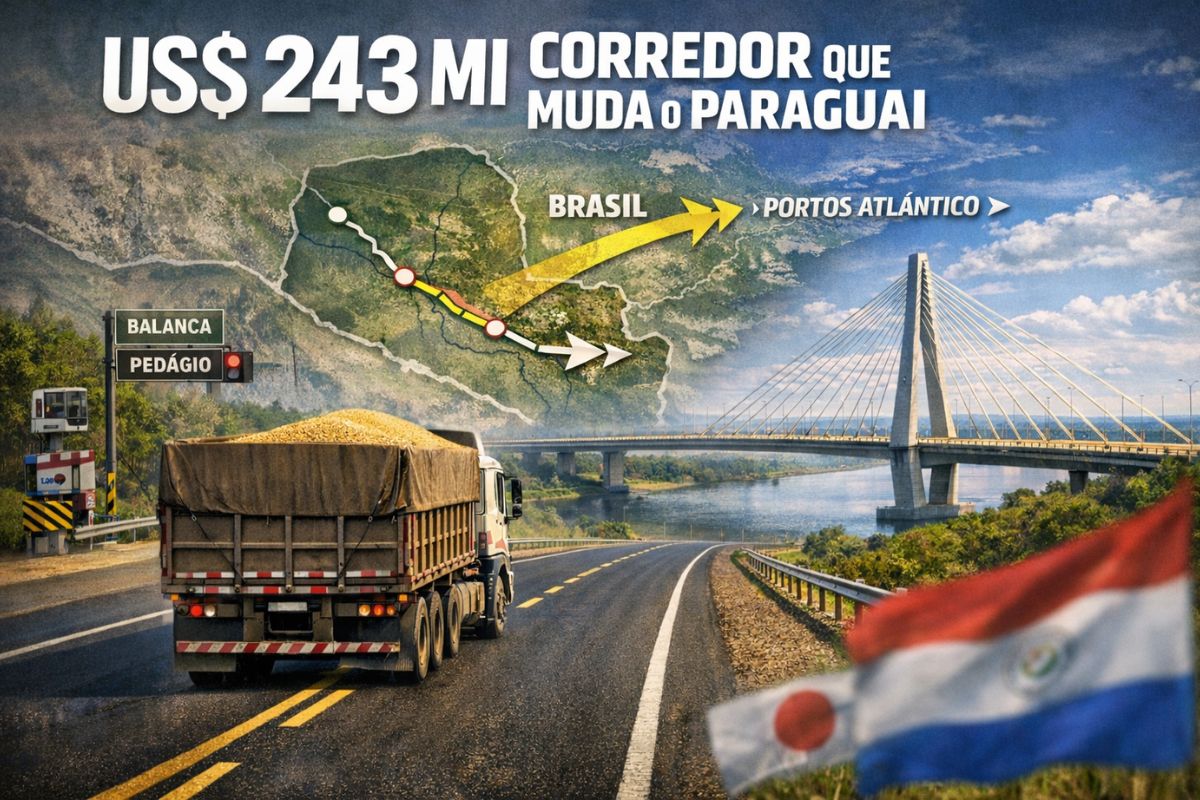


Paraguay and Japan Sign Agreement for US$ 243 Million to Fund a Strategic Corridor in the South of the Country, Connecting Isolated Regions to the Ports of Brazil and the Atlantic in a Single Logistic Backbone.
When Paraguay and Japan sign an agreement to bring to life the so-called southwest integration corridor, we are not just talking about a new road. This is a structural change in the way Paraguay connects internally and with the outside, shortening distances, reducing costs, and redesigning the country’s role on the continental map.
Along more than 150 kilometers of new paved routes, urban crossings, bridges, and logistics systems, the corridor will link the departments of Nembuku and Misiones, cross isolated towns today, and connect agricultural production directly to the border with Brazil and the Atlantic ports. Paraguay and Japan are concluding an agreement at a point where infrastructure, economy, and geopolitics begin to walk together.
A Corridor That Changes the South of Paraguay
The project originates in the south of the country, in an area historically seen as the end of the line. Today, a large part of the local production of soybeans, rice, wood, and meat relies on uneven roads, long detours, and high transportation costs. This increases freight costs, reduces competitiveness, and deters investment, even in areas with strong productive potential.
-
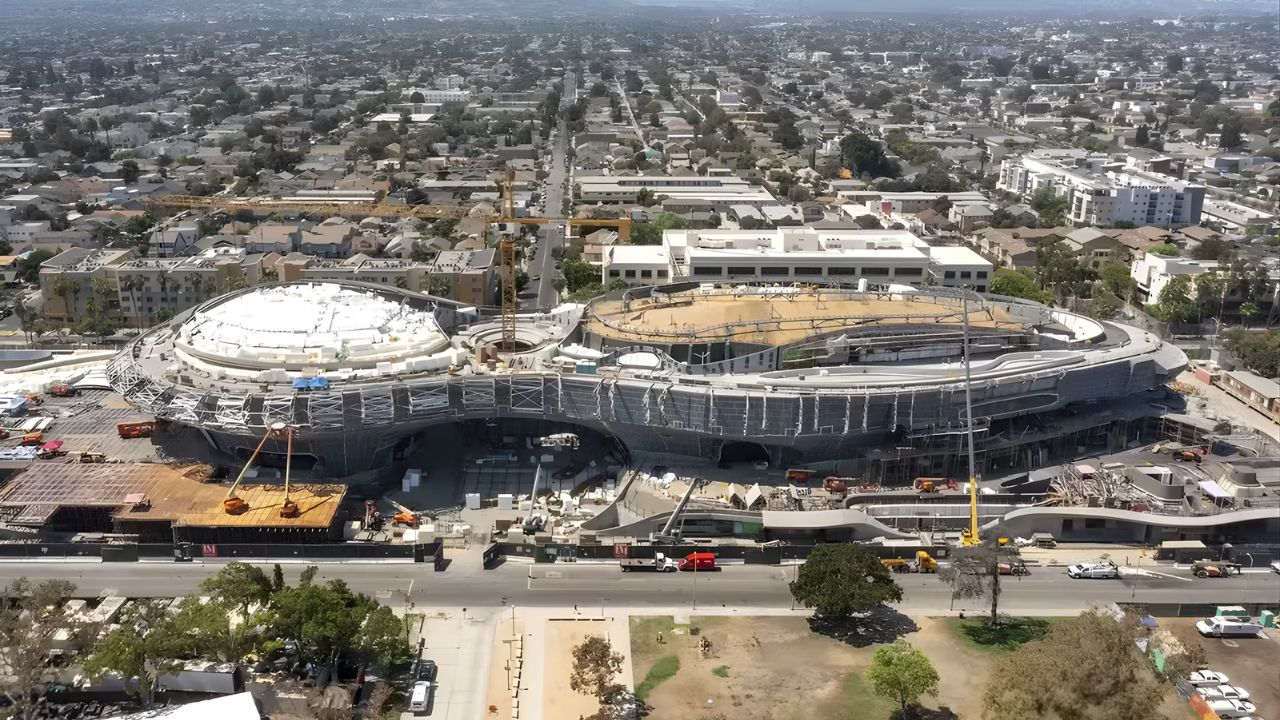
Created by George Lucas with over $1 billion, a futuristic museum in the shape of a spaceship with 1,500 curved panels is about to open in Los Angeles and will house one of the largest private collections of narrative art in the world.
-
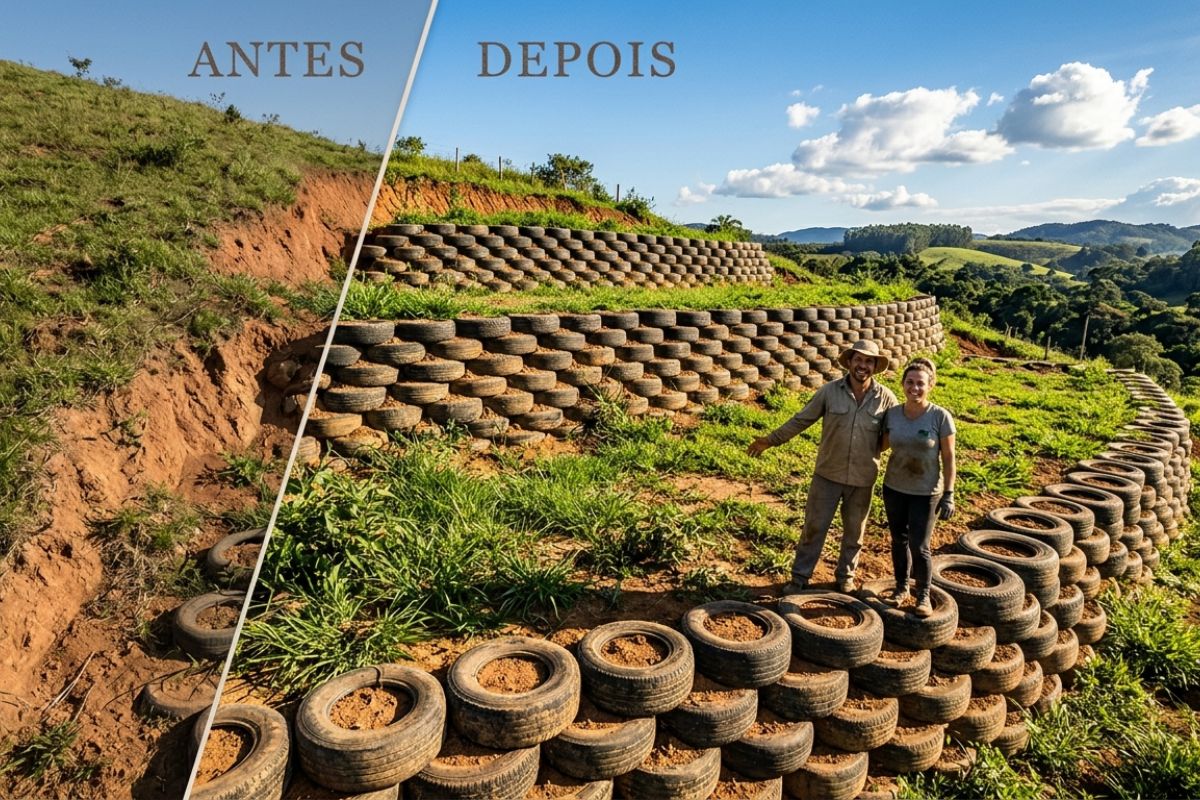
Couple shows how they built a retaining wall on their property using 400 old tires: sloped land turned into plateaus, tires are aligned, filled, and compacted with layers of soil, with grass helping in support and at almost zero cost.
-
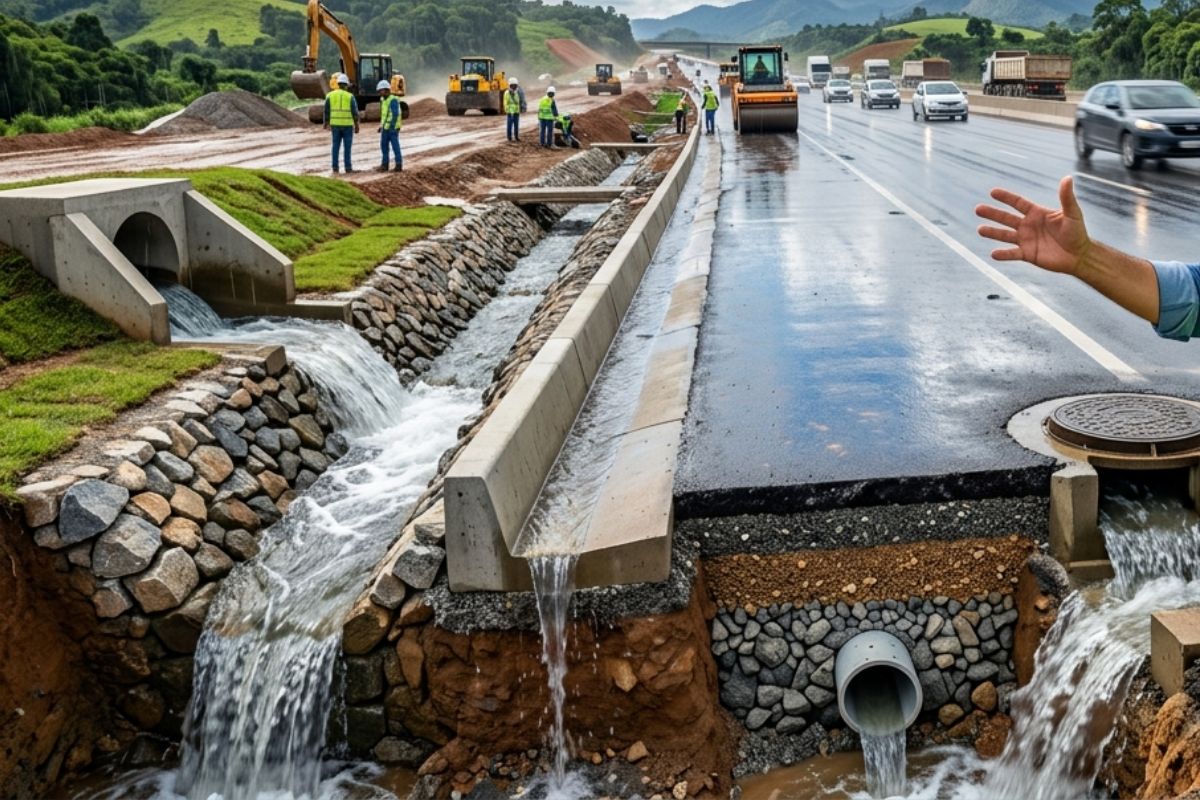
Engineer explains drainage during the rainy season: the difference between surface water and deep water, ditches, gutters, and water outlets on the road, as well as drains and drainage mattresses, to prevent erosion, aquaplaning, and flooding at the construction site today.
-
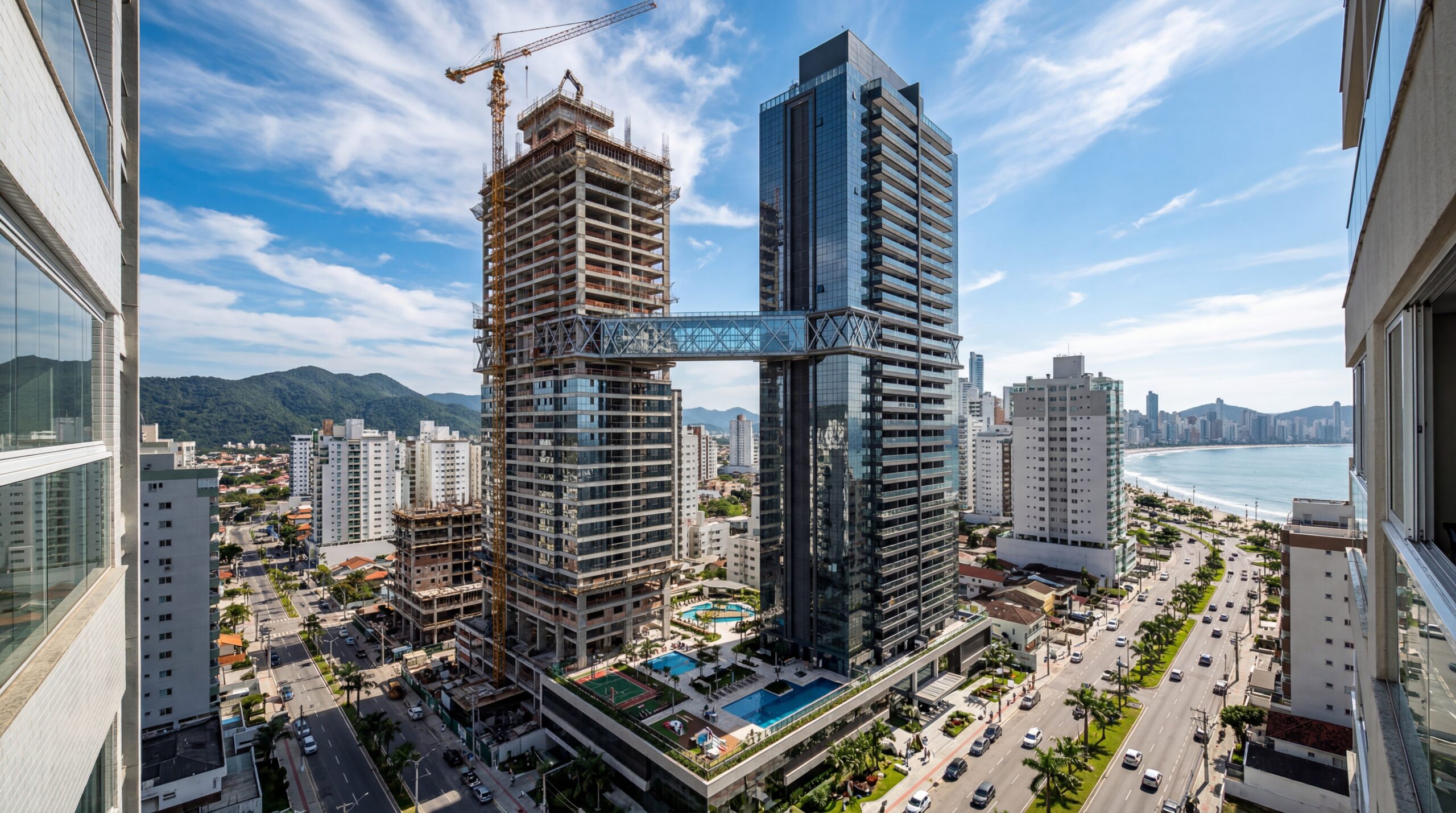
With 55 floors, 177 meters in height, a 15-meter walkway between the twin towers, ventilated facade, and 6,300 m² of leisure space, Ápice Towers already has one tower completed and another nearly at the top.

With the new southwest integration corridor, this scenario begins to reverse. The project will create a continuous axis connecting Nembuku to Misiones, passing through locations such as Jabebr, Laureles, Desmochados, Bilhalbin, and Serrito until reaching Pilar. Paraguay and Japan are concluding an agreement precisely to transform this forgotten strip into a structured corridor capable of attracting companies, services, and new businesses.
From Regional Road to International Export Route


The most visible impact is on the ground: new asphalt, a more direct route, fewer dirt stretches, and unnecessary curves. Trucks no longer waste time on detours, producers can better plan deliveries, and companies gain predictability for investment.
But the logic goes beyond the internal border. The road does not end in Pilar. From the south of Paraguay, loads continue to the border with Brazil, enter the Brazilian road network via the Integration Bridge, and reach Atlantic ports, such as Paranaguá and Santos. It is this sequence that transforms a regional corridor into an international export route.
In practice, a truck leaving a farm in Nembuku could, in just a few days, be at an Atlantic port loading soybeans for Asia, meat for Europe, or wood for the Middle East. When Paraguay and Japan sign an agreement to finance this corridor, the country stops looking solely at its own territory and starts thinking about its connection to the ocean.
Infrastructure Designed to Last Decades
The US$ 243 million agreement does not only cover the main asphalt. The project is designed as a complete system to withstand decades of intensive use.
Among the planned works are:
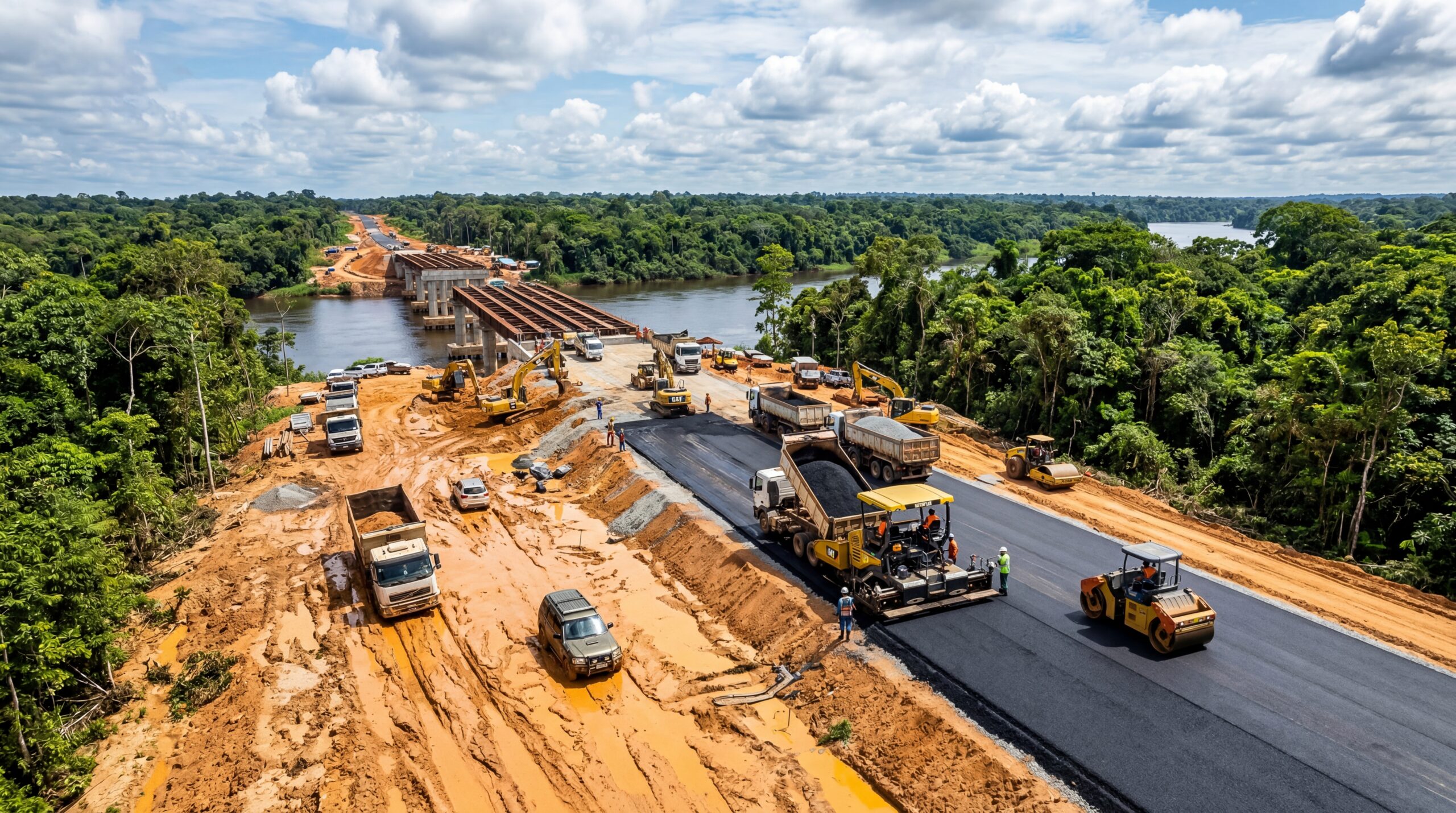
- four new bridges, including one that is 400 meters over the Abebur River
- hundreds of drainage interventions
- reconstruction of old structures
- urban bypasses to keep trucks out of city centers
- inspection areas and bus stops
- installation of scales for load control
This shows that they are not just building a road, but an infrastructure prepared for heavy traffic, for rains, and for the expansion of cargo transport over time. There will be tolls specifically to ensure constant maintenance and proper flow management.
Connection to Brazil and Geopolitical Repositioning
At the same time as Paraguay and Japan sign an agreement for the southwest corridor, the country is advancing in the west with the bioceanic corridor that crosses the TCO and connects Brazil, Paraguay, Argentina, and Chile to the Pacific ports.
The result is a completely new layout:
- to the south and southeast, Paraguay is getting closer to Brazilian Atlantic ports
- to the west, it connects to the Pacific via the bioceanic corridor
A country that has always been classified as “landlocked” starts to function in practice as a bridge between two oceans, supported by modern road infrastructure. In geopolitics, this changes everything. Logistic routes today carry weight comparable to energy or food. Those who organize paths control flows, and those who control flows gain influence.
Social Impacts Beyond Agribusiness

The effects of the corridor are not just economic. Communities that are currently isolated will have faster access to hospitals, schools, markets, and public services. The south stops being an end of the map and starts being a passage point. Small towns gain visibility, a flow of people, commerce, and opportunities that simply do not arrive when the road is poor or nonexistent.
For the local population, this means more transportation, a greater supply of services, and a stronger bond with the rest of the country. For investors, it means a less risky territory, with better access, infrastructure, and capacity to channel production.
Deadlines, Works, and the Time of Transformation
According to the announced plans, the executive projects and bidding processes are expected to advance in the coming years, with the start of the main works around 2027 and completion estimated between 2030 and 2031.
This means that the physical impact will be gradual. Machines, worksites, and released sections will appear step by step. But the strategic impact has already begun the moment Paraguay and Japan sign the agreement and signal to the market that this corridor will be realized. Investors, carriers, and producers begin to consider this route in their medium and long-term plans.
A New Role for Paraguay in Regional Logistics
With cheap energy, a central position in South America, and now an expanding infrastructure package, Paraguay is starting to transition from being merely a territory of informal passage to becoming a structured route for regional trade.
Paraguay and Japan are concluding an agreement at a moment when logistic routes gain weight in international negotiations, bringing the country closer to a more relevant role in the economy and politics of the continent. Instead of merely observing the flow of goods between neighbors, the country positions itself as an organized corridor between inland South America and the two oceans.
And you, how do you view this movement where Paraguay and Japan are concluding an agreement to transform the country into a logistical route between Brazil, the Atlantic, and the rest of the continent?




Es lo que deberían haber hecho hace años. Lo importante es que se haga bien y hacer proyecto para conseguir dibrto y que se roben todos y endeudar al país. Una obra que hace años Paraguay debiera de haber hecho.
Excelente proyecto que incluso se puede analizar desde otro ángulo. La nueva red a desarrollar confluye en Pilar, el puerto con mejor nivel de agua del Paraguay. Allí, se puede embarcar la producción en barcazas de bandera paraguaya (el modo más eficiente de transporte) y salir al mundo por Nueva Palmira y en poco tiempo por Martín Chico, la terminal portuaria Multipropósito de mayor potencial de la Hidrovía Paraguay Paraná.
Excelente parceria, vai gerar empregos, facilitar o transporte e desenvolver agricultura.