





 Portuguese
  English
  Spanish
 4 min of reading
  0 comments


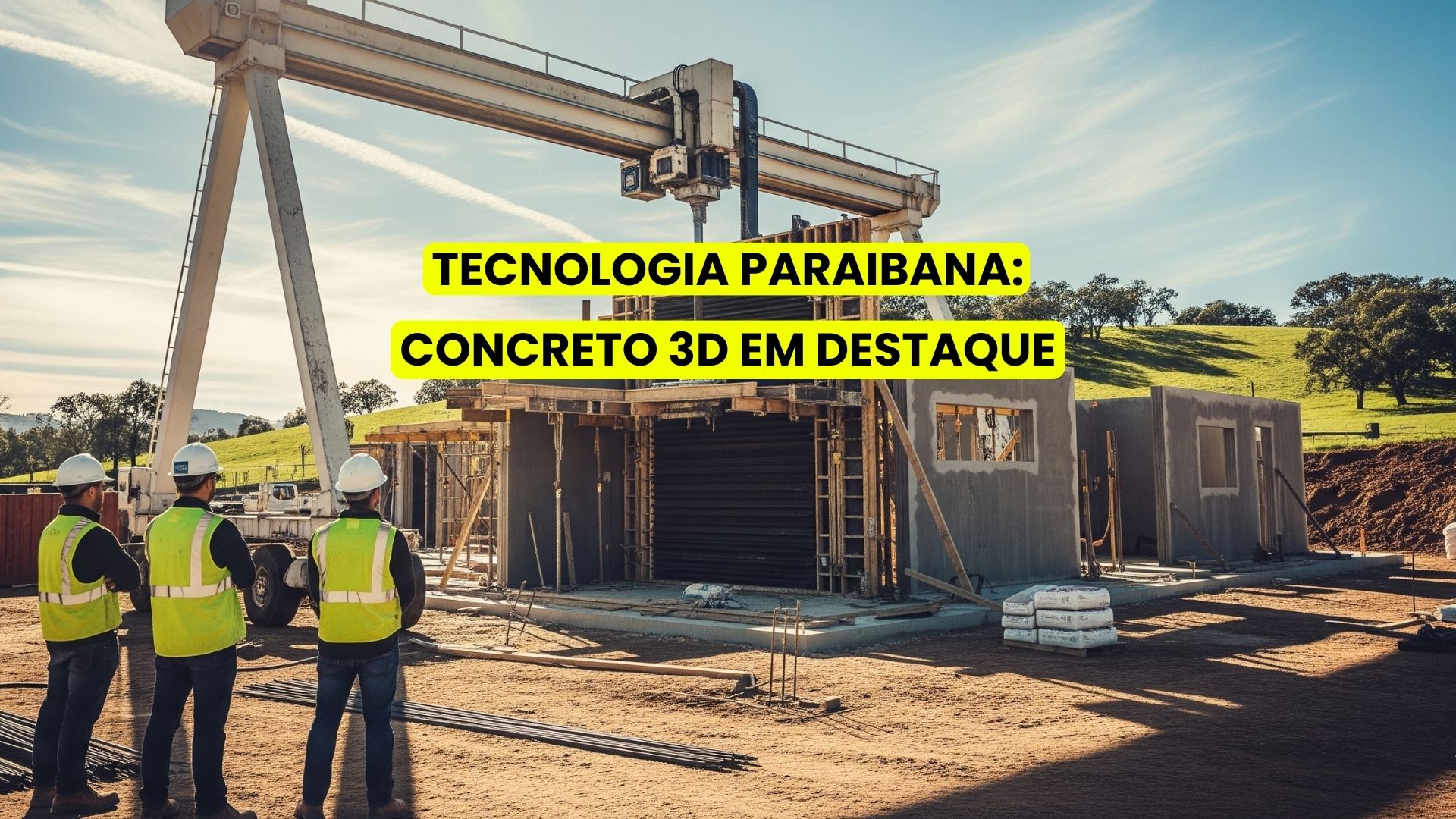
Discover How Paraíba Is Innovating in Civil Construction with Sustainable 3D Printing. The Paraíba Project Competes for a National Award, Bringing Efficient and Environmentally Responsible Solutions to the Sector
The Paraíba stands out nationally by developing an innovative concrete 3D printing technology for civil construction. Funded by the State Government, the project is a finalist for the 2025 National IEL Talents in Construction Award, in the Cities category, showing that innovation and sustainable technology can transform the construction industry and generate environmentally responsible solutions.
The project brings together researchers from the Federal University of Paraíba (UFPB) and the Federal Institute of Paraíba (IFPB), with support from graduate students and scholarship holders, establishing itself as an example of sustainable technology applied to civil construction.
Government Support Strengthens Innovation in Civil Construction
The Government of Paraíba allocated R$ 64,000 to enable the 3D printing project. This investment allowed for the acquisition of materials, the development of prototypes, and the implementation of applied research in construction with regional composites and natural fibers, reducing cement consumption and environmental impact.
-
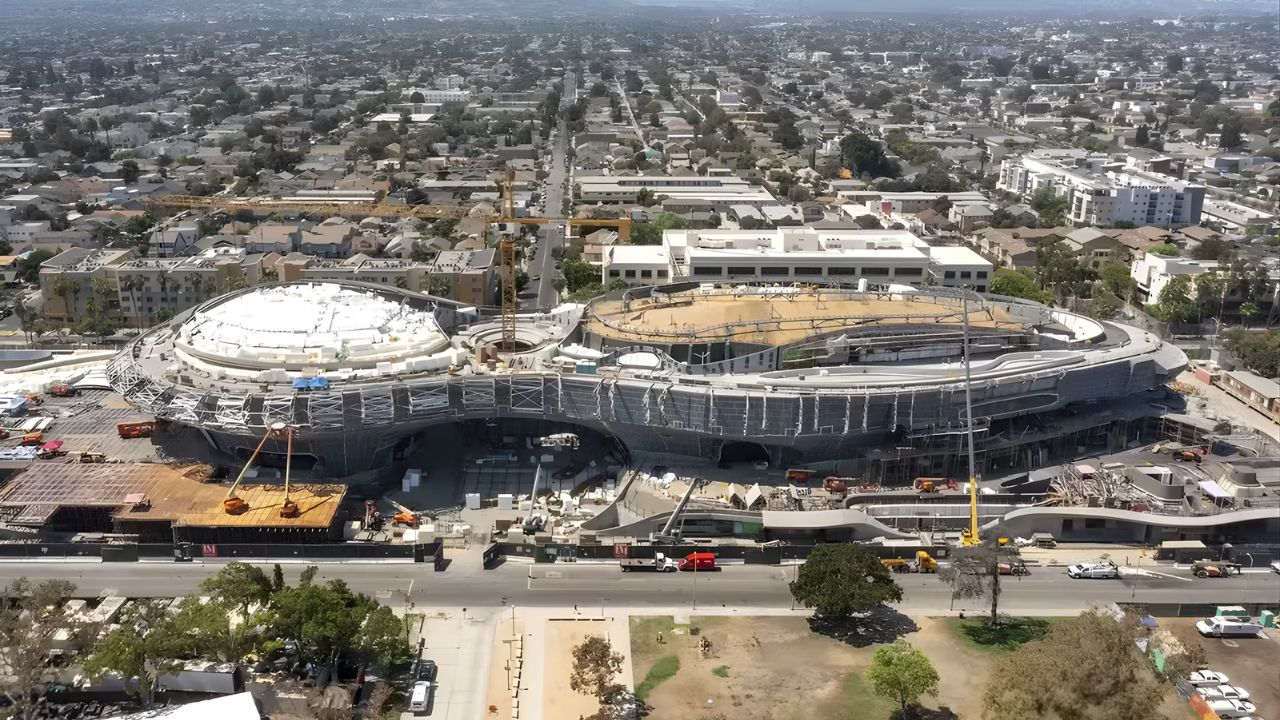
Created by George Lucas with over $1 billion, a futuristic museum in the shape of a spaceship with 1,500 curved panels is about to open in Los Angeles and will house one of the largest private collections of narrative art in the world.
-
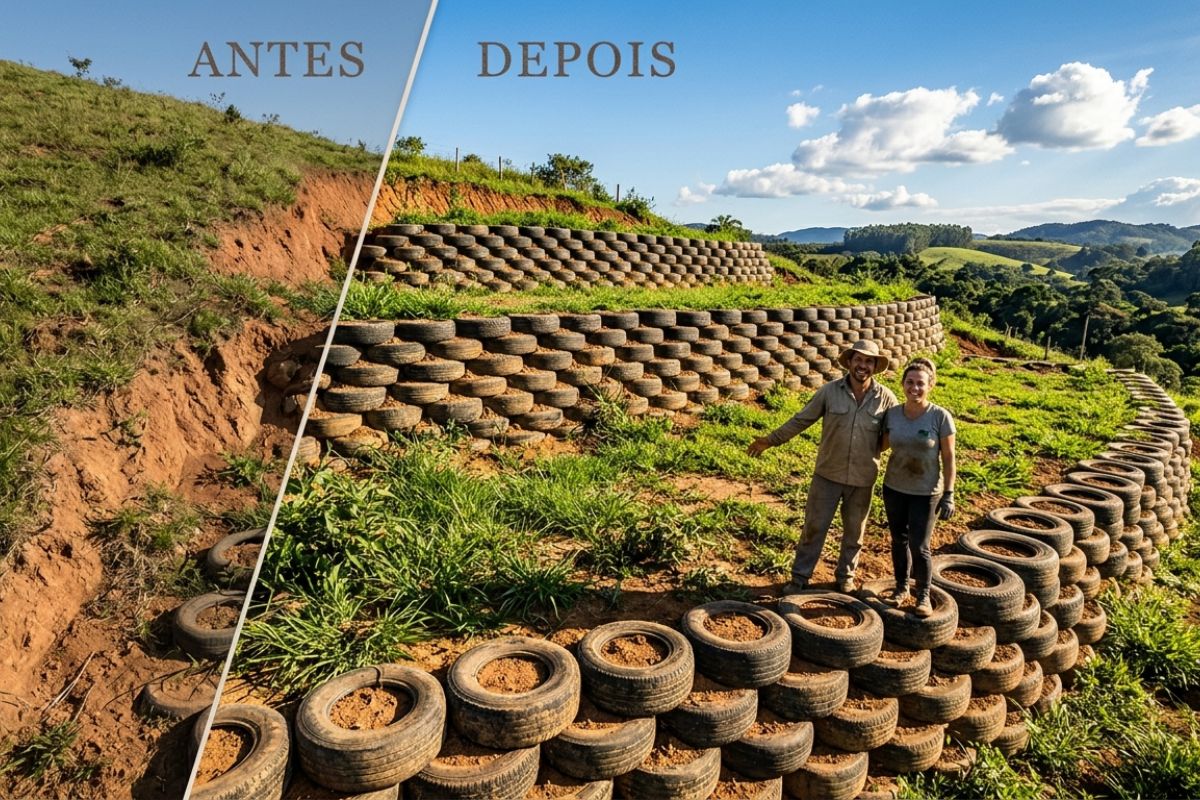
Couple shows how they built a retaining wall on their property using 400 old tires: sloped land turned into plateaus, tires are aligned, filled, and compacted with layers of soil, with grass helping in support and at almost zero cost.
-
Engineer explains drainage during the rainy season: the difference between surface water and deep water, ditches, gutters, and water outlets on the road, as well as drains and drainage mattresses, to prevent erosion, aquaplaning, and flooding at the construction site today.

-
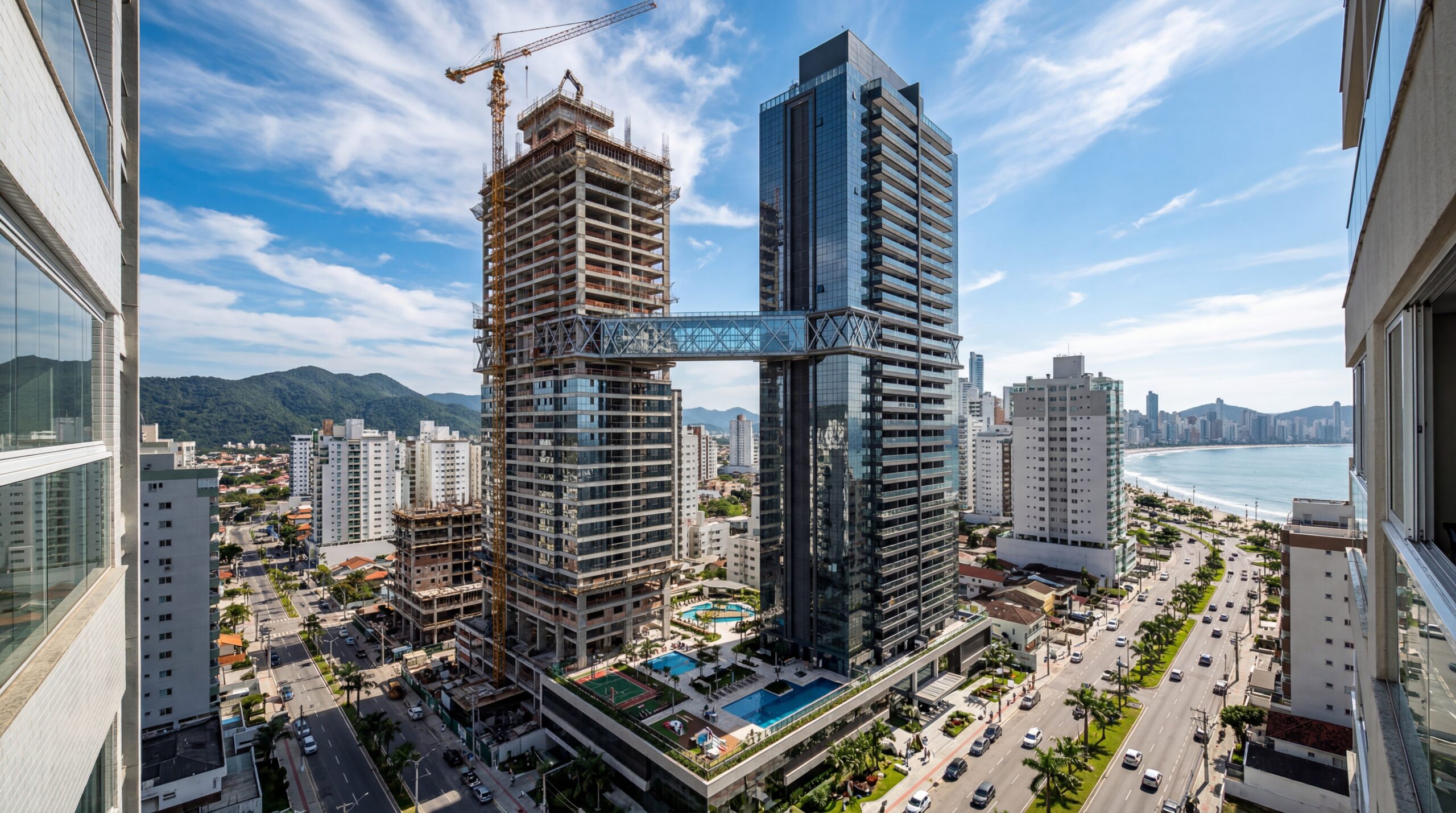
With 55 floors, 177 meters in height, a 15-meter walkway between the twin towers, ventilated facade, and 6,300 m² of leisure space, Ápice Towers already has one tower completed and another nearly at the top.

According to data from the Foundation for Research Support of the State of Paraíba (Fapesq), the project aims to modernize civil construction in the state by promoting faster, more efficient, and sustainable practices. The initiative reinforces the government’s commitment to technological innovation and sustainability, placing Paraíba in a position of national prominence and encouraging other regions to follow suit.
3D Printing: How Does Sustainable Technology Work?
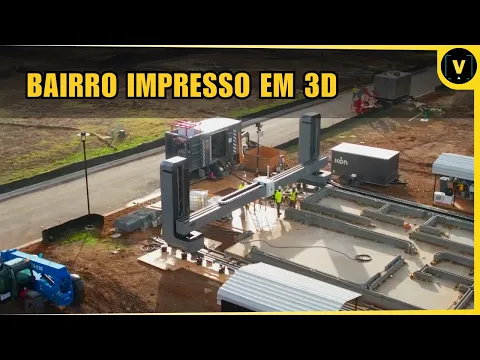
The developed technology utilizes medium-sized 3D printers, capable of printing life-sized walls. The applied materials include:
- Concrete with lightweight aggregates
- Natural fibers and regional composites
- Mixtures with reduced cement
The automated process allows for the construction of complex structures with greater precision, less material waste, and a significant reduction in labor costs. The application of sustainable technology helps to decrease the carbon footprint of the construction industry, aligning with international sustainability standards.
According to the project coordinator, Marcos Alyssandro Soares dos Anjos, the technology represents 100% Paraíba innovation, combining digital design, artificial intelligence, and robotic automation to accelerate the construction process with safety and efficiency.
National Recognition: National IEL Talents in Construction Award
The Paraíba project was selected among 158 national proposals and is a finalist in the 2025 National IEL Talents in Construction Award, in the Cities category. The award recognizes innovative initiatives that transform civil construction in Brazil, promoting sustainable technology and solutions for urban challenges.
The public voting is open until the end of September, allowing society to participate in the selection. The award ceremony will take place during the Rio Construction Summit 2025, from September 24 to 26, in Rio de Janeiro.
The winners will receive:
- 40 hours of consulting in intellectual property and innovation management
- Trophy and certificate
- Cash award
- Travel expenses for the event in Rio de Janeiro
The national recognition reinforces the importance of Paraíba as a technological innovation hub and of 3D printing in the civil construction sector, encouraging the development of sustainable and economically viable projects.
Benefits of 3D Printing for Civil Construction
The adoption of sustainable technology in civil construction offers several benefits, including:
- Reduction of waste and material waste
- Time and cost savings in project execution
- Lower environmental impact, with reduced CO₂ emissions
- Greater precision and durability of structures
- Valuation of local labor and encouragement of academic research
In addition, the technology can be applied in social projects, affordable housing, and public works, contributing to more sustainable and resilient cities. International studies indicate that 3D printing in concrete can reduce cement consumption by up to 30% in some cases, promoting resource savings and reducing the ecological footprint.
The use of local materials, such as lightweight aggregates and natural fibers, also strengthens the regional economy and creates opportunities for suppliers and small businesses, reinforcing the positive impact of sustainable technology in Paraíba.
Challenges and Future Perspectives of Sustainable Technology
Despite the advances, the project faces typical challenges of implementing new technologies, such as:
- Adaptation to technical standards of civil construction
- Certifications of safety and quality of the printed material
- Market acceptance and awareness of construction companies
However, Paraíba’s experience can serve as a model for other regions of Brazil, stimulating partnerships between universities, research institutes, and private companies. The integration of 3D printing, sustainable technology, and automation represents a global trend, with the potential to revolutionize the civil construction sector in the coming years.
The project’s success shows that it is possible to reconcile technological innovation with environmental responsibility, preparing the sector for new urban and climate challenges.

Paraíba at the Forefront of Sustainable Civil Construction
The Paraíba 3D printing project in concrete highlights that Paraíba is at the forefront of technological innovation applied to civil construction. With government support, academic development, and a focus on sustainable technology, the project has become a finalist for a National Award, consolidating the state as a reference in modern and environmentally responsible solutions.
The initiative reinforces that investments in research, innovation, and sustainability can yield concrete results for the construction market and society, transforming cities and creating new economic and social opportunities.
Furthermore, the project opens doors for future research in 3D printing, new sustainable materials, and automated construction techniques. Participation in national awards highlights the potential of Paraíba to export knowledge and technology to other states and countries, demonstrating that innovation and sustainable technology are strategic pathways for the future of civil construction.






Seja o primeiro a reagir!