





 Portuguese
  English
  Spanish
  3 min of reading


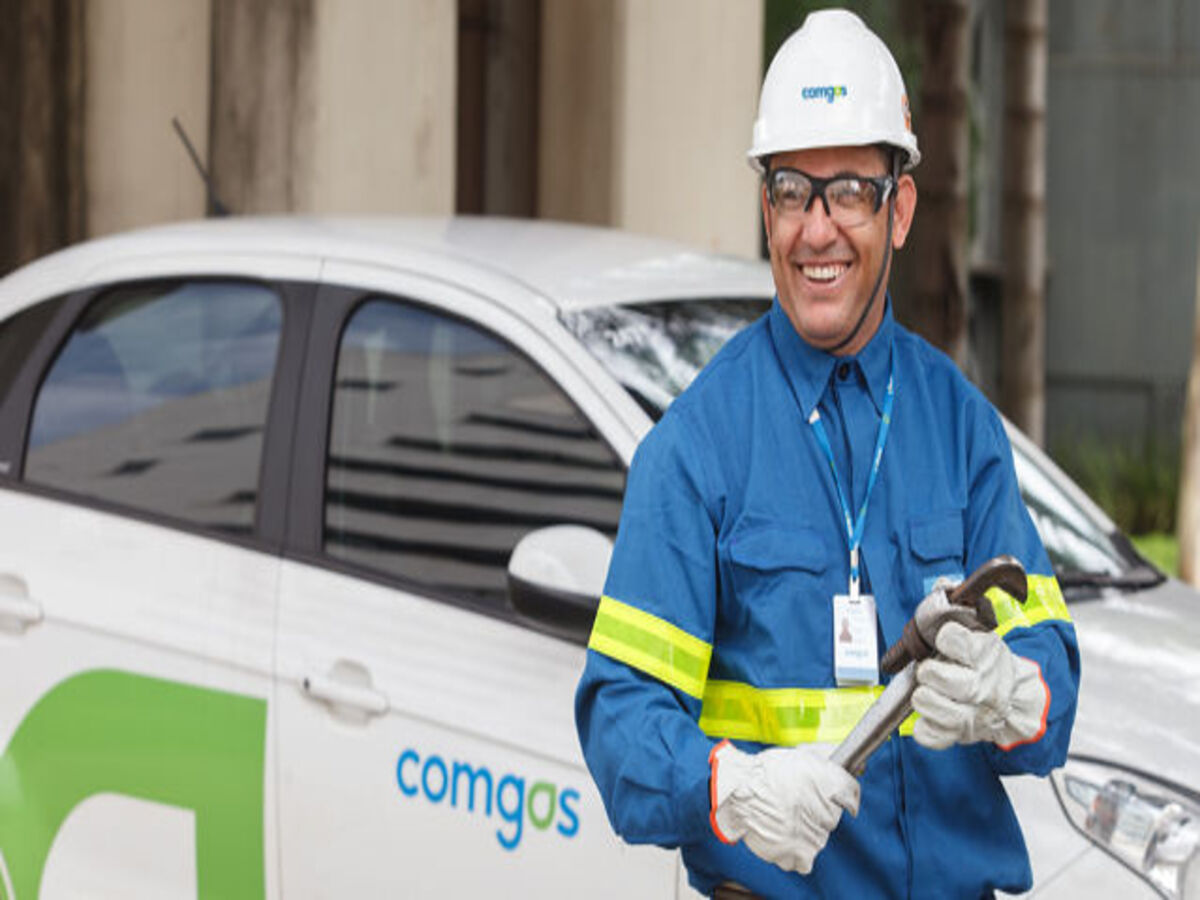
The Project Aims to Make Highways Cleaner in Terms of Carbon Dioxide Emissions.
The state of Paraná is working on a pilot project aimed at providing natural gas to the interior over more than 123 km. The project is being carried out in partnership with two institutions, namely NEOgás and Compagas. It is estimated that the state of Paraná will become one of the first in the South region, which also includes Rio Grande do Sul and Santa Catarina, regarding the complete cycle of terrestrial gas supply from a chain.
The Technical-Commercial Director of Compagas, Rafael Longo, highlighted that he feels positive about the initiative and should show users and heavy transport the feasibility of using natural gas to significantly reduce carbon dioxide emissions in the environment. Overall, with the application of new technologies, it is estimated that CO₂ reduction in the environment should be at least 23%. According to him, natural gas is becoming a more viable alternative than diesel.
How Will the Natural Gas Project of Compagas and NEOgás in the State of Paraná Work?
According to a press conference by Neogás with Compagas, the initiative will last at least 30 days, during which natural gas should be compressed by Compagas and sent through the Ponta Grossa station. Subsequently, it should be transferred over a distance of more than 130 km until it reaches the city of Arapoti. This transport will be necessary to supply the BO Paper industry. Bo Paper receives natural gas on a large scale for its industrial processes.
-
BMW entered 2026 ready to turn the tables with an avalanche of launches that mix new electric vehicles, refreshed SUVs, transitioning sedans, and sports cars, in an offensive that accelerates the Neue Klasse era and could reshape the global premium competition.

-
Honda’s mini car is a hit with a 0.66 turbo engine, selling 198,893 units, leading sales for the 5th consecutive year, featuring Honda SENSING and optional 4×4 traction, with a spacious interior and measuring just 3.39 m in Japan.

-
In the 1970s, oil became a weapon of war and paralyzed the entire world, and now the same thing is happening again with Iran closing off the route for 20% of the planet’s fuel.
-
When oil prices rise, the gas station increases prices the next day, but when it drops by 13% at once, no one explains why gasoline remains at the same price for months.
Project Indicators and What Is Expected of It in the Economy
NEOgás stated that one of the objectives will be to measure the performance of Scania, a category of truck, during the gas transport process. Thus, the professionals will need to analyze the vehicle’s characteristics, its performance on the road, and what speeds it can safely travel. The use of the Scania truck aims to align the reduction of carbon dioxide emissions with the decrease in costs incurred by the institution.
It is not only in the state of Paraná that NEOgás is becoming a leader in the sector, but also across Brazil when it comes to GCN. Overall, it is estimated that they will deliver more than 5 million kilometers of gas per year, and according to Neumayer, it is this type of gas that enables the sustainability of heavier trucks on all highways, making them more viable for fauna and flora. The project’s goals are quite ambitious and estimate that in a short time, if the results are positive, all transport vehicles will use natural gas for cargo transport.
When comparing the use of natural gas to diesel, it is worth noting that the reduction of NOx (nitrogen oxides) is 90% while the reduction of heavy metals disposed of in the environment reaches about 85%. Therefore, it can be said that the effects of using cleaner fuels can be observed in the short term and are a good way for the country to achieve its climate goals according to the Climate Summit by 2030.








Seja o primeiro a reagir!