





 Portuguese
  English
  Spanish
  6 min of reading
  0 comments


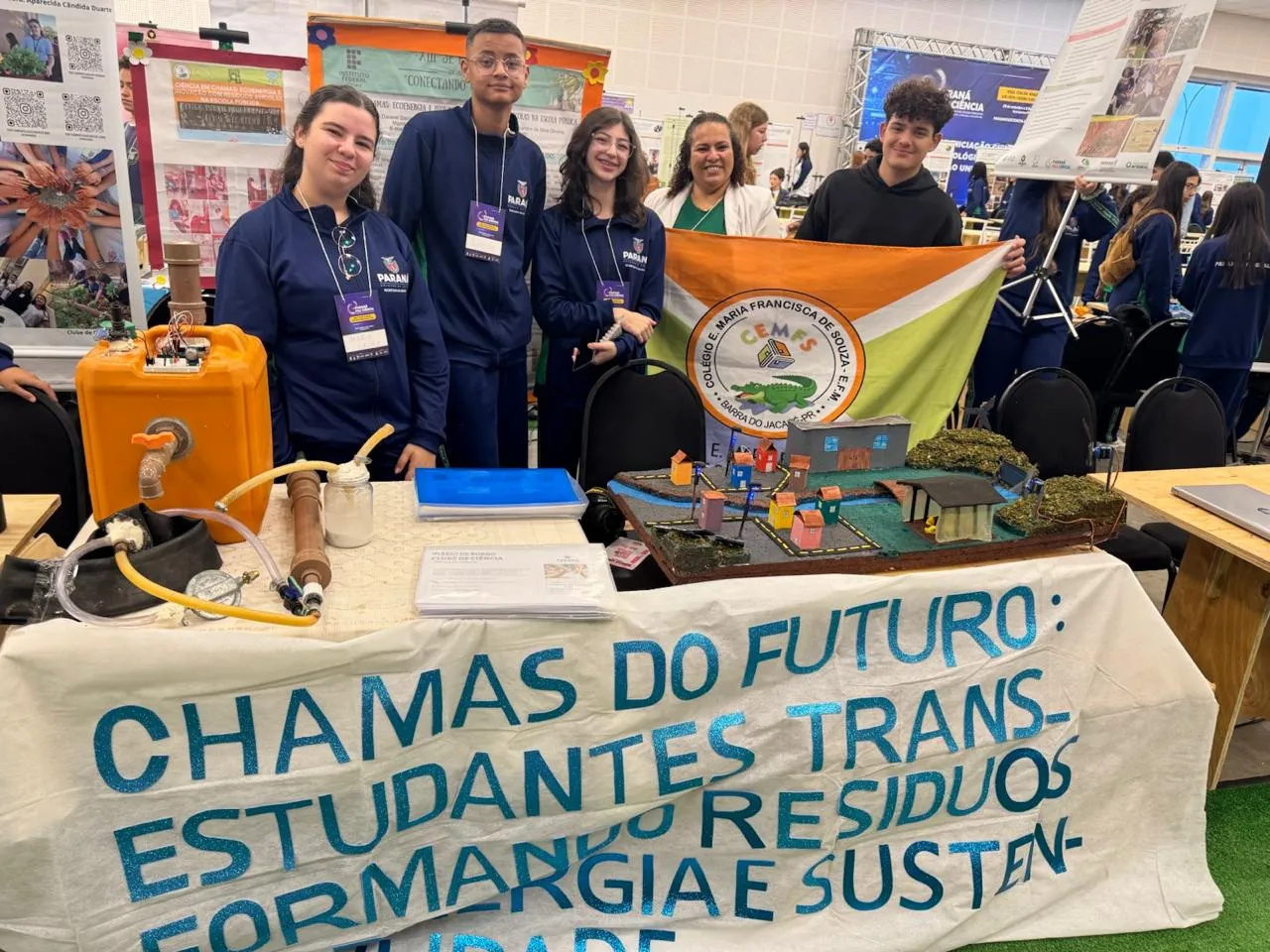
Young researchers from agricultural schools use low-cost biodigesters to convert farm waste into clean energy, generating savings for producers and reducing environmental impact in the South region.
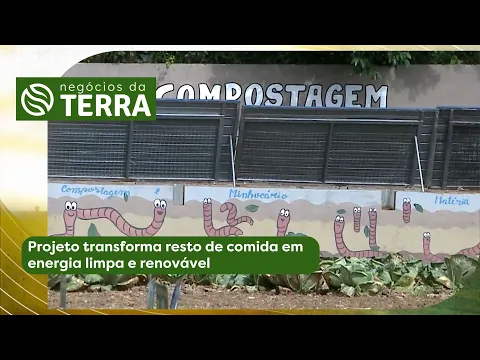
A group of students from Paraná developed an innovative and accessible method to transform farm waste into clean energy, solving one of the biggest logistical and environmental problems of modern poultry farming.
The project uses compact biodigesters that capture the methane gas resulting from the decomposition of bird waste, converting this environmental liability into biogas for burning or electricity generation.
The initiative originated from state agricultural schools, where students apply technical knowledge of biology and engineering to optimize the production cycle of rural properties. With this technology, the rural producer eliminates irregular waste disposal, prevents contamination of groundwater, and ensures a free energy source for heating barns or lighting farms.
-
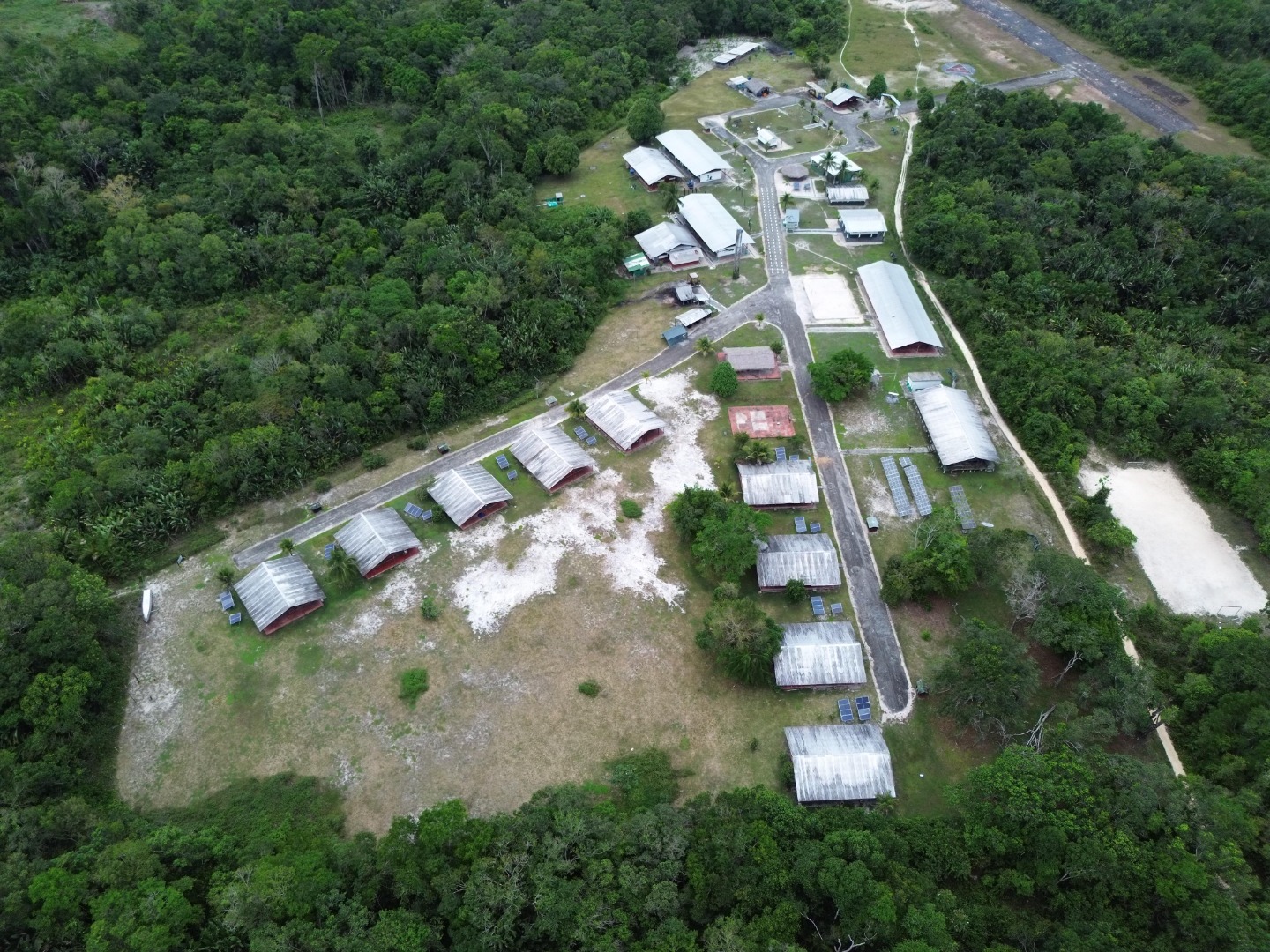
The Ministry of Defense installs a giant photovoltaic plant and ensures a stable supply of clean energy in Maturacá, in the Amazon.
-
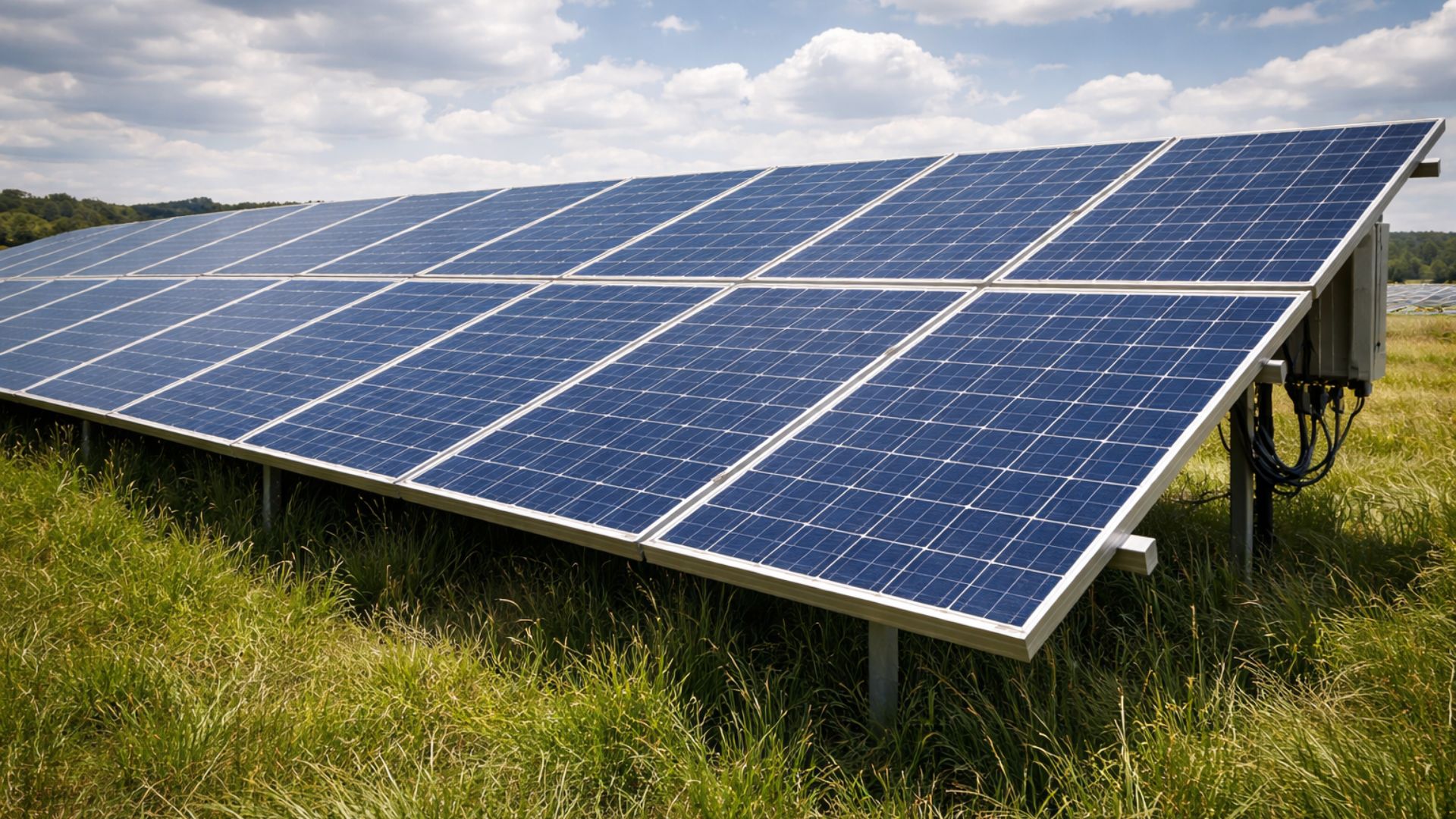
Itaipu receives proposals in the renewable energy tender and reinforces the role of public universities in the energy transition with projects that can reduce costs, increase academic investments, and accelerate sustainable innovation in the country.
-
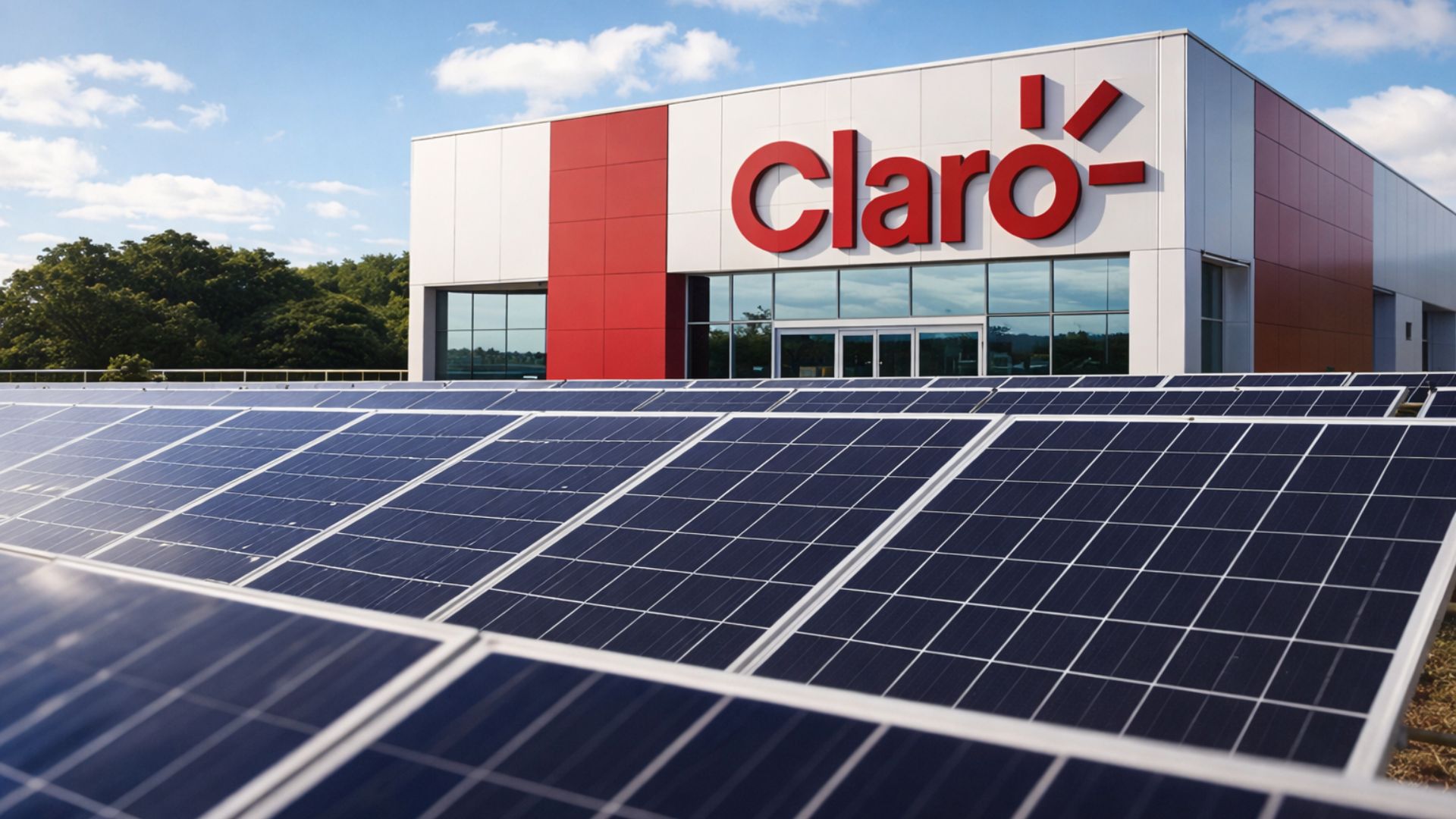
Claro operator reveals a silent change with hundreds of clean energy plants and shows how sustainability is impacting over 80% of its operations in Brazil.
-
Billion-dollar strategic alliance: Brazil and China join forces in infrastructure and technology projects to lead the creation of a global green corridor in the energy transition.

The system has a low implementation cost, allowing small farmers to adopt the solution without compromising their budget. This technological advancement reinforces Paraná’s role as a hub of innovation in agribusiness and demonstrates how technical education can generate practical solutions for global energy transition.
The practical functioning of the transformation of waste into biogas
The transformation of farm waste into clean energy occurs through a natural biological process known as anaerobic digestion. The students designed a hermetically sealed tank, where microorganisms decompose organic matter in the absence of oxygen.
During this process, bacteria release biogas, a gaseous mixture predominantly composed of methane and carbon dioxide.
The differentiator of the Paraná project lies in the simplification of the system. The students used readily available materials in the national market to build the biodigesters, making the equipment replicable on any property.
The captured gas goes through a simple filtration system to remove impurities and goes directly to the burners or stationary engines.
This energy autonomy protects the producer against fluctuations in electricity tariffs and ensures the farm operates even in cases of power grid outages.
The energy potential of birds
Did you know that the waste from an average farm has an energy potential capable of keeping an entire household running for days? Poultry farming generates a massive amount of biomass daily.

Before this innovation, producers faced difficulties managing this volume, which often ended up accumulating and attracting insects or generating unpleasant odors.
By converting farm waste into clean energy, the students transformed a “problem” into a “financial asset.” Methane, which is a greenhouse gas 21 times more potent than carbon dioxide, is no longer emitted into the atmosphere and becomes fuel.
This paradigm shift enhances the value of rural property and positions Paraná’s agribusiness at the forefront of global sustainability.
Environmental impact: Protection of rivers and soil
The proper disposal of organic waste represents a challenge for environmental preservation in Paraná. The state has a very high density of birds per square meter in its main producing regions.
Without proper treatment, the leachate from the waste can infiltrate the soil and reach rivers and springs, causing fish deaths and compromising water supply.
The system developed by the students neutralizes these risks. In addition to biogas, the process generates a valuable byproduct: liquid biofertilizer.
This material leaves the biodigester rich in nitrogen, phosphorus, and potassium, ready to be used in the corn and soybean crops that feed the birds themselves. Thus, a perfect circular economy is created, where nothing is wasted and everything transforms into productivity on the farm.
Real savings for small rural producers
The financial viability is the strong point of this technology. Many industrial biogas systems require investments in the millions of reais, which excludes small poultry farmers.
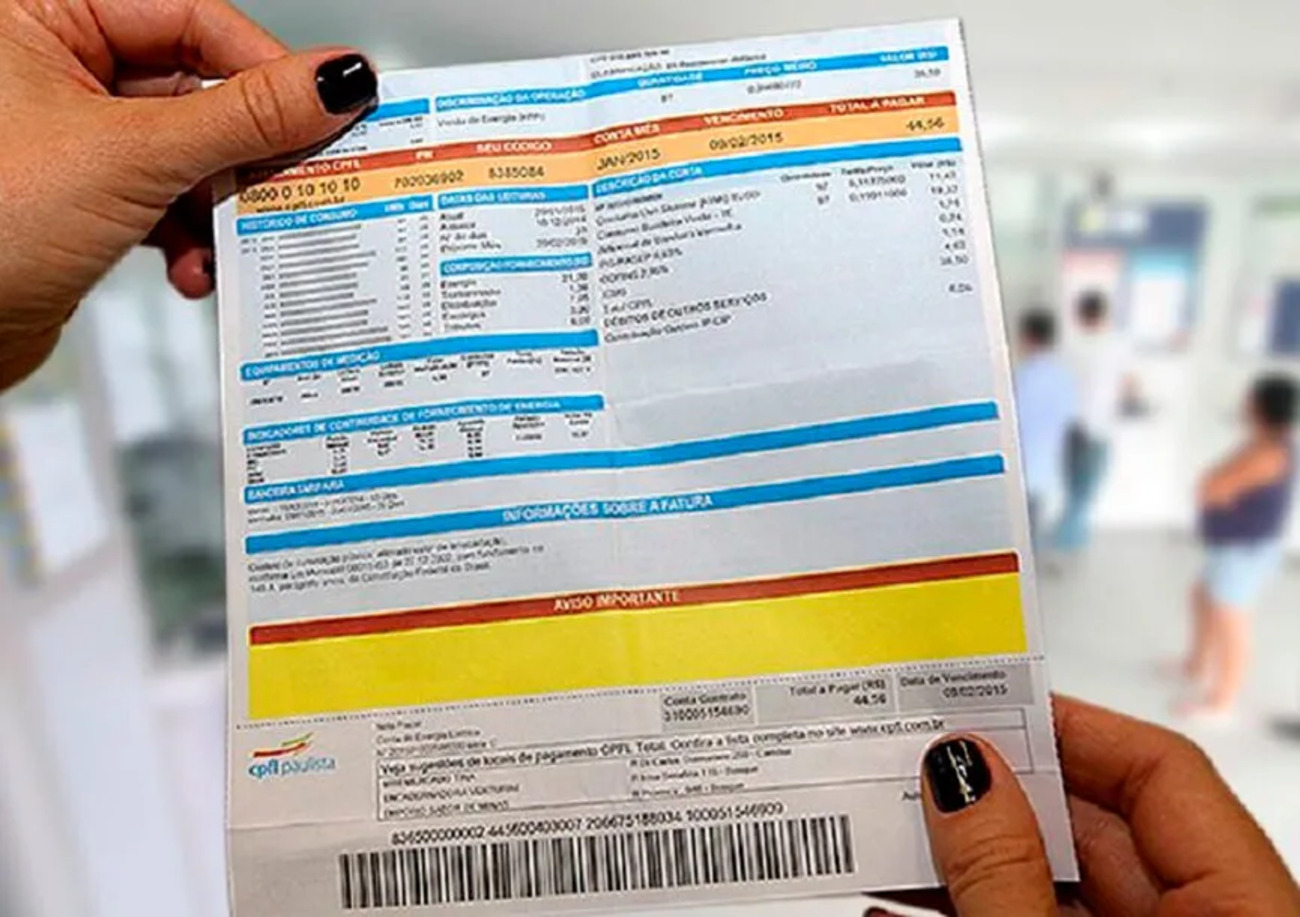
The students’ project focuses on the family scale. The reduction in the electricity bill and the substitution of cooking gas (LPG) with biogas generate immediate monthly savings.

In properties where heating young birds is essential, the use of biogas drastically reduces the cost of firewood transport or electricity consumption.
The return on investment (ROI) of this system occurs in a few months, allowing the producer to reinvest the saved amount in purchasing new equipment or expanding the flock. It is proof that sustainability and profitability go hand in hand in the field.
The role of technical education in Paraná
The Paraná government invests heavily in agricultural schools, and the results appear in projects like this. Students not only study theory in books; they build prototypes and test real solutions on the school-farm soil.
This practical approach trains professionals more prepared for the challenges of the job market and for managing their own lands in the future.
The partnership between educational institutions and rural extension agencies facilitates the dissemination of knowledge. The project of transforming farm waste into clean energy now serves as a model for workshops and field days.
Other producers visit the experimental units to understand how they can install similar systems on their properties, creating a network of innovation that spreads throughout the state.
Technical challenges overcome by students who transformed farm waste into clean energy
During the development of the project, the young researchers faced challenges such as the acidity of the material and temperature variation. The climate in Paraná, with harsh winters in certain regions, can slow down bacterial activity in the biodigester.
To solve this, the students created simple and efficient thermal insulation systems, ensuring gas production throughout the year.
Another important point was the control of pH within the system. The students developed a rapid test kit that allows the farmer to monitor the health of the biodigester without needing external laboratories.
This technical autonomy is essential so that the technology is not abandoned due to lack of support. The focus on usability demonstrates the maturity of the students in thinking about the end user of the technology.
The replacement of diesel and firewood on farms
Many farms still rely on diesel generators for emergencies or wood-burning stoves to maintain the temperature of the poultry houses. Both sources have high logistical and environmental costs. The biogas produced from farm waste into clean energy offers a cleaner and cheaper alternative.
By converting engines to the bifuel system or 100% gas, the producer eliminates the need to purchase fossil fuel. Additionally, the combustion of biogas is much more complete and generates less waste in the machines, extending the lifespan of the equipment.

The replacement of firewood also reduces pressure on native forests and decreases smoke and soot emissions around the farm, improving working conditions for employees.
Biogas as an energy security tool
Climate instability and frequent storms can cause interruptions in the electricity supply in rural areas. For a poultry farmer, a few hours without electricity can mean the loss of thousands of birds due to lack of ventilation or heating. Having a stock of self-generated energy in the form of biogas acts as an insurance policy.
The students are now planning the coupling of small gas storage systems under pressure. This would allow the producer to store the surplus produced during hot days for use in times of crisis.
Energy independence strengthens Paraná’s agribusiness against external factors and ensures that food production does not stop, regardless of the conditions of the national distribution network.
Certified sustainability and the international market
The international market increasingly demands that animal protein have traceability and sustainability certificates. The use of farm waste into clean energy thus earns valuable points for slaughterhouses that export to Europe and Asia. When a farm adopts low-carbon emission technologies, it enhances the final product’s value.
The students’ project from Paraná helps the state maintain its status as a leader in chicken exports, adding ethical value to the produced meat. “Carbon Zero” certifiers closely observe these grassroots initiatives, which demonstrate a real commitment to climate goals.
What started as a school project has the potential to influence billion-dollar export contracts in the coming years.
The future is renewable and comes from school
The initiative of Paraná students shows that innovation does not need to come from large international research centers; it arises from careful observation of local reality. By transforming farm waste into clean energy, these young people solve environmental problems, generate savings for the producer, and strengthen Brazilian agribusiness.
Finally, the integration between school, technology, and the field defines the new profile of national agriculture. Paraná reaffirms its vocation for productive excellence, proving that technical knowledge is the most powerful tool to ensure a sustainable future.
Now, the challenge is to scale this solution so that every Brazilian farm becomes a small clean energy plant, contributing to the preservation of the planet and the economic success of the country.






Seja o primeiro a reagir!