





 English
  Francês
  Alemão
  Italiano
  Japonês
  Norueguês
  Portuguese
  Spanish
  2 min of reading


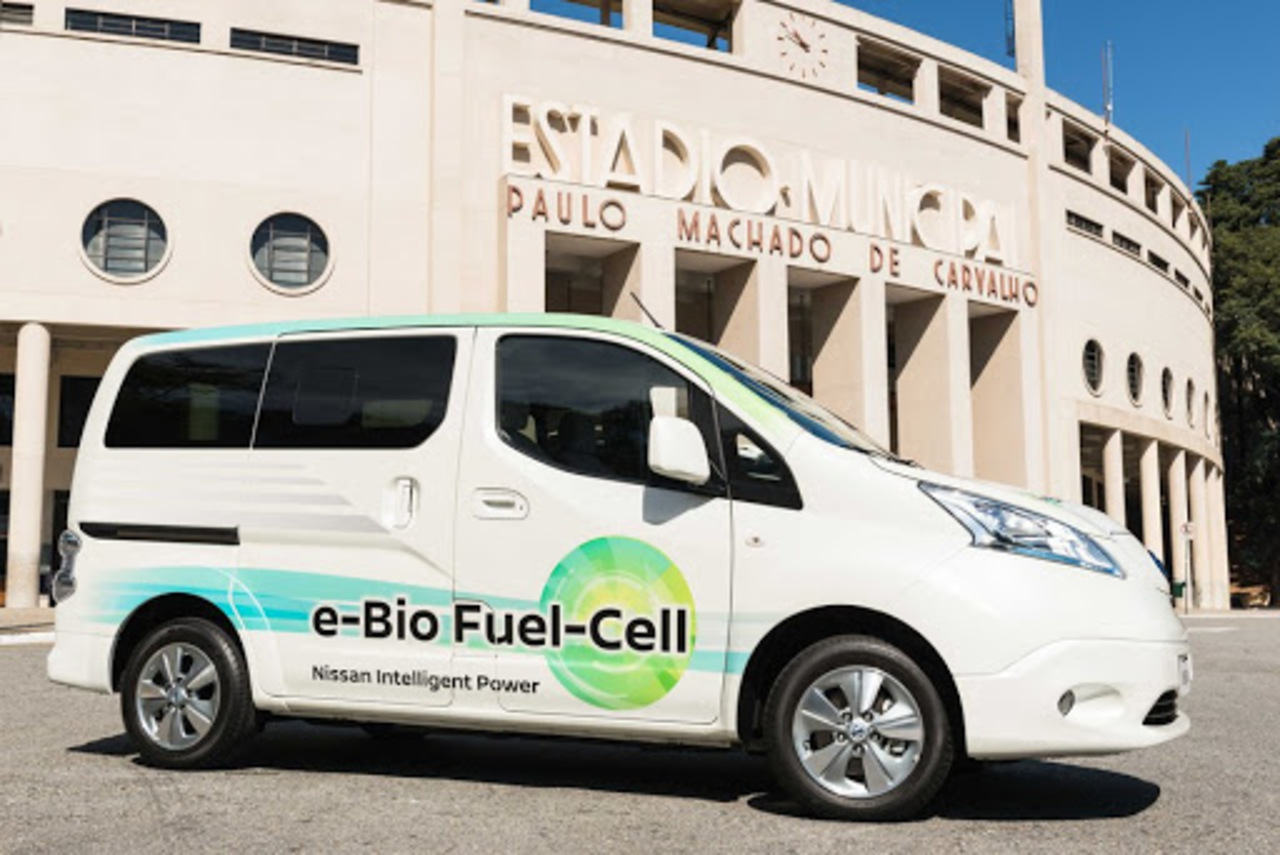
Nissan Develops A New Type Of Fuel Cell Powertrain Alongside Unicamp And USP For Cars That Uses An Ethanol Tank Instead Of Hydrogen
Nissan’s new technology in partnership with USP and Unicamp, named e-bio fuel cell, aims to overcome a common obstacle to the implementation of traditional vehicles with hydrogen fuel cells: the lack of hydrogen refueling infrastructure. Nissan’s system uses bioethanol, derived from renewable crops like corn or sugarcane, and this refueling infrastructure already exists in many areas.
Read Also
Unicamp And USP Create Something Unprecedented
The fuel cells powered by ethanol called E-bio should also be less expensive than traditional hydrogen systems because they do not require expensive carbon fiber tanks for pressurized hydrogen or costly precious metals like platinum as catalysts for electricity generation.
Nissan Plans To Bring The Technology To The Fleet Vehicle Market By Around 2020
“Using this fuel, it can have a broader application,” said Executive Vice President Hideyuki Sakamoto while announcing the development. “We don’t need hydrogen infrastructure. This is the biggest advantage, along with better safety.”
-
São Paulo surprises the world with a colossal railway network project that promises over 1,000 km of tracks, R$ 194 billion in investments, and 40 projects connecting the capital to the interior with fast and sustainable trains.
-
The world’s largest escalator, measuring 905 meters in China, reduces urban travel time from 1 hour to about 20 minutes and transforms mobility in mountainous regions with an engineering solution adapted to the terrain.

-
A R$ 300 million logistics giant is taking shape in Serra with over 100,000 m² and raises a question: how can this transform e-commerce and distribution in the state?

-
Could Uber Rides Lose Minimum Fare? Understand What’s Happening!


Nissan’s system and USP share its core technology with traditional fuel cell systems in vehicles like the Toyota Mirai or the Honda Clarity fuel cell sedans.
It requires hydrogen to be fed through its fuel chimney to generate electricity. And like existing vehicles, it uses this electricity to power an electric motor that drives the car. Excess electricity is also stored in an internal battery.
The Main Differences In The Unicamp, USP, And Nissan Project
But the biggest difference is that Nissan’s system generates its hydrogen inside the car using ethanol. This is done through an additional step managed by a component called a reformer.
The reformer converts the ethanol from the fuel tank into hydrogen, which is then fed into the fuel cell. In a traditional hydrogen fuel cell car, there is no reformer. The car’s fuel tank carries pressurized hydrogen pumped directly from a refueling station.










Seja o primeiro a reagir!