





 Portuguese
  English
  Spanish
  3 min of reading



In The Midst Of Taxation Discussion, Postal Service Closes Partnership With Alibaba Group, Owner Of Aliexpress To Improve Logistics Between Companies.
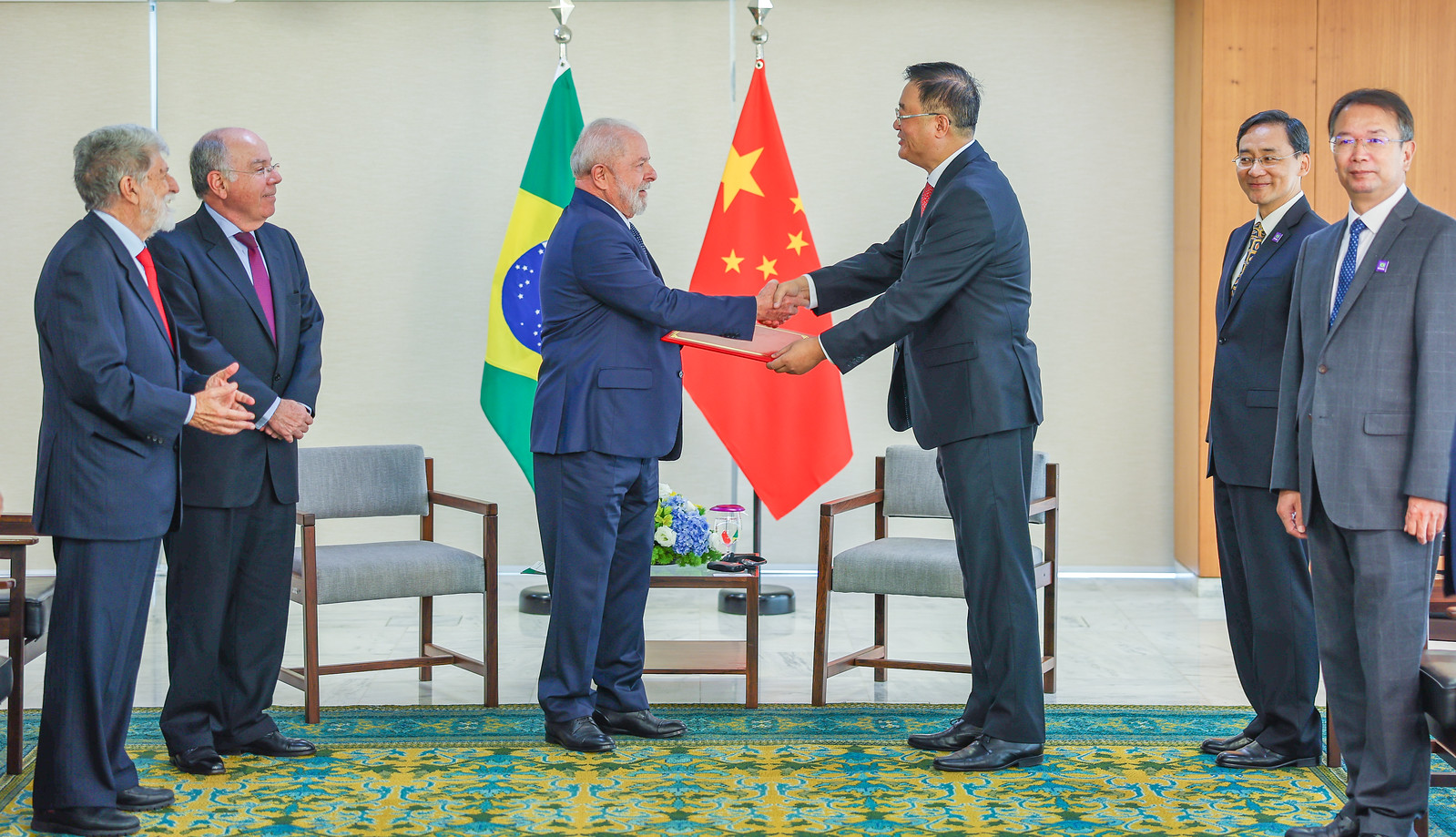
While Shein, Shopee, and other companies are involved in discussions related to e-commerce taxation in Brazil, the postal service recently signed a memorandum with Cainiao Network, the logistics arm of the Alibaba Group, owner of Aliexpress. The agreement’s draft was signed this week during a mission in China.
Agreement Aims To Improve Transactions And Logistics Between Postal Service And Alibaba Group
The agreement will serve as a partnership to improve logistics transactions, according to reporting investigations. According to a company source, the draft is not related to the discussion of volume fragmentation and the end of the US$ 50 taxation for items from individuals.
In fact, the draft was scheduled to be signed this April when President Luiz Inácio Lula da Silva (PT) had to postpone his trip to China due to health issues.
-
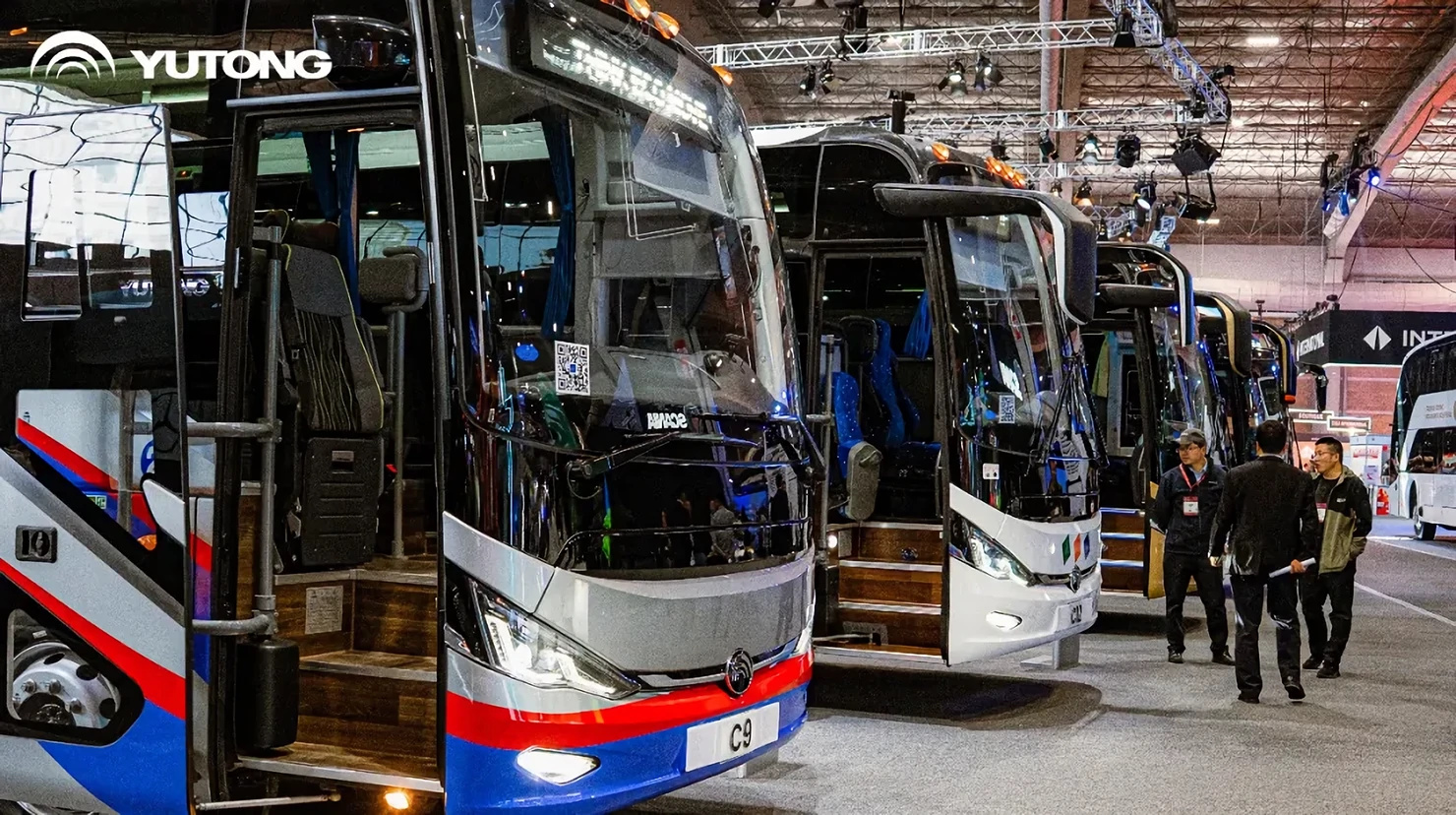
China advances into Mexico’s transportation with an electric bus that has a range of up to 530 km, bringing a complete line to the country in 2026 and transforming its partnership with Yutong into one of the most strategic in Latin American mobility.
-
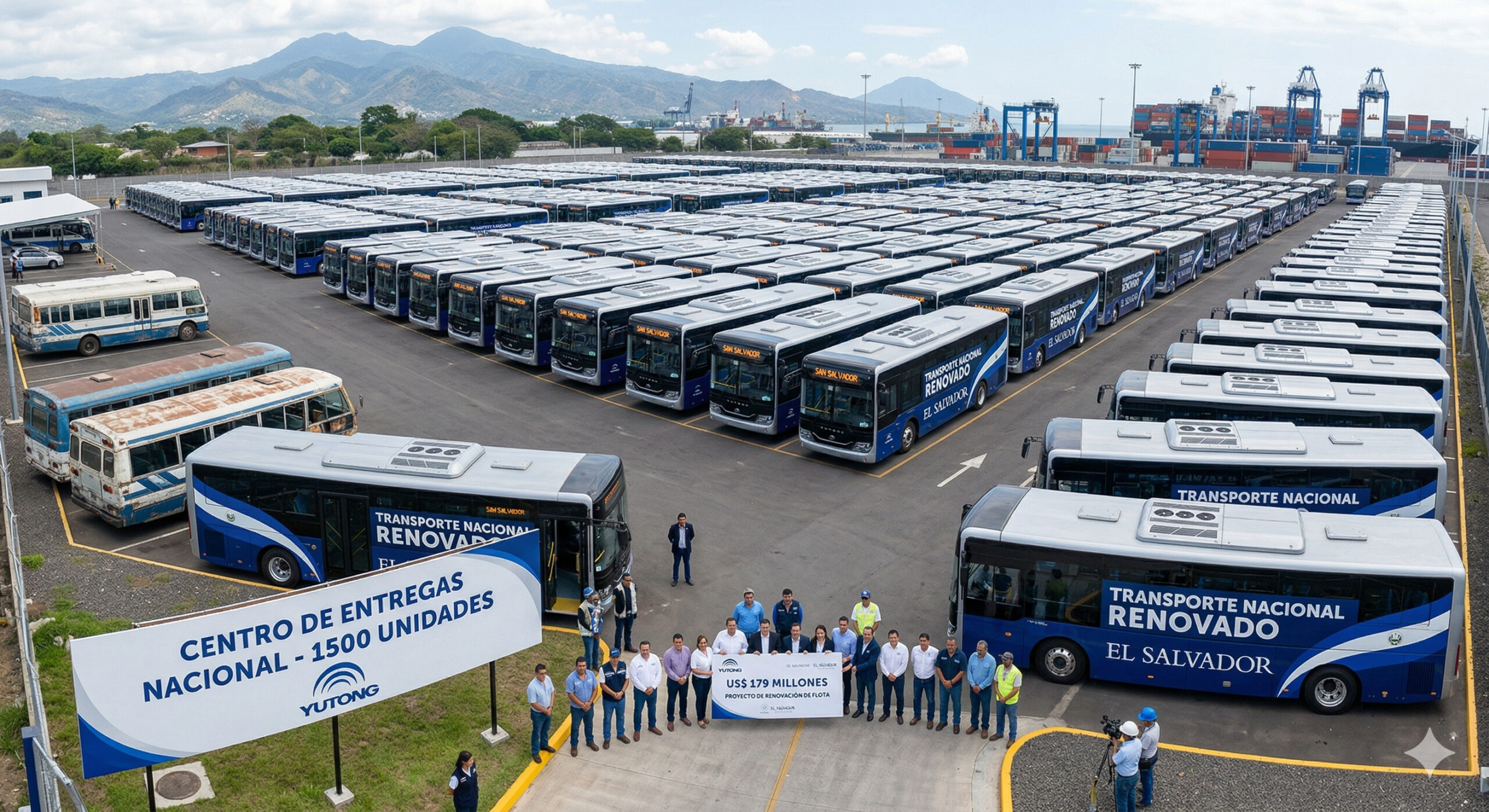
With 1,500 new buses financed by an international agreement, El Salvador is preparing the largest renewal in the history of its public transportation, a plan of $179 million with vehicles from the Chinese company Yutong that could replace practically the entire fleet of the country.
-
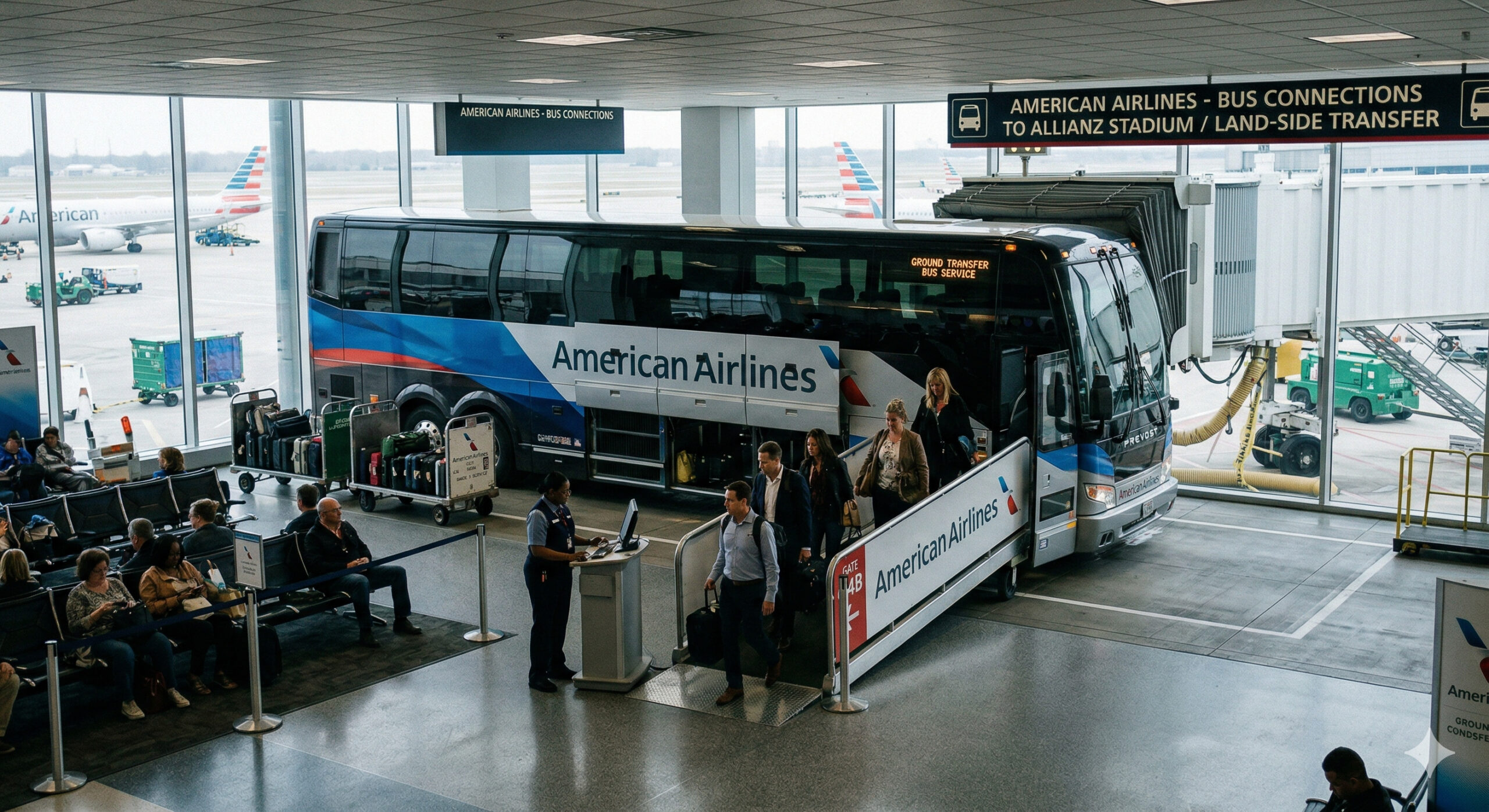
American Airlines starts selling trips as if they were flights, with check-in and baggage check at the airport, but on short routes, passengers board luxury buses connecting cities to major hubs in the U.S.
-
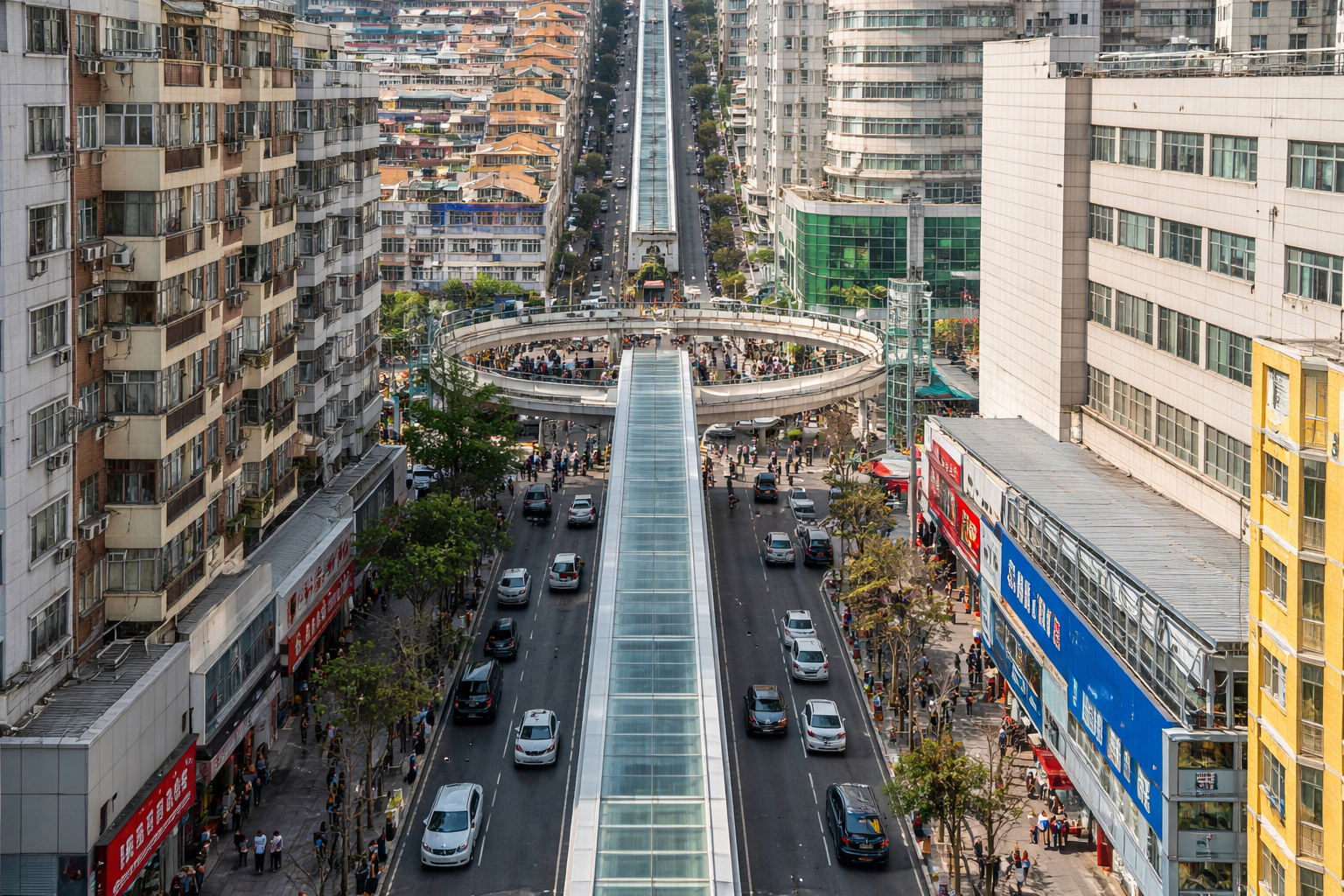
São Paulo surprises the world with a colossal railway network project that promises over 1,000 km of tracks, R$ 194 billion in investments, and 40 projects connecting the capital to the interior with fast and sustainable trains.

Last Friday (14), representatives of the Alibaba Group, owner of Aliexpress, met with the executive secretary of the Ministry of Finance, Fernando Haddad, in São Paulo. According to information from participants of the meeting, the retail giant explained how crossboarding works worldwide and the taxation of this type of sale.
Alibaba Group members also highlighted that the exemption for low-value items is something exclusive to our country. The company also stated that it does not agree with fractional sales to circumvent the tax authorities.
This week, the Federal Revenue indicated that it will end the exemption of the tax for packages up to US$ 50. The agency also emphasized that the benefit has never existed for private companies.
Volume Of Purchases From Aliexpress And Other Companies Increases 39.4% In 2022
The Federal Government also claims that it does not plan to develop any new tax but rather to strengthen the inspection of the flood of shipments arriving in Brazil, which are suspected to be using the tax benefit fraudulently.
Under a Provisional Measure, the exporter will have to submit an advance declaration with information about the exporter and the buyer, as well as the product. However, the Revenue Service will face a significant challenge ahead, given that the volume received by Brazilians increased by 39.4% in 2022 and reached the highest level in the historical series.
According to data gathered by Fernando Nakagawa, an analyst at CNN, the country received 5 national orders per second in 2022. This data is from the Postal Service and shows that Brazil handled exactly 176,276,519 volumes of purchases from abroad, equivalent to 20 thousand orders per hour.
Postal Service Holds Auction With Over 50,000 Products
When an item purchased by the buyer does not arrive at their address, the Consumer Defense Code provides a period for a complaint to be filed.
If neither the buyer nor the seller files a complaint about the missing delivery, the item remains with the Postal Service and is designated as surplus, and these items will be auctioned by the company. The Consumer Defense Code (CDC) stipulates that items that did not reach their destination and were not contested may be auctioned by the Postal Service.
In total, there are at least 50,000 products stored in the branches, primarily electronics such as smartphones, drones, and laptops. The auction will officially take place on May 2, when those interested can bid on their desired products.
However, even before that, it is already permitted to place bids for the purchase of products in lots, meaning purchases will not be for individual items, but rather for bulk purchases.








Seja o primeiro a reagir!