





 Portuguese
  English
  Spanish
 3 min of reading



Triple Alliance in Rio de Janeiro for the First Mega Biogas Plant Derived from Sugar Cane.
In a promising scenario of sustainable evolution, three giants are joining forces to launch a landmark in biogas production. In the vibrant city of Rio de Janeiro, COAGRO, ZEG Biogás, and Porto do Açu are proposing to transform the world of biofuels.
A Sustainable and Promising Alliance
The ambitious undertaking aims to revitalize the agricultural industry in Rio de Janeiro. Once a powerhouse in sugar cane production in Brazil, it is ready to reclaim its glory, now under the banner of the green economy. The idea is to produce advanced biofuels, such as biogas and biomethane, along with other biogenic products.
The project, still in preliminary stages, is estimated to be worth a significant R$60 million. As the availability of local biomass grows, the potential for investment and the supply of biomethane to the market are also expected to expand.
-
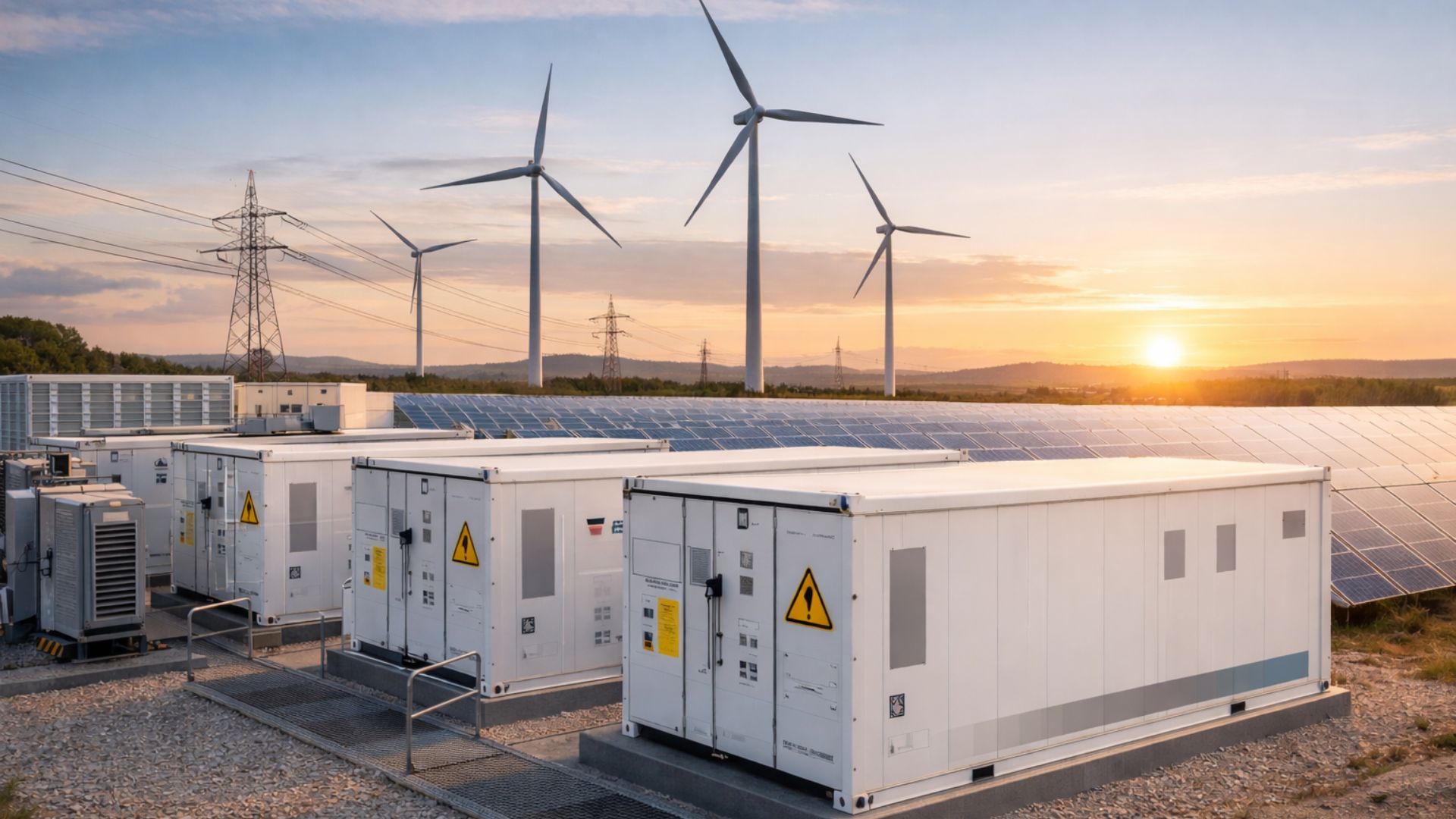
Ibitu Energia is advancing with a billion-dollar investment in renewable energy in Piauí and boosting economic growth by expanding production capacity, generating jobs, and attracting new businesses related to the energy transition.
-
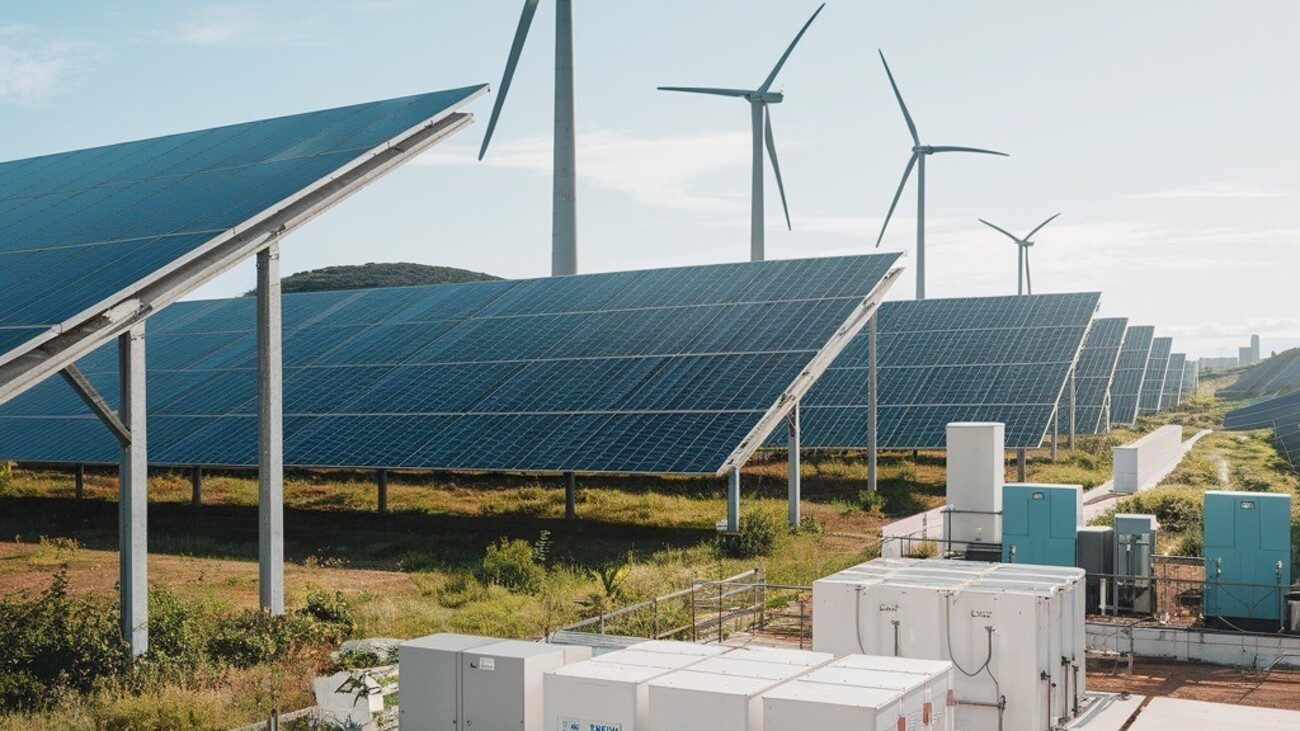
Boosting the energy transition: European Union releases €20 million funding to modernize the system and optimize electricity grid storage.
-
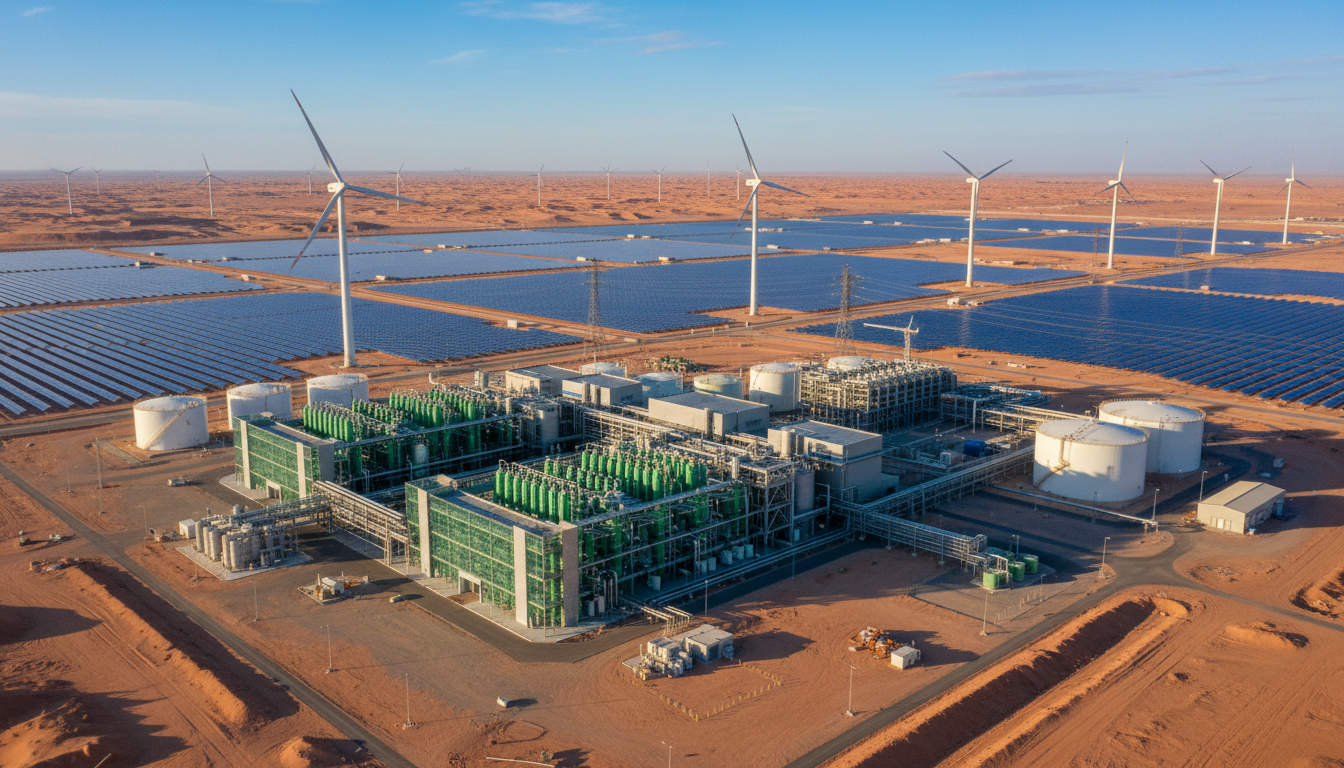
In the Saudi Arabian desert, the world’s largest green hydrogen plant is 80% complete and will use 4 gigawatts of solar and wind energy to produce 600 tons of clean fuel per day when it opens in 2027.
-
Instability in the energy market drives investments in renewables and starts the global race for the electric transition.

The Biogas and Biomethane Revolution
A significant distinction of this project is the pioneering use of vinasse, a byproduct of sugar cane, for the production of biogas and biomethane in the state of Rio de Janeiro. Additionally, the research team is evaluating the use of other agricultural substrates, broadening the project’s future prospects.
Frederico Paes, president of COAGRO, reinforces the cooperative’s trajectory by stating: “For two decades, Coagro has been dedicated to strengthening agribusiness, always with a focus on sustainability. This new agreement is a milestone on that path.”
The signed memorandum positions Porto do Açu as a vital infrastructure platform. In addition to promoting the consumption of biomethane at industrial facilities, it will be responsible for transportation and logistics. Meanwhile, ZEG Biogás will provide technological expertise and biofuel solutions, while COAGRO will supply the essential raw material.
João Braz, Chief Commercial Officer of Porto do Açu, highlights the port’s vision: “We are focused on making Porto Açu an epicenter for low-carbon projects, contributing to the energy transition. All of this becomes possible with the use of biomass from sugar cane.”
The partnership not only has the potential to revitalize sugar cane production in the region but also to solidify the area as a leader in renewable energy solutions. Eduardo Acquaviva, CEO of ZEG Biogás, shares the same enthusiasm, stating: “This partnership expands our horizons, solidifying our presence in the state of Rio de Janeiro.”
Recognizing the Major Entities
The Porto do Açu, a colossus in the northern region of Rio, stands out as the leading deep-water port complex in Latin America. Continually growing, the port is recognized as a key piece for energy transition in Brazil.
COAGRO, with two decades of existence, was born out of the need to save sugar cane production in the State of Rio de Janeiro. Today, it takes pride in its commitment to job creation, sustainability, and responsible production.
ZEG Biogás, an innovator in its sector, offers revolutionary solutions in the production and distribution of biogas and biomethane, always prioritizing sustainability and efficiency.
With this alliance, the future of biofuels and sugar cane production in Rio de Janeiro looks brighter than ever.
Source: Rafael Bolsoni Bastos.







Seja o primeiro a reagir!