





 Portuguese
  English
  Spanish
  4 min of reading
  0 comments


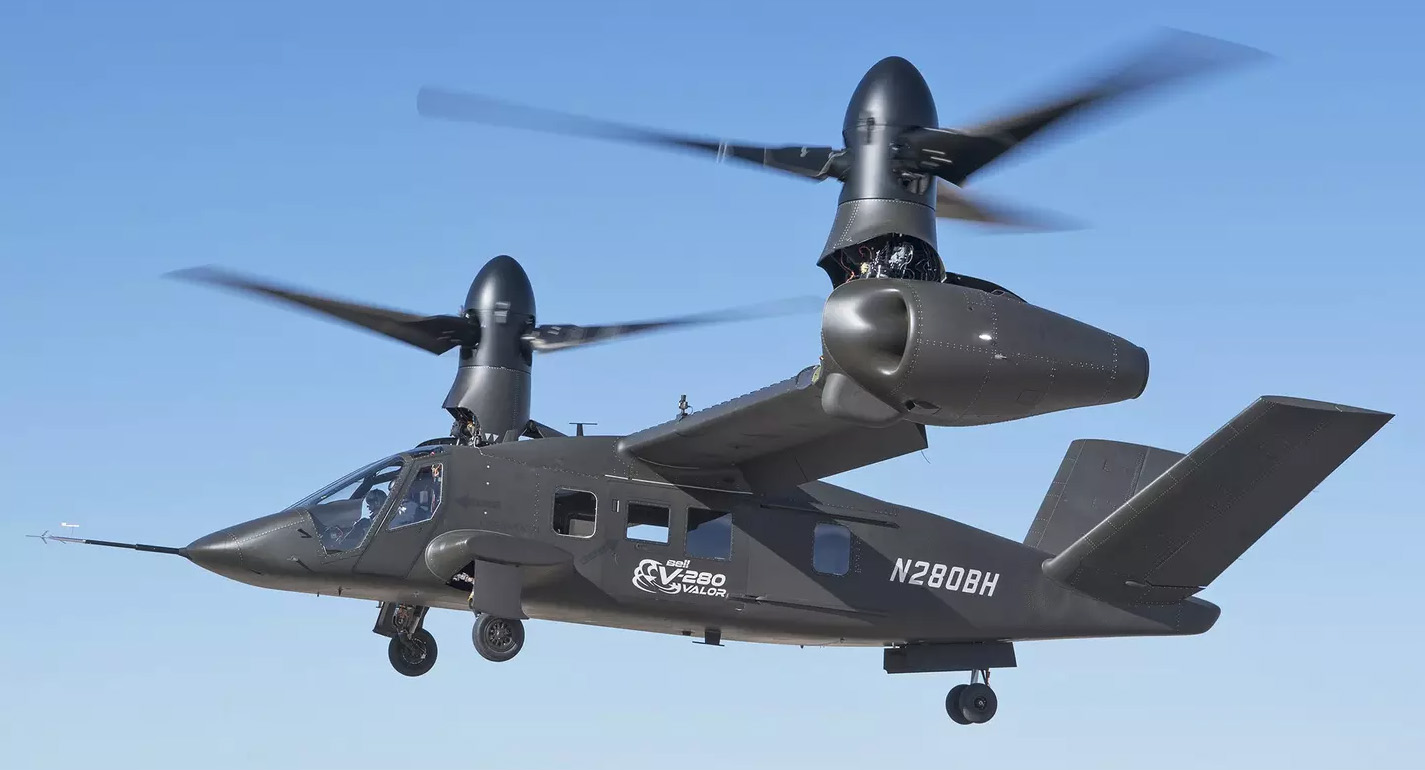
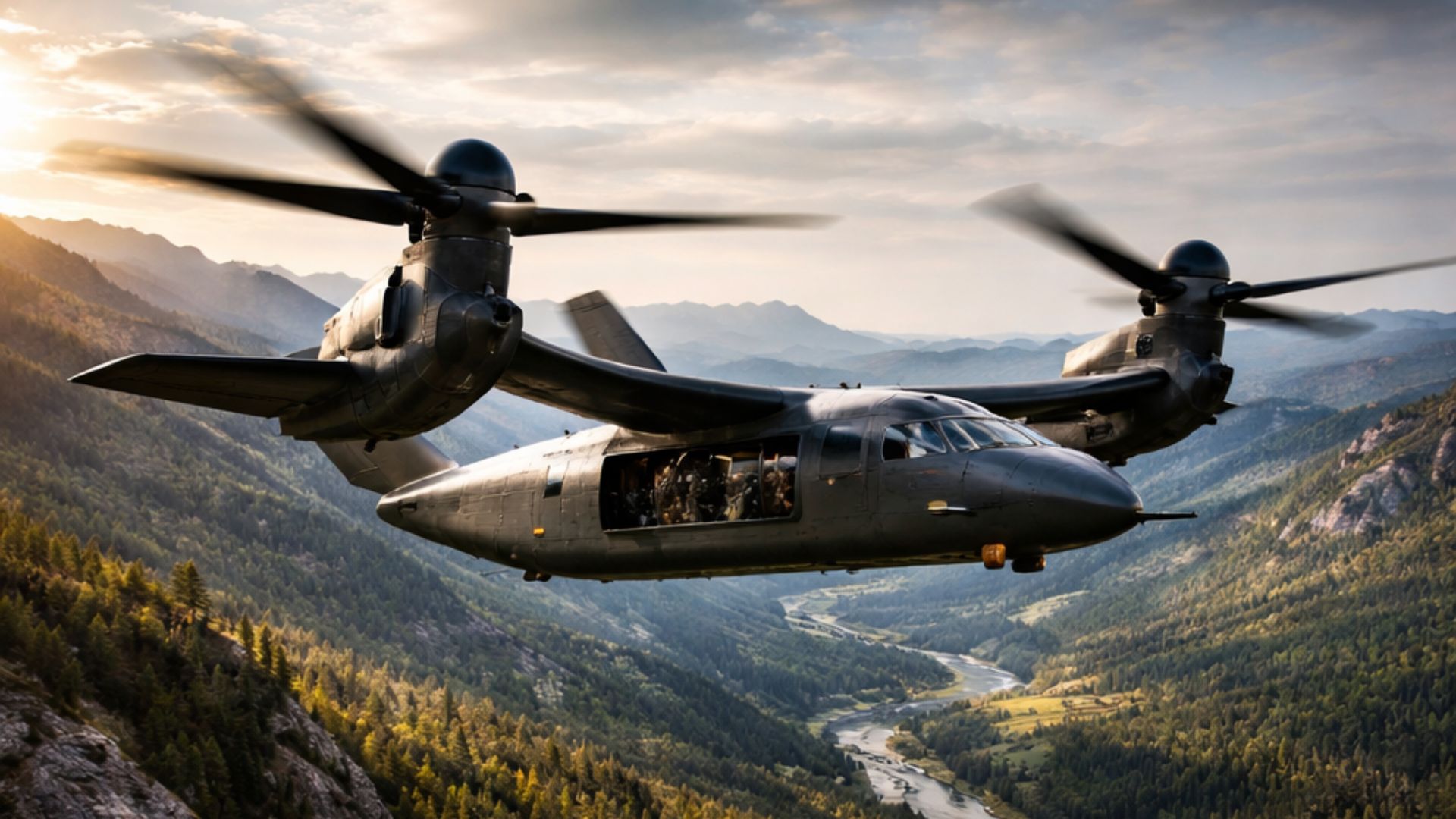
With Bold Design, Commercial Jet Speed, and Vertical Takeoff Capability, the Bell V-280 Valor Combines the Best of Both Worlds. Created to Replace the Legendary UH-60 Black Hawk, the New Tiltrotor Could Redefine Military Aviation Starting in 2030.
The Bell V-280 Valor is the aircraft developed by Bell Textron Inc. as part of the FVL – Future Vertical Lift program, an initiative of the United States Army to replace the Sikorsky UH-60 Black Hawk utility helicopters in the coming decades. Featuring a tiltrotor concept—technology that allows the tilting engines to rotate from vertical mode (like a helicopter) to horizontal mode (like an airplane)—the V-280 can take off and land vertically while reaching speeds exceeding 520 km/h in horizontal flight, something impossible for conventional helicopters.
Why Replace the UH-60 Black Hawk?
In service since 1979, the UH-60 Black Hawk has become synonymous with versatility in the U.S. Armed Forces and over 25 countries, including Brazil. With more than 2,300 active units in the U.S. Army alone, the model has already surpassed 40 years of operation.
Despite its robustness, the Black Hawk has limitations in speed, range, and modernization capability in the face of the demands of modern battlefields—dominated by technologies such as drones, electronic warfare, and the need for ultra-rapid response.
-
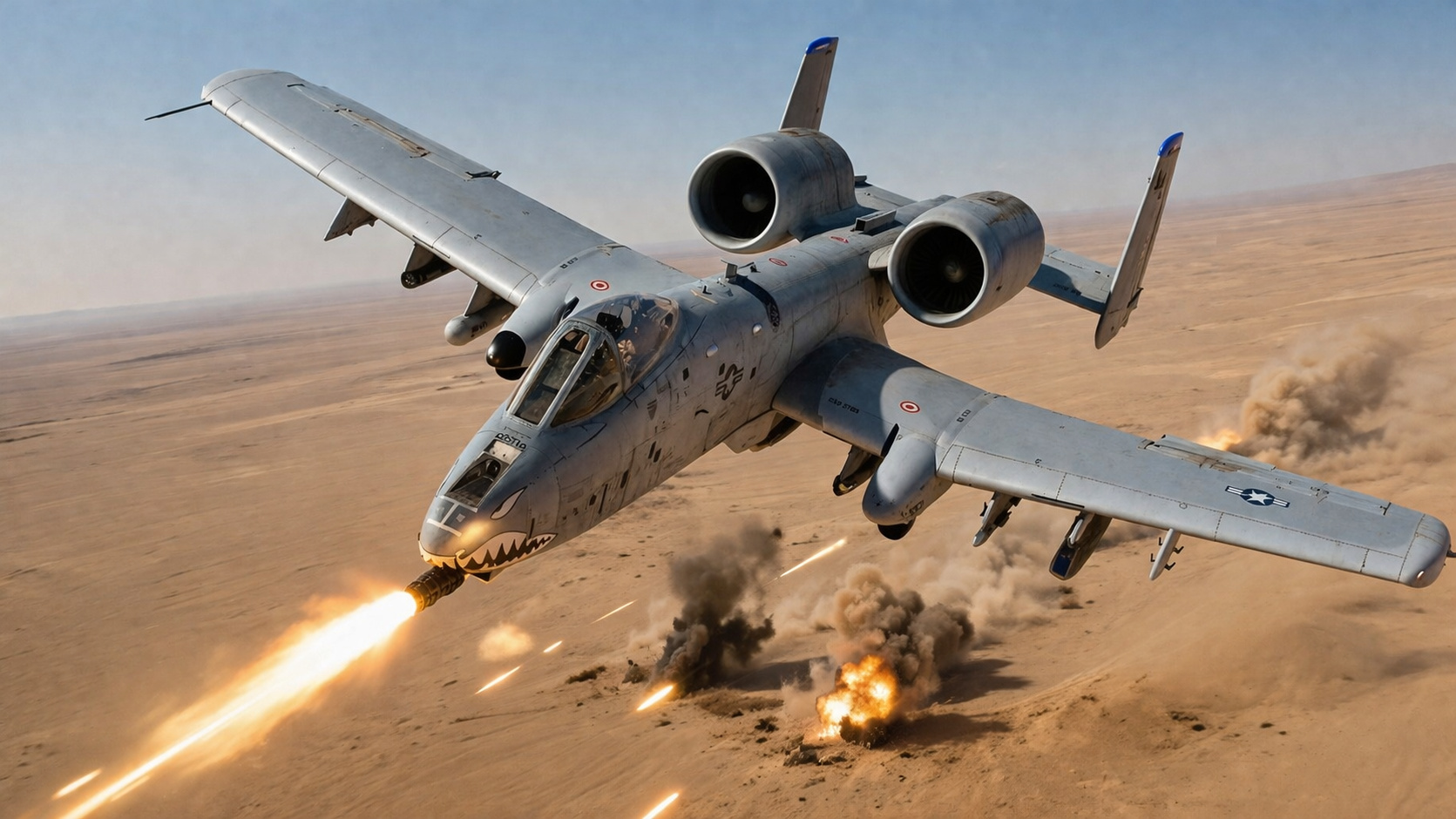
Few people know, but “mega burst” attacks from the A-10 in the Middle East are intriguing analysts and even experienced former pilots of the U.S. Air Force.
-
Manufactured in Brazil and exported to Saudi Arabia and Malaysia, the ASTROS system is renamed as Fogos in 2026, gaining AI, cruise missiles with a range of 300 km, and air defense costing R$ 3.4 billion, transforming a launcher from the 1980s into the most ambitious multidomain platform in Latin America.
-
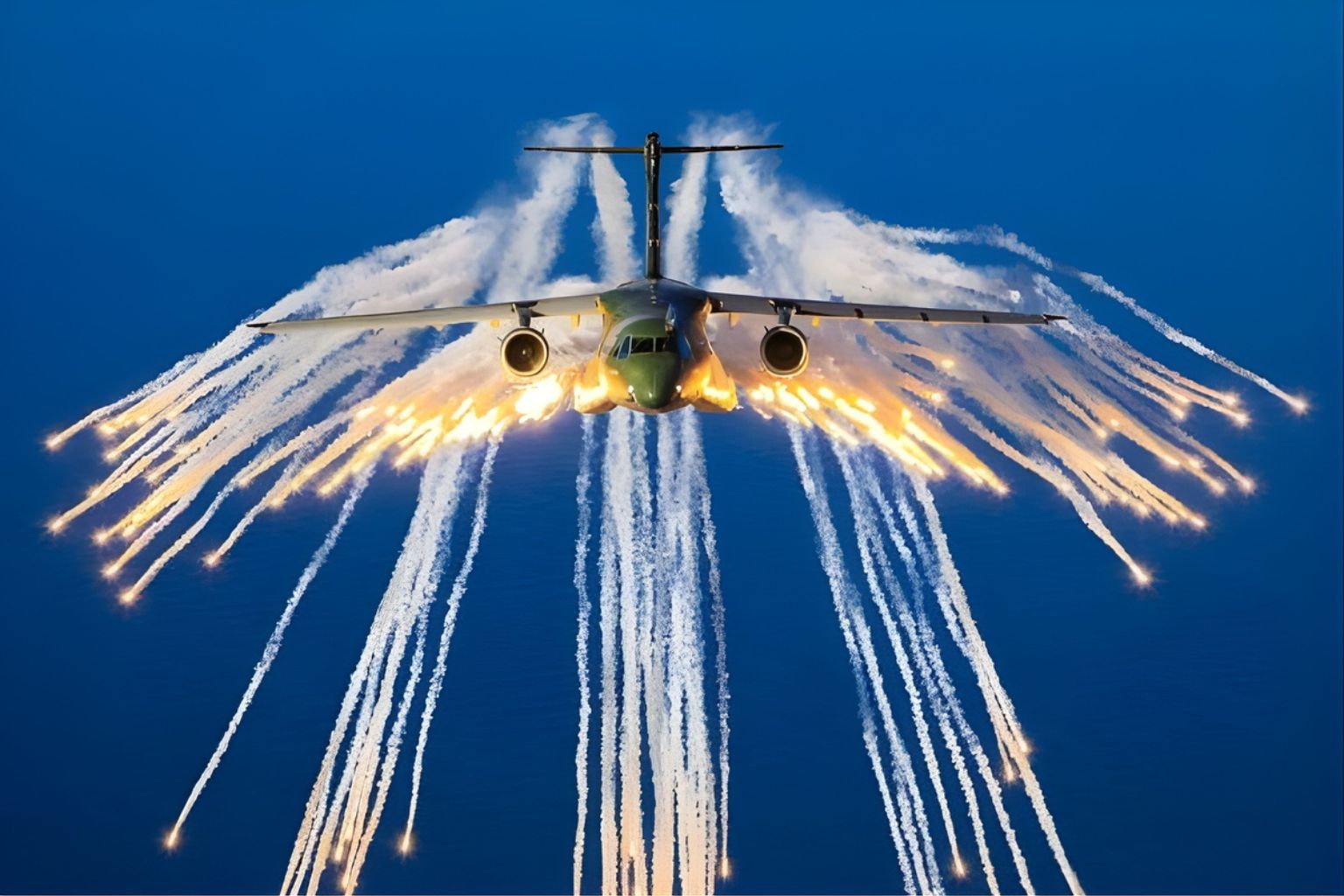
The largest military aircraft ever produced in Brazil, the KC-390 Millennium can carry up to 26 tons, refuel fighter jets in flight, and has already been exported to Europe and Asia, placing the country in the select group that designs and sells large military aircraft worldwide.
-
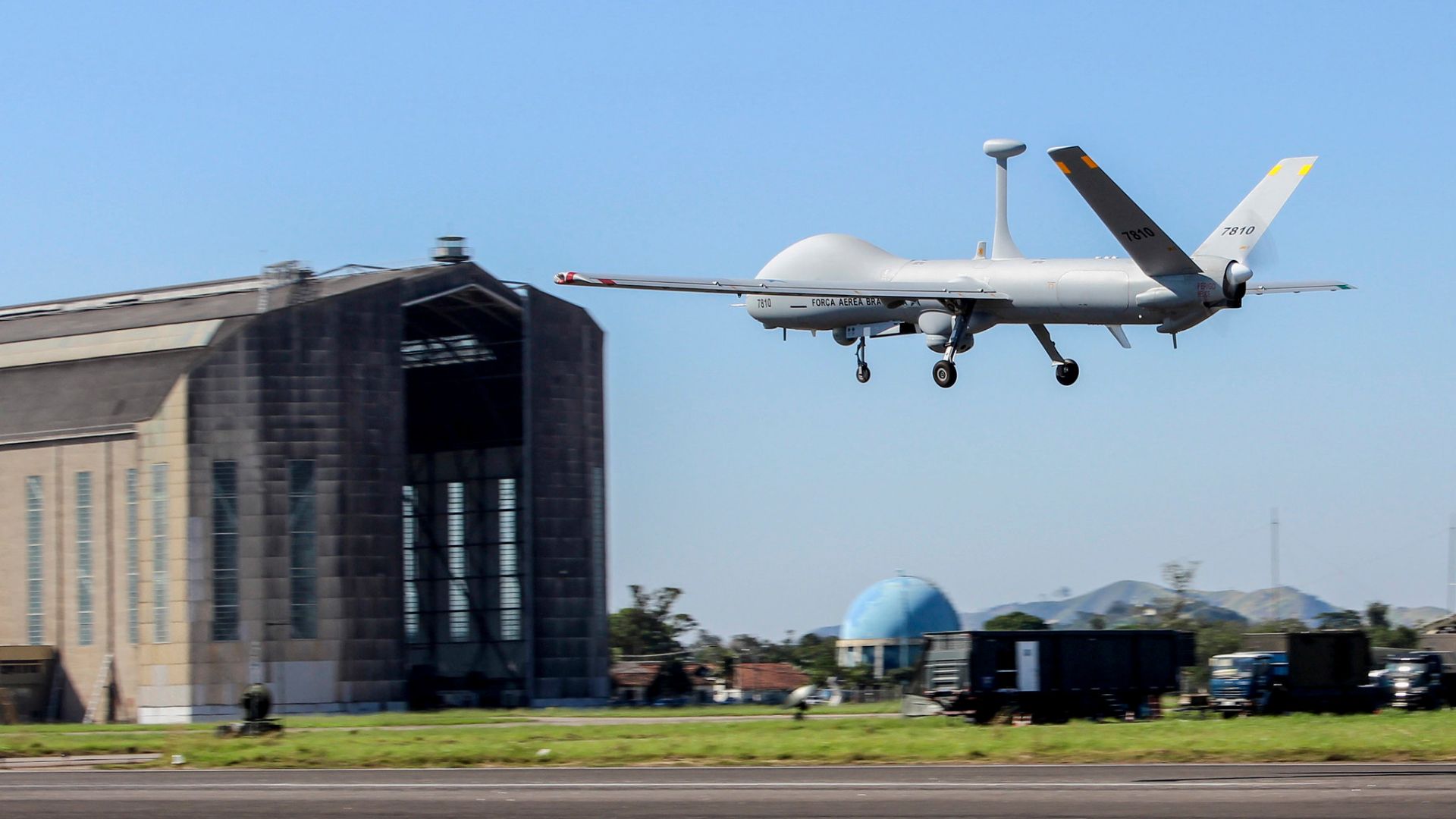
FAB loses Hermes 900 drone during multinational exercise in Mato Grosso do Sul and is left with only one active aircraft, raising concerns about operational fragility and strategic response capability.

The Bell V-280 emerges as a technological solution that combines tactical mobility with strategic range, designed to meet future conflict scenarios.
Key Features of the V-280 Valor
| Feature | Bell V-280 Valor |
|---|---|
| Aircraft Type | Tiltrotor (tilting engines) |
| Cruise Speed | Approximately 520 km/h |
| Projected Maximum Speed | Up to 560 km/h |
| Operational Range | Up to 3,800 km |
| Cargo Capacity | Up to 14 troops or 2.5 tons |
| Crew | 4 (2 pilots, 2 auxiliary crew members) |
| Takeoff/Landing Type | Vertical (like a helicopter) |
| Project Start | 2012 |
| First Flight | December 2017 |
| Expected Start of Production | From 2025–2030 (FVL) |
Tiltrotor Technology: The Secret of Speed


The main innovation of the Bell V-280 Valor lies in the use of tiltable engines (tiltrotors), a technology already seen in the V-22 Osprey, but now with significant advancements in lightness, aerodynamics, and stability.
The engines position themselves vertically during takeoff and landing, as in a traditional helicopter. In flight, they tilt forward, transforming the V-280 into a true airplane with rotary wings.
This allows the V-280 to achieve double the speed and triple the range of the UH-60 Black Hawk, while maintaining the capability to operate in areas without landing strips or military infrastructure.
A Logistic and Tactical Leap
By achieving speeds close to those of a commercial jet and offering transcontinental range, the V-280 Valor provides the U.S. Army with rapid force projection capability, essential in asymmetric conflict scenarios and in response to international crises.
In medical evacuation (MEDEVAC) missions, response time will be significantly reduced. In air assault operations, troops can be inserted with greater speed and safety, reducing exposure to enemy fire.
Additionally, the V-280 is designed to be compatible with transport aircraft like the C-17, facilitating its deployment to global war theaters.
Development and Historical Milestones
- 2012: Project commencement by Bell in response to the U.S. Army’s FVL program
- 2015: Completion of the first prototype assembly
- 2017: First flight test, successfully
- 2018–2022: Over 200 flight hours tested, including combat simulations and operations in varied terrains
- 2022: The V-280 is chosen as the winner of the FLRAA (Future Long-Range Assault Aircraft) competition
- 2025–2030: Expected large-scale production and entry into active service
The U.S. Army’s Choice: Victory Over Sikorsky-Boeing
The U.S. Army’s final decision in favor of the V-280 was not easy. The main competitor was a partnership between Sikorsky and Boeing, which proposed a helicopter model with coaxial rotors (the Defiant X).
The choice of the V-280 Valor was based on:
- Better performance in speed, range, and altitude tests
- Lower mechanical complexity
- Lower operational and maintenance costs
- Ease of integration with modern digital systems and sensors
The V-280 also impressed with its agility in flight and stability in combat environments, being considered more adaptable to future challenges.
Geopolitical Implications: New Standard for Allied Forces?
With the adoption of the V-280 by the U.S. Armed Forces, it is possible that strategic allies such as the United Kingdom, Japan, South Korea, and Brazil will also consider the aircraft as a replacement for their conventional helicopters.
Standardizing a multi-role tiltrotor could facilitate joint missions, sharing of parts, and integrated training, strengthening military alliances under NATO and in multinational coalitions.
Bell V-280 in Brazil: A Real Possibility?
Although Brazil operates the UH-60 Black Hawk through the FAB and the Army, replacing it with a model like the V-280 will still depend on budgetary and strategic issues.
However, Brazil’s history of operating U.S. equipment and Bell Helicopter’s presence in the Latin American market indicate that a potential future purchase is not ruled out—especially if there is external military funding or industrial cooperation.
Comparison: V-280 Valor vs. UH-60 Black Hawk
| Specification | V-280 Valor | UH-60 Black Hawk |
|---|---|---|
| Maximum Speed | 560 km/h | 296 km/h |
| Range | 3,800 km | 600 km |
| Cargo Capacity | 14 Soldiers | 11 Soldiers |
| Type of Flight | Tiltrotor (airplane) | Conventional Helicopter |
| Service Start | Expected for 2030 | In operation since 1979 |
The V-280 outperforms the UH-60 in all critical mission aspects, without sacrificing vertical landing capability or insertion in confined environments.









Seja o primeiro a reagir!