





 Portuguese
  English
  Spanish
  4 min of reading
  2 comments


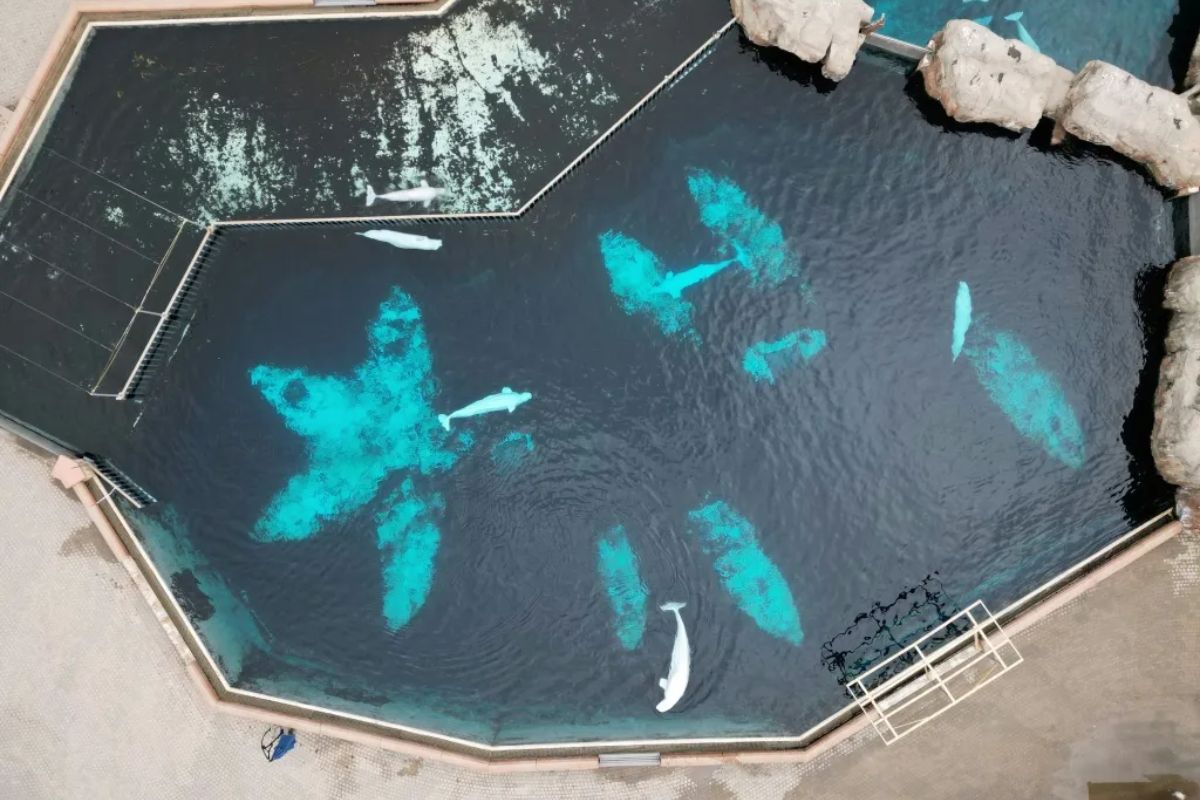


With Marineland Closed to the Public in Niagara Falls, 30 Belugas and Four Dolphins Remain in Deactivated Tanks While the Company Seeks Permission to Export the Animals to the U.S. After Canada Denied Shipment to China and Admits to Having a Euthanasia Plan If the Request Is Rejected.
The belugas have returned to the center of an international dispute after Marineland, an amusement park and zoo in Niagara Falls, Ontario, began seeking authorizations to sell its animals to institutions in the United States. The case involves 30 belugas and four dolphins kept in deactivated tanks, with the future of the cetaceans depending on regulatory and political decisions.
The new move comes after the Canadian government denied a previous request made in 2025 to export the belugas to a park in China. The combination of the veto, closure of the park, and the threat of euthanasia reignited the global debate about captivity, animal welfare, and the fate of cetaceans kept in enclosed structures.
Where It All Started and Why the Case Exploded Now

Marineland has been cited as one of the most controversial episodes related to cetaceans in captivity in Canada.
-
The village where two rivers run side by side without mixing in Santarém and Alter do Chão reveals some of the most beautiful freshwater beaches on the planet.
-
Brazil’s nuclear submarine with a speed 5 times greater than normal advances after nearly 50 years and R$ 40 billion spent.
-
A Brazilian island charges R$ 0.50 to receive visitors and prohibits any new residents.
-
Why was the Great Wall of China built? The truth that many are unaware of!


According to information released by authorities and the international press, the park threatened to euthanize dozens of belugas if it did not receive financial support, raising public and institutional pressure regarding the fate of these animals.
Now, with the park already closed to the public and having sold attractions, the situation has become even more delicate: the belugas remain on site, but the operation has entered a limbo phase, where the main issue has shifted from display to transfer, export, and final destination.
What Marineland Says It Wants to Do with the Belugas

Representatives from Marineland reportedly met recently with federal authorities to present new export permit requests.
The goal is to send the belugas to various institutions in the United States, including aquariums and marine parks that could take them in.
The request is based on the idea of relocating the animals to other destinations outside Canada.
The critical point is that it’s not just about transportation, but a decision that redefines the kind of life these belugas will have after decades in captivity.
Why Canada Blocked the Export to China in 2025
In 2025, Marineland applied for authorization to send the cetaceans to Chimelong Ocean Kingdom in China.
The then Minister of Fisheries in Canada denied the request and justified that transferring them to an entertainment park would perpetuate life in captivity and would violate Canadian law which restricts such practices.
This veto became a turning point because it made it clear that the discussion was not just bureaucratic.
It was also political and ethical: where is it allowed to send belugas when the country has already decided to limit the logic of entertainment with cetaceans.
The Threat of Euthanasia and the Immediate Effect on Public Debate
According to reports about the conversations with the government, Marineland also indicated that it has a euthanasia plan prepared in case the new export request is rejected.
This information heightened the tension of the case by placing an ultimatum at the center of the negotiation.
In practice, the deadlock creates two pressures at the same time: on one hand, the search for a quick exit for the animals; on the other, the risk that the chosen solution keeps belugas trapped in the same logic of captivity that Canada tried to restrict.
The Canadian Law of 2019 and What It Allows in Practice
The case unfolds under the Ending the Captivity of Whales and Dolphins Act, passed in 2019.
It prohibits the capture and keeping of cetaceans in captivity for entertainment, but allows animals that were already in facilities before the law to remain under certain conditions.
This rule is central to understanding Marineland: the park fought against the legislation and began to face obligations that directly affected its operation, such as ending displays and preventing the breeding of these animals.
At the same time, the existence of cetaceans already held before the law keeps the dispute open about what is an acceptable “end of the line” for belugas that were born and lived in captivity for decades.
What Is at Stake for the Belugas Trapped in Deactivated Tanks

Belugas are described as native Arctic animals, and the group maintained by the park includes individuals born in captivity over decades.
With Marineland closed to the public, the focus shifts to the post-entertainment phase: where do these cetaceans go when the showcase closes, but the tanks continue to exist?
The outcome depends on export permits and how authorities will interpret the 2019 law in light of the new requests.
At the center of it all, the belugas remain, whose fate has come to symbolize a broader debate: what to do with cetaceans “inherited” by facilities that no longer exhibit but still keep animals alive in enclosed structures?
Do you think that the solution for these belugas should be their export to institutions in the U.S., or should Canada seek another solution to prevent them from remaining in captivity?








O Canadá criou a lei depois que o parque existia e os animais já estavam lá. Então o governo canadense é o principal responsável pelo futuro dos animais. O governo canadense deve assumir o cuidado dos anjos ou, no mínimo, subsidiar o cuidado deles e uma transição ao ambiente natural, na medida do possível.
DO NOT KILL THEM!!!! IS REHABILITATION INTO THE WILD NOT POSSIBLE? THERE HAS TO BE A WAY TO DO THAT. LET THE REMAINING ANIMALS BE THE BASE FAMILY POD AND START TEACHING THEM. THEY DONT DESERVE TO BE KILLED BECAUSE OUR GOVERNMENTS CANT DECIDE WHAT TO DO WITH THEM.