





 English
  Francês
  Alemão
  Italiano
  Japonês
  Norueguês
  Portuguese
  Spanish
 3 min of reading


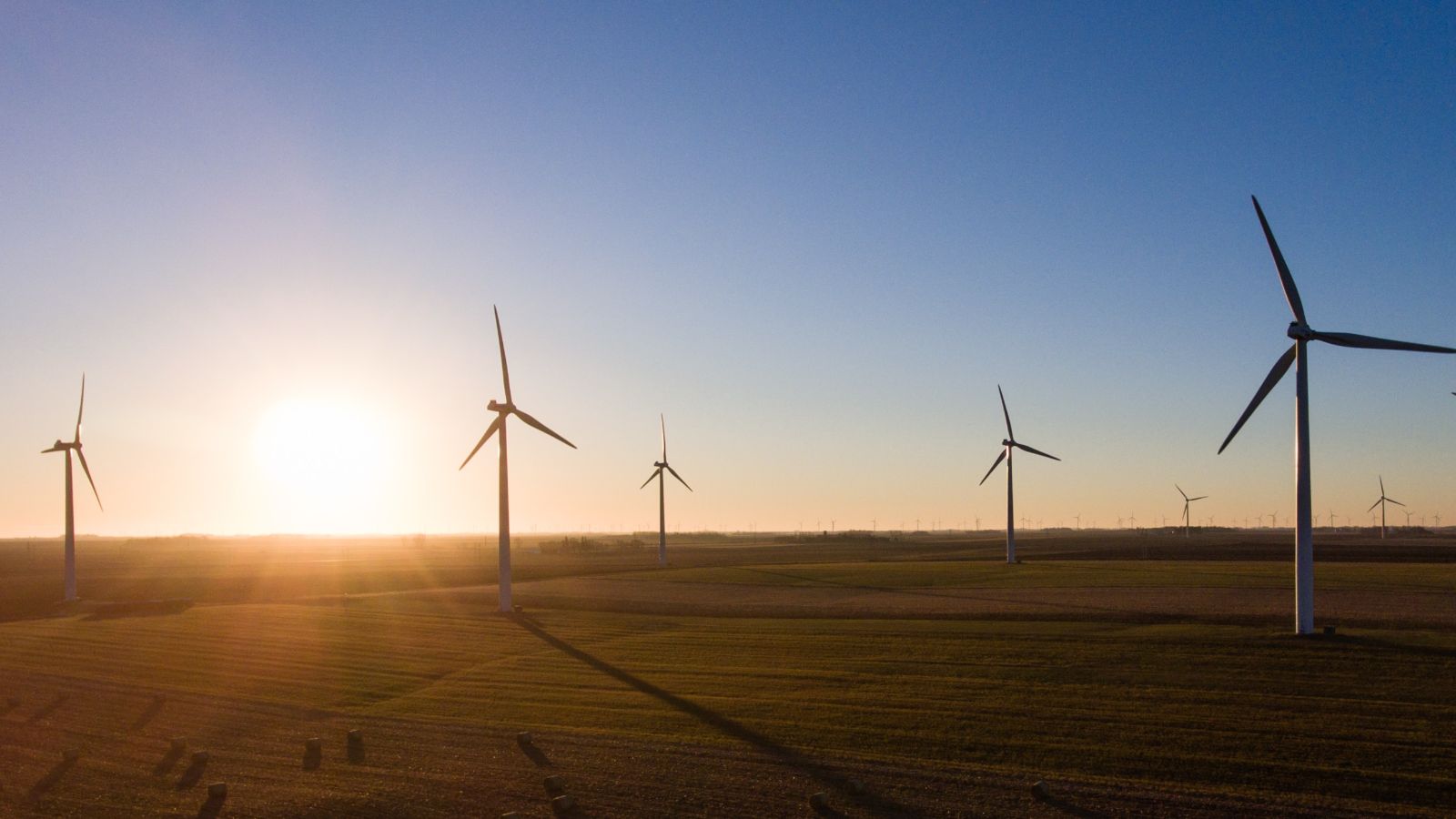
The Wind Farms of the Northeast, Especially in Rio Grande do Norte, Were Considered “Oases of Wind for the World” in Analysis by the SENAI Institute of Innovation in Renewable Energies (ISI-ER)
The capacity of the onshore wind farms in Brazil’s Northeast surpassed the total of seven European countries in 2021, according to an analysis by the SENAI Institute of Innovation in Renewable Energies (ISI-ER). The analysis was conducted through comparisons between data from the National Electric Energy Agency (Aneel) and a report released by WindEurope at the end of February. The production of the wind farms in Rio Grande do Norte managed to exceed the production of wind farms in 12 European countries individually.
Read Also:
- Largest Renewable Energy Generator in Brazil, Omega Energia, Signs Purchase of Entire Assuruá Complex in Bahia, with Expected Earnings of 380 Million Reais to the Company’s EBITDA
- Casa dos Ventos Plans to Become the Largest Renewable Energy Company in Brazil by Investing R$ 30 Billion and Expanding Wind and Solar Energy Projects
- Weg Company Presents Good Wind Energy Projections for This Year and Strong Presence in the International Market
According to data released by Aneel, 3.7 Gigawatts (GW) were released last year for commercial operation in wind farms in Brazil, in the states of Bahia, Ceará, Paraíba, Pernambuco, Piauí, and Rio Grande do Norte. In comparison, the total of the European countries (Denmark, Spain, Finland, Norway, Poland, the United Kingdom, and Ukraine) released 3.6 GW in 2021.
Rio Grande do Norte produced 40.54% of the national total, with 1.5 GW released in 2021. This amount already surpasses that of 12 European countries individually, being exceeded only by Germany (1.9 GW) and Sweden (2.1 GW), according to ISI-ER’s analysis. According to Amaro Sales de Araújo, president of the FIERN System, Rio Grande do Norte stands out at the national and global levels in clean energy production, bringing great possibilities in its energy matrix, between solar and wind, to become the largest energy producer in the world. According to Sales, the expectation is that a large amount of energy can increasingly contribute to the development of Rio Grande do Norte and Brazil.
-
With 160,000 m² of collectors, an area larger than 20 football fields, Silkeborg, in Denmark, hosts a solar thermal plant that heats 19,500 homes and could become the largest solar heating plant in the world.

-
A study reveals the expansion of renewable energy procurement in Brazil and shows how companies are taking advantage of opportunities to reduce expenses, ensure energy efficiency, and strengthen strategic environmental commitments.

-
Mato Grosso do Sul excels in the sugar-energy sector: the state reaches a milestone of 22 operating mills and accelerates the production of clean energy in MS with a focus on sustainability.

-
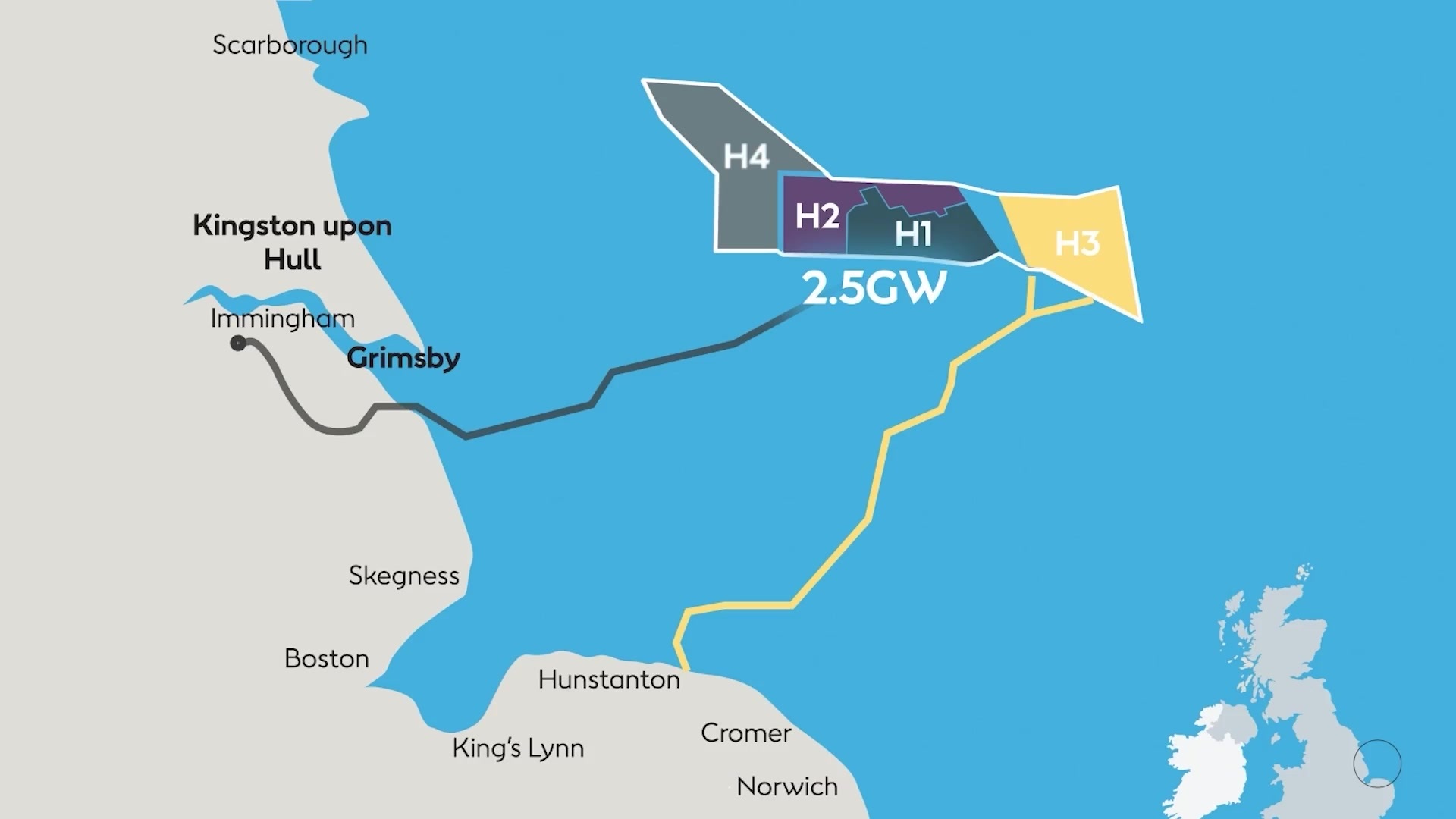
231 turbines of 260 meters at 160 km from the coast, monopiles weighing as much as nine blue whales embedded in the North Sea, and a crane ship taller than the Eiffel Tower: Hornsea 3 will be the largest offshore wind farm on the planet by 2027, and its first components have already arrived in England.

According to Agora RN, a total of 17.4 GW of wind farms were installed in Europe last year, with 14 GW onshore and 3.4 GW in offshore wind farms – an investment front for which initial projects are awaiting licensing in Brazil, with Rio Grande do Norte being considered one of the most promising areas for investments.
Sales also adds that the analyses conducted by ISI-ER and confirmed by recognized institutions worldwide increase the credibility of Rio Grande do Norte’s attractiveness.
Strategic Position of Rio Grande do Norte
According to Rodrigo Mello, director of ISI-ER, the strategic position of Brazil and Rio Grande do Norte, already recognized worldwide, is reinforced by the globe. Rodrigo notes that Brazil, and particularly the Brazilian Northeast in the case of wind energy, is increasingly characterized as one of the main hubs for clean energy production. He adds that the world is facing an energy problem and undoubtedly the expansion of international energy availability goes through Brazilian Northeast, through clean energy.
Furthermore, Rodrigo mentions the war between Russia and Ukraine, which reflects in the energy sector, from the soaring gas prices to the Russian threat to cut energy supply to the European continent, aiming to respond to Western markets that suspended imports from Russia, especially oil and gas.
“This Eastern European conflict has as one of its main characteristics the energy motivation, the energy supply of Europe. So it is clear to society how strategic this issue is and that inevitably Brazil will play an important role in the international energy solution,” analyzes the director of ISI-ER.





Seja o primeiro a reagir!