





 Portuguese
  English
  Spanish
  3 min of reading
  0 comments


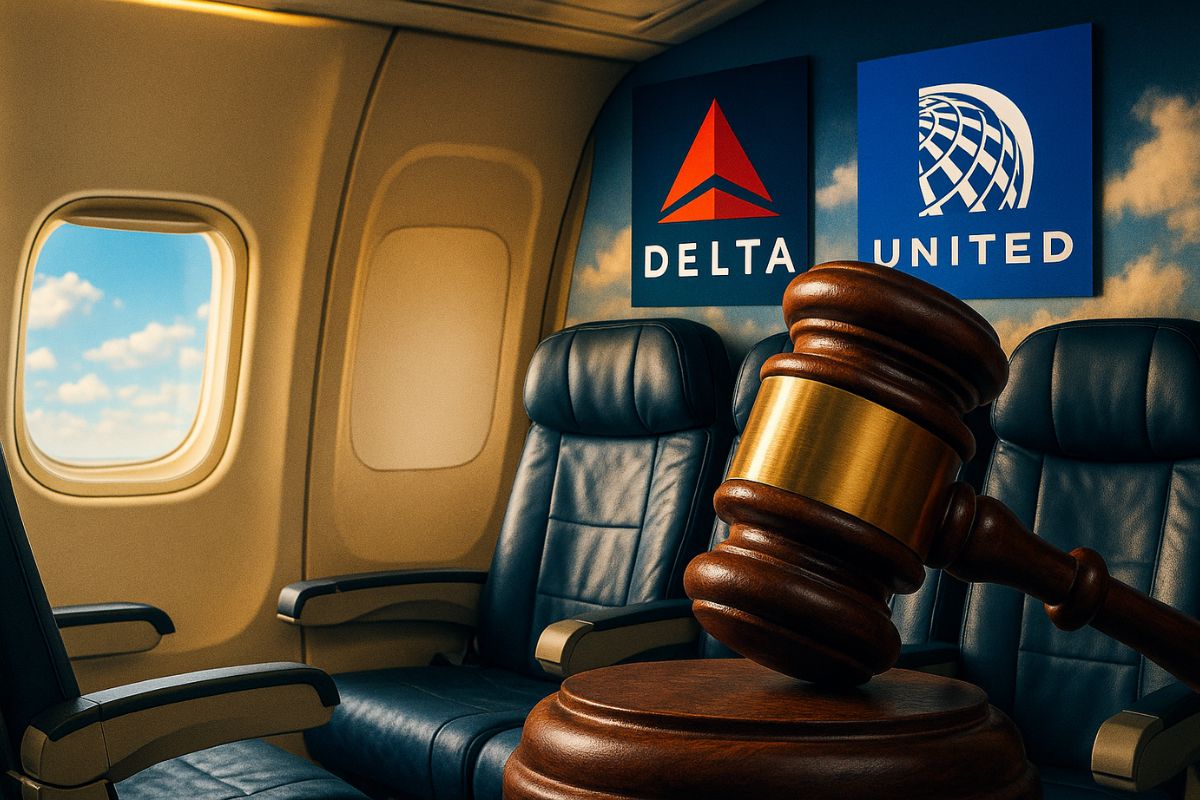
Passengers Sue Airlines for Selling Window Seats Without Windows. Delta and United Face Class Action Lawsuits After Customers Claim Extra Charges for Premium Seats That Did Not Have Outside Views.
A growing group of consumers has turned to the courts after discovering that passengers sue airlines for selling seats supposedly “by the window” that, in practice, had no window at all. The case directly involves two giants in the industry: Delta Air Lines and United Airlines, accused of charging additional fees for seats without the feature justifying the higher price.
According to The New York Times, class action lawsuits have been filed in federal courts in the United States, seeking damages that could affect more than 1 million passengers at each airline. The lawsuits claim that the practice constitutes false advertising and harmed consumers who paid for a nonexistent benefit.
Who Is Suing and Where Is It Happening
The class action lawsuits demonstrating how passengers sue airlines were filed against United in the federal court in San Francisco and against Delta in the federal court in Brooklyn, New York. The central accusation is that seats were sold as “window seats,” even on aircraft where the physical structure prevented the presence of a side opening.
-
Two colored cubes of 2.5 m transform a public bathroom into a selfie spot in Western Australia, costing up to 75% less than traditional construction and helping to reduce vandalism in public spaces.
-
Santa Catarina produces up to 7 times more than it consumes in some sectors, and its century-old industries founded by grandparents and great-grandparents now compete on equal footing with Germany and the United States in the international market.

-
U.S. war giant weighing 9,600 tons and equipped with long-range missiles is sent to the Atlantic to protect global internet and hunt submarines.
-
Storms on Jupiter are up to 100 times more powerful than on Earth and reveal extreme phenomena that challenge everything we know about weather.


Models such as Boeing 737, Boeing 757, and Airbus A321 often have rows with spaces occupied by air conditioning ducts, electrical conduits, and other technical components. In these cases, despite occupying the window position, the seats only provide a view of a wall.
How Much More Did Passengers Pay
According to the documents, the reason why passengers sue airlines is directly linked to the extra charges imposed. Delta passengers report charges of up to US$ 70 more for a window seat on domestic flights, while United customers paid between US$ 50 and US$ 100 on international flights to secure the same type of seat.
These amounts were considered premium fares, based on the expectation of an outside view. However, the absence of notice during the purchase led customers to believe they were paying for a product that did not actually exist.
Why Are Airlines Being Accused
The reason why passengers sue airlines is not just the absence of windows but the lack of transparency in the selling process. According to lawyers, companies like Alaska Airlines and American Airlines already identify these seats as “windowless” during the selection process, avoiding misunderstandings.
Attorney Carter Greenbaum from Greenbaum Olbrantz LLP stated to The New York Times that they are “seeking to hold United and Delta accountable for charging premium prices from customers for products they did not deliver and for misleadingly representing the nature of the products they delivered.”
Is It Worth Paying More for a Window Seat?
With the cases in which passengers sue airlines, the question arises about the real value of paying extra for specific seats. For some travelers, the external view provides comfort, natural light, and a sense of spaciousness, justifying the additional fare. For others, the practice seems increasingly like a tactic to boost company revenue.
Consumer advocates point out that the central issue is not just the price, but the obligation of airlines to accurately inform the product offered. The absence of this transparency could set precedents for new lawsuits in other markets.
The episode in which passengers sue airlines such as Delta and United shows how apparently simple details can lead to million-dollar disputes. Charging for a window seat that does not offer an outside view calls into question the trust between businesses and customers.
And you, would you pay more to travel by the window even without a guarantee of having one? Do you think airlines should be required to signal these seats? Leave your opinion in the comments and tell us if you have ever experienced a similar situation.







Seja o primeiro a reagir!