





 Portuguese
  English
  Spanish
  7 min of reading
  0 comments


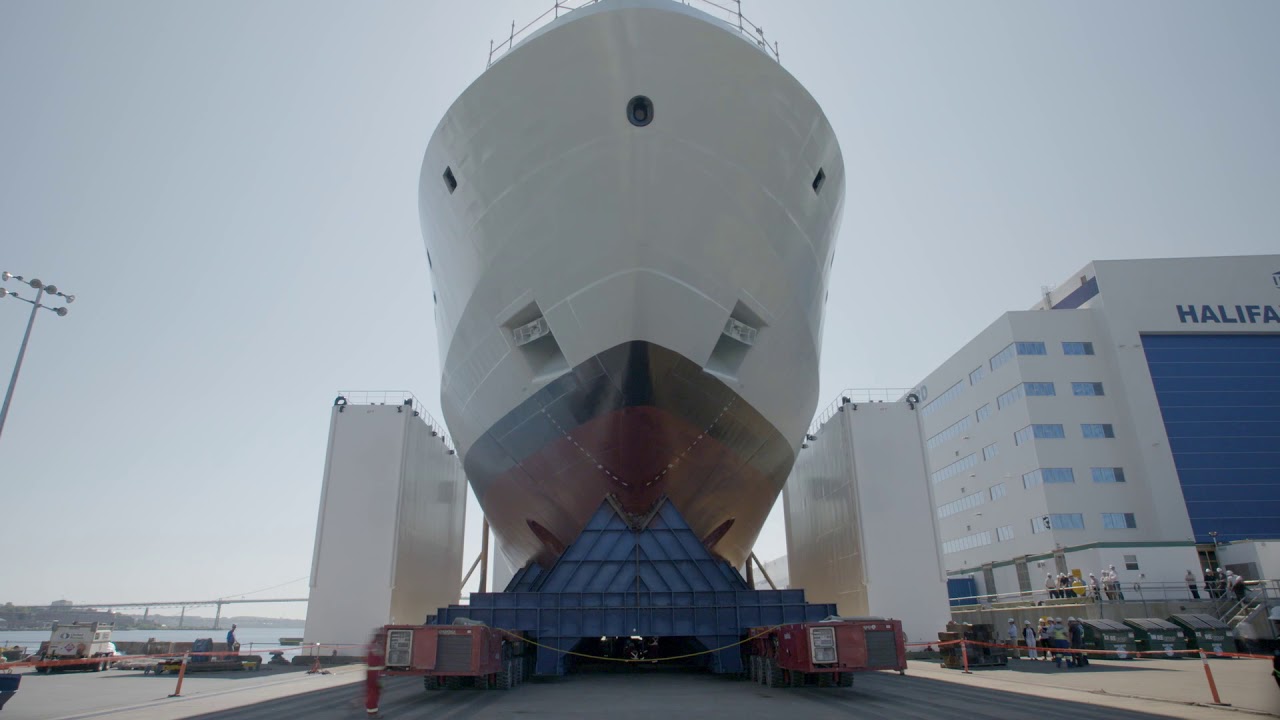
HMCS Harry DeWolf Patrols The Canadian Arctic And The Northwest Passage With Polar Class 5 Hull, 120-Day Range, And Capacity To Operate In 1.2-Meter Ice, Becoming Central To Canada’s Strategy To Protect A Maritime Route That Can Shorten Global Trade By 7,000 Km Between Asia And Europe.
HMCS Harry DeWolf: The Military Ship Designed To Patrol The Northwest Passage And Ensure Canadian Sovereignty In The Arctic: For decades, the Northwest Passage, a complex labyrinth of channels among the Canadian Arctic islands, was deemed irrelevant from a military standpoint. The route was blocked by ice for most of the year and mainly attracted explorers, scientists, and adventurers rather than admirals or naval strategists. This scenario began to change rapidly in the early 21st century. Global warming and the retreat of Arctic sea ice have gradually transformed the region into a navigable route during the summer months. Since 2007, satellites and climate measurements have indicated increasingly long periods of ice melt in the area.
In 2023, approximately two dozen commercial and research vessels managed to transit through the Northwest Passage, setting a historic traffic record. In 2024, the number of crossings was similar. Climate models indicate that, by the 2030s, conventional commercial ships will be able to navigate parts of the Arctic during the summer without the need for icebreaker escorts. This sudden geographical transformation has created a new strategic challenge for Canada: to patrol and control a maritime route that has been virtually inaccessible for centuries.
The Canadian Arctic Patrol Vessel Project Took Almost A Decade To Come To Fruition
The Canadian government recognized the strategic impact of climate change even before having the adequate military means to respond. In 2007, Ottawa announced the intention to acquire between six and eight ice-capable patrol vessels for the Royal Canadian Navy. The goal was clear: to ensure Canada’s sovereignty over the Northwest Passage at a time when melting ice was transforming the route into a global maritime corridor of interest.
-
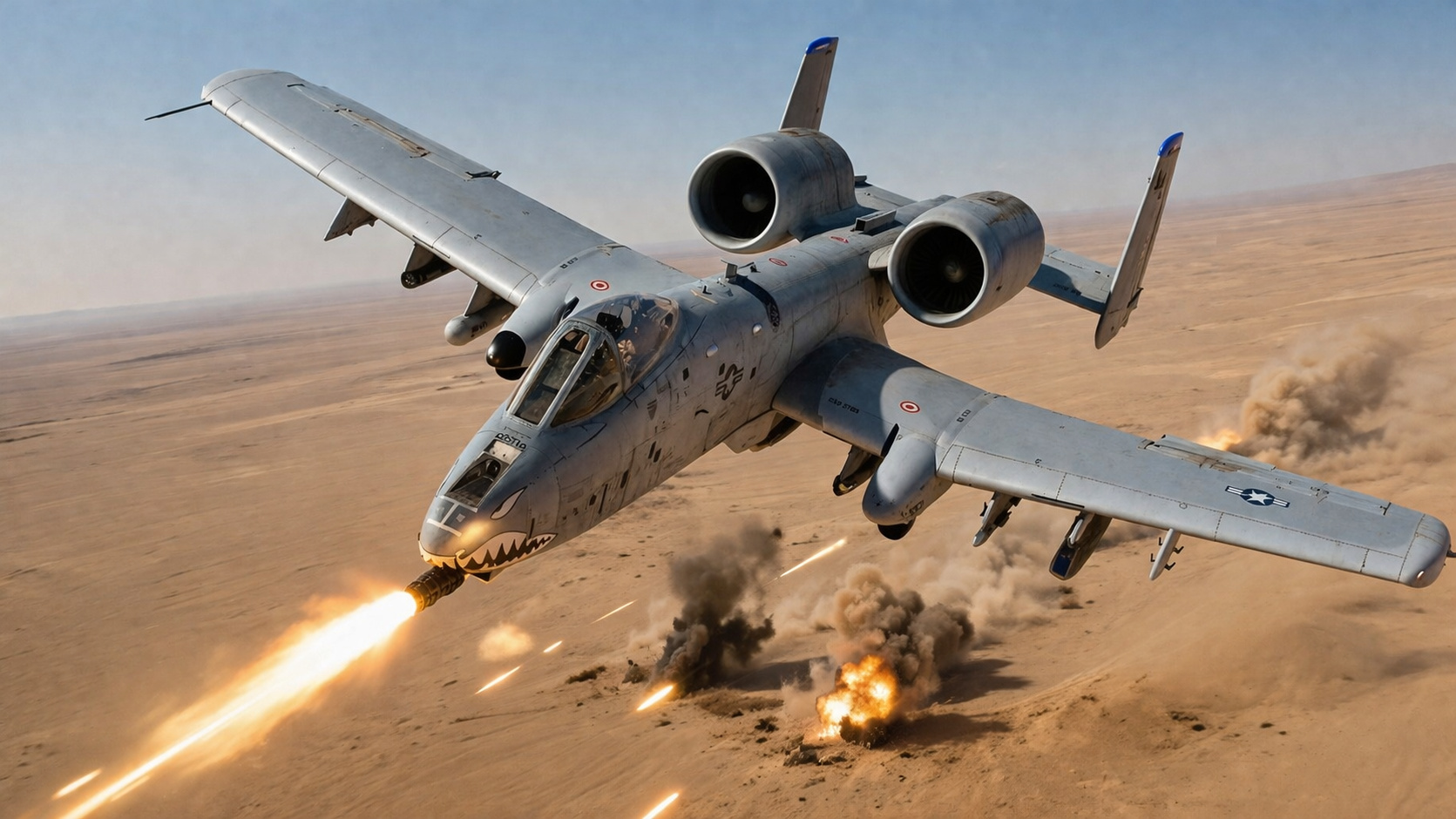
Few people know, but “mega burst” attacks from the A-10 in the Middle East are intriguing analysts and even experienced former pilots of the U.S. Air Force.
-
Manufactured in Brazil and exported to Saudi Arabia and Malaysia, the ASTROS system is renamed as Fogos in 2026, gaining AI, cruise missiles with a range of 300 km, and air defense costing R$ 3.4 billion, transforming a launcher from the 1980s into the most ambitious multidomain platform in Latin America.
-
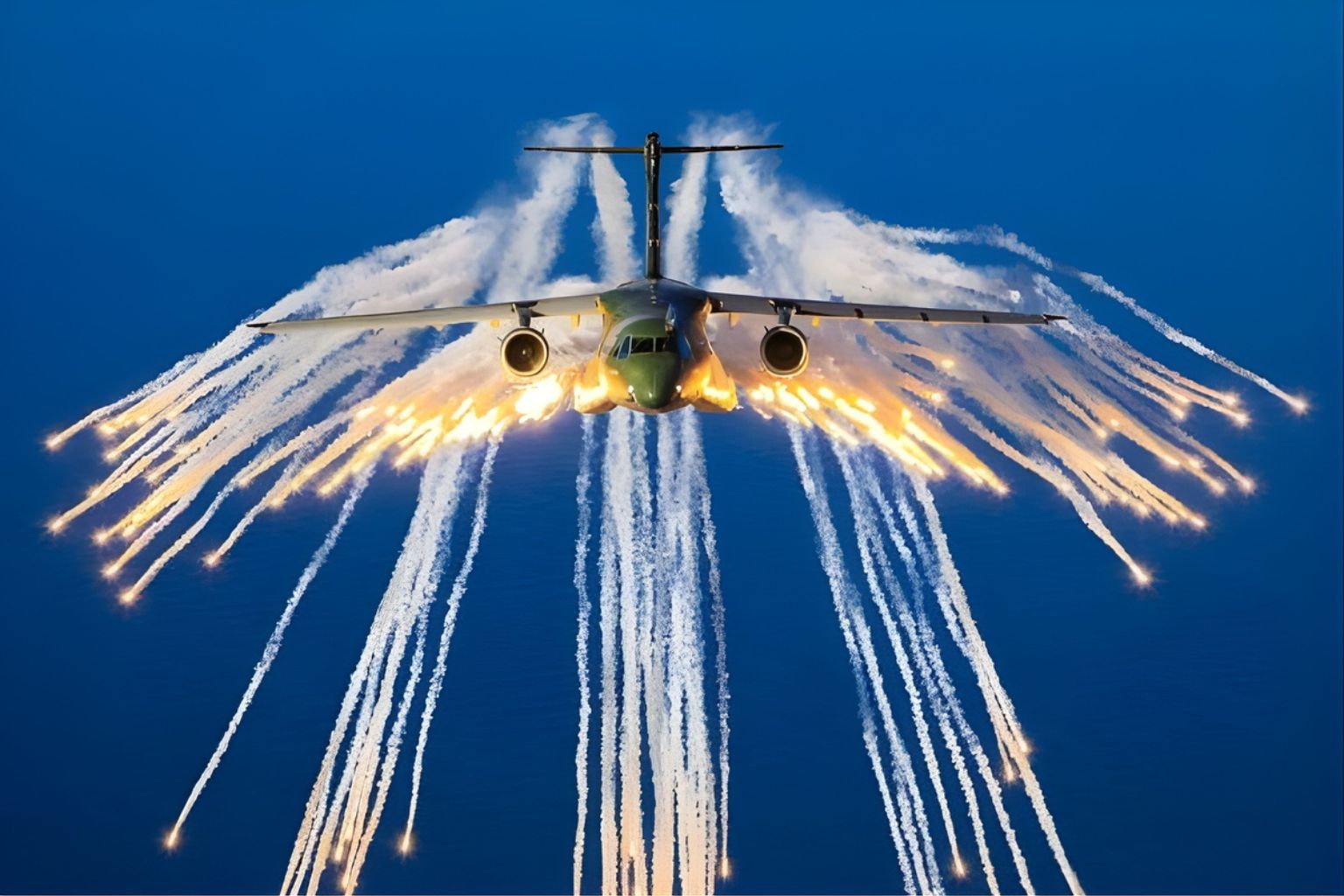
The largest military aircraft ever produced in Brazil, the KC-390 Millennium can carry up to 26 tons, refuel fighter jets in flight, and has already been exported to Europe and Asia, placing the country in the select group that designs and sells large military aircraft worldwide.
-
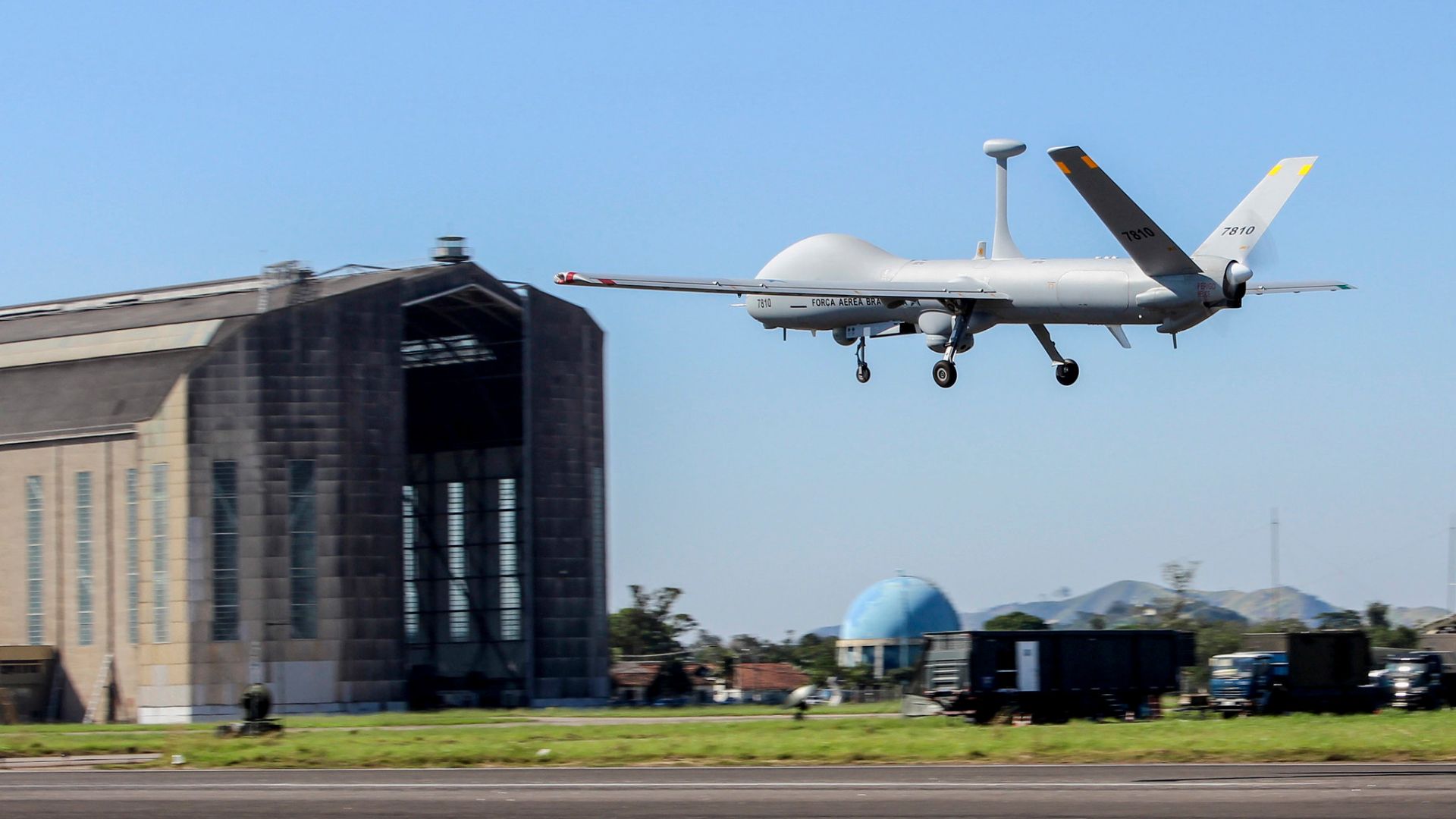
FAB loses Hermes 900 drone during multinational exercise in Mato Grosso do Sul and is left with only one active aircraft, raising concerns about operational fragility and strategic response capability.

The construction contract was finally signed in January 2015 with Irving Shipbuilding in Halifax. The initial value was CAD 2.3 billion for the first five ships of the Harry DeWolf class.
The delivery of the first ship was scheduled for 2018, but delays pushed the launch to July 2020. At the same time, program costs rose by approximately CAD 780 million over initial estimates.
The first ship of the class, the HMCS Harry DeWolf, was officially commissioned on June 26, 2021, in Halifax, marking the first commissioning of a Canadian warship in more than two decades.
Specifications Of HMCS Harry DeWolf, The Military Ship Designed To Operate In Arctic Ice
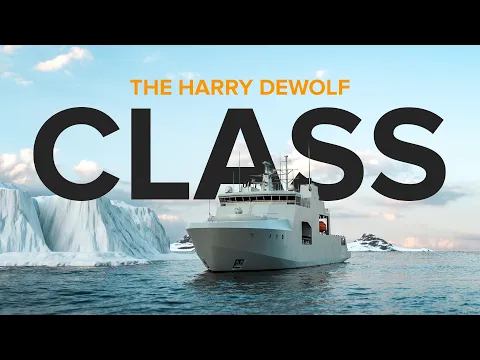
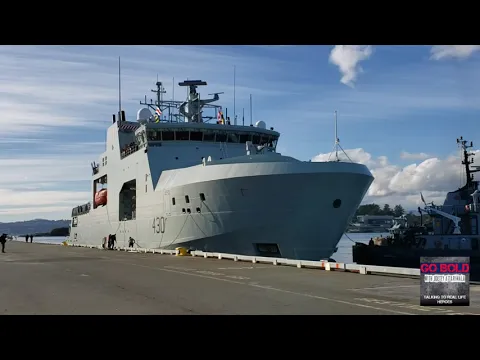
With 103.6 meters in length, a beam of 19 meters, and a displacement of 6,660 tons, the HMCS Harry DeWolf is neither the largest military ship in the world nor the most heavily armed. Its strategic importance lies in another feature: the ability to operate continuously in ice-covered waters.
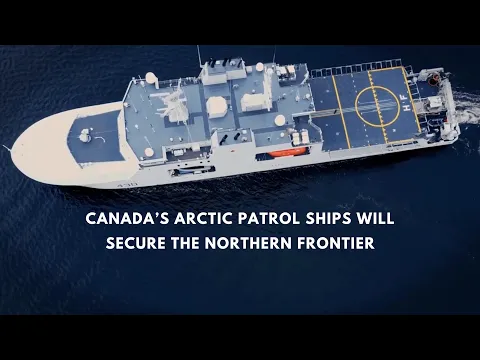

The ship’s hull meets the Polar Class 5 classification, allowing navigation in first-year ice up to 1.2 meters thick. This feature gives the Canadian Navy direct access to Arctic regions that were previously virtually inaccessible to military vessels without specialized escorts.
The propulsion uses a diesel-electric system composed of four 3.6-megawatt MAN generators and two 4.5-megawatt electric motors. The maximum speed in open water is around 17 knots, while in thick ice the speed can drop to about 3 knots.
The operational range reaches 6,800 nautical miles at 14 knots, with the ability to stay at sea for up to 120 days when refueled in transit, an essential feature for prolonged operations in remote areas.
Another important detail is climate adaptation. The ship was designed to operate in both arctic and tropical environments, as it also patrols the Caribbean. The foredeck is enclosed to protect equipment and crew from extreme cold, while stabilizers and navigation systems have been designed to retract during ice operations.
First Modern Crossing Of The Northwest Passage By A Canadian Vessel
In August 2021, just two months after being incorporated into the fleet, the HMCS Harry DeWolf received its first operational mission: to cross the Northwest Passage. The ship departed from Halifax and arrived in Vancouver on October 1, 2021, after covering about 10,050 kilometers through the Canadian Arctic. With this journey, it became the first ship of the Canadian Navy to complete the crossing since the HMCS Labrador in 1954.
During the mission, the ship visited remote Arctic communities such as Pond Inlet, Grise Fjord, Arctic Bay, Cambridge Bay, and Kugluktuk. The crew conducted exercises with the Canadian Rangers, a reserve force responsible for operations in isolated regions, as well as sovereignty and maritime monitoring missions.
During this crossing, the ship also discreetly tested a new towed sonar system called TRAPS (Towed Reelable Active-Passive Sonar), developed by the Canadian company GeoSpectrum Technologies. The equipment was installed in a 20-foot container at the ship’s stern and represents an important step in developing submarine detection capability in the Arctic.
The test indicated that Canada was not only patrolling the Arctic route but beginning to monitor it strategically.
Modular Platform Allows Transport Of Vehicles, Helicopters, And Scientific Equipment
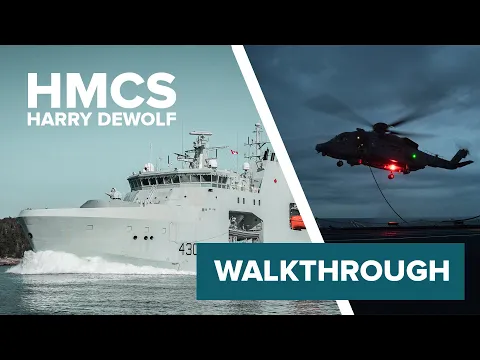
HMCS Harry DeWolf was designed as a multifunction modular platform. The stern of the ship can carry containers with scientific equipment, logistical loads, or small boats. A 20-ton crane allows the operation of vehicles and heavy cargo directly from the deck.
The vehicle compartment accommodates trucks, ATVs, and snowmobiles, essential for land missions in the Arctic. The flight deck and hangar enable operations of medium-sized helicopters such as the Sikorsky CH-148 Cyclone.
Two 8.5-meter high-speed rescue boats complete the package, capable of reaching speeds in excess of 35 knots. The armament is relatively modest: a BAE Mk 38 25mm gun and two heavy Browning machine guns. Military analysts often criticize the design for being less armed than comparable Russian ships, such as the Project 23550, which can carry Kalibr missiles.
The Canadian government argues that the main mission of these ships is not intensive naval combat, but patrol, maritime sovereignty, and emergency response in the Arctic.
The Northwest Passage Could Shorten Global Trade By 7,000 Km
The strategic importance of the Harry DeWolf ship is directly linked to the potential of the Northwest Passage. The route connects the Atlantic and Pacific Oceans through the Canadian Arctic archipelago and could shorten the distance between Europe and Asia by approximately 7,000 kilometers compared to traditional routes via the Suez or Panama Canals.
This logistical advantage turns the Arctic into an area of increasing geopolitical interest. The problem is that Canada and the United States have disagreed for decades over the legal status of the passage. Ottawa claims the route is within its internal waters, while Washington considers the channel an international strait with the right to free navigation.
This disagreement creates a curious scenario: if the United States does not fully recognize Canadian sovereignty over the route, it also becomes more difficult to demand that other countries respect that position.
Russia And China Increase Military And Scientific Presence In The Arctic
In recent years, the strategic environment in the Arctic has become more complex. In 2024, Russia and China expanded their naval cooperation, including joint exercises and patrols in the northern Pacific and areas near the Arctic. Chinese research vessels have also begun operating in international waters near Alaska, collecting scientific data and mapping the seabed.
Although these activities are legal under international maritime law, experts emphasize that mapping the seabed in the Arctic has important strategic implications, especially for submarine navigation and natural resource exploration.
In response, Canada announced investments of around CAD 6 billion to modernize NORAD facilities in the northern part of the country.
Technical Issues And Rising Costs Marked The Early Years Of The Program
Despite its strategic importance, the Harry DeWolf class program has also faced technical difficulties. In August 2022, the ship suffered a failure in one of its four main generators due to a leak in the cooling system. The failure forced the vessel to return to Halifax before participating in the Nanook military exercise.
Similar problems affected other ships in the class, including the HMCS Margaret Brooke and HMCS Max Bernays, which spent part of 2023 in maintenance.
In total, the costs of the six-ship program exceeded CAD 1.5 billion over initial estimates, according to government audits.
Canadian Presence In The Arctic Is Increasingly Dependent On These Ships
Despite the challenges, the HMCS Harry DeWolf successfully completed a historic mission in 2021: the first circumnavigation of North America by a Canadian ship since 1954. After crossing the Arctic, the ship headed to the Caribbean, where it participated in Operation Caribbe, an international mission combating drug trafficking. In November 2021, the crew helped seize approximately 3,000 kg of cocaine in cooperation with the United States Coast Guard.
Today, the Harry DeWolf class operates in the Arctic from June to October, providing Canadian military presence in regions that were practically inaccessible just a few years ago. With six ships for the Navy and two additional ones for the Coast Guard under construction, the project represents the largest Canadian naval program since World War II.
The big strategic question remains open: if melting continues and maritime traffic grows rapidly, Canada’s capacity to patrol and control the Northwest Passage will be put to the test.
For now, the HMCS Harry DeWolf represents Ottawa’s most tangible response to a future where the Arctic may become one of the planet’s most contested maritime routes.









-

Uma pessoa reagiu a isso.