





 Portuguese
  English
  Spanish
  4 min of reading
  0 comments


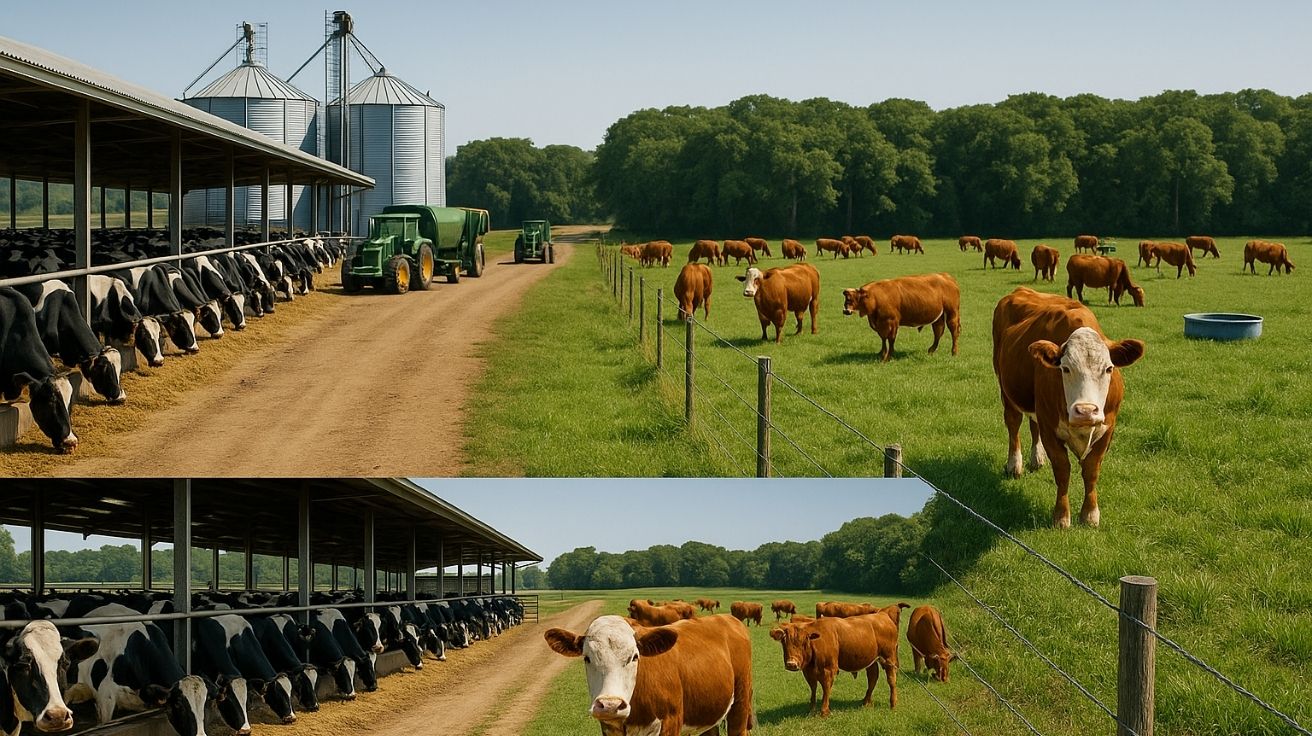
With Distinct Practices and Direct Impact on the Economy, Beef and Dairy Farming Drive the National Agriculture, but Require Efficient Management, Technology Innovation, and Attention to Sustainability
Beef and dairy farming represents the backbone of Brazilian rural production, moving millions of tons in food, raw materials, and exports. Present in almost all regions of the country, these activities are responsible for supplying the domestic and international markets, requiring distinct strategies for management, production, and logistics.
Beef Farming: Meat for Brazil and the World
Beef farming is focused on raising cattle for meat production. Brazil stands out globally as one of the largest exporters in this sector, with a focus on markets such as China, the United States, and Arab countries. The process involves the phases of breeding, growing, and fattening, requiring attention to nutrition, health, and animal welfare.
However, the sector faces significant challenges. The payback period for the activity is longer, as financial returns only occur after slaughter. Additionally, the high cost of feed and the need for supplementation directly affect profit margins. The fluctuation of cattle prices also requires highly efficient cost management.
-
The water that almost everyone throws away after cooking potatoes carries nutrients released during the preparation and can be reused to help in the development of plants when used correctly at the base of gardens and pots, at no additional cost and without changing the routine.

-
The sea water temperature rose from 28 to 34 degrees in Santa Catarina and killed up to 90% of the oysters: producers who planted over 1 million seeds lost practically everything and say that if it happens again, production is doomed to end.

-
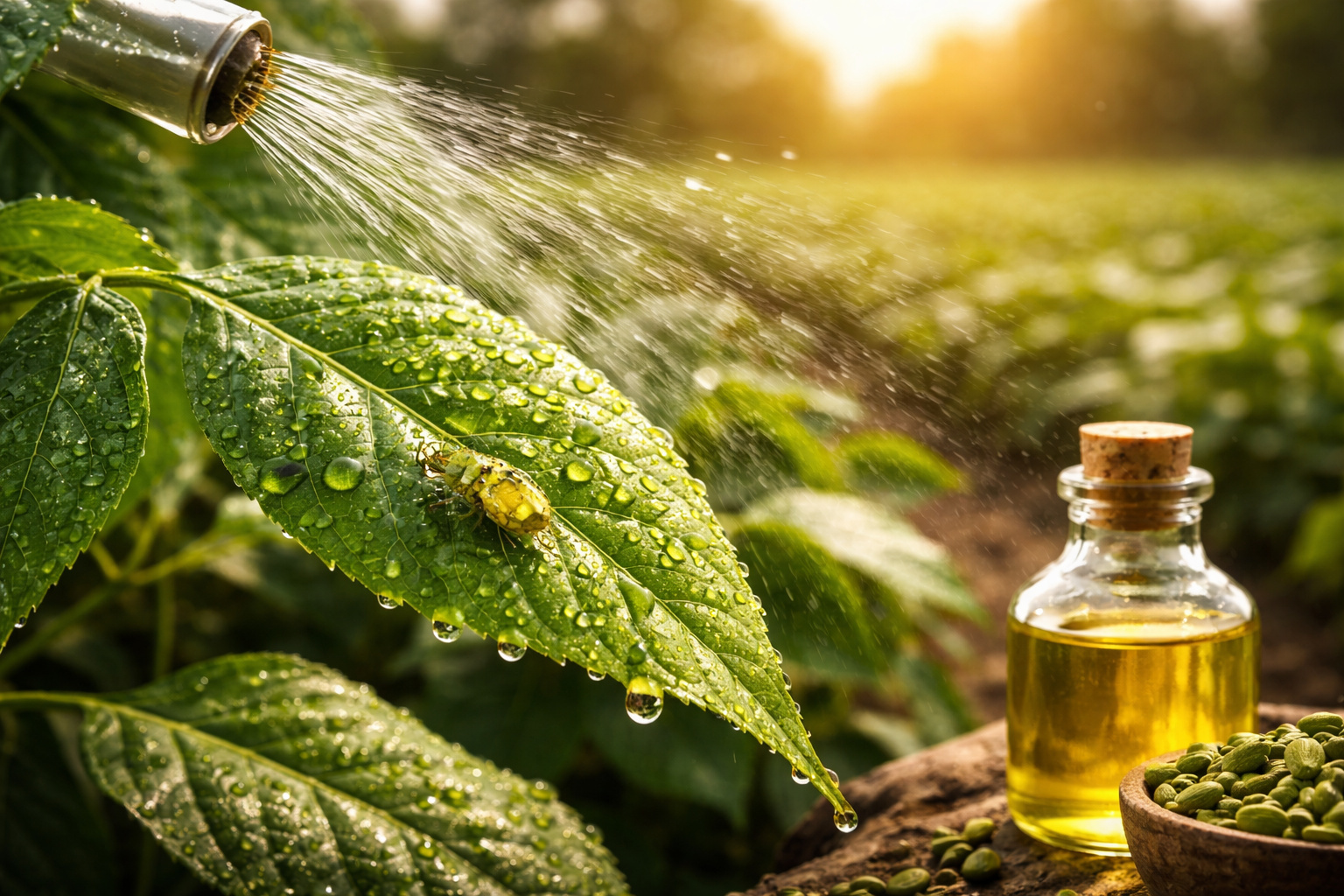
An Indian tree that grows in the Brazilian Northeast produces an oil capable of acting against more than 200 species of pests and interrupting the insect cycle, gaining ground as a natural alternative in soybean, cotton, and vegetable crops.
-
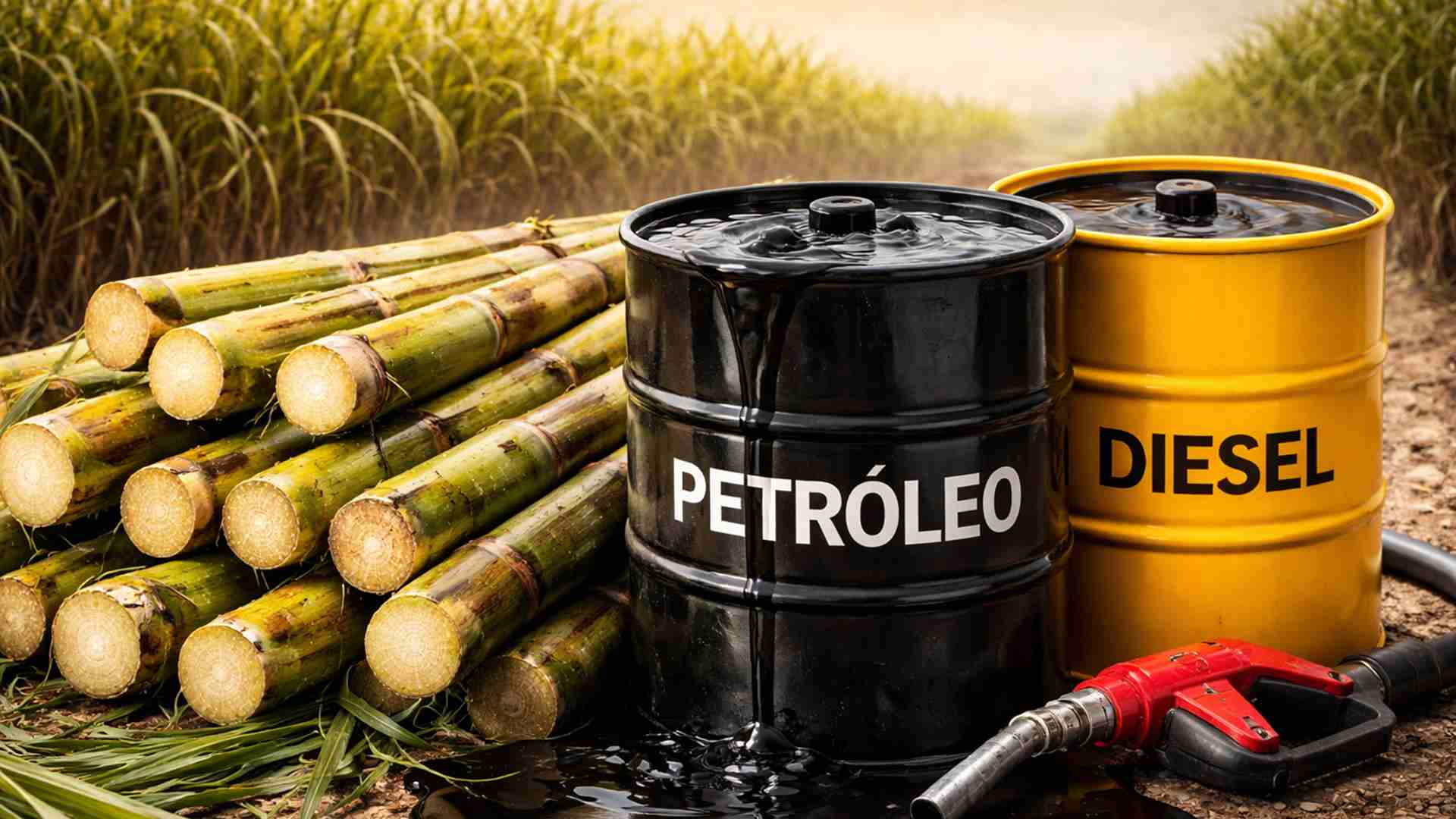
The rise in oil prices in the Middle East is already affecting Brazilian sugar: mills in the Central-South are seeing their margins shrink just as ethanol gains strength.

On the other hand, there are substantial advantages. The possibility to operate with futures contracts, the growing international demand, and gains from genetic improvement and intensive management strengthen the sector. Systems like Integrated Crop-Livestock (ICL) also emerge as sustainable alternatives to increase productivity with less environmental impact.
Dairy Farming: Constant Production and Faster Returns
Dairy farming is aimed at the daily production of milk and its derivatives. Unlike beef farming, this modality ensures a continuous revenue flow, with faster payback. Dairy cows begin to produce shortly after calving, allowing producers to sell milk almost immediately.
Nevertheless, the routine requires high labor demand and strict control over feeding, health, and hygiene. Issues like mastitis, declines in milk quality, and fluctuations in prices paid to producers impact profitability. Exports remain limited, making producers dependent on the domestic market.
Even so, modernization has expanded opportunities. The technification of milking, use of management software, genetic improvement, and production in integrated systems with crops and forests bring efficiency and comfort to animals, increasing productivity and the quality of milk offered.
Operational Differences, but Equal Weight in Agriculture
Both beef and dairy farming play a fundamental role in the production chain of the Brazilian agribusiness. While the former contributes positively to the trade balance, the latter is essential for supplying the dairy industry and domestic consumption.
The choice between the two models depends on factors such as available land, property structure, climate, access to credit, and the producer’s goals. The use of technology in the field, concern for animal welfare, and productive efficiency are decisive for success in both activities.
According to surveys by ESALQ/USP and data from Embrapa, Brazil is a leader in the production and export of beef and ranks among the largest milk producers in the world. The numbers demonstrate that investing wisely and with planning can generate substantial returns, provided it is coupled with sustainability and social-environmental responsibility.
Sustainability and Innovation: The Future of Livestock Production
Despite the economic benefits, both beef and dairy farming are activities that demand attention to environmental impacts. The expansion of pastures is still associated with deforestation, burning, and greenhouse gas emissions, especially when done extensively and without control.
Therefore, the adoption of good agricultural practices, certifications of traceability, integration with other rural activities, and rational use of natural resources are paths taken by conscious producers aligned with modern market demands.
The information was compiled based on content released by Wikipedia, Embrapa, ESALQ Jr. Consulting, and specialized portals in the sector. The data reflects the realities and trends of Brazilian livestock, divided between meat and milk, but united by a common mission: to feed Brazil and the world responsibly.
Although distinct in structure and dynamics, beef and dairy farming share the same challenges and opportunities. When well-managed, they can generate jobs, income, food, and development for the Brazilian countryside. With strategic management, technology, and environmental commitment, livestock farming remains one of the engines of the national agribusiness.









Seja o primeiro a reagir!