





 Portuguese
  English
  Spanish
 4 min of reading
  0 comments


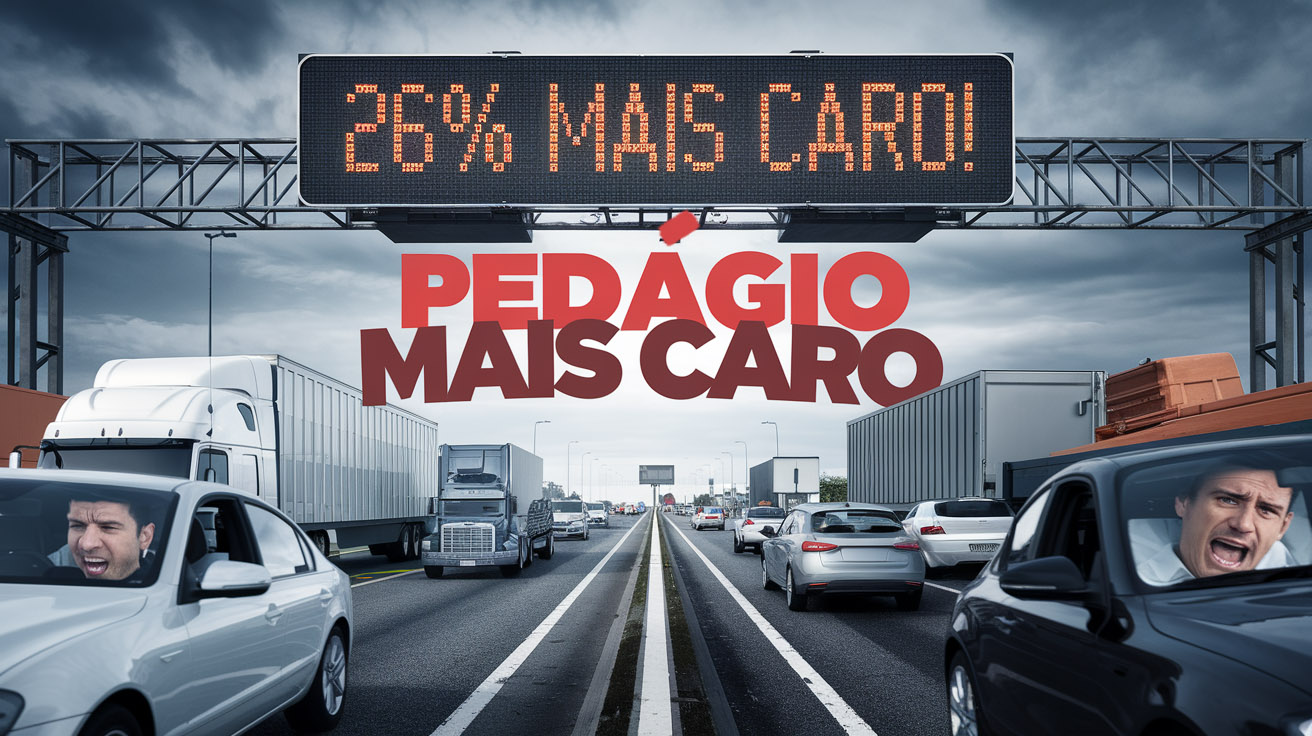
Toll On One Of The Main Highways Will Be 26% More Expensive! The Change Is Part Of A Billion-Dollar Plan To Attract Investors And Improve Infrastructure, But Drivers Fear The Impact On Their Wallets. Will The Benefits Outweigh The Increase? Find Out Everything About This Controversial Decision!
In a move that promises to directly impact drivers in Mato Grosso do Sul, the state government announced a significant increase in toll rates on an important highway in the region.
The decision aims to make the concession of strategic highway sections more attractive, essential for the transportation of agricultural and industrial production in the state.
Adjustments In The Bid To Attract Investors
After a failed attempt to privatize the 870 kilometers that make up the so-called Cellulose Route, the government of Mato Grosso do Sul decided to revise the concession bid.
-
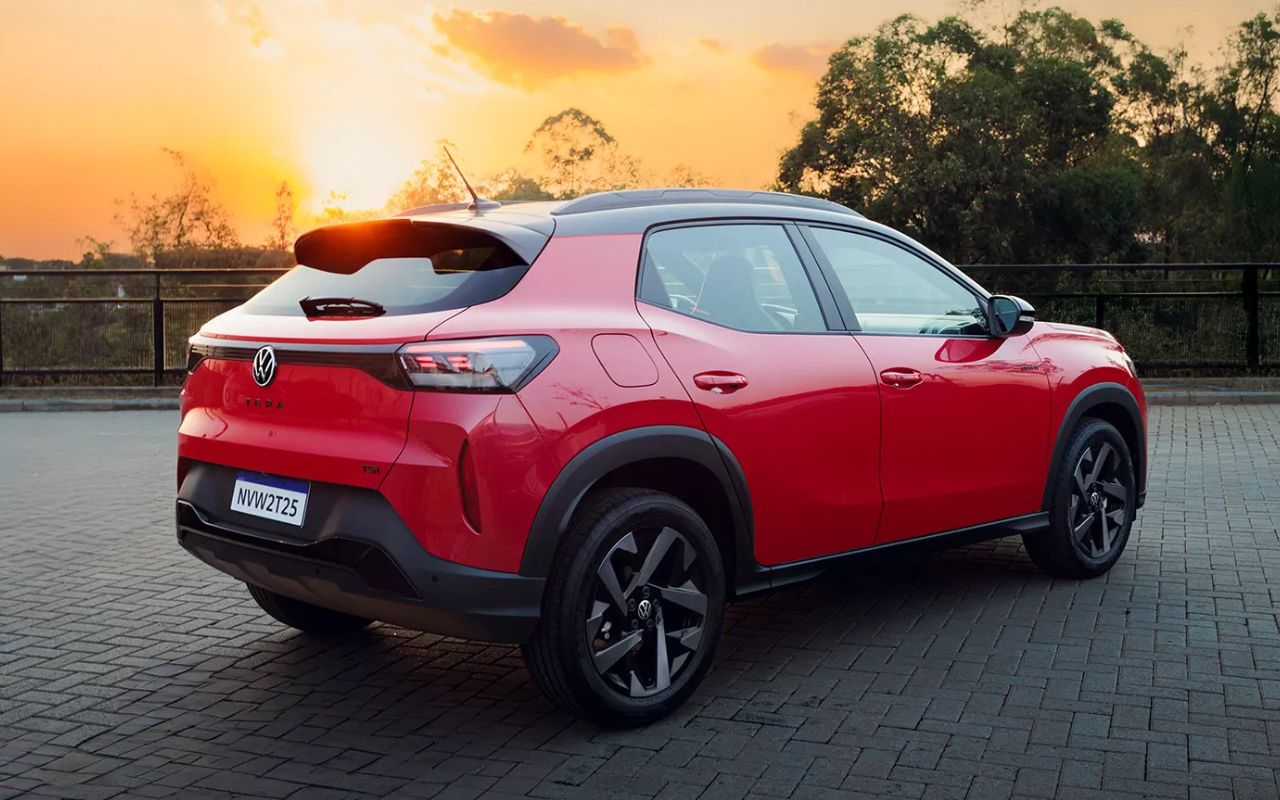
It surpassed the T-Cross, Creta, and Tracker: with nearly 8,000 units sold, the Volkswagen Tera was the best-selling SUV in March 2026.
-
Honda performs miracles in fuel consumption with a hatch that marks 13.2 km/l in the city and 15 km/l on the highway, leaving Polo, HB20, 208, and Onix behind and becoming a reference among compact cars without resorting to turbo or hybrid systems.

-
China alone accounts for 70% of trade within the BRICS, while Brazil establishes itself as an essential supplier of food and minerals: understand how the group, which already represents nearly 40% of the world’s GDP, is changing the game.

-
Starting in May, those who do not have registered biometrics will not be able to apply for Bolsa Família, sickness benefits, or unemployment insurance: understand the new rule that changes access to benefits for millions of Brazilians.


The main change was an increase of 18.75% in the maximum toll rate per kilometer traveled, raising it from R$ 0.16 to R$ 0.19 for single-lane sections.
In double-lane sections, the rate increased from R$ 0.22 to R$ 0.26 per kilometer.
With these changes, the toll cost on the Cellulose Route will be 26.5% higher than that of BR-163, which is also scheduled for auction in May of this year.
Planned Investments And Improvements On The Cellulose Route Highways
The concession project for the Cellulose Route foresees investments of approximately R$ 10 billion over 30 years.
Among the scheduled improvements are the duplication of 115 kilometers of highways, the construction of 457 kilometers of shoulders, 245 kilometers of third lanes, 12 kilometers of marginal roads, and 38 kilometers of bypasses in urban areas.
Additionally, all highways included in the project will have shoulders, a long-standing demand from users, especially on MS-040, which was completed in 2014 without these escape lanes.
Technological Innovations And Benefits For Users Of The Cellulose Route
One of the innovations planned in the new bid is the implementation of a fully electronic toll collection system, known as free-flow. This model will allow vehicles to pass through the toll booths without stopping, making traffic flow more smoothly.
Users who opt for a valid tag system (AVI) will receive a 5% discount on the toll, and there will be progressive discounts of up to 20% for passenger vehicles, depending on usage frequency.
Motorcycles will be exempt from the fee.
Support Infrastructure For Drivers
To ensure better working conditions and safety for professional drivers, especially those transporting cargo and passengers, three Rest Areas (PPD) will be installed along MS-040, BR-262, and BR-267 highways.
These rest areas will provide the necessary infrastructure for meals, personal hygiene, and rest, aiming to reduce fatigue and prevent accidents on the roads.
Comparison With BR-163
While the Cellulose Route prepares for the auction with adjusted rates, BR-163 is also undergoing the renewal of its concession.
According to the terms approved by the Court of Accounts of the Union, the maximum toll rate per kilometer for single-lane sections will be R$ 0.15, double the current rate.
However, this new rate will be phased in and fully charged only after four years.
In the first year of the readjustment, there is an expected increase of 33% over the current rate, which is R$ 7.52 for every 100 kilometers.
Next Steps And Expectations
The auction for the Cellulose Route is scheduled for May 8, 2025.
Although the bidding is open to any interested company, the expectation is that CCR MSVia, which has been operating BR-163 since 2014, will actively participate in the process.
The state government hopes that the changes in the bidding will make the concession more attractive, ensuring the necessary investments for road infrastructure improvements and, consequently, benefiting users with safer and more efficient roads.
Economic And Social Impact
The Cellulose Route is essential for the transportation of cellulose and other agricultural products from Mato Grosso do Sul.
The planned improvements on the highways are expected to facilitate the transport of goods, reducing logistical costs and increasing the competitiveness of products from Mato Grosso do Sul in the national and international markets.
Furthermore, the modernization of road infrastructure can attract new investments to the region, boosting economic development and creating jobs.
Challenges And Final Considerations
Despite the positive expectations, the increase in toll rates may generate dissatisfaction among users, especially drivers of freight vehicles who frequently use the highways.
It is essential that authorities and concessionaires ensure that the funds collected are effectively applied to the promised improvements, making sure that the benefits outweigh the additional costs for users.
Transparency in resource management and clear communication with the public will be fundamental to the success of the concession and the acceptance of the new rates.
Do You Believe That The Increase In Toll Rates Will Be Compensated By The Improvements Promised On The Highways? Leave Your Opinion In The Comments!








Seja o primeiro a reagir!