





 Portuguese
  English
  Spanish
 5 min of reading
  0 comments


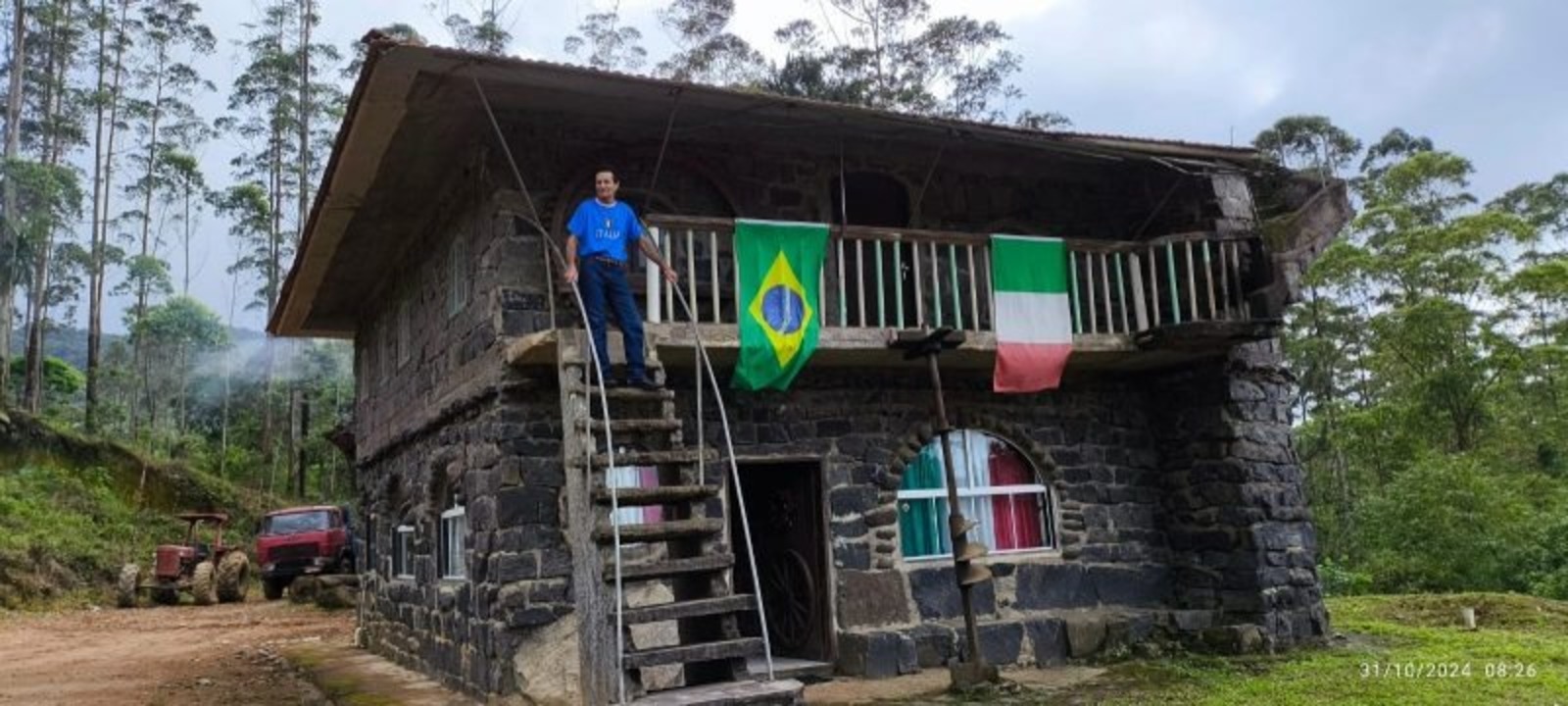
Catarinense Farmer Took 20 Years to Build a Stone House Alone, Keeping Italian Traditions Alive in the Itajaí Valley
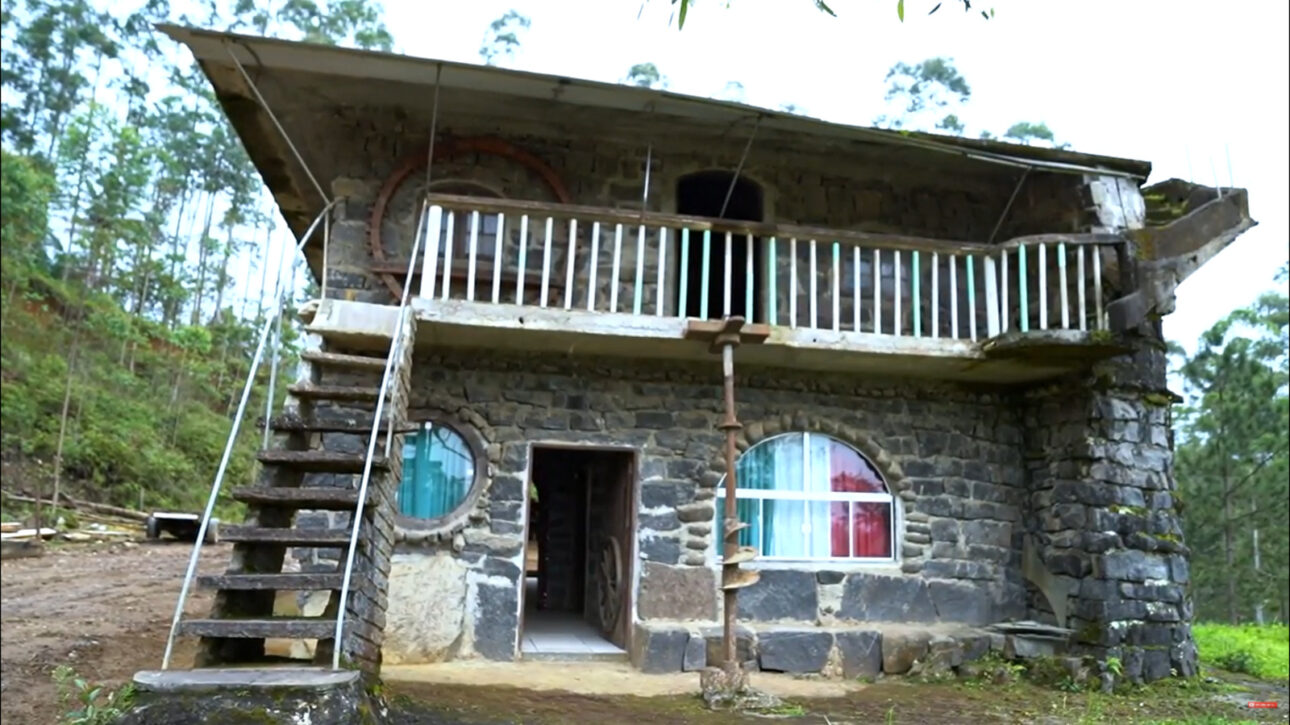
Resident of the Ipiranga community in Rodeio, Dionísio Bertoldi, 69, built a true landmark of his life by himself. Descendant of Italian families, it took him two decades to erect a stone house inspired by typical homes of Italy.
A Work Done Almost Without Help
Dionísio estimates that he used about 2,000 stones to build the residence, some weighing up to two tons.
According to him, if he had experience in cutting and working with stone, the project could have been completed in just three years.
-
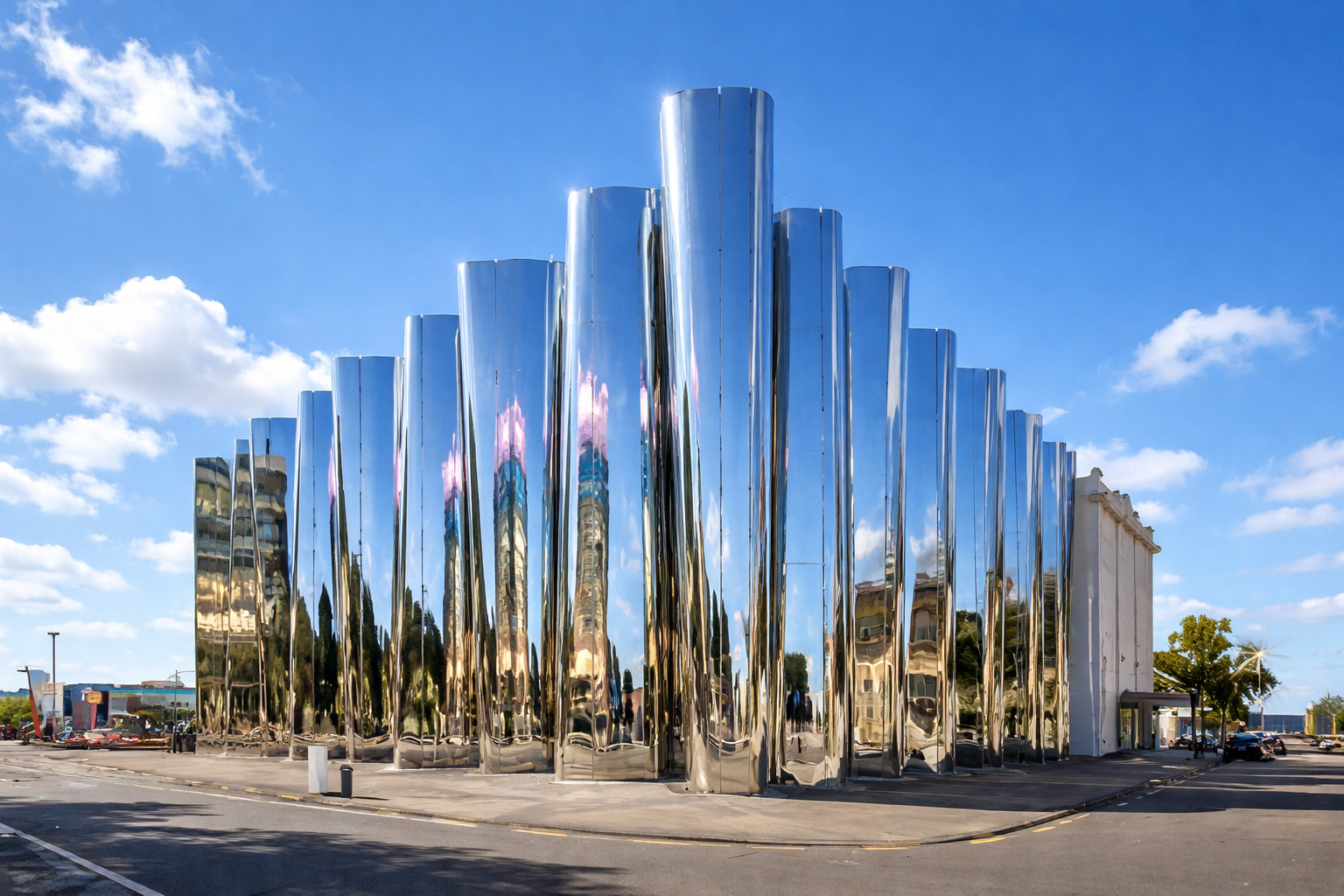
New Zealand builds a shimmering building that vibrates, featuring a 62-seat cinema, moving sculptures, and an environment where sound, light, and energy are felt in the body.
-
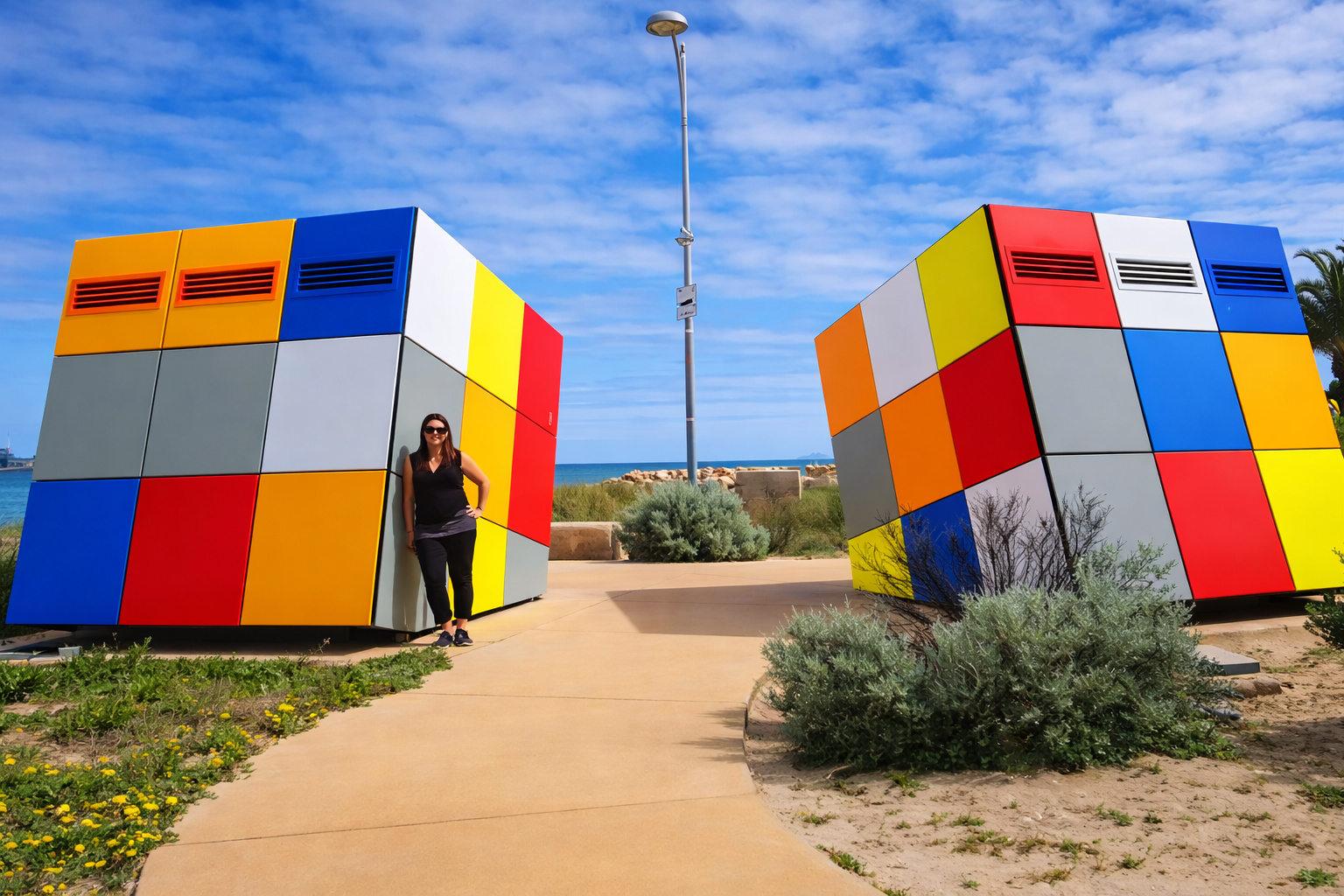
Two colored cubes of 2.5 m transform a public bathroom into a selfie spot in Western Australia, costing up to 75% less than traditional construction and helping to reduce vandalism in public spaces.
-
Santa Catarina produces up to 7 times more than it consumes in some sectors, and its century-old industries founded by grandparents and great-grandparents now compete on equal footing with Germany and the United States in the international market.

-
U.S. war giant weighing 9,600 tons and equipped with long-range missiles is sent to the Atlantic to protect global internet and hunt submarines.


Even so, he did not give up. Throughout the process, he had only a little help: a compadre and two masons helped for part of the time with the slab.
After that, he continued by himself, without constant labor.
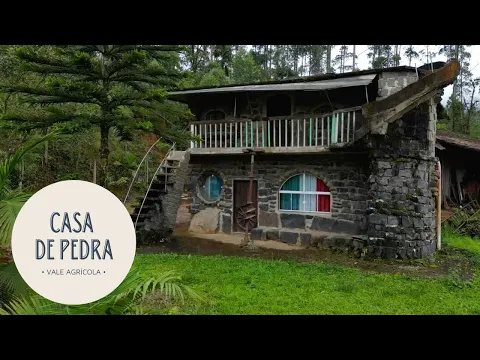

Obstacles That Delayed the Dream
The farmer started the work in 1995, shortly after his first marriage. However, life brought him hard blows.
The death of his first child during childbirth and the passing of other family members caused the construction to be interrupted for almost ten years.
During that time, he moved to a neighboring neighborhood and left the house unfinished. The lack of motivation was great, but the dream was not abandoned.
In 2015, he finally completed the residence and began to live in it, celebrating his persistence.
Italian Culture Preserved in the Itajaí Valley
The style of the house is not just an architectural choice. It represents Dionísio’s connection to his Italian roots.
His grandparents, who came from Italy, were architects and even constructed churches in the region.
For the farmer, living in a stone house has practical benefits. The environment is cool during the summer and retains heat in the winter.
Furthermore, according to him, it does not accumulate humidity, making it healthier.
More Than a House, a Symbol
Dionísio sums up the experience by saying that he started alone and finished alone. Every detail carries effort and memories of difficult moments and also of overcoming.
The house has become a landmark in the community, a testament to his determination.
“I made it work as I could because I had no one to help me,” he stated. The result is a unique residence, made with patience and dedication.
Traditions That Remain Alive
Besides the architecture, Dionísio maintains other habits that reinforce his cultural identity. He produces homemade wine and often sings in Italian, a tradition inherited from his ancestors.
These practices, just like the stone house, connect the present to the past. They help keep alive the history of families like Bertoldi, Feltrin, and Fiamoncini, who marked the colonization of the region.
Thus, the farmer’s journey shows how perseverance and attachment to roots can transform difficulties into achievements.
The stone house is not just a place to live, but also proof that dreams can withstand the test of time.
With information from ND Mais.
You May Also Like: Italian Immigration Heritage: Small Town in SC Preserves the Only Group of Stone Houses in Latin America for 134 Years
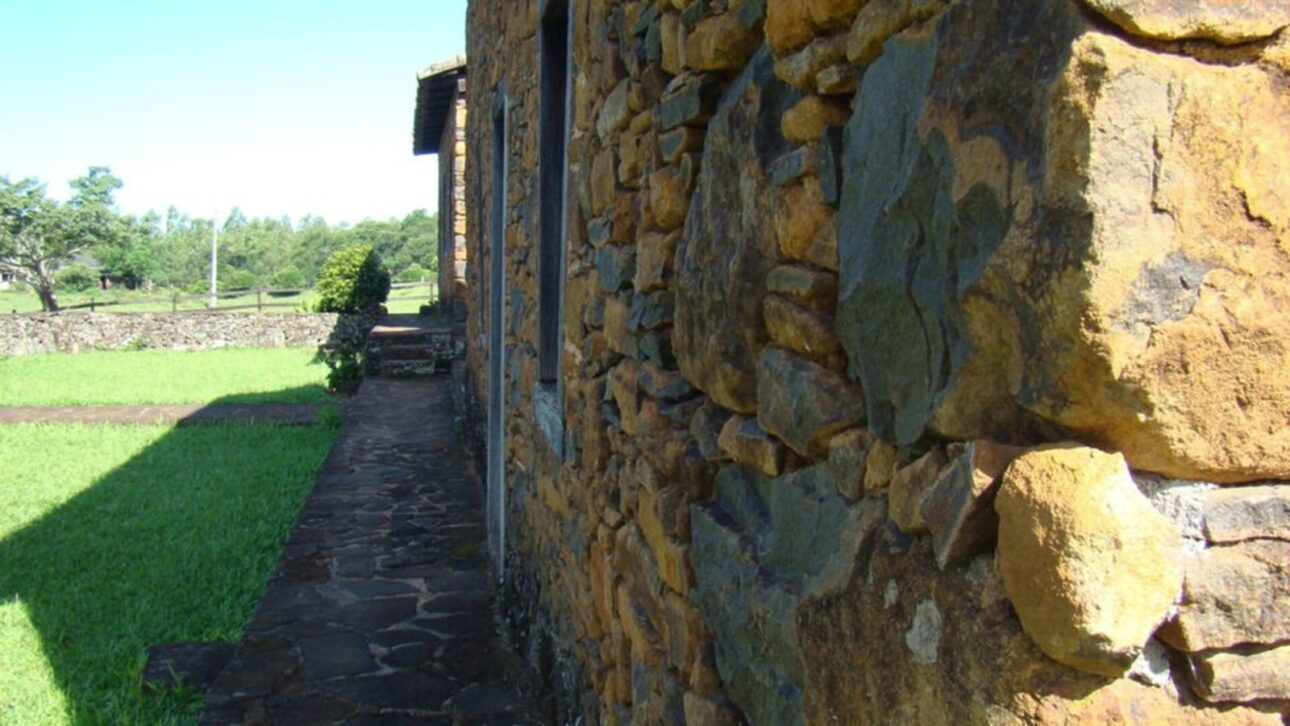
In the heart of Nova Veneza, in southern Santa Catarina, three stone buildings resist the test of time and enchant visitors. Built in 1891, the Stone Houses preserve the memory of Italian immigration and remain part of the historical and national heritage.
The Origin of the Constructions
The responsible party for the works was Luiz Bratti, great-grandfather of Tito Bortolotto and great-great-grandfather of Luana Bortolotto. Known as a builder, he worked on various public works, including roads and bridges.
As payment for services to the government, he received a plot of land in the rural area of Nova Veneza.
The challenge was great because the land was not fertile and was covered with stones. The solution found was to use this material, along with clay, to build the houses.
Fourteen Years of Work
The construction took 14 years to complete. Bratti and his family divided their time between daily work, which ensured their livelihood, and nights, when they dedicated themselves to raising the stone walls.
Each of the houses had a specific function. The first served as a stable, the second combined the kitchen and dining room, while the third housed the bedrooms.
Family Memories
According to Luana, her grandmother reported that the residents felt ashamed to live in the stone houses. “My great-grandfather was sad about this and said that, in the future, they would have a story to tell,” she recalled.
Today, this prediction has come true. The place has become a historical and cultural reference.
Restoration and Preservation of the Stone Houses
The constructions underwent restoration in 2002. Since then, they have been furnished and maintained the style of the era.
Not all the furniture is original, but many were donated by families in the region to make the environment more faithful to the past.
Furthermore, the preservation work ensures that the Stone Houses continue to be open to the public, reinforcing their importance in regional tourism.
Public Visiting Access
The Stone Houses belong to Tito Bortolotto and his brothers. Although private property, they are open for visitation. Access is granted on Saturdays, Sundays, and holidays, from 1 PM to 5 PM.
The ticket costs R$ 10 per person, an amount that helps maintain the space.
Pride and Legacy of the Stone Houses
“It is a huge pride to know that whenever they talk about tourism in Santa Catarina, our family is present in this story,” said Luana.
The Stone Houses remain strong as witnesses to the efforts and perseverance of the immigrants who helped build southern Santa Catarina.






-

-

-

-

-

-

1340 pessoas reagiram a isso.