





 Portuguese
  English
  Spanish
  3 min of reading
  0 comments


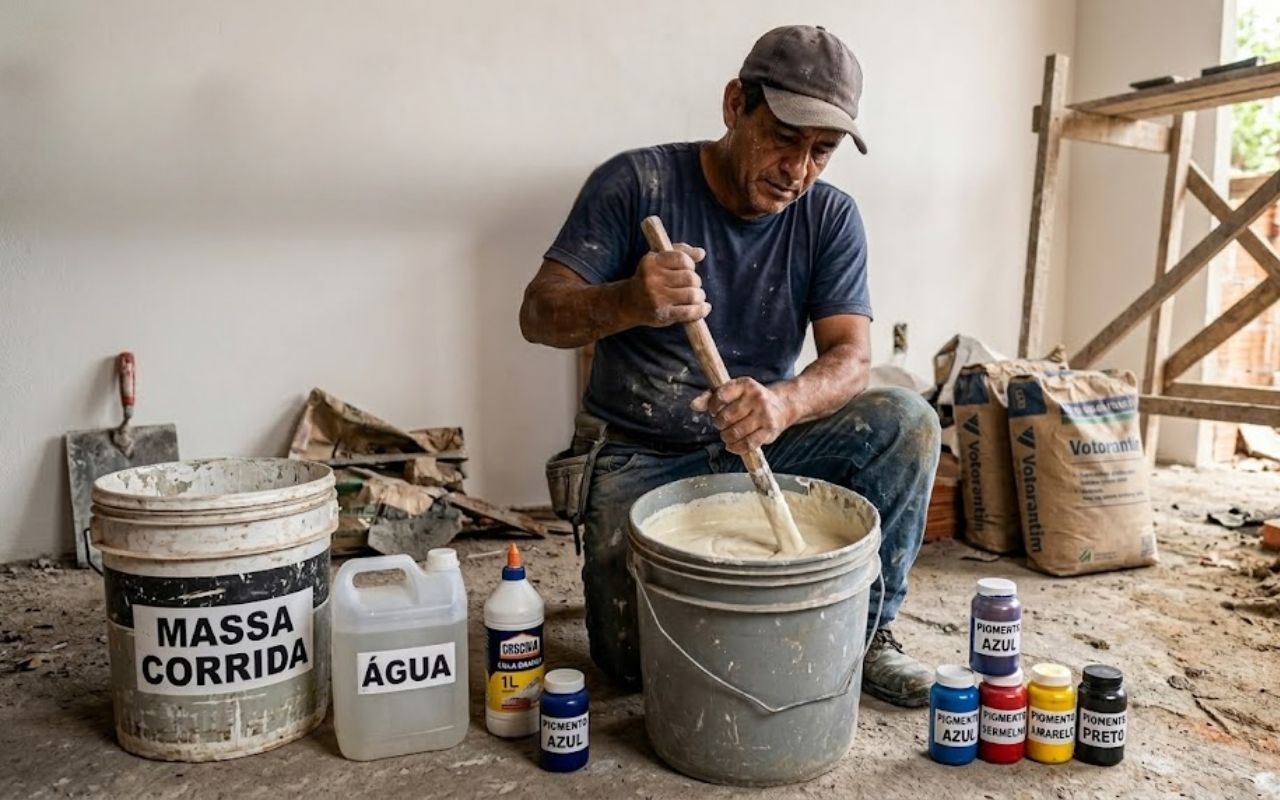
Discover How to Make Homemade Paint with Joint Compound, Water, and Glue, an Economic Mixture of Around R$ 80 That Has Been Used to Paint Interior Walls.
A simple alternative for wall painting has gained attention among those looking to renovate spaces while spending little. The so-called homemade paint with joint compound, water, and glue has become a topic of videos and online tutorials after demonstrating that it is possible to produce functional paint using common construction materials.
The technique has been detailed by the channel “tô no sítio,” which explains how to prepare the mixture and apply it to interior walls.
The method promises satisfactory coverage and a visual finish similar to ready-made paints sold in stores.
-
New Zealand builds a shimmering building that vibrates, featuring a 62-seat cinema, moving sculptures, and an environment where sound, light, and energy are felt in the body.
-
Two colored cubes of 2.5 m transform a public bathroom into a selfie spot in Western Australia, costing up to 75% less than traditional construction and helping to reduce vandalism in public spaces.
-
Santa Catarina produces up to 7 times more than it consumes in some sectors, and its century-old industries founded by grandparents and great-grandparents now compete on equal footing with Germany and the United States in the international market.

-
U.S. war giant weighing 9,600 tons and equipped with long-range missiles is sent to the Atlantic to protect global internet and hunt submarines.

Additionally, the estimated cost to produce the mixture is around R$ 80, which explains the growing interest in this alternative.
Materials Used to Make Homemade Paint
The recipe for homemade paint with joint compound, water, and glue requires few materials, and all are easy to find at hardware stores.
The main ingredients include:
- about 12.5 kg of joint compound (half a 25 kg bucket);
- between 6 and 7 liters of water;
- half a 1 kg container of white glue;
- approximately 250 g of dye, in powder or liquid form.
The white glue is responsible for improving the paint’s adhesion to the wall. The dye defines the final color of the paint, resulting in different shades.
In the examples presented in videos, the chosen color was a uniform gray.
How to Prepare Homemade Paint with Joint Compound, Water, and Glue Step by Step?
The preparation of homemade paint with joint compound, water, and glue requires some care to ensure a uniform texture.
First, the joint compound should be divided into two containers. This process facilitates the mixing and helps to better work the consistency of the material.
After that, water is added gradually while the compound is mixed, usually with a drill equipped with a mixer, until a fluid paste is formed.
Next, the white glue is incorporated into the mixture and stirred until homogeneous.
Finally, the dye should be diluted in water beforehand before being added to the mixture, avoiding stains or excessive pigment concentration.
How to Apply Homemade Paint on the Wall?
Once ready, homemade paint with joint compound, water, and glue can be applied similarly to traditional painting.
In tests demonstrated by the mason on plastered walls that were still unfinished, the mixture showed good coverage after two coats.
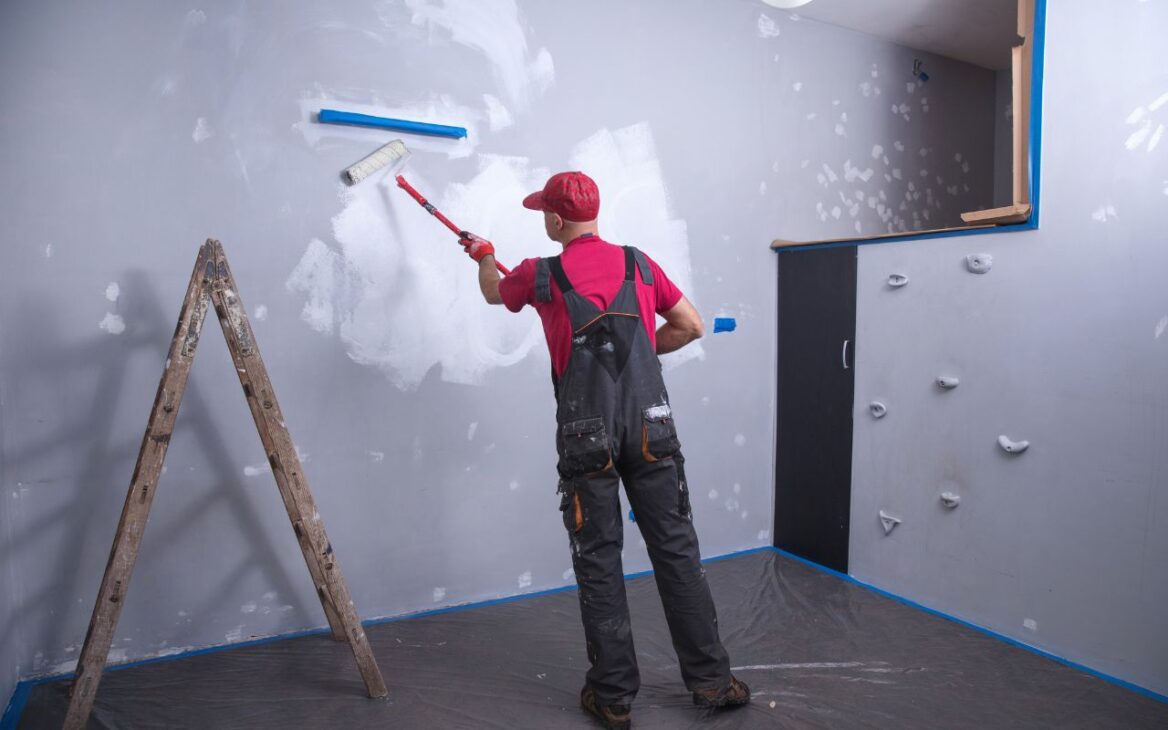
However, to ensure a good result, it is crucial that the surface is clean, dry, and free of loose plaster.
How Much Does Homemade Paint Made with Joint Compound, Water, and Glue Yield?
One of the advantages pointed out by those using homemade paint with joint compound, water, and glue is the yield.
With the ingredients mentioned in the recipe, it is possible to produce about two and a half buckets of paint, a quantity sufficient to paint a considerable area.
Naturally, the yield may vary according to the wall size, type of surface, and number of coats applied.
Even so, the savings compared to premium paints can be significant.
Is It Worth It?
Although homemade paint with joint compound, water, and glue is seen as an economical solution, it does not completely replace industrial paints available on the market.
This is because products made by specialized companies undergo various quality tests that assess resistance to sunlight, durability, and protection against moisture.
Nonetheless, the homemade mixture can perform well in simpler situations. In particular, it is often used in indoor environments, where walls are not as exposed to climatic variations.
Thus, the technique continues to attract interest among people who wish to refresh walls while spending less, without sacrificing an aesthetically pleasing result in small renovations.
Watch the Video








-

-

-

-

14 pessoas reagiram a isso.