





 English
  Francês
  Alemão
  Italiano
  Japonês
  Norueguês
  Portuguese
  Spanish
  3 min of reading


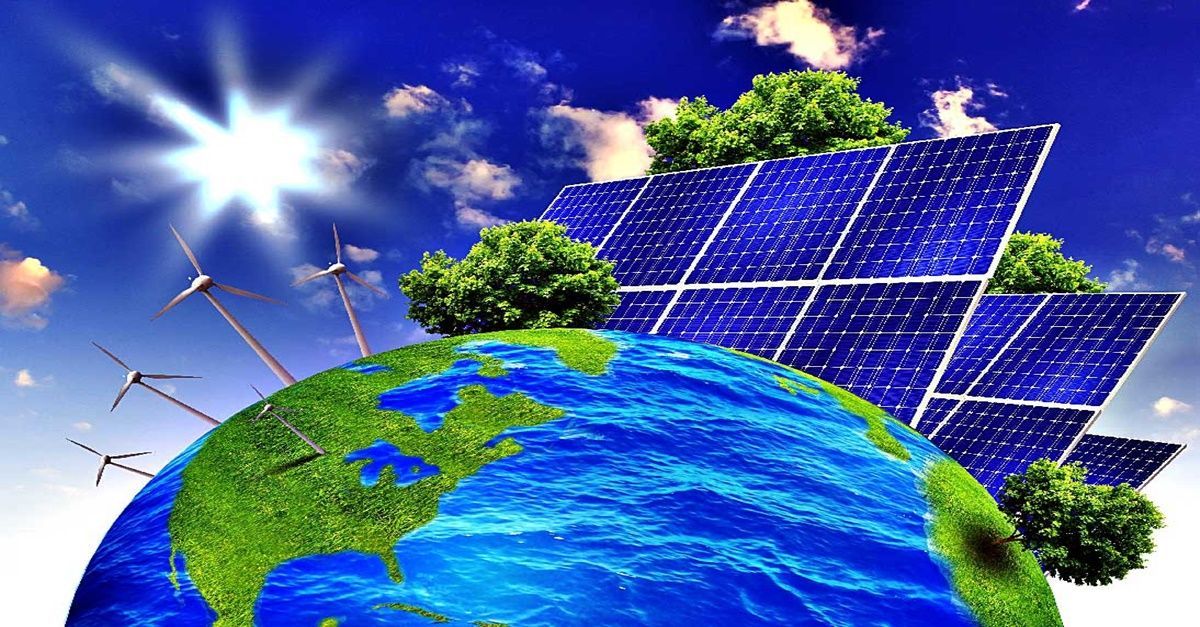
Solar And Wind Energy Were Previously Preferred By Wealthier Countries, But The Trend Has Taken A New Turn According To The Market Researcher.
Solar energy surged last year to become the world’s leading source of power generation, moving clean energy technologies, including wind and hydroelectric, to surpass coal in global installed capacity, according to the latest calculations from the research consultancy BloombergNEF (BNEF). More 109 solar energy equipment have had their import tax zeroed by the Government.
Read Also
- Bolsonaro Inaugurates Solar Power Plant In Goiás And Guarantees That “The Sun Will Not Be Taxed”
- Home Office And Beer? 100 Job Openings By Ambev, The Largest Beverage Company In The World
- Federal Government Signs Agreement To Provide Electricity From Solar Energy To 42 Thousand People In Remote Areas Of The Amazon
With a record 118 GW of commissioned capacity, photovoltaic (PV) solar energy was the main new source of power generation technology in 2019, accounting for 45% of the world’s newly installed capacity, says BloombergNEF (BNEF).
Last year, photovoltaic solar energy was the global leader in newly constructed capacity and the most widely deployed technology by 33% of nations, while the share of fossil fuels fell to 25%.
-
Rio Grande do Sul accelerates energy transition: State invests in renewable technologies and consolidates decarbonization strategies and pathways to attract billions in new industrial investments.

-
With 160,000 m² of collectors, an area larger than 20 football fields, Silkeborg, in Denmark, hosts a solar thermal plant that heats 19,500 homes and could become the largest solar heating plant in the world.

-
A study reveals the expansion of renewable energy procurement in Brazil and shows how companies are taking advantage of opportunities to reduce expenses, ensure energy efficiency, and strengthen strategic environmental commitments.

-
Mato Grosso do Sul excels in the sugar-energy sector: the state reaches a milestone of 22 operating mills and accelerates the production of clean energy in MS with a focus on sustainability.

The adoption is mainly due to the sharp drop in solar equipment costs, such as photovoltaic modules, which made the technology widely available for homes, businesses, and grids, explained Luiza Demoro, analyst at BNEF and lead author of the BNEF study covering data from 138 countries.
Global accumulated solar installed capacity reached 651 GW at the end of 2019, compared with only 43.7 GW in 2010, surpassing total wind capacity of 644 GW. Coal, however, remains at the top of the ranking with 2,089 GW of global power generation capacity, followed by gas with 1,812 GW and hydropower with 1,160 GW. During last year, 81 countries brought at least 1 MW of solar power online, BNEF said, predicting that the market will continue its expansion and add 140 GW-178 GW of new capacity in 2022.
In terms of power generation, solar energy accounted for 2.7% of total electricity generation worldwide in 2019, up from 0.16% a decade ago.
Although the average utilization rate at coal-fired power plants fell to 50% last year, coal capacity increased by 32% over the decade to 2.1 TW at the end of 2019, which in turn increased production by 17% compared to 2010 levels. Net additions in 2019 were 39 GW.
“Wealthier countries are moving quickly toward older and less efficient coal plants because they cannot compete with new gas or renewable energy projects,” said Ethan Zindler, head of the Americas at BNEF. He added that coal generation is still preferred by less developed nations, particularly in South and Southeast Asia.
BNEF’s analysis shows that last year wind and solar were, for the first time, responsible for the majority of new power capacity deployments worldwide, with 265 GW installed.
The two power generation sources were previously preferred by wealthier countries, but the trend has taken a new turn, according to the market researcher. Their data shows that most of the new capacity built each year since 2011 was in a group of nearly all OECD countries, while in a group of non-OECD countries plus Chile, Colombia, Mexico, and Turkey, wind and solar contributed to the majority of installations each year since 2016.







Seja o primeiro a reagir!