





 Portuguese
  English
  Spanish
  5 min of reading
  1 comment





Striking Discounts on Auction Cars Hide Details That Can Impact Documentation, Insurance, and Final Purchase Costs. Understanding the Vehicle’s Origin, Reading the Notice, and Checking the History Are Decisive Steps to Avoid Future Losses and Issues.
Buying a car at an auction often attracts attention due to lower prices compared to the traditional market.
In some cases, the advertised values are well below the Fipe Table, which attracts consumers looking for savings.
However, automotive market experts warn that this type of acquisition requires caution and prior analysis, as the lack of clear information about the vehicle’s origin and history can lead to financial losses and legal problems.
-
Less than a Tera TSI, up to 710 km of range and charging in 9 minutes: the new BYD Song Ultra expands the Chinese brand’s bet on increasingly faster, more technological, and competitively priced electric SUVs.

-
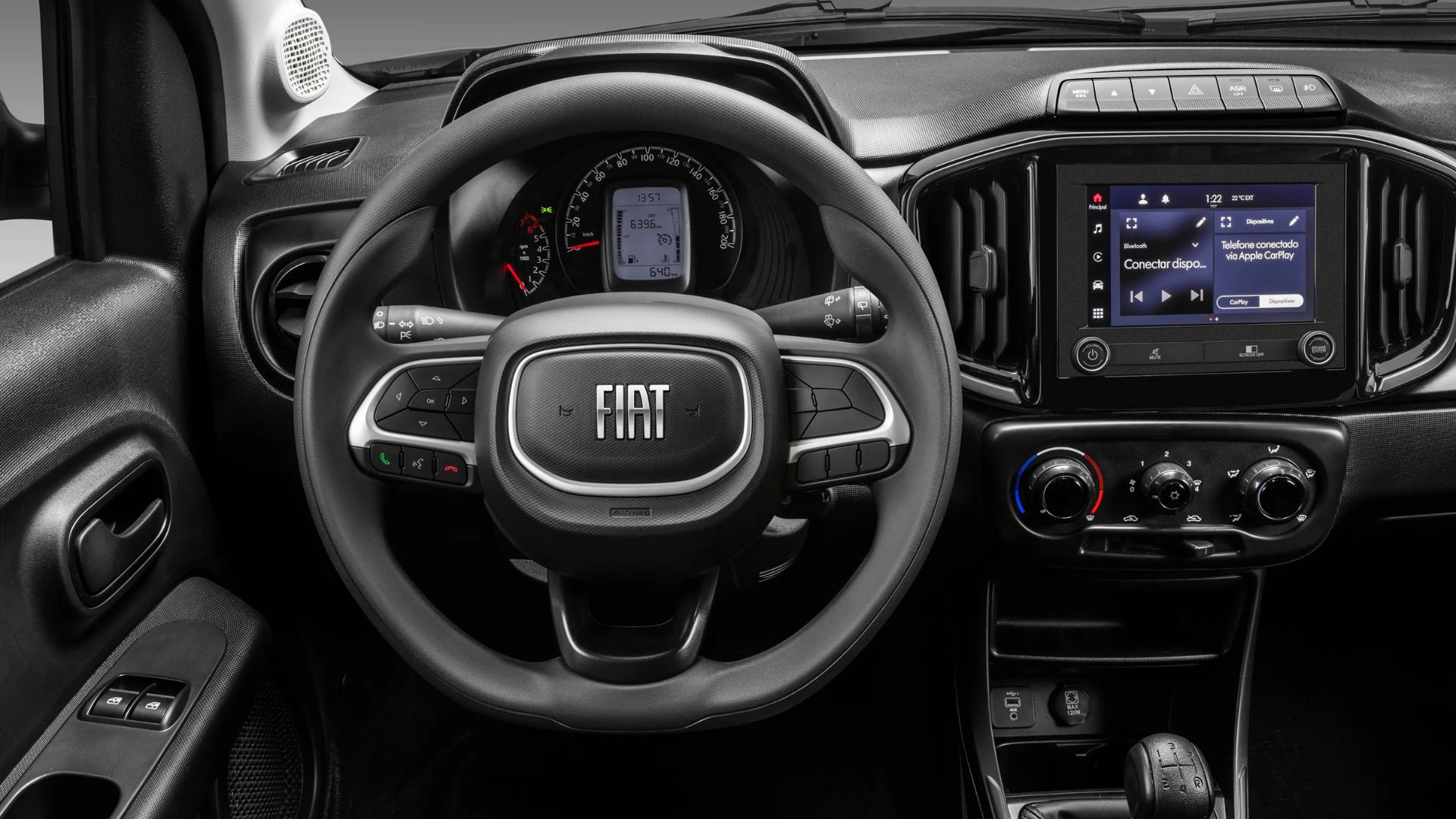
With a 1.0 engine producing 75 hp and costing less than R$ 70,000, Fiat’s car returns to the podium as the cheapest in the country; a temporary promotion for the 2026 Like version reduces the price of the Fiat Mobi.
-
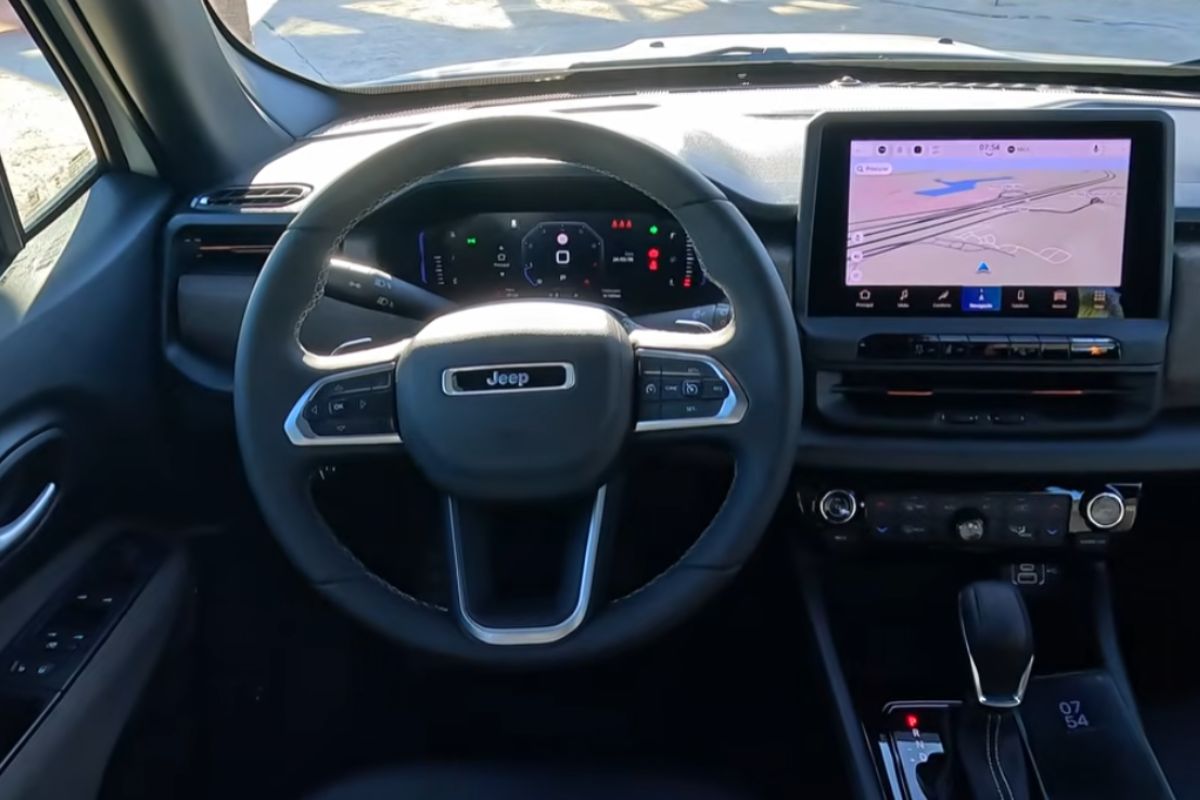
With a mild hybrid system of 48 V, 176 hp and a price of R$ 175,990 in the Sahara version, the new Jeep Renegade changes mostly on the inside, improves slightly in fuel consumption, and remains almost the same car.
-
With a 293.5 cm³ engine and a range of up to 400 km with a 14.1-liter tank, the Honda CB 300F Twister 2026 has up to 24.7 hp, an initial price of R$ 25,150, and already exceeds R$ 29,000 in the Fipe Table.


Situations involving legal claims due to omission of information are not uncommon.
Decisions from the Court of Justice of Minas Gerais have already analyzed cases where buyers claimed they were unaware of the actual provenance of the purchased vehicle, reinforcing the importance of verifying documentation and history before any bid.
The central point, according to lawyers interviewed in reports on the subject, is transparency in the relationship between seller and buyer.
Given this scenario, those considering participating in an auction in 2026 need to take into account a number of factors beyond the initial price.
Below, see the main points that are often observed by industry professionals to reduce risks and avoid setbacks.

Vehicle Origin at Auction and Impact on Purchase Risk
Not every auction car arrives at the lot for the same reasons.
The vehicle’s provenance is one of the main indicators of the type of care needed before purchase.
Vehicles recovered from financing, usually offered by banks or financial institutions, enter auctions after the previous owner defaults.
According to information from the portal Garagem360, these cars may show wear consistent with everyday use but have not necessarily been in accidents.
Still, the condition varies based on maintenance performed before the seizure and how long the vehicle was idle.
Another common category is fleet renewal vehicles, sold by rental companies or businesses.
These cars usually have high mileage, reflecting intense use, but many follow periodic maintenance plans.
Analysts point out that in these cases, the buyer should closely observe items such as suspension, braking system, tires, and interior, as wear tends to be greater.
Vehicles from insurance companies, classified as wrecked, require even more careful analysis.
They can be classified as minor, medium, or major damage, a classification that directly impacts the vehicle’s regularization and circulation.
According to traffic regulations, structural damages entail additional requirements for the vehicle to operate legally again.
Minor, Medium, or Major Damage: What Changes in Practice
The distinction between minor, medium, and major damage is not merely technical.
It influences the inspection process, documentation, and in some cases, the possibility of the vehicle returning to circulation.
Traffic legislation experts explain that vehicles with minor damages tend to face fewer bureaucratic obstacles.
Those with structural compromises require specific inspections, with proof that safety conditions have been restored.
In cases of damage classified as major, the legislation provides for more restrictive procedures, which may result in the definitive write-off of the vehicle.
Thus, before placing a bid, it is essential to verify what classification is stated in the notice and the vehicle’s history.
On-Site Vehicle Evaluation Reduces Hidden Risks
A visit to the auction lot is seen by industry professionals as one of the most crucial stages of the process.
Photos posted on websites do not always show important details, such as body misalignment, signs of corrosion, or water infiltration.
A technical oversight is also recommended.
A mechanic can identify signs of previous collisions, recent repairs, or mechanical problems that do not appear in the lot description.
Persistent musty odors, debris in internal areas, and electrical system failures are often cited as warning signs.
Another factor considered is how long the vehicle was idle.
Even cars without accident history may exhibit problems resulting from prolonged immobilization, such as dead batteries, flat tires, and expired fluids.
These costs need to be estimated in advance.
Auction Notice Defines Rules, Fees, and Responsibilities
The auction notice compiles the key legal information of the transaction and should be read carefully.
It is in this document that deadlines, responsibilities, and additional charges impacting the final amount paid by the buyer are outlined.
Typically, there is a fee charged by the auctioneer, along with administrative fees and expenses related to the lot.
Depending on the case, these amounts significantly increase the total cost of the vehicle.
It is also in the notice that it is defined who is responsible for any debts, such as IPVA and fines.
In some auctions, these pending payments are settled by the seller.
In others, they fall under the buyer’s responsibility.
There is no universal rule, which makes detailed reading indispensable.
Insurance and Resale Require Analysis Before Bidding
Another point frequently highlighted by experts is the procurement of insurance.
Vehicles with a history of accidents or auction sales may face restrictions, such as limited coverage or higher premiums, depending on the risk policy of each insurer.
To avoid surprises, brokers recommend prior consultation of the vehicle’s acceptance conditions, whenever possible, based on the license plate or chassis number provided in the notice.
The same caution applies to those considering resale.
Some buyers avoid cars with this type of history, which can affect liquidity and price.
Vehicle History Check Complements the Verification
Vehicle check services help identify previous records, such as previous auctions, administrative restrictions, or legal annotations.
These pieces of information can indicate discrepancies between the advertisement and the vehicle’s actual history.
Nevertheless, experts emphasize that these tools do not replace checking with official bodies or analyzing the documentation provided by the auctioneer.
Specific blocks and restrictions may require additional measures for the transfer.
Documentation and Timelines Are Part of Auction Purchases
The release of documentation after purchase typically takes weeks.
The timeline varies according to the type of auction, the state, and the internal procedures of the auctioneer and traffic authorities.
Those needing the vehicle immediately may face difficulties, as regularization is not always quick.
Therefore, analysts indicate that the auction tends to work better for those with financial planning and flexibility in timelines.
When Buying at Auction May Be Worth It
With the used market heating up and new vehicle prices remaining high, auctions emerge as an alternative for some consumers.
According to experts, the purchase may be worthwhile when the interested party adds up all the involved costs and calmly evaluates the vehicle’s provenance and condition.
In situations where the notice presents unclear information, the history raises doubts, or there is no possibility of adequate inspection, the recurring recommendation is caution.







Tenho um amigo que comprou uma jóia por uma bagatela em leilão, por outro lado, tenho um primo que achou ter comprado uma jóia e quando pegou e foi ver direito, ficou mais caro que um semi-novo. Sim, cautela faz parte de qualquer compra de um carro, até mesmo o zero km.