





 Portuguese
  English
  Spanish
  3 min of reading


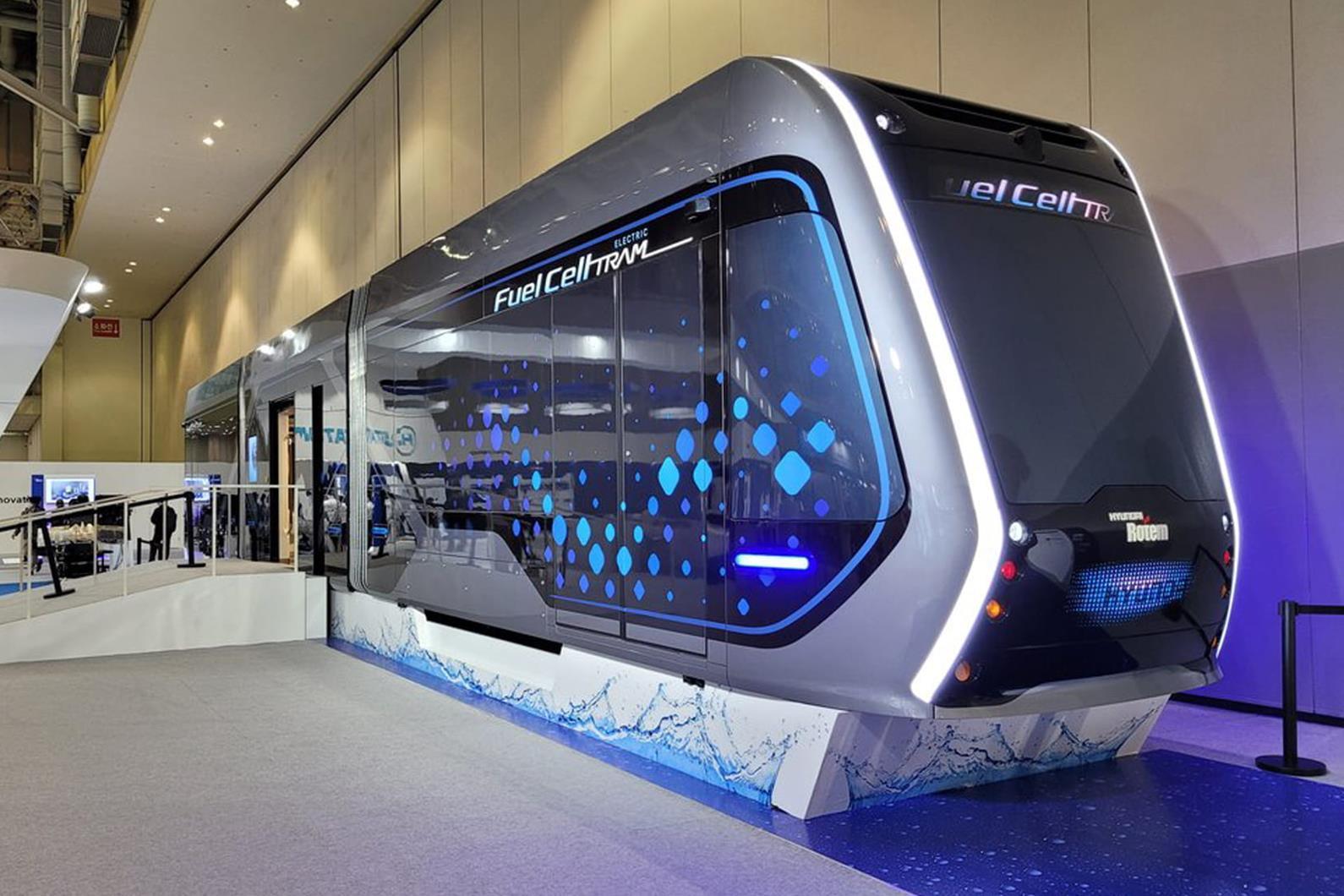
In The Korean City Of Ulsan, Hyundai Rotem Signed A Memorandum Of Understanding (Mou) To Produce And Test The Country’s First Hydrogen-Powered Light Rail Transit. The Agreement Was Signed During An Event With The Presence Of The Mayor Of Ulsan, Mr. Cheol-ho Song And Mr. Yong-bae Lee, CEO Of Hyundai Rotem.
Hyundai Rotem Will Be Responsible For The Development Of The First Hydrogen-Powered Light Rail Transit, Infrastructure Upgrades And Signaling Systems, As Well As Hydrogen Refueling Stations And Vehicle Operations. The City Of Ulsan Will Provide Administrative Support For The Approval Of Test Lines And Installation Of New Refueling Stations.
Read Other Related News
Hyundai’s Hydrogen-Powered Light Rail Transit Will Be Tested And Equipped With Air Filters Capable Of Purifying About 800μg Of Particulates From The Air Per Hour
The Light Rail Transits Will Be Tested On A Currently Unused 4.6 Km Track That Connects To The Port Of Ulsan. The Project Also Involves The Construction Of A New Depot And The Installation Of Hydrogen Refueling Stations.
Hyundai Rotem Says That Being Able To Deliver The Light Rail Transits And Refueling Stations Will Allow The Supplier To Identify Issues Before The Start Of Operations And Support A More Cohesive And Convenient Maintenance Plan For The Team.
-
Brazil surprises the world by cloning a pig with human genes in an attempt to save humans with transplants, a technique with only 1% to 5% success rate, editing 3 genes, inserting 7 human genes, and impacting 48,000 patients on the waiting list.
-
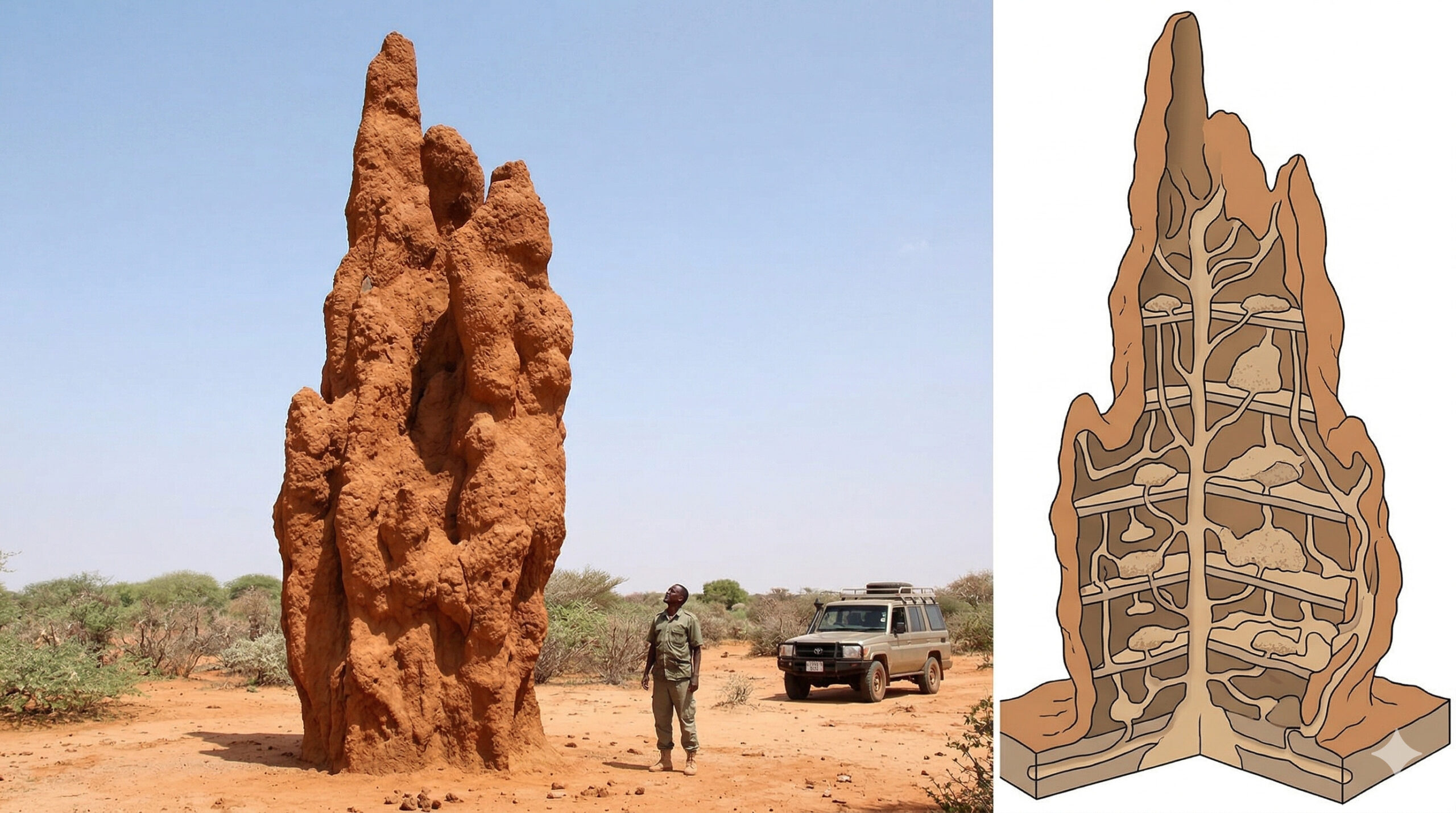
With a height of 8.7 meters, the giant termite mound found in Somalia has entered history as the largest ever recorded and reveals how insects just a few millimeters tall build three-story structures.
-
Measuring about 50 cm in wingspan, the merlin, the smallest bird of prey in the world, is at risk of extinction and could disappear by 2050, according to research published in Nature.
-
With 96 rooms, 37 bathrooms, and five kitchens, the mansion of the heir to Pernambucanas is worth R$ 50 million, has a pool, two terraces, and has become the target of a legal dispute after the owner fell into a coma in 2016.
In Addition To Producing Only Water As Emission, The Light Rail Transits Will Be Equipped With Air Filters Capable Of Purifying About 800μg Of Particulates From The Air Per Hour Of Operation And Releasing 107.6kg Of Clean Air In The Same Period. Similar Technology Has Already Been Equipped In The Hyundai Nexo Hydrogen-Powered Car, Launched In 2018, And It Is Expected That The Technology Will Significantly Improve Air Quality In The City.
The Project’s Viability Will Be Tested Until The Official Launch
The Main Objective Of The Project Will Be To Investigate The Viability Of Using The Technology In The Planned Urban Rail Network Of Ulsan. The City Government Announced Plans For A Light Rail Network Of Four Lines Totaling 48.3 km With An Estimated Cost Of Won 1.3 Trillion (US $1 Billion) In July 2019. The First Phase Of 25.3 Km Is Scheduled To Be Completed In 2027.
Hyundai Rotem Announced Its Entry Into The Hydrogen Train Market In June, Along With Plans To Develop A Test Vehicle. The Company Is Currently Working On A Light Rail Transit With A Maximum Speed Of 70 Km/H, Capable Of Traveling 150 Km On A Single Charge Using 95 kW Fuel Cells, Which It Plans To Use For The Ulsan Project.
Hyundai Rotem Also Recently Secured Three Contracts In May For Hydrogen Reformers From Gangwon Techno Park And The Ministry Of Trade, Industry And Energy, Where It Started Construction Of A Facility To Produce Hydrogen Refueling Equipment At The Uiwang Research Institute.
KRRI Is Working On A Vehicle With A Maximum Speed Of 110 Km/H That Can Travel 600 Km On A Single Hydrogen Charge
The Korea Railroad Research Institute (KRRI) Is Also Developing A Vehicle With A Maximum Speed Of 110 Km/H That Can Travel 600 Km On A Single Hydrogen Charge, Using Hydrogen Fuel Cells With A Capacity Of 1.2 MW Or More.
In Addition To Making Urban Buses And Other Forms Of Fuel Cells For Mass Transport, Hyundai Hopes To See The Technology Used In Air Mobility, Robots And Large Ships. Its Fuel Cell Modules Can Also Be Assembled Like Lego Blocks For Megawatt-Scale Power Generation.
The Hyundai Virtual Exhibition Of Its Plans And Ideas For Hydrogen Was Completed In A Physical Exhibition Called HydroVille, In Goyang, Korea, Which Took Place From September 8 To 11.





Seja o primeiro a reagir!