Portuguese
  Spanish


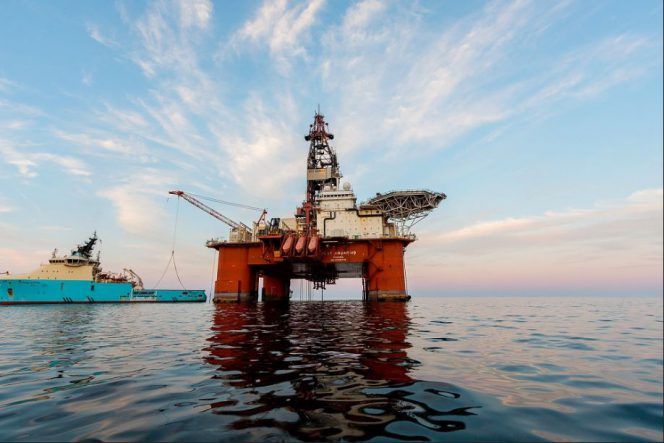

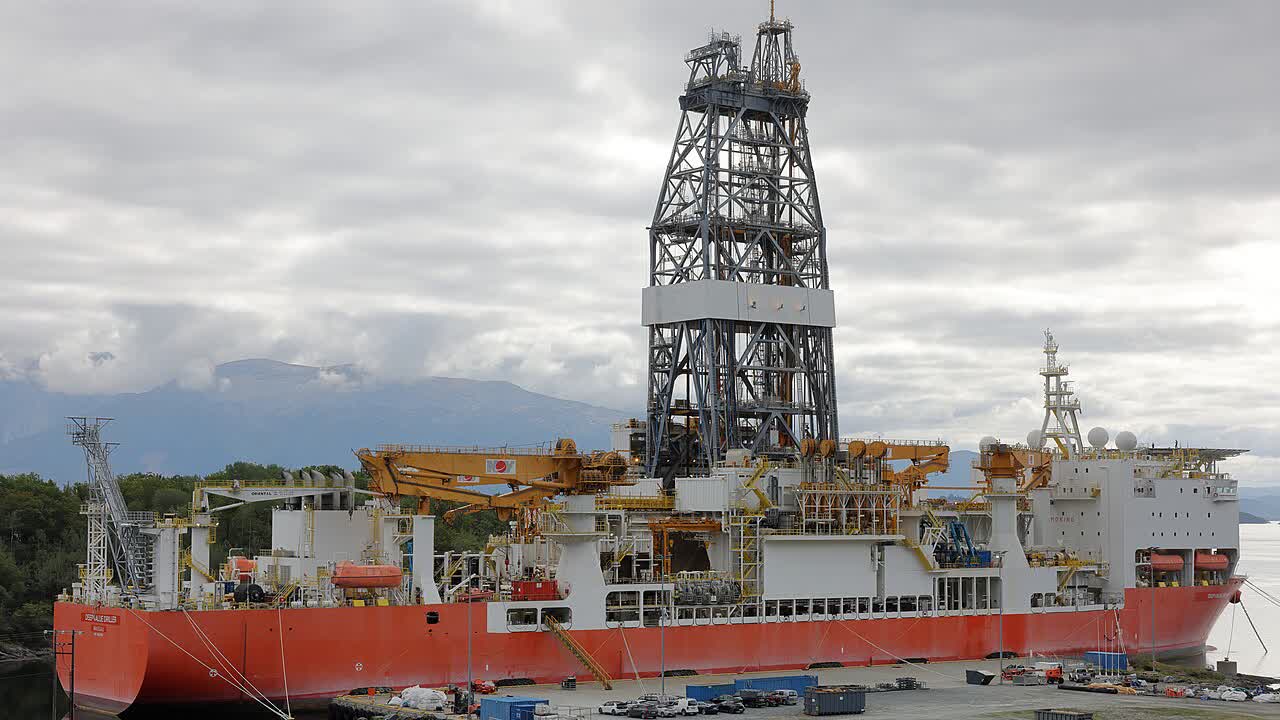
The number of drilling rigs in operation worldwide has fallen by about 27% since January, according to Baker Hughes, with only 1.51 thousand units operating (1,267 thousand onshore and 247 offshore). At the beginning of January, the number of operating rigs was 2.1 thousand. Compared to April 2019, the decline was 30% (626 units).
See Also Other News:
- Votorantim Energia Is Hiring for Civil Engineer and for Financial Planning and Energy Management Areas
- Onshore Contracts of Japanese MODEC in RJ Demand Jobs for Electrical Engineer, Today May 4th
- To Work at Porto do Açu, Multinational Trident Energy Is Recruiting Logistics Supervisor This Afternoon of May 4th
Baker did not describe the reasons for the occurrence; however, the decrease in the fleet of active rigs coincides with the Covid-19 pandemic that is affecting the whole world. The fact is that the pandemic reduced demands for oil and derivatives due to social isolation worldwide.
-
Qantas and Airbus Invest in Company Aiming to Convert Unsorted Household Trash into Jet Fuel

-
Brazil’s ANP Opens 86 New Oil Blocks in the Equatorial Margin, Expanding the Amazon River Mouth Frontier

-
OPEC+ Boosts Oil Supply by 188,000 Barrels per Day in July 2026, Leading to Price Drop from $112 to $89 per Barrel in Under Two Months

-
TotalEnergies Signs 20-Year Deal to Purchase 2 Million Tons of LNG from Alaska, Boosting Project Viability

Since January, the contraction of the fleet of active rigs in Europe reached 15.8%, while in Africa, Asia, and the Middle East, the reductions were 9.6%, 14%, and 2.3% respectively. Since the beginning of the year, operations in Canada have been the most affected, reaching a drop of 83.8%, while in the USA, the reduction was 28.4%.
In Latin America as a whole, the active rigs fell by about 50% from March to April, from 169 rigs to 89. In this case, the high value of the reduction is also due to Baker Hughes not considering data from Argentina in April, which had 38 rigs operating in March.
In Brazil, the number of operational rigs did not have significant variations. In January, there were 13 in operation, in February 15, in March 17, and last month there were 13, of which nine were offshore and four onshore. The average number of rigs in operation in 2020 so far is 14.5, compared to an average of 10 in the same period of 2019.
According to the National Agency of Petroleum (ANP), there are 14 exploratory wells in operation in Brazil, located in the Recôncavo, Espírito Santo, Sergipe, Santos, and Potiguar basins. The last well drilled was in Sul de Gato de Mato, by Shell in early March. The Agency considers the wells where there has been intervention with a rig, including drilling and long-duration testing (TDL), in the last fortnight.