





 Portuguese
  English
  Spanish
  5 min of reading
  0 comments


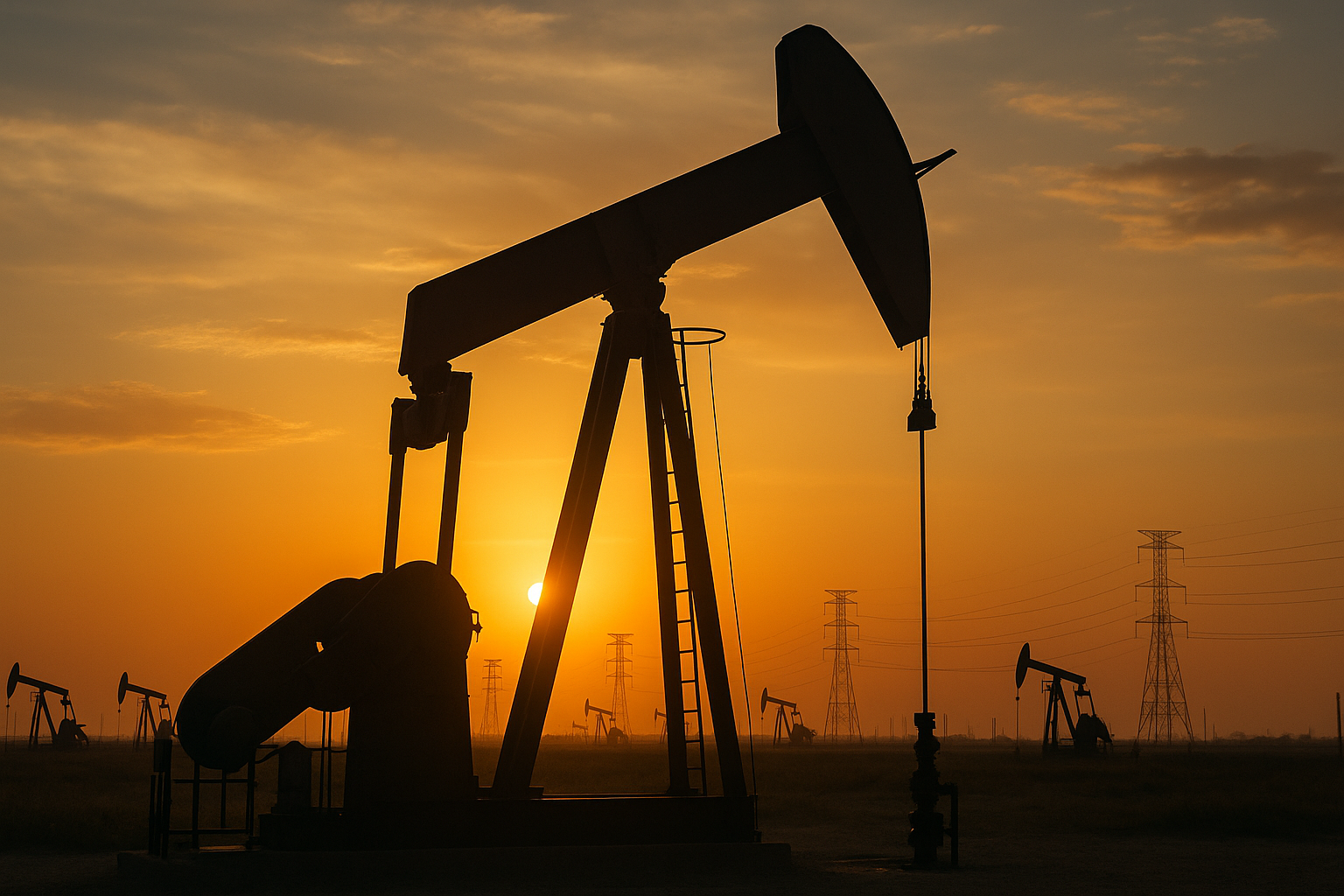
Understand The Main Perspectives Of Oil And Gas With A Historical, Economic, And Environmental View, Addressing The Challenges And Opportunities Of This Sector That Still Drives The World.
Since the beginning of the Industrial Revolution, around 1760, the oil and gas industry has exerted one of the greatest influences on modern history.
Therefore, understanding the perspectives of oil and gas helps to comprehend not only the energy market but also the paths the world may follow in the coming decades.
Moreover, this sector shapes economies, international politics, and even day-to-day decisions.
-
The rise in oil prices could ensure an extra revenue of R$ 100 billion for the Federal Government, indicates a recent economic study.

-
Naturgy begins an investment of R$ 1.6 million to expand the gas network in Niterói and benefit thousands of new residences and businesses.
-
A major turn in the Justice system suspends tax increases and directly impacts oil and gas companies in Brazil by affecting costs, contracts, and financial planning, leaving uncertain what could happen to the sector if these costs had increased.

-
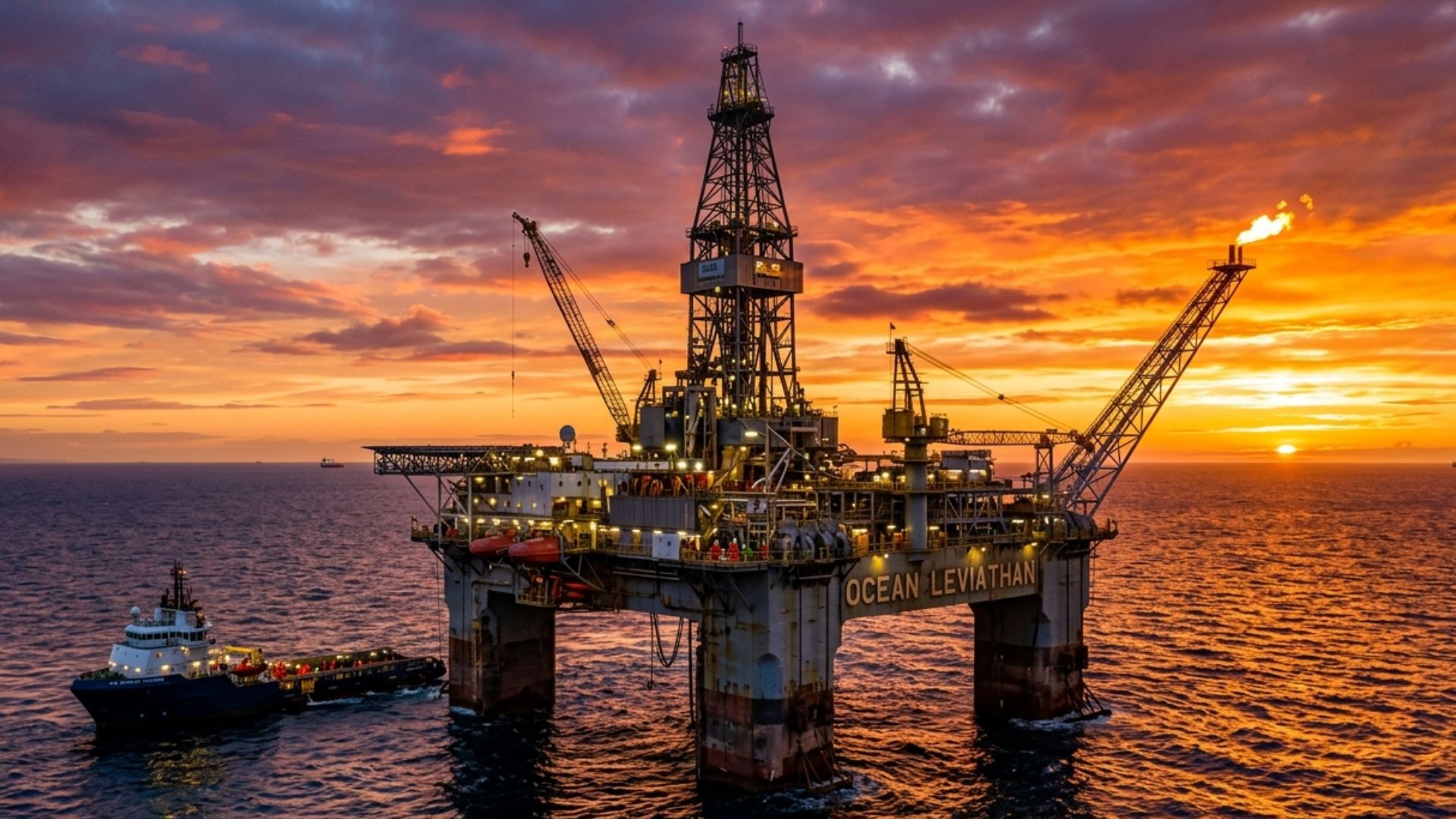
Brava Energia begins drilling in Papa-Terra and Atlanta and could change the game by reducing costs in oil while increasing production and strengthening competitiveness in the offshore market.
Although the use of oil has ancient roots — peoples such as the Mesopotamians already applied bitumen to waterproof boats and buildings — oil as a relevant energy source emerged in the 19th century.
According to the International Energy Agency (IEA), in 1859, Edwin Drake drilled the first commercial well in the United States, marking the beginning of the modern oil industry.
Throughout the 20th century, oil solidified as the world’s primary fuel. The invention of internal combustion engines, the popularization of automobiles, and industrial growth made oil a vital resource for the global economy.
As data from the Intergovernmental Panel on Climate Change (IPCC) indicates, this period also brought significant environmental consequences due to the increase in fossil fuel burning.
Natural gas, initially seen as a byproduct of oil, gained prominence in the second half of the 20th century.
Mainly due to being a cleaner energy source than coal, points out the United Nations Industrial Development Organization (UNIDO).
Its expansion is also due to the improvement of extraction and transportation processes.
In addition, the development of infrastructure such as pipelines, refineries, and tankers facilitated access to oil derivatives.
Expanding global consumption and integrating these fuels into the daily lives of societies.
Geopolitics And Technological Evolution
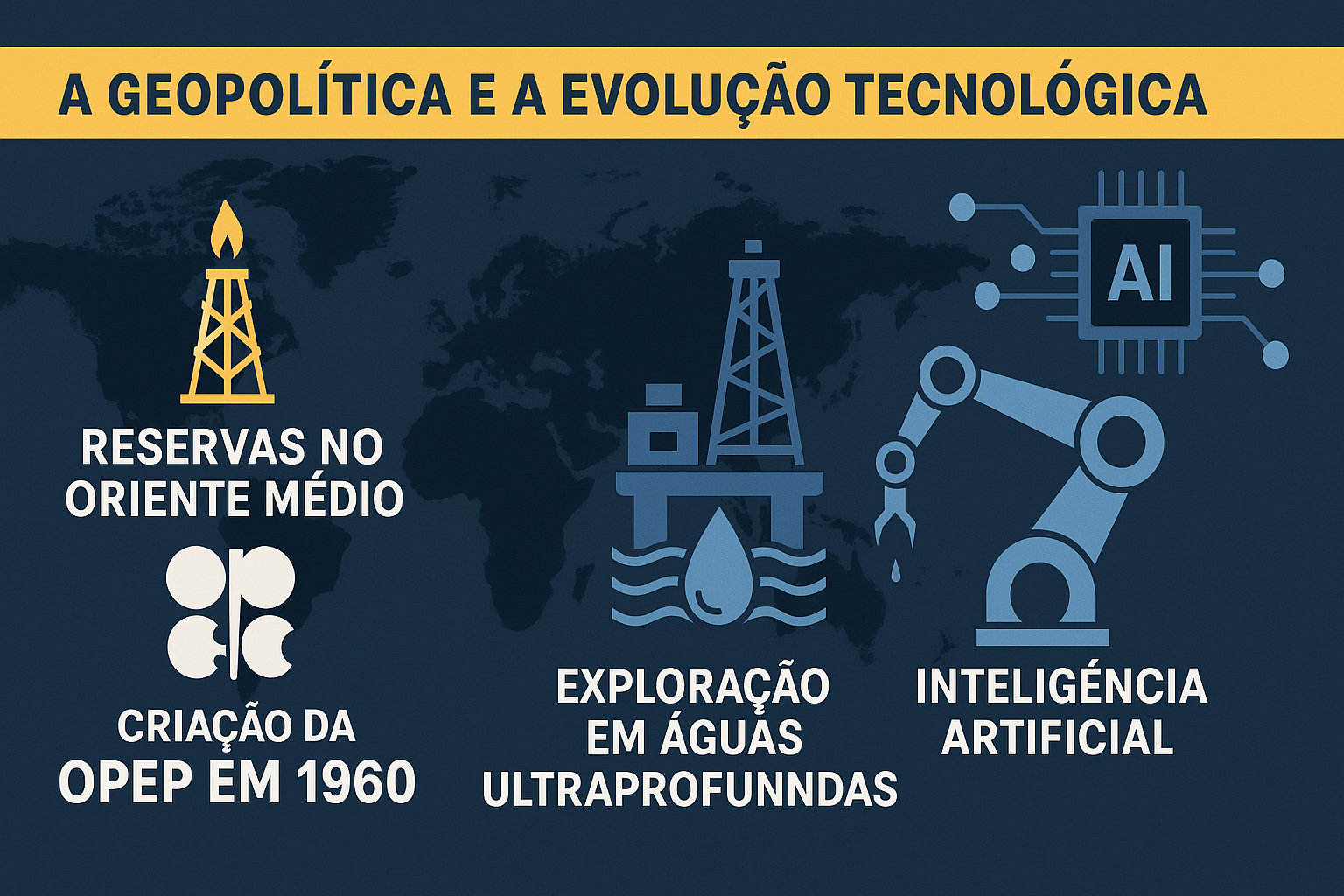
Oil and gas go beyond merely being energy sources, as they exert a direct influence on global geopolitics.
According to the Council on Foreign Relations (CFR):
The discovery of vast reserves in the Middle East during the 20th century positioned the region as a central axis of global economic and political power.
The creation of OPEC in 1960, as explained by the World Bank, was a milestone for coordination among producing countries.
With a direct impact on global oil prices and supply, influencing political and economic decisions worldwide.
Additionally, technological advancements have expanded extraction possibilities.
Previously limited to shallow wells or places where oil surfaced, it is now possible to explore reserves in ultra-deep waters and pre-salt areas, as exemplified by Brazilian discoveries, according to the National Agency of Petroleum, Natural Gas and Biofuels (ANP).
Modern technologies, such as horizontal drilling and the use of artificial intelligence, have increased exploration efficiency, enabling access to areas previously deemed unviable and reducing operational costs.
Sustainability And Energy Transition
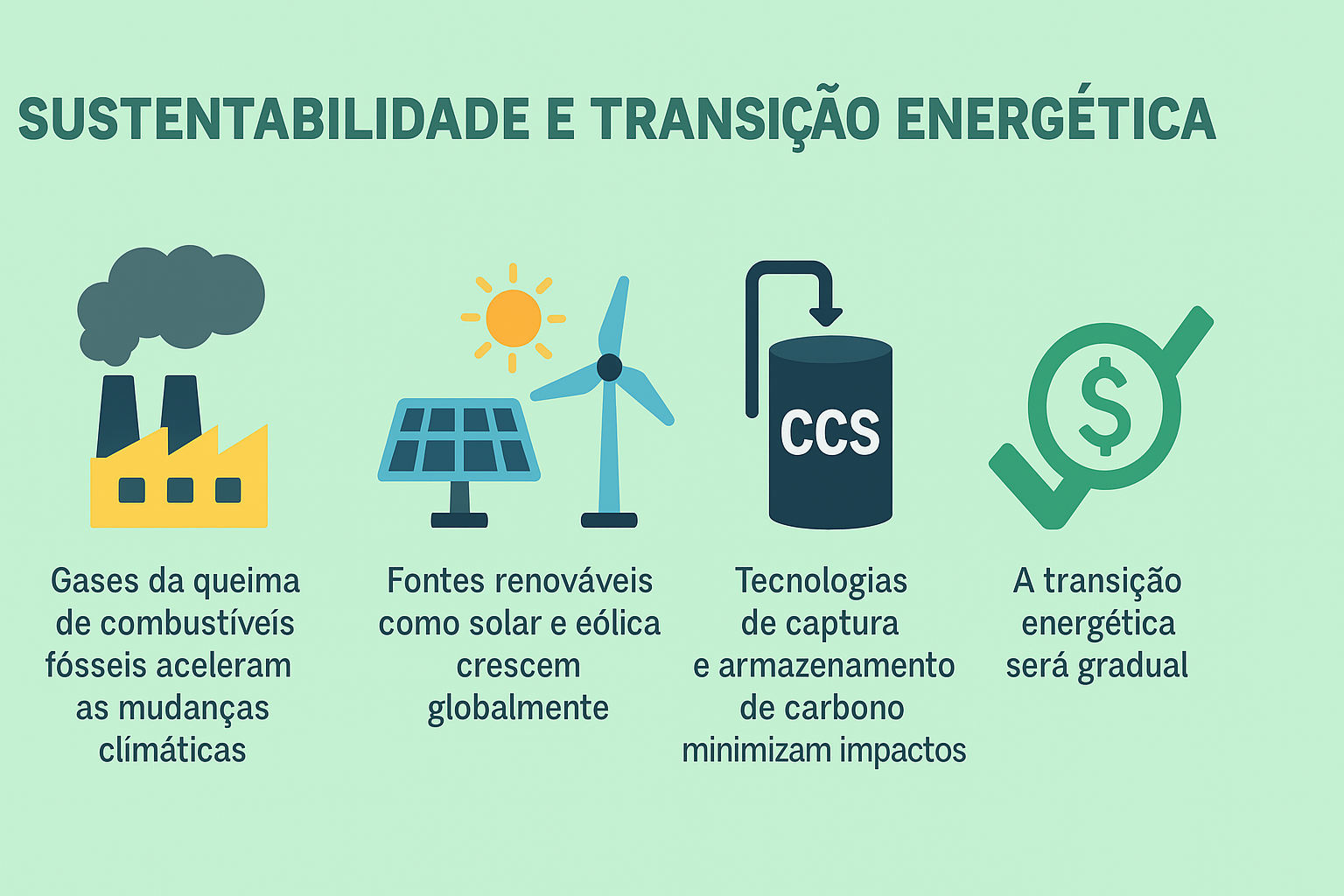
Despite its economic importance, the sector faces significant environmental pressure. The IPCC highlights that gases emitted by fossil fuel burning — among them carbon dioxide — are the primary drivers of accelerated climate change.
In this regard, the search for renewable and cleaner sources, such as solar and wind energy, is growing globally. However, the IEA emphasizes that the energy transition will be gradual.
Developing countries, in particular, will continue to rely on oil and gas for decades.
To minimize environmental impacts, the industry is investing in carbon capture and storage (CCS) technologies that reduce the emission of polluting gases.
Studies from the European Environment Agency indicate that these innovations could be key for sustainable use of fossil fuels in the near future.
Short, Medium, And Long-Term Scenarios
According to the latest quarterly report from the IEA (2024), in the short term, the oil and gas industry is subject to fluctuations caused by geopolitical factors, such as conflicts in producing regions and economic sanctions, which affect global supply and prices.
In the medium term, according to trends from the UN and the World Bank, diversifying the energy matrix will be crucial for countries looking to balance growth and sustainability.
Many are investing in renewable sources, while traditional producers seek to modernize their operations.
Demand for oil and gas is expected to change with the expansion of electric vehicles and the pursuit of energy efficiency.
These changes create a dynamic and competitive landscape where innovation will be essential for the sector’s survival.
In the long term, the IEA projects that natural gas will play the role of a transition fuel, accompanying the advancement of renewable energies until the middle of the 21st century.
The balance between fossil and renewable sources will define the future of the global energy market.
Brazil’s Strategic Position
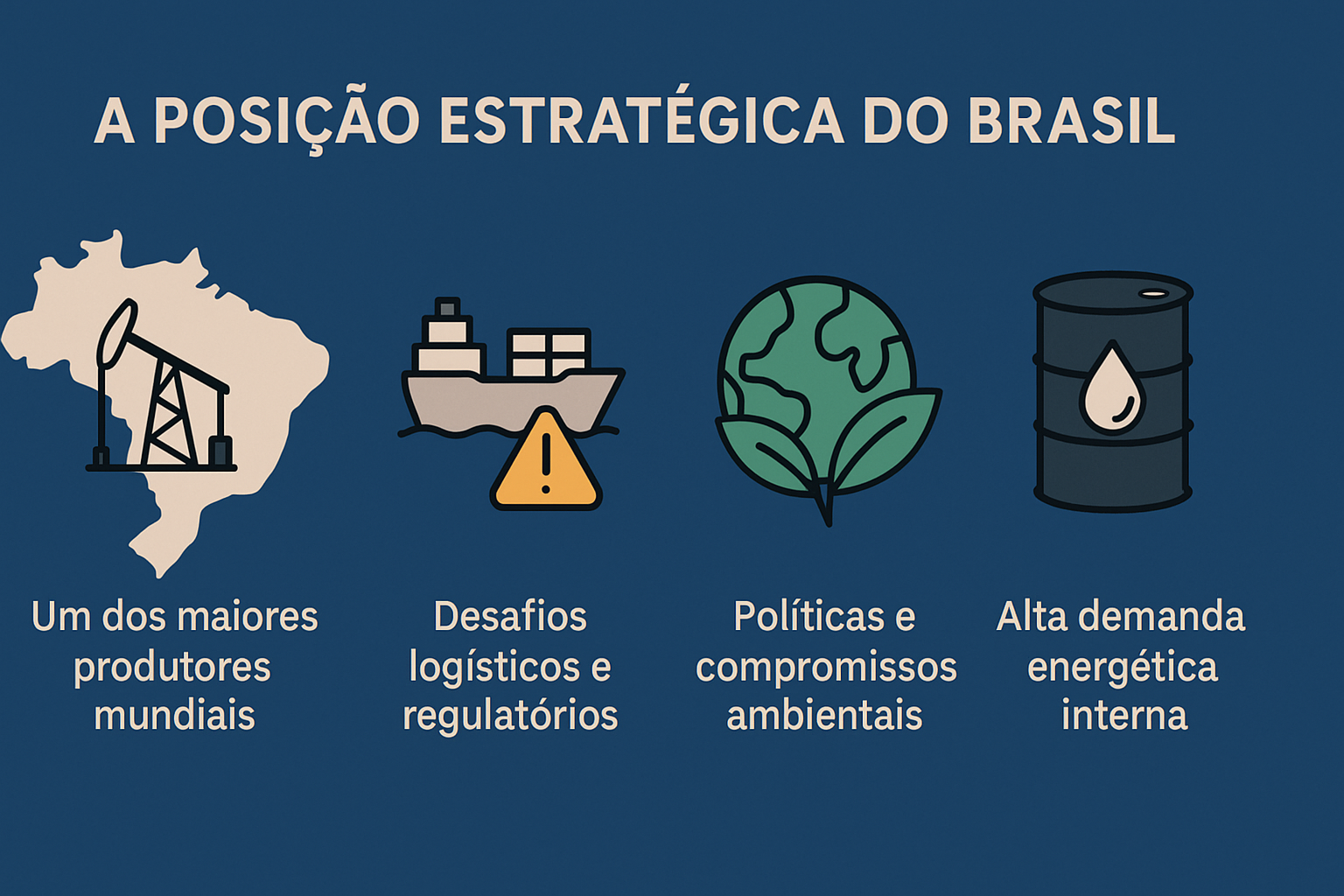
Brazil stands out as an important player in the perspectives of oil and gas.
According to official data from the ANP, in 2023, the country produced around 3 million barrels per day, with the pre-salt accounting for more than 70% of this total.
The reserves in the Santos and Campos basins, along with recent discoveries, attract foreign investments and consolidate Brazil among the largest global producers.
However, Brazil still faces logistical, regulatory, and infrastructure challenges to fully explore its potential.
Public policies and environmental commitment will be crucial for the sustainable development of the sector.
The Petrobras, the Brazilian state-owned company, exemplifies the quest for balance between economic growth and environmental responsibility, implementing projects to reduce impacts and invest in renewable energy.
Furthermore, the Brazilian domestic market maintains a large energy demand, which makes the oil and gas industry an important engine for employment and economic development in the country.
Oil And Gas Perspectives: The Future Of Energy
Thus, the perspectives of oil and gas involve multiple economic, environmental, technological, and social variables.
The sector remains vital to the global economy but needs to adapt to new environmental demands and the advancement of renewable sources.
Technological innovation, commitment to sustainability, and international cooperation will determine whether the sector can balance economic development and environmental protection.
In this way, understanding the ongoing transformations is essential to track the future of energy, the economy, and the planet, in an increasingly connected world that is conscious of environmental limits.








Seja o primeiro a reagir!