





 Portuguese
  English
  Spanish
  5 min of reading
  0 comments


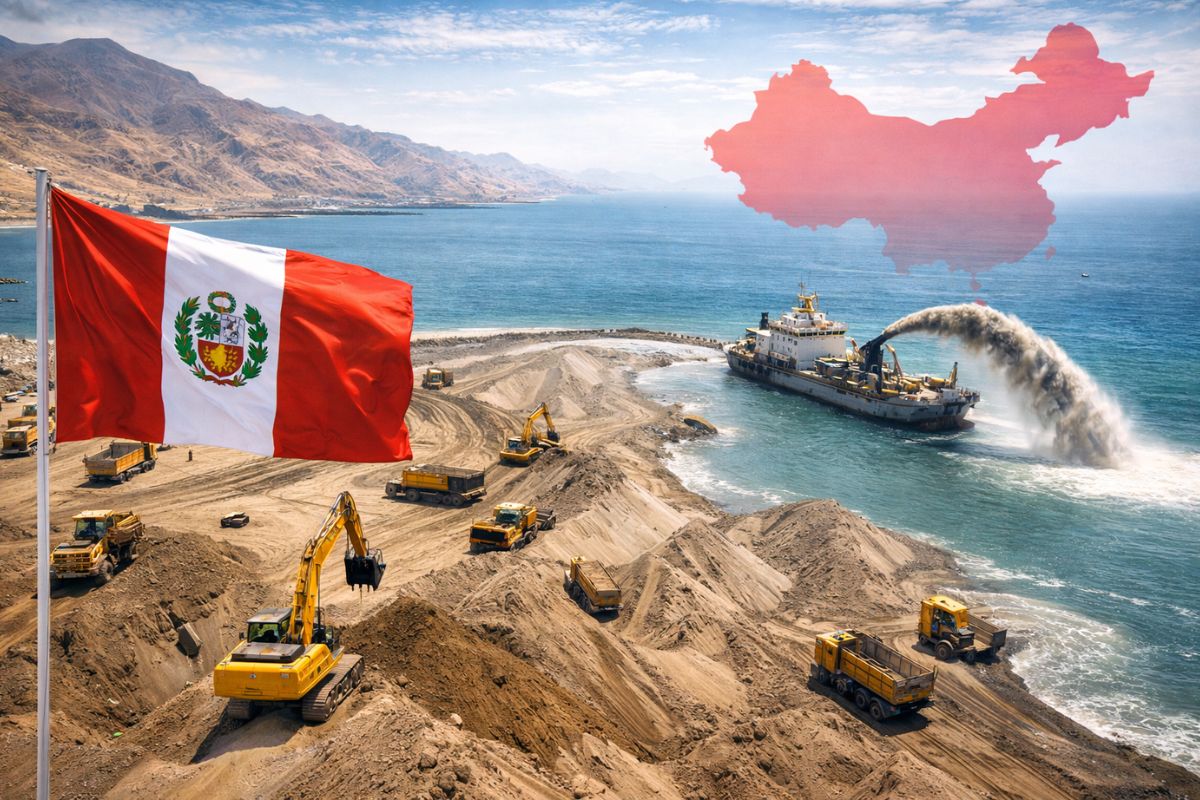
With an Investment of US$ 1.4 Billion, Peru Bets on Chancay on the Pacific Route with Four Berths in 1,500 Meters of Pier and Direct Connection to Guangzhou, Reducing Logistics Costs and Days of Travel Between China and South America for Mega Container Ships on Shorter Global Routes
On April 29, 2025, the Chinese port of Guangzhou inaugurated a direct route to the Peruvian port of Chancay, consolidating Chancay on the Pacific Route as a new connection axis between Asia and South America. The Chinese state broadcaster described the new line as a tool to reduce logistics costs, shorten crossing times, and concentrate cargo from China to Latin America in a unique maritime corridor.
The first phase of the terminal, built by the Chinese state-owned company Cosco with an investment of US$ 1.4 billion, was inaugurated in November 2024 by the Peruvian President Dina Boluarte and Chinese President Xi Jinping in Lima. The project envisions a deep-water port with up to 15 berthing spaces, starting with four berths distributed over 1,500 meters of pier, a design that positions Chancay on the Pacific Route as a key piece of the Chinese strategy to shorten the maritime connection with the South American west coast.
How Chancay on the Pacific Route Changes the Map of China-South America Routes

Located north of Lima, Chancay on the Pacific Route began operations with direct trips to and from Asia, receiving the largest ships from the South American Pacific coast.
-
Scientists transform sawdust into fire-resistant panels, stabilize the compound with an enzyme extracted from watermelon seeds, and turn waste into promising material for construction.

-
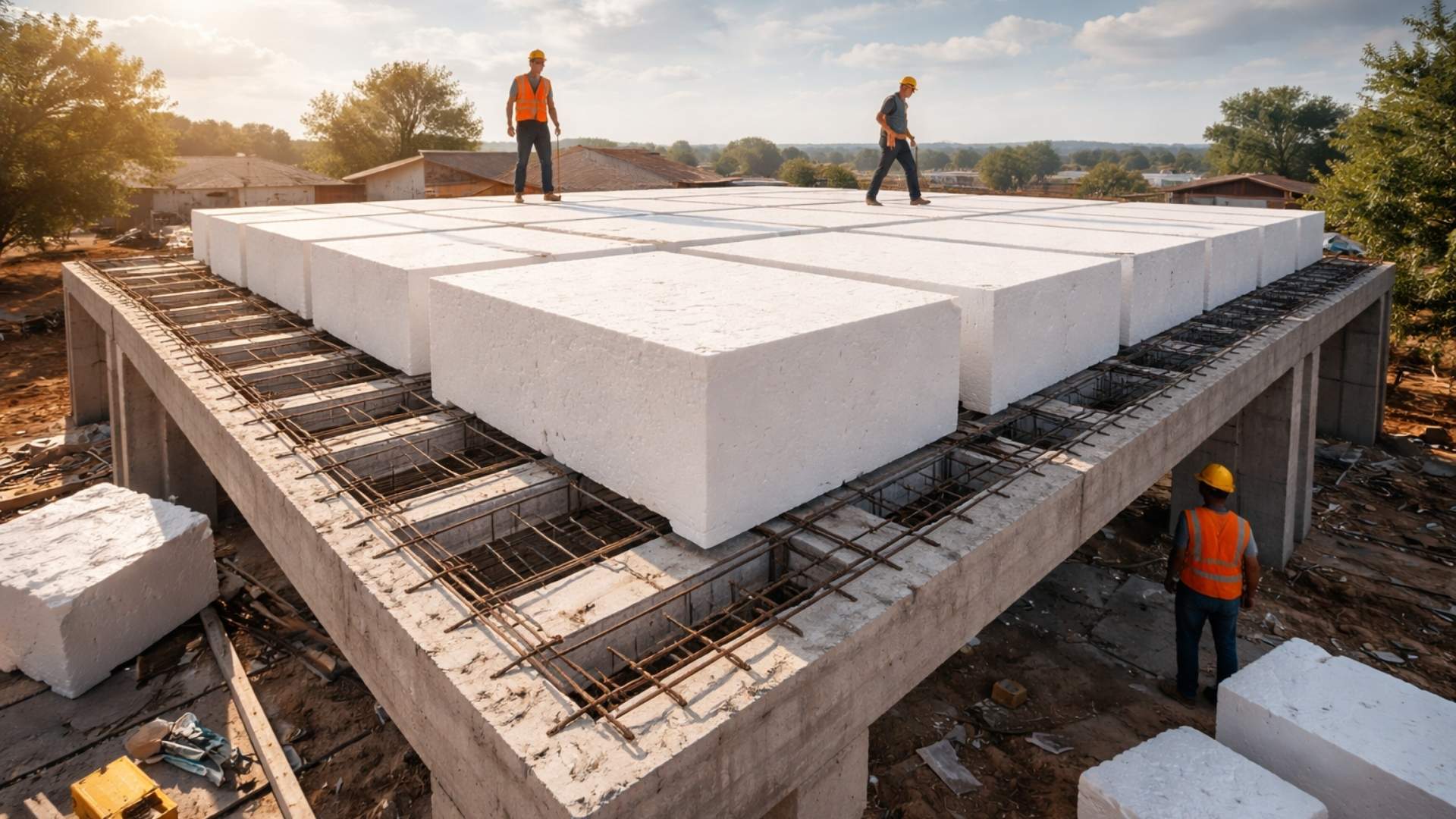
Forget concrete: architects are replacing tons of concrete with giant blocks of expanded polystyrene to build the roofs of houses and reduce structural weight by up to 50%, cut costs, improve thermal insulation, and speed up construction.
-
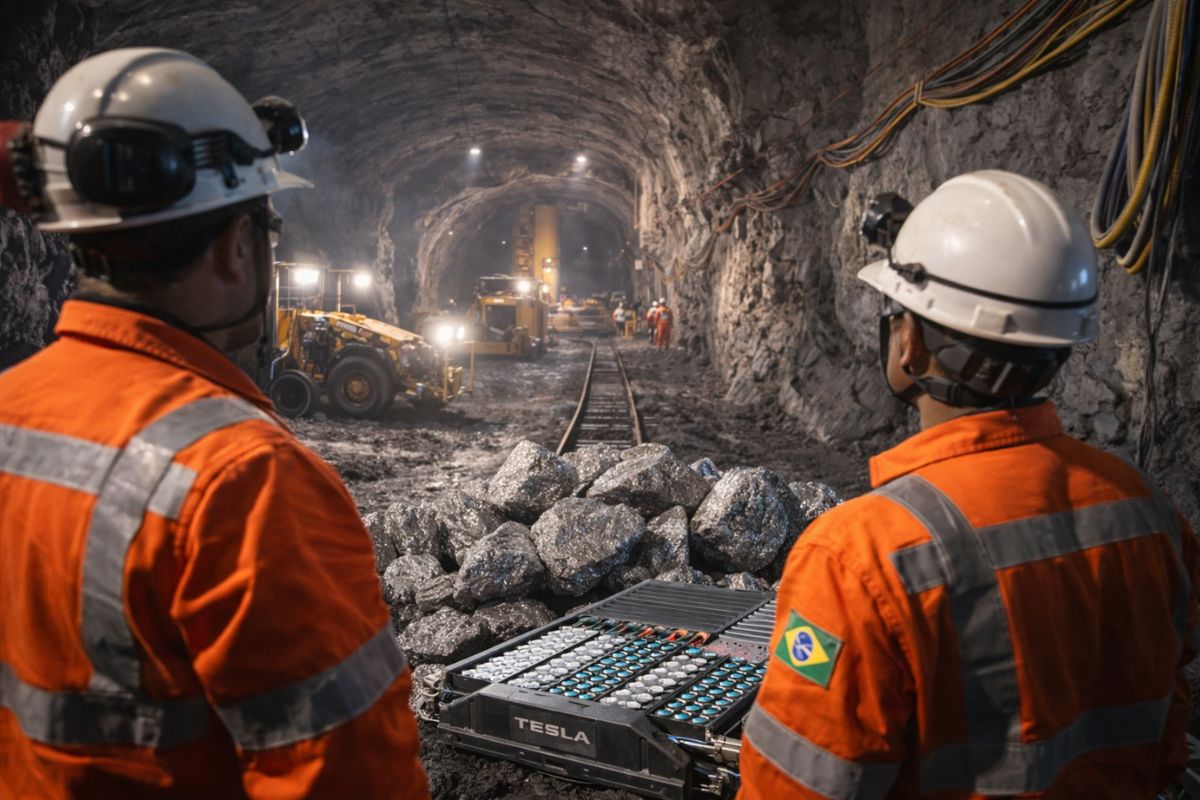
The Brazilian state enters the center of the global race for critical minerals by starting the construction of the largest underground nickel mine in Latin America, a mineral essential for electric car batteries that the entire world is competing for at this moment.
-
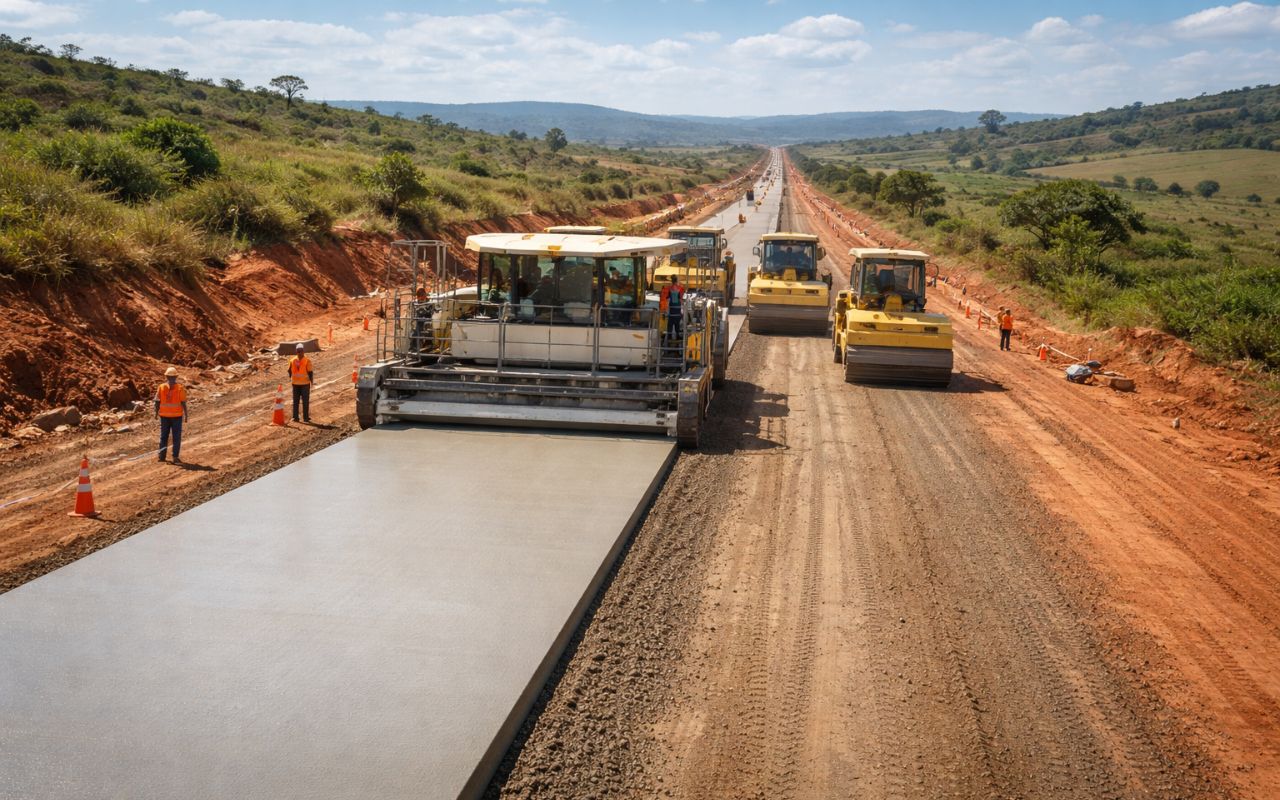
New CCR concrete paving technology promises roads up to 3x more durable, less maintenance, and cost reduction in Brazil.

The new route, which leaves from the Nansha terminal in Guangzhou, reaches Peru in about 30 days, with an estimated reduction of approximately 20 percent in logistics costs compared to traditional routes used until now.
In practice, the Chancay-Guangzhou corridor starts to compete for cargo with routes that use multiple stops or other ports in the region, such as Manzanillo in Mexico and San Antonio in Chile.
By placing Chancay on the Pacific Route with a direct connection to China, Peru aims to capture part of the container flow that previously disembarked at competing terminals, offering shorter travel times and closer integration with the Chinese logistics chain.
Physical Structure of the Port: Four Berths Today, Up to 15 Spaces in the Full Plan

The design of the first phase of the port features four berths aligned over 1,500 meters of pier, with deep draft and yards sized to accommodate large vessels typically used on major container routes around the world.
This initial configuration is part of a long-term plan that envisions up to 15 berthing spaces, forming a deep-water port complex with regional scale.
From the Peruvian coast, Chancay on the Pacific Route projects itself as a terminal capable of operating mega-vessels that already visit established Asian ports.
For the Peruvian government and Cosco, the combination of deep berths, long piers, and integrated logistics backyards is likely to reduce intermediary transport steps, concentrating in Chancay cargo that, in the past, required transshipment in other countries before reaching the South American Pacific.
The Role of Guangzhou, Cosco, and the New Direct Line
The port of Guangzhou, the largest maritime transportation hub in southern China, has become the starting point of the line that puts Chancay on the Pacific Route with regular frequency.
On the inaugural trip of the route, the COSCO Volga, measuring 300 meters in length, carried over 400 containers filled with refrigerators, household appliance accessories, auto parts, and other goods produced in Guangdong province, reinforcing the industrial character of the connection.
According to the Chinese state broadcaster, the direct route is expected to accelerate the connection between the Nansha terminal and Latin American ports such as Manzanillo in Mexico and San Antonio in Chile.
By making Chancay on the Pacific Route a fixed point on this board, Cosco begins to operate an axis that concentrates Chinese exports of household appliances, electronic products, furniture, and toys, while also organizing the return flow with cargo from the South Pacific coast.
Latin American Exports and the Return of Chancay to China
In the opposite direction of the route, high-quality fruits and seafood from the Pacific coast, along with red wine from the Andean region, are set to reach the Chinese market more quickly.
The design of the direct line allows producers from neighboring countries to use Chancay on the Pacific Route as a shipping platform, concentrating agricultural and fishery volumes destined for Asian consumers.
For exporters from South America, the reduction in transit time and logistics costs can enhance the competitiveness of perishable goods, which rely on shorter timelines in refrigerated containers.
The strategy of positioning Chancay on the Pacific Route as a regional hub aims specifically to reduce losses in the cold chain, facilitate harvest planning, and organize long-term contracts with Chinese importers of food, beverages, and seafood protein.
Chancay on the Pacific Route and the Maritime Silk Road
At the inauguration of the first phase, Xi Jinping described the port as the successful beginning of a “21st Century Maritime Silk Road” and part of the Belt and Road Initiative, a program aimed at connecting China to markets in Asia, Africa, Europe, and Latin America through infrastructure corridors.
In this context, Chancay on the Pacific Route appears as an advanced outpost of Chinese presence on the South American coastline.
China is expected to invest additional billions of dollars to expand the terminal’s capacity, while Beijing and Lima work to position the city as a maritime transport hub between Asia and South America.
By structuring Chancay on the Pacific Route as a long-term hub, Peru is participating in a geopolitical redesign of routes and economic alliances, where port terminals operate as extensions of Chinese foreign policy and industrial strategy.
Risks and Opportunities for Peru and the Region
On the opportunity side, the presence of a deep-water port operated by a large international group tends to attract logistics terminals, industrial parks, and associated services, generating direct and indirect jobs in the surrounding area.
The reduction of logistics costs can also benefit Peruvian exporters in mining, agribusiness, and manufacturing, who now have more predictable access to the Asian market from Chancay on the Pacific Route.
At the same time, the concentration of operational control and investments in the hands of a large foreign operator raises discussions about strategic security, regulatory governance, and the balance of power between the Peruvian state and Cosco.
The way Peru manages contracts, tariffs, environmental impacts, and integration with other national ports will be decisive in determining whether Chancay on the Pacific Route will consolidate as a development lever or as excessively dependent infrastructure on decisions made in Beijing.
In your opinion, does Peru’s bet on Chancay on the Pacific Route as a new hub for China in South America strengthen the region’s logistical autonomy or increase dependence on a single Asian partner in the coming decades?







-

-

-

-

-

16 pessoas reagiram a isso.