





 Portuguese
  English
  Spanish
  3 min of reading
  0 comments



With The Peso In Free Fall And Reserves Running Out, The Milei Government Intensifies Dollar Sales And Reinstalls Exchange Controls To Contain The Collapse On The Eve Of Legislative Elections
The short-term interest rates in Argentina reached a historic level of 87% on Wednesday (8), the highest since the currency collapse in 2019. The abrupt jump occurred after the government of Javier Milei intensified dollar sales to try to defend the Argentine peso, which has been rapidly depreciating over the past few weeks.
The yield on Treasury Lecap bonds, maturing on November 28, jumped from 51% at the end of last week to 74% on Tuesday, reaching 87% the next day — five points above the previous record. The movement reflects an increasingly fearful market regarding the government’s ability to control inflation and avoid a large-scale financial collapse.
According to a report published by Infomoney, the surge in rates was accompanied by a new wave of currency interventions. The Argentine Treasury sold dollars for the seventh consecutive session, moving US$ 320 million in this session alone. Over this period, the total amount of foreign currency sold reached US$ 1.8 billion, draining the already limited international reserves.
-
IPTU exemption for seniors in 2026: see how to secure the benefit.

-
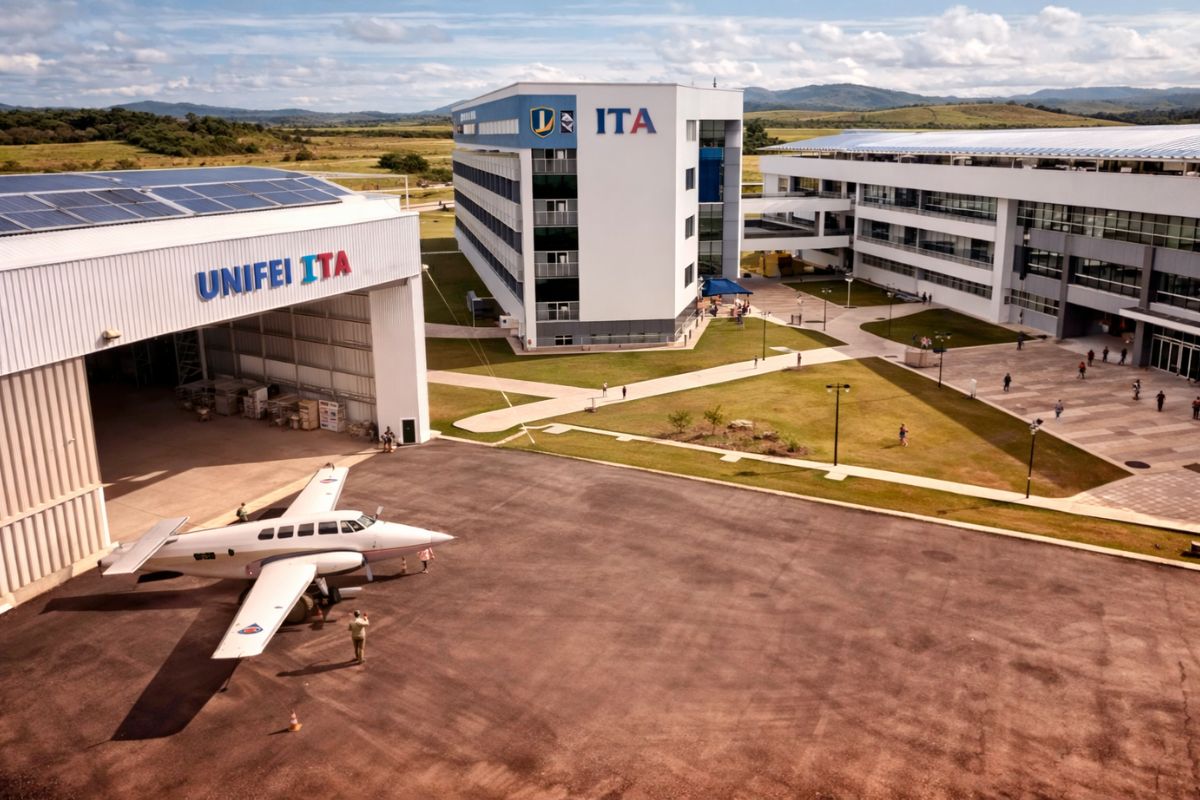
The institute that trained the greatest aerospace engineers in Brazil has just opened its first campus outside São Paulo after 75 years: ITA Ceará will have R$ 445 million, new courses in energy and systems, and classes are expected to start in 2027.
-
Luciano Hang, owner of Havan, goes to Juiz de Fora after the tragedy in February, brings R$ 1 million, hands out R$ 2,000 cards, and donates up to R$ 15,000 to victims in the region.

-
The Brazilian passport allows legal residence in dozens of countries without the need for a prior visa, and most Brazilians are unaware that they can apply for residency directly upon arriving in nations in South America, Africa, and even Europe.


Dollar Sales And Exchange Controls Show Short Breath
To try to curb capital flight and the advance of inflation, the Milei government has again restricted currency operations and tightened control over the future dollar market. However, the more the Central Bank and Treasury need to intervene, the more evident the unsustainability of the current exchange rate becomes, according to local analysts.
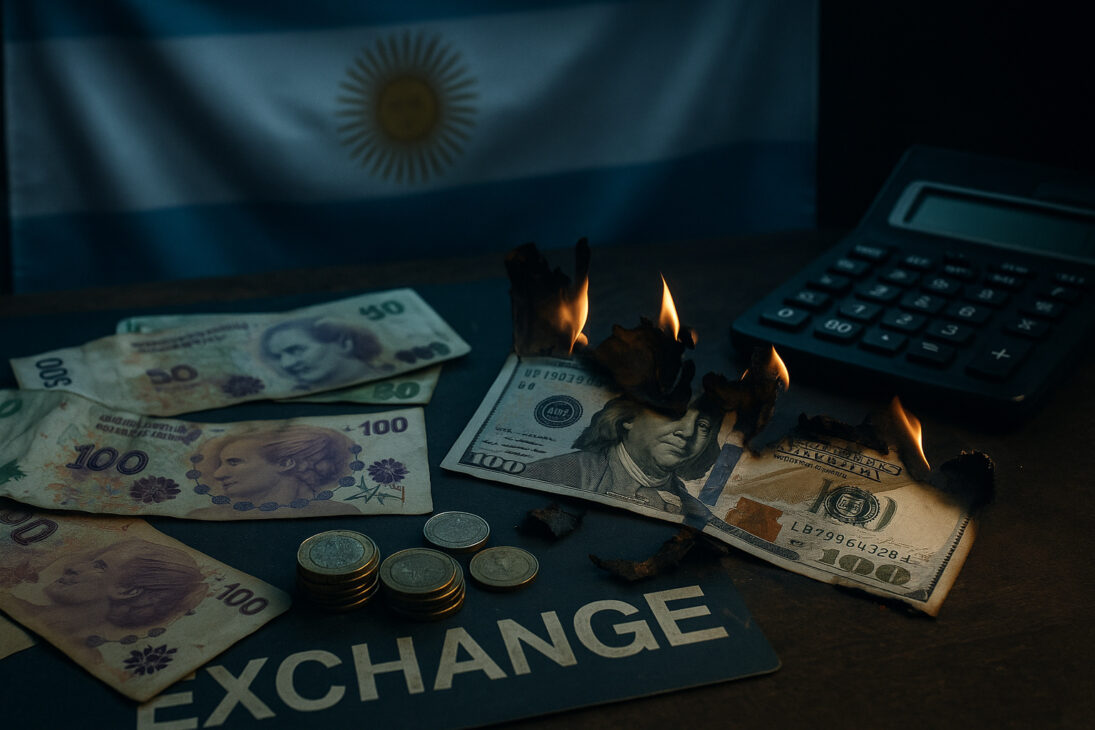
The Central Bank of the Argentine Republic (BCRA) burned US$ 1.1 billion in reserves just last month to support the peso and now relies on Treasury resources to continue operating. According to the rules of the agreement with the International Monetary Fund (IMF), the monetary authority can only intervene directly if the currency exceeds the established trading band — which increases pressure on the government to seek new sources of funding.
The currency offensive occurs amid a tense political climate leading up to the legislative elections on October 26, when half of the seats in Congress will be at stake. Milei is trying to expand his parliamentary base to approve economic reforms but is facing increasing resistance due to the worsening crisis and loss of popularity.
IMF And The US Try To Calm Markets, But Uncertainty Dominates Investors
The scenario worsened after Milei’s electoral defeat in the Province of Buenos Aires in September. The political setback was accompanied by new corruption scandals involving allies of the president, which undermined market confidence and accelerated the outflow of foreign capital.
A recent announcement of financial aid from the United States provided momentary relief but did not manage to stop the decline of Argentine assets. The managing director of the IMF, Kristalina Georgieva, stated to the Reuters agency that a new decision on financial support for Argentina is expected to be announced soon, keeping investors in suspense.
In the market for public bonds, volatility remains high. After a strong appreciation on Monday, bonds maturing in 2035 fell more than one cent on Tuesday, following fluctuations in the exchange rate. On Wednesday, they slightly rose again following Georgieva’s statements, indicating that any positive signal is received as temporary relief in an environment of structural crisis and loss of confidence.
The future of the Argentine peso remains uncertain, and experts warn that without a deep fiscal reform and a new agreement with the IMF, the country could face the worst economic turbulence of the decade.








Seja o primeiro a reagir!