





 Portuguese
  English
  Spanish
  3 min of reading
  0 comments


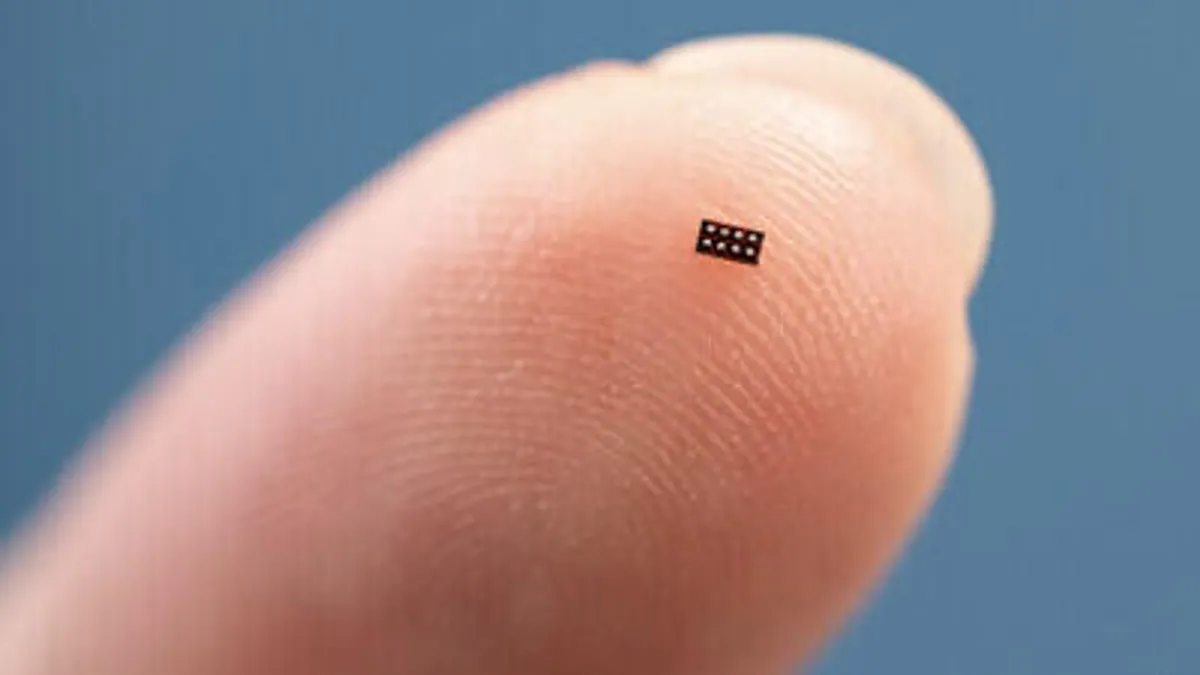
A Particle-Sized Microcontroller Promises to Revolutionize Medicine and Wearable Technology. With Applications Ranging from Smart Pills to Environmental Sensors, This Innovation Opens the Door for Smaller, More Efficient, and Highly Integrable Devices in Daily Life.
A new advance in miniaturization may transform the future of electronics. Texas Instruments has announced the world’s smallest microcontroller, the MSPM0C1104. With only 1.38 square millimeters, it can be integrated into medicine, wearables, and industrial sensors, expanding the possibilities of modern technology.
A Microcontroller the Size of a Peppercorn
Microcontrollers are small programmable computers used in various electronic devices, such as smartwatches, home appliances, and medical equipment.
The MSPM0C1104, from the Arm Cortex-M0+ series, takes miniaturization to the extreme.
-
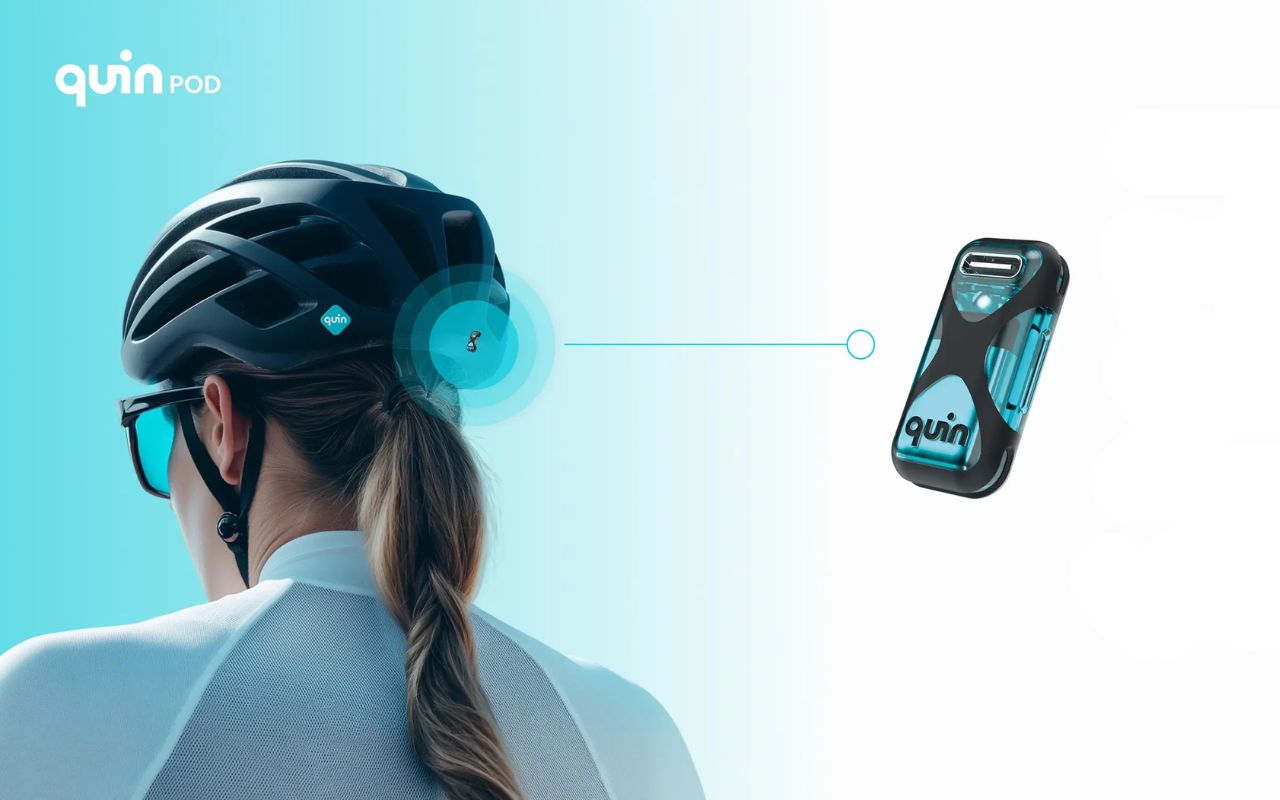
A new technology attached to the helmet can detect motorcycle accidents in seconds, assess the severity, and send the location to emergency services; meet Quin, a small smart device.
-
The bizarre train that uses Cold War jet fighter engines to blast air at over 1,000 km/h, melting ice walls and freeing frozen tracks in minutes where ordinary machines would take hours.

-
Japan is transforming dirty diapers from babies and the elderly into an ambitious and surprising project that could forever change the way the world deals with one of the most difficult types of waste to dispose of.

-
Goodbye to waste: a Brazilian created a revolutionary brick that uses construction debris, has already entered the markets of the United Kingdom and the USA, and promises to shake up the global construction industry.


Despite its small size, it features a 24 MHz processor, 16 KB of flash memory, and 1 KB of SRAM.
It also has a 12-bit analog-to-digital converter, useful for interpreting sensor data. This makes it suitable for applications such as monitoring vital signs and environmental sensors.
The size reduction was made possible thanks to wafer-level chip scale packaging (WLCSP) technology. This process eliminates traditional components, making the chip 38% smaller than its nearest competitor.
This opens new possibilities for ultra-compact devices, such as electronic pills for internal monitoring and more discreet headphones.
William Luk, a consultant at Quandary Peak Research, believes that this innovation could drive new categories of microdevices.
Beyond the end consumer, sectors such as healthcare and surgery can benefit enormously. Smart pills, embedded sensors, and more precise surgical instruments are some of the possibilities, he told CNET.

Efficiency and Resistance for Varied Applications
Texas Instruments highlights the energy efficiency of the new microcontroller. The MSPM0C1104 consumes only 87 microamperes per megahertz when active and 5 microamperes in sleep mode. This is crucial for devices that need to operate for long periods without recharging.
Additionally, the chip can operate in extreme temperatures, from -40 °C to 125 °C. This allows its use in industrial sensors, medical equipment, and consumer electronics exposed to adverse conditions. Sensors in cold storage warehouses and high-temperature medical probes are some of the possible applications.
Accessibility and Market Impact
Texas Instruments aims to make this technology accessible for developers, companies, and researchers. The LaunchPad development kit costs only US$ 5.99, allowing engineers to easily test new applications.
The microcontroller also stands out for its low unit cost. In bulk orders, each unit costs only 20 cents. This may enhance Texas Instruments’ competitiveness in the microcontroller sector, dominated by companies like STMicroelectronics, Infineon, and NXP.
For years, the industry sought to increase chip power. Now, the focus is shifting toward smaller and more efficient devices. The MSPM0C1104 represents this new trend, prioritizing miniaturization and energy savings.
Promising Applications
The market for microdevices is growing. Medical implants can monitor patients in real time and transmit data wirelessly, without the need for invasive procedures.
Tiny environmental sensors can be implanted in hard-to-reach places, collecting information on air quality and water pollutants.
Moreover, personal electronic devices can become more discreet and efficient. Smaller hearing aids, smart pens, and miniature tracking systems are some of the innovations possible with this technology.
Texas Instruments’ advancement may pave the way for a new era of electronics. The world’s smallest microcontroller is not only a technical achievement but also an important step toward more accessible, efficient, and innovative devices.







Seja o primeiro a reagir!