





 Portuguese
  English
  Spanish
  4 min of reading
  0 comments


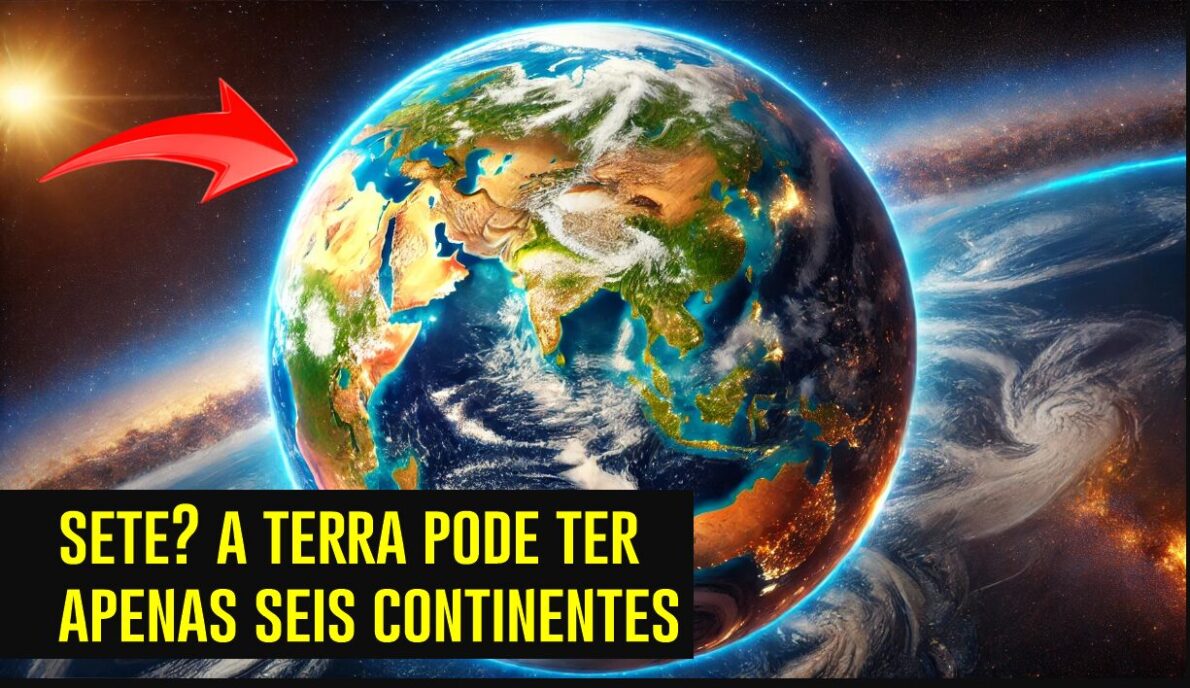
Since We Were Young, We Learned That There Are Seven Continents, But New Discoveries Indicate That The Earth May Have Only Six. Find Out How This Research Is Transforming Our Understanding Of The Geography Of The Planet!
A New Study Published In The Journal Gondwana Research Is Provoking Debates Among Geologists By Proposing That The Number Of Continents May Not Be What We Have Always Believed. According To The Study, The Earth May Have Six Continents, Challenging The Belief That North America And Europe Have Completely Separated.
The Surprising Discovery
The Study, Led By Dr. Jordan Phethean From The University Of Derby, Questions Traditional Concepts About The Separation Of Tectonic Plates Of North America And Eurasia.
According To Dr. Phethean, These Two Plates Are Still Separating, Contrary To The Prevailing View That This Separation Occurred 52 Million Years Ago.
-
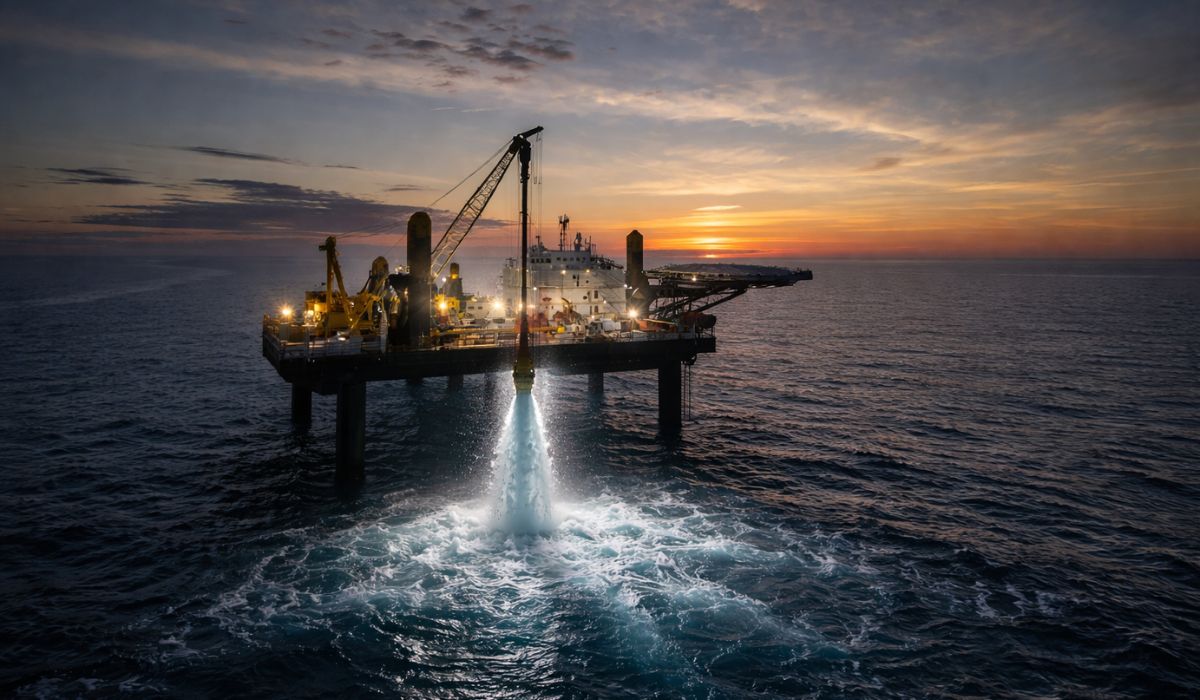
Expedition 501: Scientists drill into the ocean floor and discover a giant reserve of fresh water hidden beneath the sea, extracting nearly 50,000 liters and revealing an invisible system that could reshape the map of water scarcity.
-
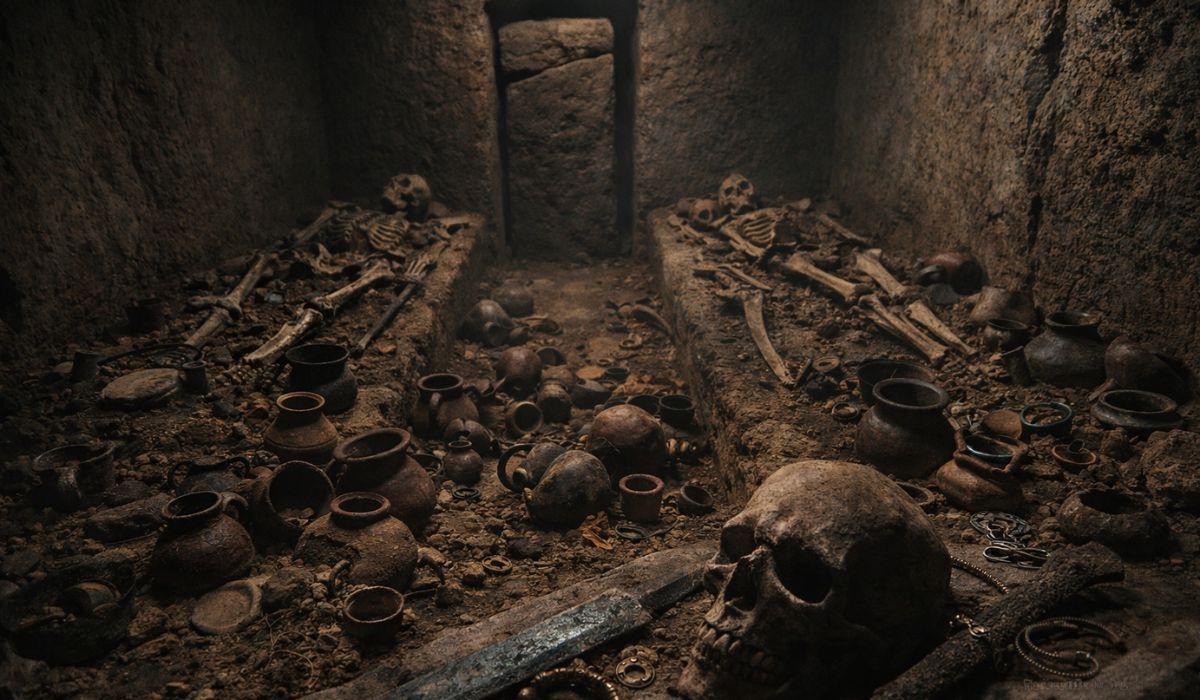
Archaeologists find an intact tomb over 2,500 years old, with more than 100 preserved objects, weapons, jewelry, and human remains never touched.
-
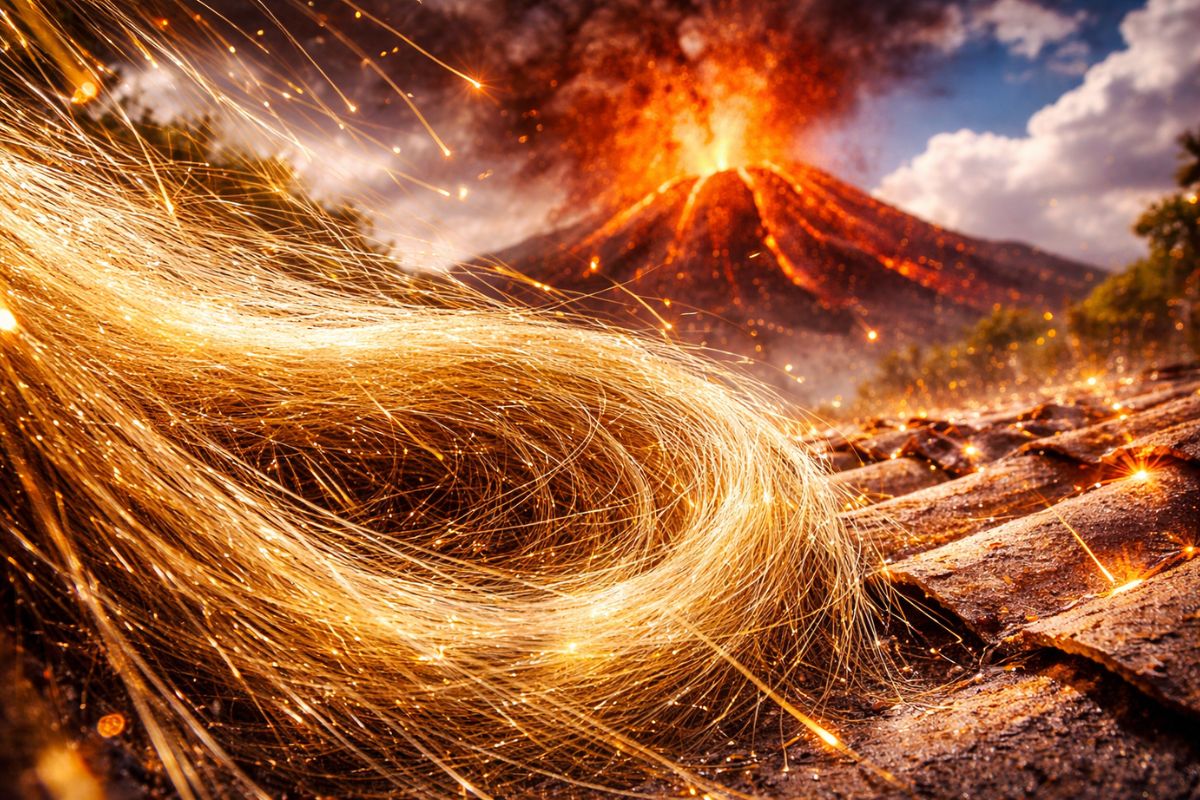
Volcanic lava transforms into threads as fine as human hair that travel over 30 kilometers by wind and fall like cutting rain on roofs and backyards in Hawaii and Iceland.
-
NASA issues a warning for the feared Godzilla El Niño that could change the planet’s climate in 2026 with extreme warming of the Pacific capable of causing devastating droughts in some regions and historic floods in others simultaneously.

In Other Words, North America And Europe May Still Be Geologically Connected And Thus Should Be Viewed As Part Of A Single Continent. This Statement Is Surprising Because It Alters The Way We Understand The Division Of Continents In The Past And Even Present.
The Role Of Iceland In The Process
The Research Focused Particularly On Iceland, Which Until Now Was Considered A Volcanic Island Formed About 60 Million Years Ago.
The Dominant Theory Was That The Mid-Atlantic Ridge, A Tectonic Boundary Between The North American And Eurasian Plates, Triggered The Formation Of Iceland Through A Hot Spot In The Earth’s Mantle.
However, New Studies Show That Iceland, Together With The Region Known As Greenland Iceland Faroe Ridge (GIFR), Contains Fragments Of The Tectonic Plates Of Europe And North America. This Indicates That These Areas Are Not Independent But Part Of A Much Larger Tectonic Structure.
The Concept Of “Rift” And The Lost Continent
Scientists Coined The Term “Rifted Oceanic Magmatic Plateau” (ROMP) To Describe The New Geological Feature Discovered.
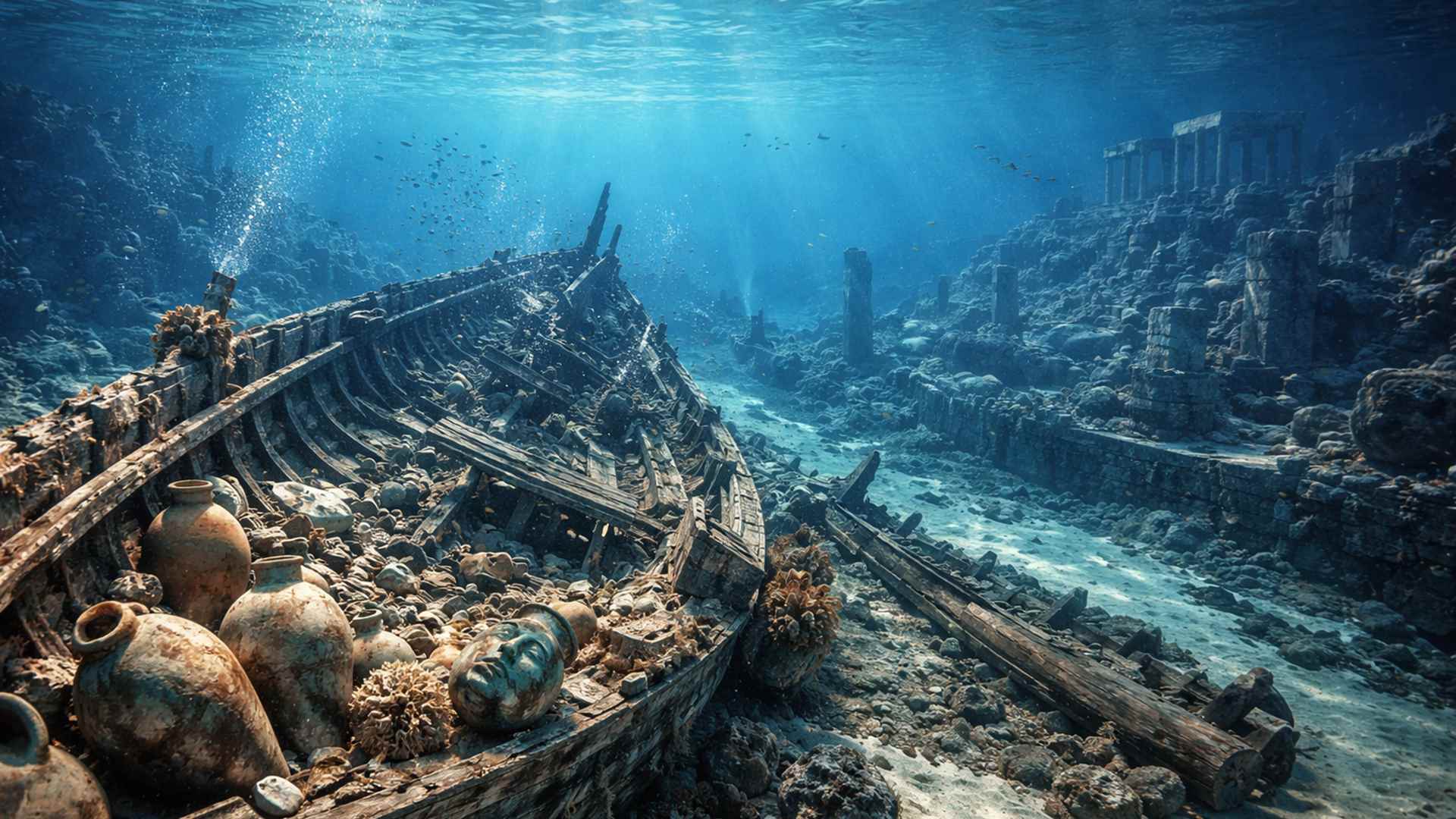
This Structure, According To Phethean And His Team, Significantly Alters The Way We Understand The Formation Of Continents. The Study Suggests That Pieces Of A Lost Continent Are Submerged Beneath The Ocean’s Surface, Which Dr. Phethean Compared To The Mythical Atlantis, Given The Scale And Importance Of The Discovery.
Iceland And Africa: An Unexpected Link
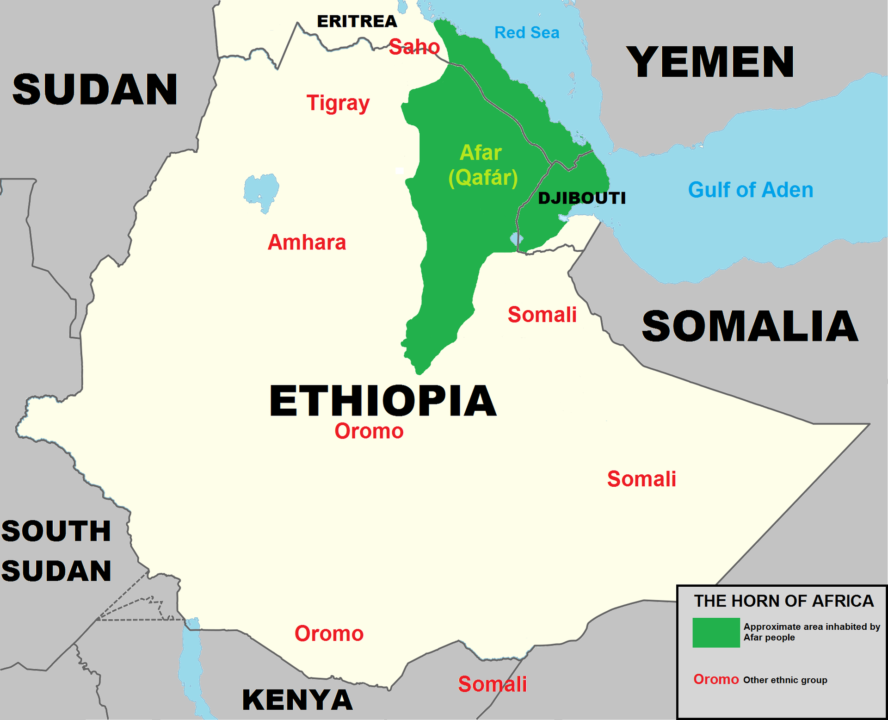
Another Intriguing Point Of The Research Was The Geological Similarity Between Iceland And The Volcanic Afar Region In Africa. According To The Study, Both Areas Share Similar Tectonic Characteristics.
This Reinforces The Idea That The Separation Between The North American And European Plates Has Not Yet Been Completed, Suggesting A Deep Connection Between Continents That Are Apparently Very Distant.
If These Findings Are Confirmed, The Idea That Continents Are In Constant Motion Will Be Taken To Another Level. Europe And North America May Be More Interconnected Than Previously Thought, And The Final Separation May Still Be Ongoing.
Future Implications And The Need For More Studies
Phethean Admits That His Findings Are Controversial, But He Firmly Believes That His Conclusions Are Well-Founded. “It Is A Bold Hypothesis, But We Believe The Data Supports This Theory. There Is Evidence That The GIFR Contains Significant Continental Crust, Suggesting That The Separation Of The Tectonic Plates May Not Have Occurred The Way We Imagined,” He Stated.
The Team Of Researchers Is Still In The Early Stages Of Investigations And Intends To Conduct More Analyses. To Validate Their Theory, They Are Studying The Volcanic Rocks Of Iceland And Using Computer Simulations To Better Understand The Process That Led To The Formation Of The ROMP.
If This Research Continues To Provide Favorable Data, It Could Change The Way Geological Science Views The Past And Future Of The Earth.
Continents In Motion And The Future Of The Earth
This Is Not The First Time Dr. Phethean Has Encountered An Impressive Discovery. Previously, He Identified A “Proto-Microcontinent” Between Canada And Greenland, Buried In The Davis Strait, Which Would Be The Size Of England. This Shows How Complex And Constantly Evolving Tectonic Plate Dynamics Are.
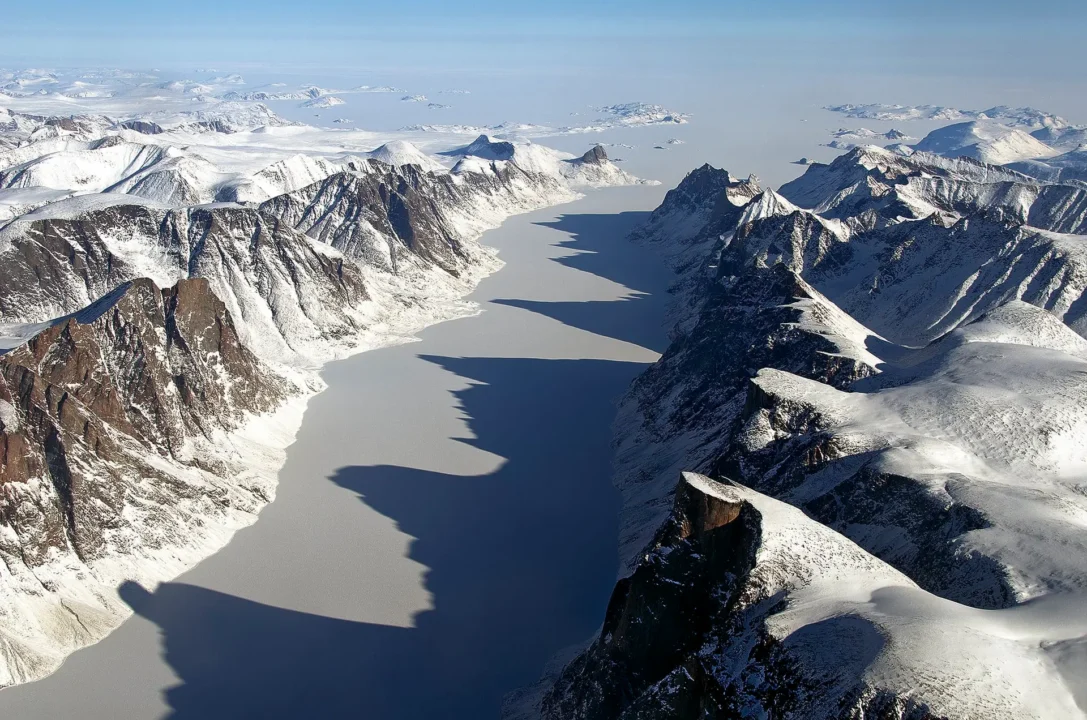
The Rifting Phenomenon — The Formation Of Cracks That Divide Land Masses — And The Creation Of Microcontinents Provide Crucial Clues For Scientists. These Events Help To Better Understand How Continents Behave, As Well As Providing Valuable Information About The Availability Of Natural Resources In The Future.
Based On This New Study, Our Understanding Of Continents May Need A Deep Revision. The Idea That North America And Europe Are Still In The Process Of Separation Challenges Long-Standing Beliefs And Opens New Horizons For The Study Of Earth’s Dynamics.
If Scientists Confirm These Findings, It May Be That The World Map As We Know It Needs To Be Redrawn, Offering A New Perspective On How Continents Form And Evolve.
In Light Of These Evidences, It Is Clear That Geology Still Has Much To Teach Us About Our Planet. And, Who Knows, The Discovery Of New “Lost Continents” In The Near Future May Forever Change Our View Of The Earth.





Seja o primeiro a reagir!