





 Portuguese
  English
  Spanish
  2 min of reading


New Coating To Increase Performance Of A Solar Panel Can Be Up To 40% More Economical
Researchers from Carlos III University in Madrid (Spain) and Minia University (Egypt) created a new coating capable of increasing the design of the solar panel by 40%. Such coatings were tested by the researchers on silicon panels, and in addition to the 40% performance, there is also a greater production efficiency with the created coating. The research was published in the scientific journal Solar Energy, which is edited by the International Solar Energy Society.
Also Read
Coating Created By Researchers Can Revolutionize Solar Energy
The research was published in the scientific journal Solar Energy, which is edited by the International Solar Energy Society. According to Mahmoud Elshorbagy, one of the researchers, the coating is a metasurface, meaning a surface made up of artificial materials repeating in a pattern.
This layer consists of a nanostructured architecture, formed by extremely small particles. In the researchers’ study, the coating used was cross-shaped and was etched onto the silicon solar cells in an area where solar energy enters. The crosses are filled with dielectric materials, which are insulators. This construction facilitates the arrival of sunlight to the layer of the panel where it will be transformed into electrical current.
-
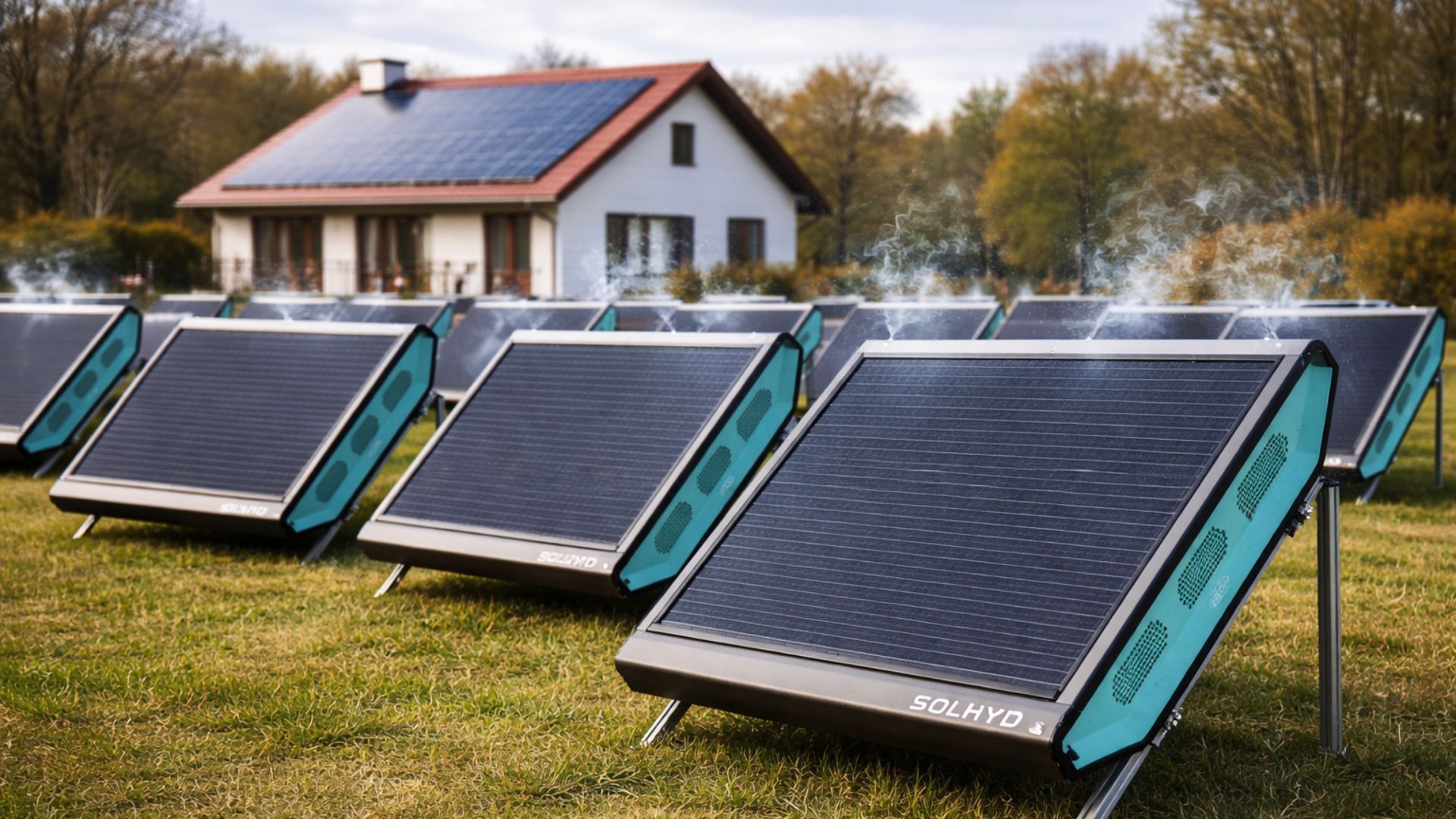
Green hydrogen at home: Belgium launches new technology that makes solar panels produce fuel from the moisture in the air, which could boost the energy transition.
-
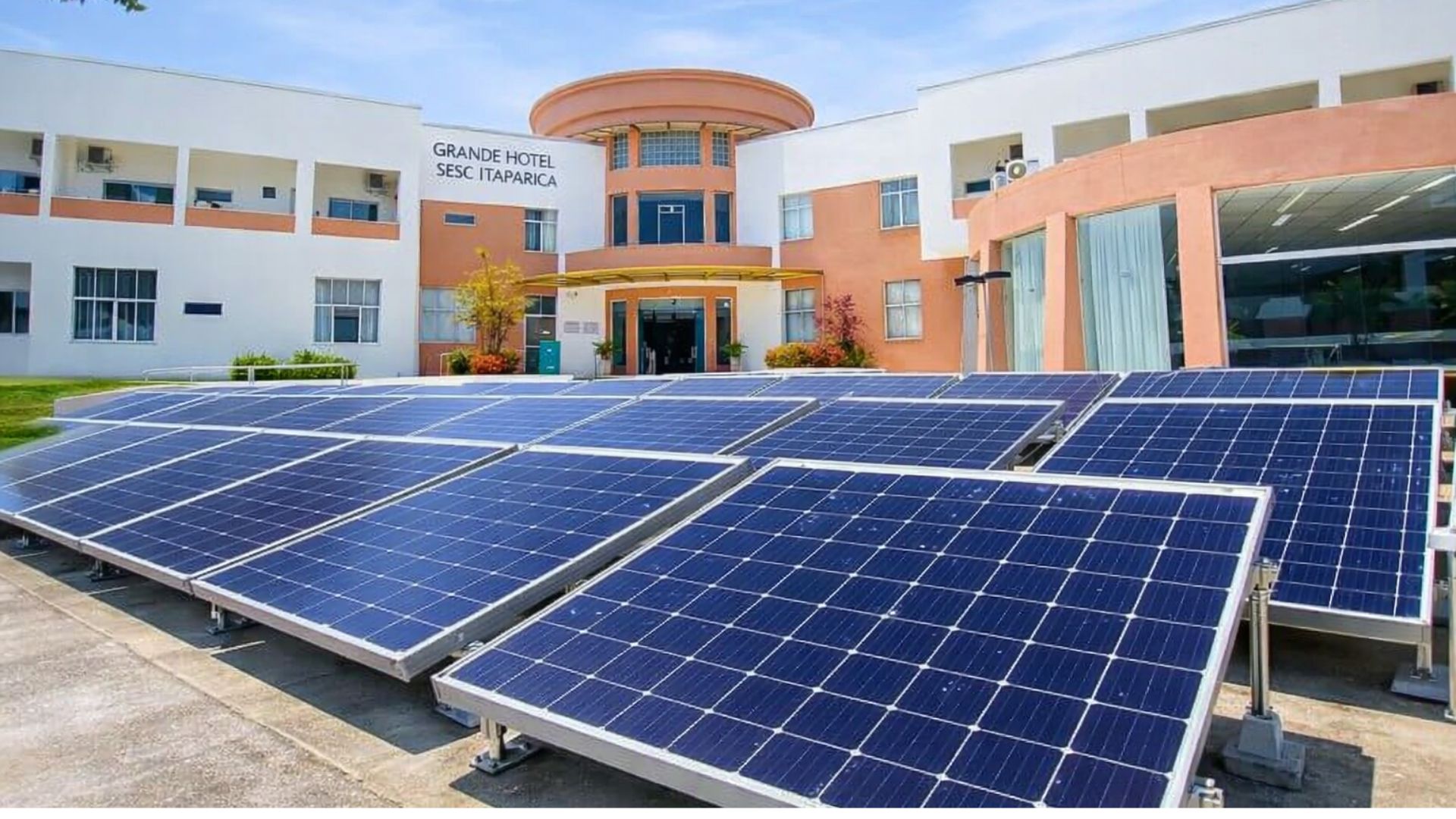
Sesc-BA bets on renewable energy with the support of EDP and drives the energy transition with a direct impact on cost reduction and the sustainability of its operations in Bahia.
-
Technology giant breaks global sustainability records: How Amazon’s leadership in renewable energy procurement transformed the global energy market in the past year.

-
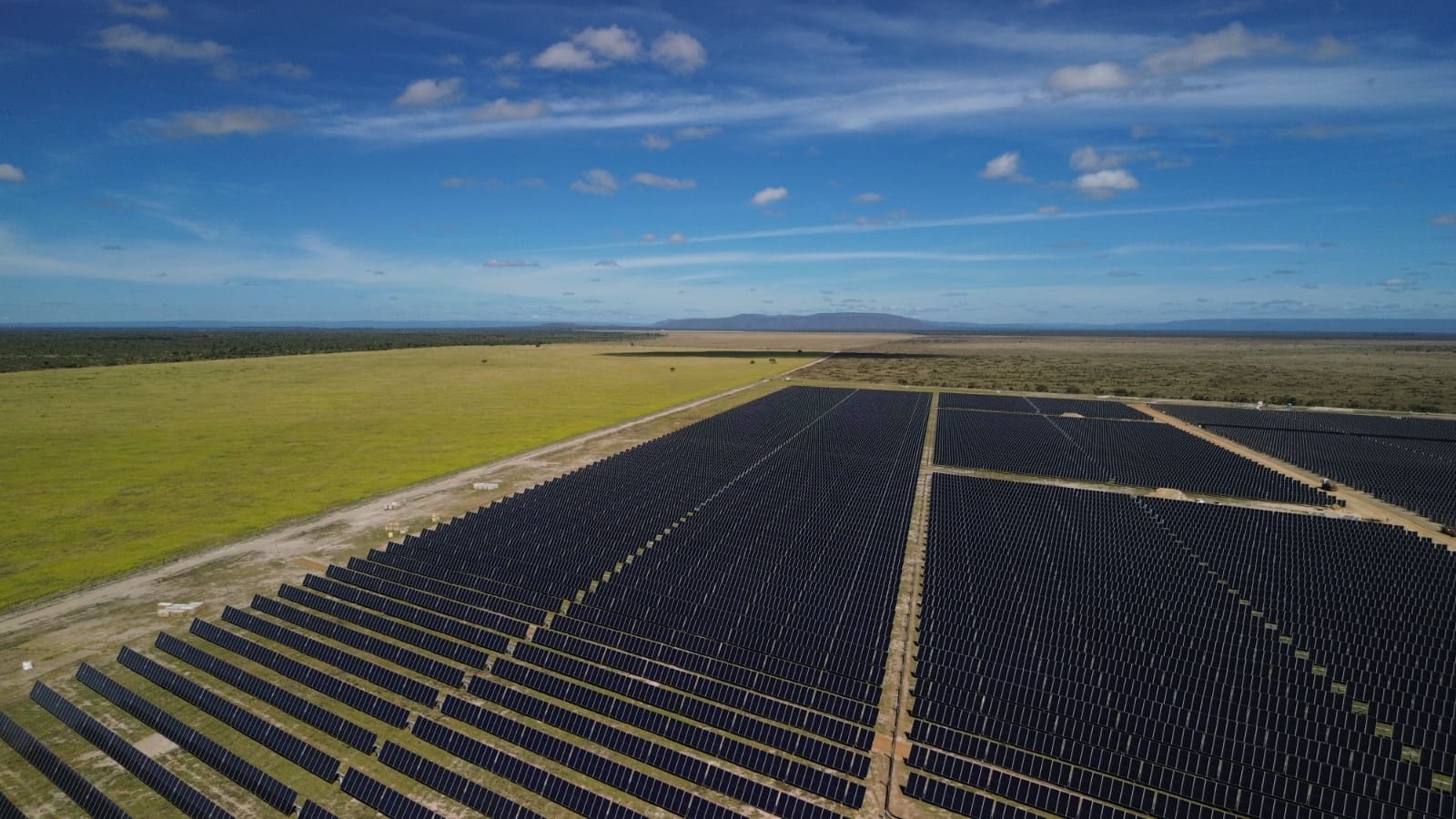
Alert in the electric sector: Atlas Renewable Energy confirms billion-dollar investment and Brazil risks losing a share of the new investment in Latin America to neighboring countries.

Gain In Efficiency In Solar Energy
The best results were achieved with zinc oxide nanospheres with diameters of 420 nanometers. For perspective, the thickness of a human hair ranges from 60,000 to 80,000 nanometers.
The effects produced are another advantage of the coating. They allow the thickness of the active layer of the solar cell to be reduced, generating current more efficiently, saving material during the manufacturing process.
“By reducing this layer, the extraction of the electrons generated by light is also more effective, since they have less distance to travel where they could be reabsorbed,” the researchers wrote.










Seja o primeiro a reagir!