Portuguese
  Spanish


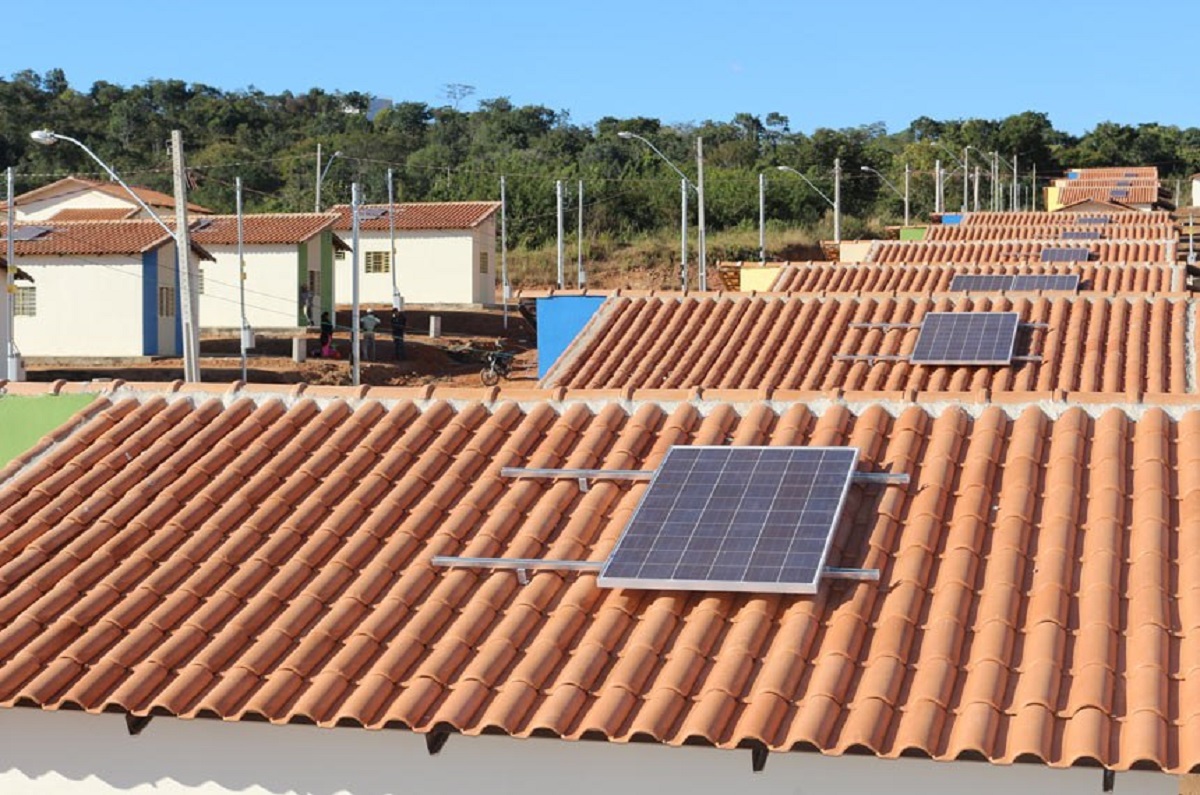

Solar Energy Grows As Electricity Rates Rise And The Price Of Residential Solar Panels Decreases
It’s no news that the use of solar panels in residences has been growing at an accelerated pace in Brazil, but when we compare its growth with the increase in electricity rates, we find even more surprising data.
Two factors have greatly contributed to this expansion: electricity rates have increased by more than 90% in the last 5 years, while the price of solar panels for residential use has fallen, allowing for system installations starting at 10,000 reais for a two-person household and 20,000 reais for four residents.
Therefore, just this year, the number of solar panels installed in residences and in small businesses and industries increased by 70%.
Rio de Janeiro is the city where installing solar panels at home is most advantageous, largely due to the high ICMS charged on electricity rates and the high level of solar light incidence.
-
Lenovo Unveils Legion Y700 Tablet with RGB Backlighting, 5G, and SIM Card Support
-
Lenovo Unveils Legion Y700 Tablet with RGB Backlighting, 5G, and SIM Card Support
-
Northern Brazilian City Prepares Task Force to Mitigate El Niño Impacts with Stockpiled Fish, Drone Monitoring, Firefighting, and Water Supply Reinforcement in Remote Areas

-
Brazil to Issue “Panda Bonds” in China, Aiming to Raise Up to 5 Billion Yuan at Lower Interest Rates Than Dollar Debt

Return On Investment Time
For Comerc, an energy trading company, Rio de Janeiro is the state where consumers get their investment amount (in equipment) back in the shortest time; it takes 2.7 years for Enel customers and 3.3 years for Light customers.
In Teresina, Manaus, and Belém are also other capitals with rapid return on investment, all around 3 years, while in São Paulo the time is 5.34 years.
The time for return on investment has already decreased significantly; according to Comerc, last year the average time in Brazilian capitals was 6 months longer compared to this year.
For specialists, residential solar panels are advantageous for those who pay an electricity bill above R$ 500.
Today, subsidies are offered by the government to install solar panels, but there is ongoing discussion at Aneel about suspending the sale of excess energy generated in each household; if approved, this measure will come into effect next year.
At the end of 2018, Brazil had about 450 megawatts (MW) installed in residential solar generation systems, and today there are already 760 MW, according to data from the Brazilian Solar Photovoltaic Energy Association (Absolar).
With the current pace of sector growth, by the end of this year, the number should more than double and exceed 1,000 MW.
According to Bárbara Rubim, the vice president of the association, there are currently 75,000 solar energy generation units installed in the country, including residential, commercial, industrial, and even public sector entities.