





 Portuguese
  English
  Spanish
  3 min of reading



The Renewable Energy Generation Industry Can Be Widely Benefited by New Method for Ammonia Synthesis
A new way to produce ammonia at room temperature has been discovered by scientists from Hiroshima University in Japan. The latest accelerated synthesis method is crucial for the development of storage and transmission systems for renewable energy, such as solar and wind energy.
Also Read:
- With a Billion-Dollar Self-Production Project, Usiminas Steel Company Announces Signing of Agreement with International Energy Company Canadian Solar;
- New Technology by Chinese Scientists Can Transmit Information and Data Through Underwater Solar Cells, Wirelessly and with High Quality;
- Weg Company Presents Positive Projections for Wind Energy This Year and Strong Presence in the Foreign Market.
According to Gustavo Minari, author of the original article for Canaltech, the new technique discovered makes it possible to obtain ammonia from its primary nitrogen and hydrogen molecules, transforming it into a very effective renewable energy carrier. This action is only possible due to the synthesis method, which, from now on, can be successfully replicated away from laboratories.
Professor Hiroki Miyaoka, scientist and lead author of the study, explains: “The use of ammonia in renewable energy applications has been limited by the available processes to synthesize it. The system known as Haber-Bosch, used in industrial ammonia production, requires high temperature and pressure, conditions that are typically unavailable for electricity storage and transport in the real world.”
-
Researchers discover a possible hydrogen deposit of up to 46 million tons beneath an ancient coal basin, and the volume could exceed half of the entire global production.

-
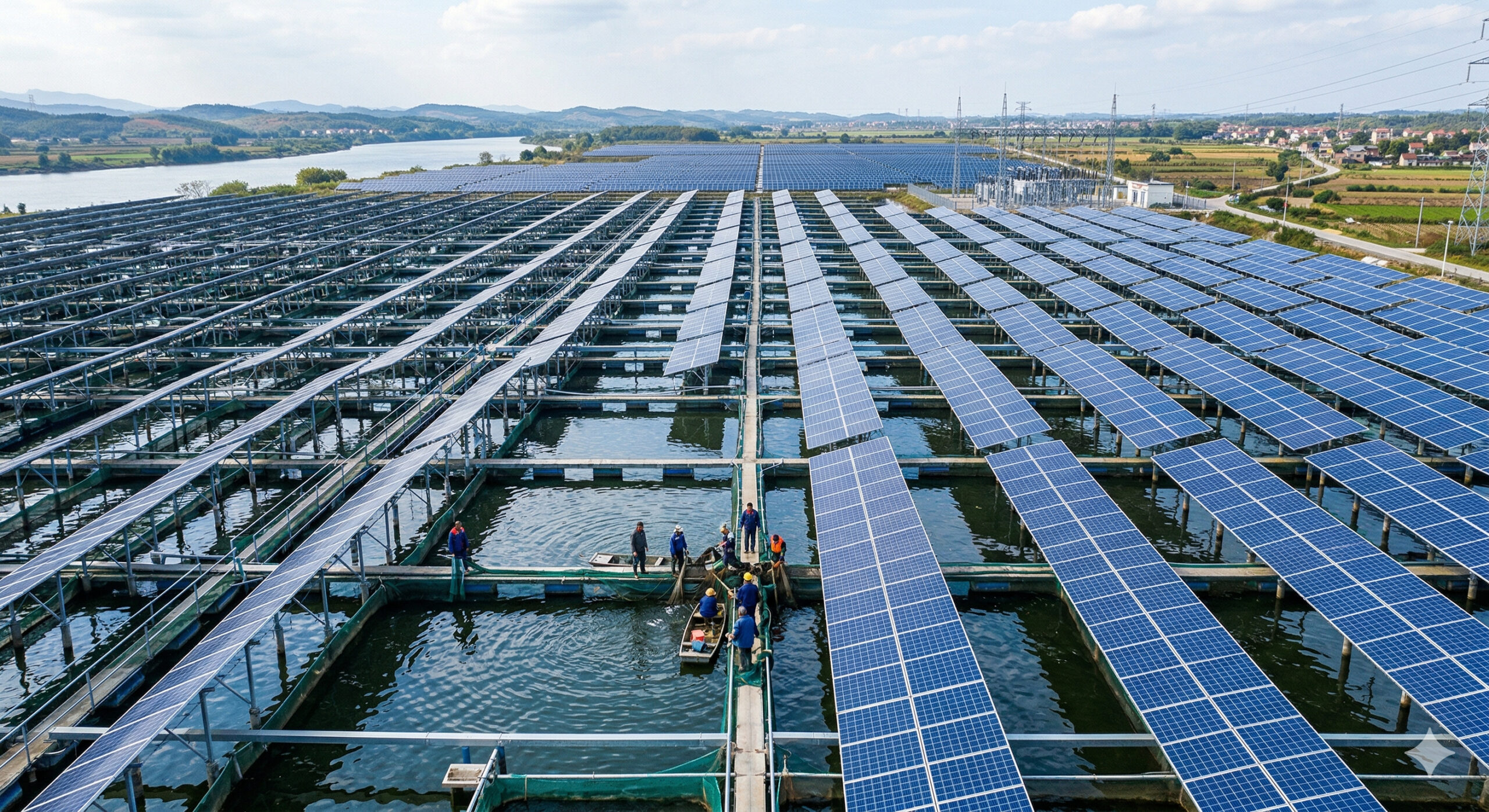
China bets on the Fishery-PV model and transforms fish farms into giant solar plants, covering ponds with panels that generate energy while utilizing the same space for large-scale aquaculture production.
-
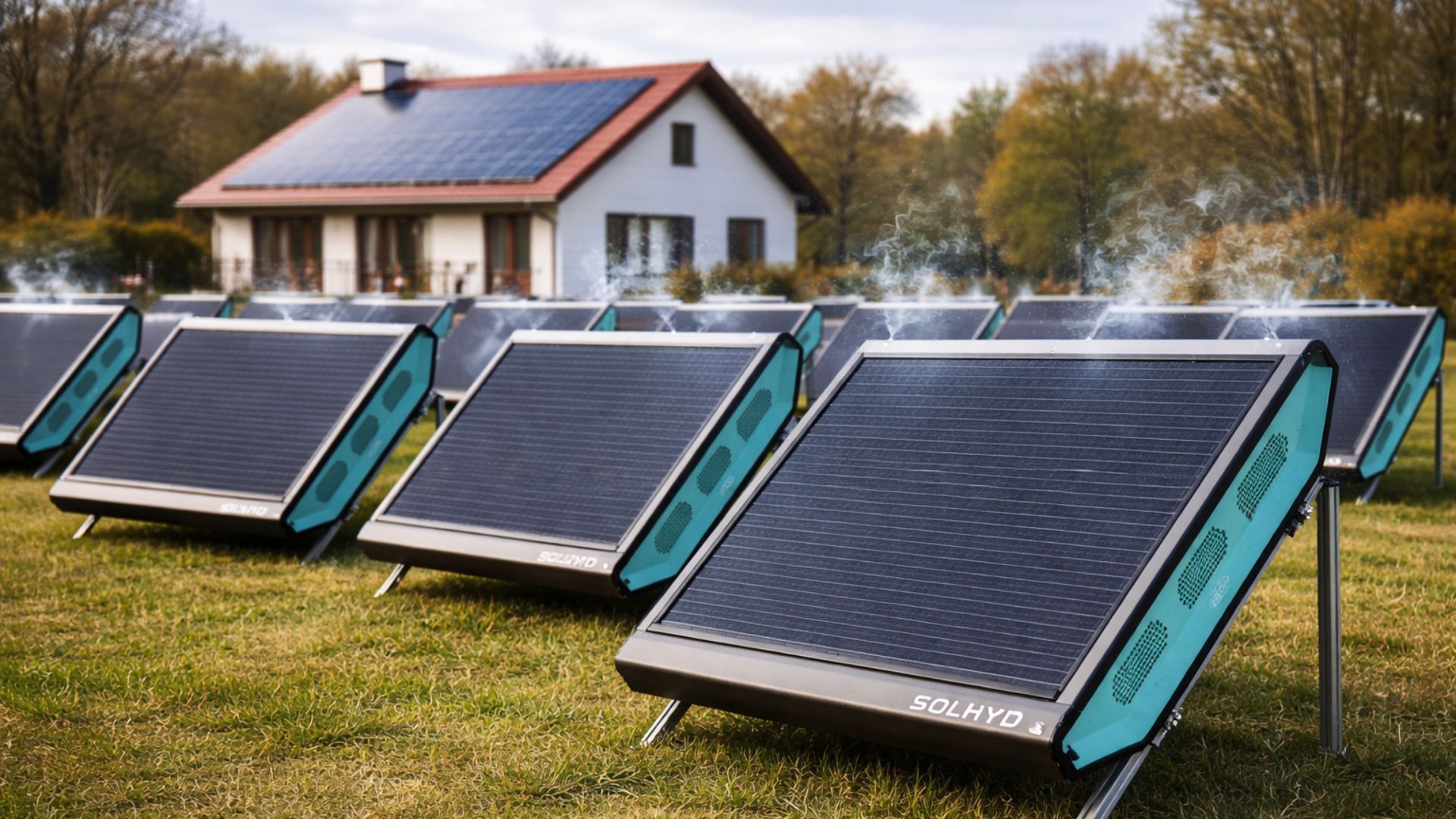
Green hydrogen at home: Belgium launches new technology that makes solar panels produce fuel from the moisture in the air, which could boost the energy transition.
-
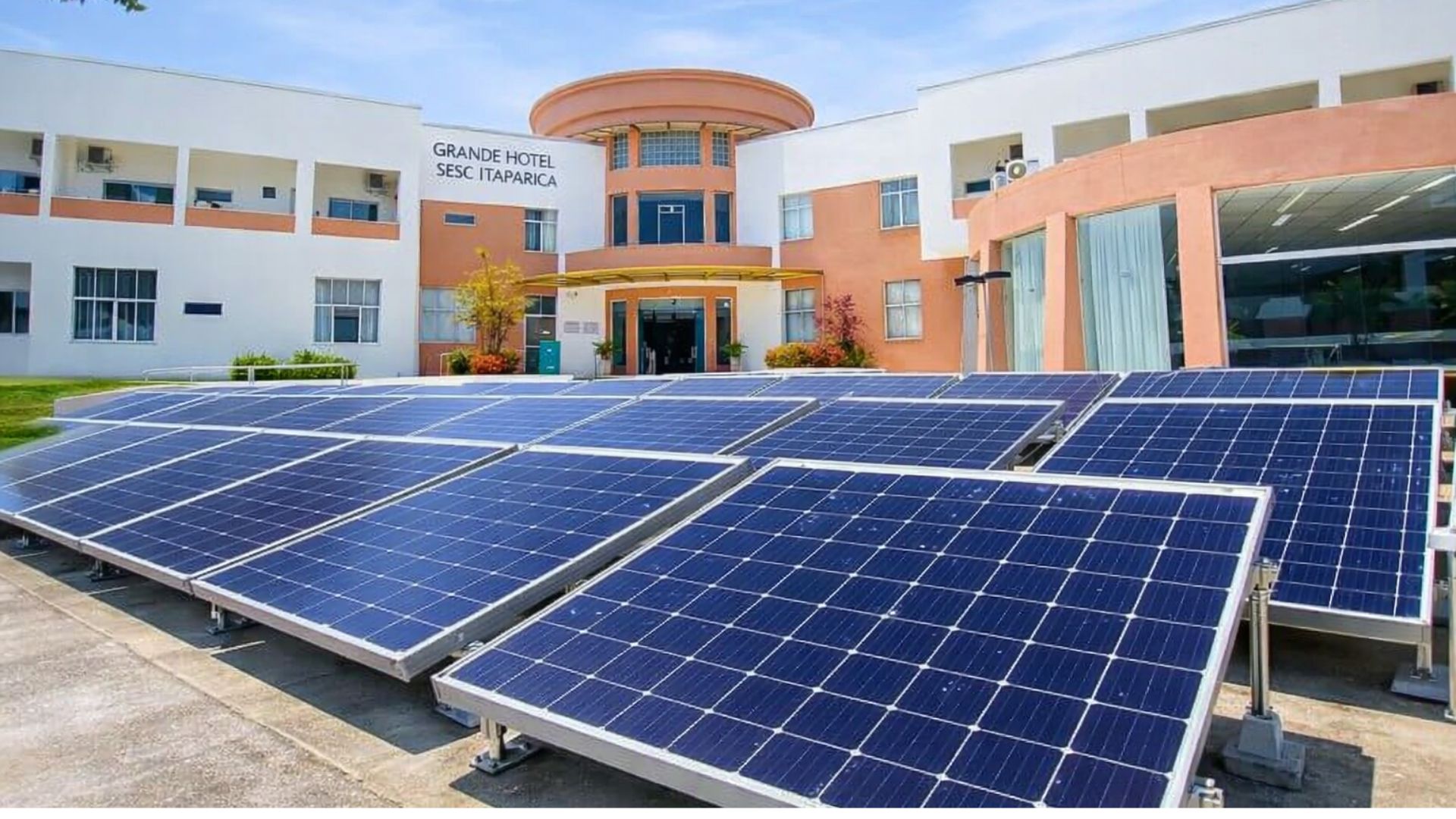
Sesc-BA bets on renewable energy with the support of EDP and drives the energy transition with a direct impact on cost reduction and the sustainability of its operations in Bahia.

Use of Lithium Oxide
In the new process, researchers from the Japanese university used lithium oxide as a molecular base to perform ammonia synthesis at ambient pressure and with temperatures below 400 °C, conditions that are viable and easy to replicate outside the industrial context. By adding lithium hydride to the mix, the scientists were able to prevent the joining of the molecules.
Based on this approach, they managed to obtain smaller particles with a greater surface area for chemical reactions. The unbound reagents that were integrated with gaseous hydrogen were responsible for allowing ammonia to be generated more quickly.
Miyaoka adds: “If ammonia can be synthesized in less time and with relatively simple equipment, under common temperature and pressure conditions, an exceptional path opens up for its production on a smaller scale, with potential applications in renewable energy storage systems.”
Absence of Catalysts in Ammonia Synthesis
Moreover, the new method for ammonia synthesis created by the scientists in Japan eliminates the need for metal catalysts, such as ruthenium, used in industrial ammonia production, which raises the costs of the process, making its use impractical on non-industrial scales.
The new and innovative method, which operates under conditions much closer to natural reality, results in a much higher yield in the rate of ammonia transformation than that analyzed in a traditional catalytic system, and it does not require high-level industrial equipment, thus allowing it to be performed with a cheaper and more accessible setup.
“The results of this pioneering study, based on small-scale ammonia synthesis, are relevant for the development of a renewable energy generation system capable of meeting the production and storage needs of electricity in solar or wind devices much more efficiently,” concludes researcher and professor Hiroki Miyaoka.
Energy Transmission Auction Will Receive Over 15 Billion Reais in Investments
Scheduled to take place on June 30 this year, with total investments of R$ 15.293 billion, the next energy transmission auction is expected to construct 5,291 kilometers of new networks throughout Brazil. The expectation is that 31,400 jobs will be made available while the works are being executed, in a period that can vary between 42 and 60 months. To read this and other articles about energy, click here.








Seja o primeiro a reagir!