






 Portuguese
  Spanish


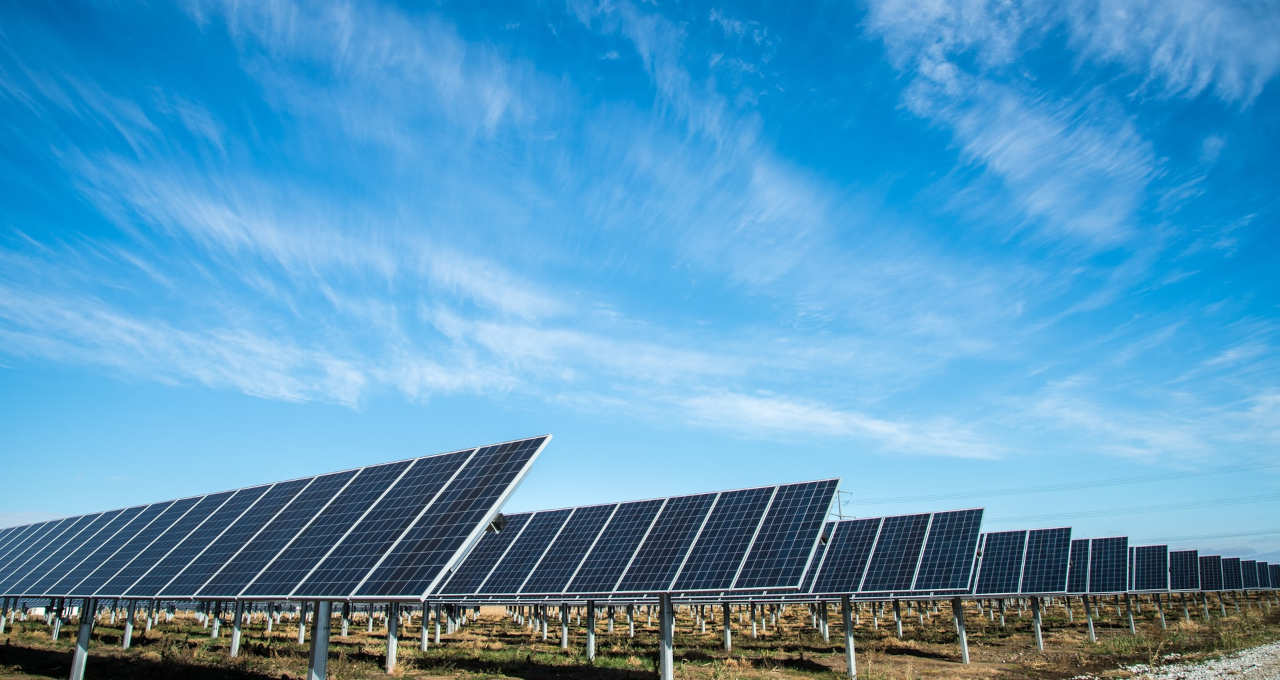

Partnership Between Canadian Solar and Usiminas Aims to Promote Increased Energy Self-Production for the Steel Mill with Solar Plant in Goiás
In order to intensify its energy self-production, the steel mill Usiminas made an agreement with Canadian Solar on the last Thursday of February, the 24th. The partnership resolution includes an average of 30 megawatts (MW) of renewable energy, which corresponds to approximately 12% of the total amount needed to supply the company.
Also Read:
- Mining Companies Such as Vale, CSN, Usiminas, and Vallourec Suspend Production in Minas Gerais Due to Rain
- New Technology by Chinese Scientists Can Transmit Information and Data Through Solar Cells Underwater, Wirelessly and High Quality
- Energy Transmission Auction Will Receive Over 15 Billion Reais in Investments
The energy self-production will take place in a photovoltaic park that will be installed in the city of Luziânia, Goiás. The planned investments for the construction of the solar plant are around R$ 1.35 billion, with an estimated start of construction in the first quarter of 2024. The plant, once completed, is expected to begin commercial operations in January 2025.
As disclosed by both companies involved and reproduced in the original text by Luciana Collet for Broadcast, this agreement marks the first long-term Power Purchase Agreement (PPA) directly established between Canadian Solar and an industrial level consumer, in the context of the structure for energy self-production in Brazil. The Power Purchase Agreement has a duration of 15 years, starting from 2025.
-
Key Infrastructure Projects for Brazil’s Next President: Expanding Railways to Cut Transport Costs, Reduce Truck Traffic, Create Jobs, and Boost Industries Nationwide

-
While China Builds Undersea Rail and Mexico Connects Two Oceans, Brazil Struggles with Grain Transport Due to Lack of Railways

-
Students Build Kansas’ First Hemp-Insulated Social House for a Needy Family: 85% Less Concrete, Solar Roof Returns Energy to Grid, Carbon Negative in Under 20 Years

-
China to Drill 90 Kilometers Under the Sea to Connect Two Cities Currently Linked Only by Ferry


The steel mill Usiminas emphasized in a statement to the press that, from this new investment, it expects a reduction in energy costs, as well as environmental benefits and an increase in renewable energy generation for the company’s own consumption.
Sergio Leite, president of Usiminas, added in the statement: “In the year we complete 60 years of operations, Usiminas is focused on the future and mobilized to ensure the sustainability of its operations. Initiatives like this partnership with Canadian for the supply of solar energy for our operations are important steps for the company in its journey to be increasingly aligned with the principles of the ESG agenda.”
Moreover, Shawn Qu, president and CEO of Canadian Solar, emphasized that the negotiation helps to grow the company’s name in the Brazilian market, as well as its presence. On the other hand, the chief executive of Canadian Solar in Brazil, Gustavo Vadja, stated in a video published by Usiminas that the transaction has a strategic objective for the producer. He also added a personal remark: “And I hope this is the first of many.”
Check out this video available on YouTube featuring the announcement made by Usiminas: Usiminas and Canadian: Partnership in Renewable Energy
Construction of Solar Energy Plant by CelgPAR in the State of Goiás Will Feature 15,300 Solar Modules
CelgPAR, a company supervised by the state of Goiás in the Midwest, signed a contract for the construction project of a 5-megawatt photovoltaic plant, as reported by Canal Solar. The implementation of the project will take place in the city of Cachoeira Dourada, located in the south of Goiás. According to estimates, Celgpar’s plant is expected to start operations later this year, in September.
According to information provided by CelgPAR itself, more than 15,000 solar modules, 50 photovoltaic inverters, and 170 trackers will be used in the construction of the plant. Read this other article from CPG by clicking here.


