





 Portuguese
  English
  Spanish
  4 min of reading
  2 comments


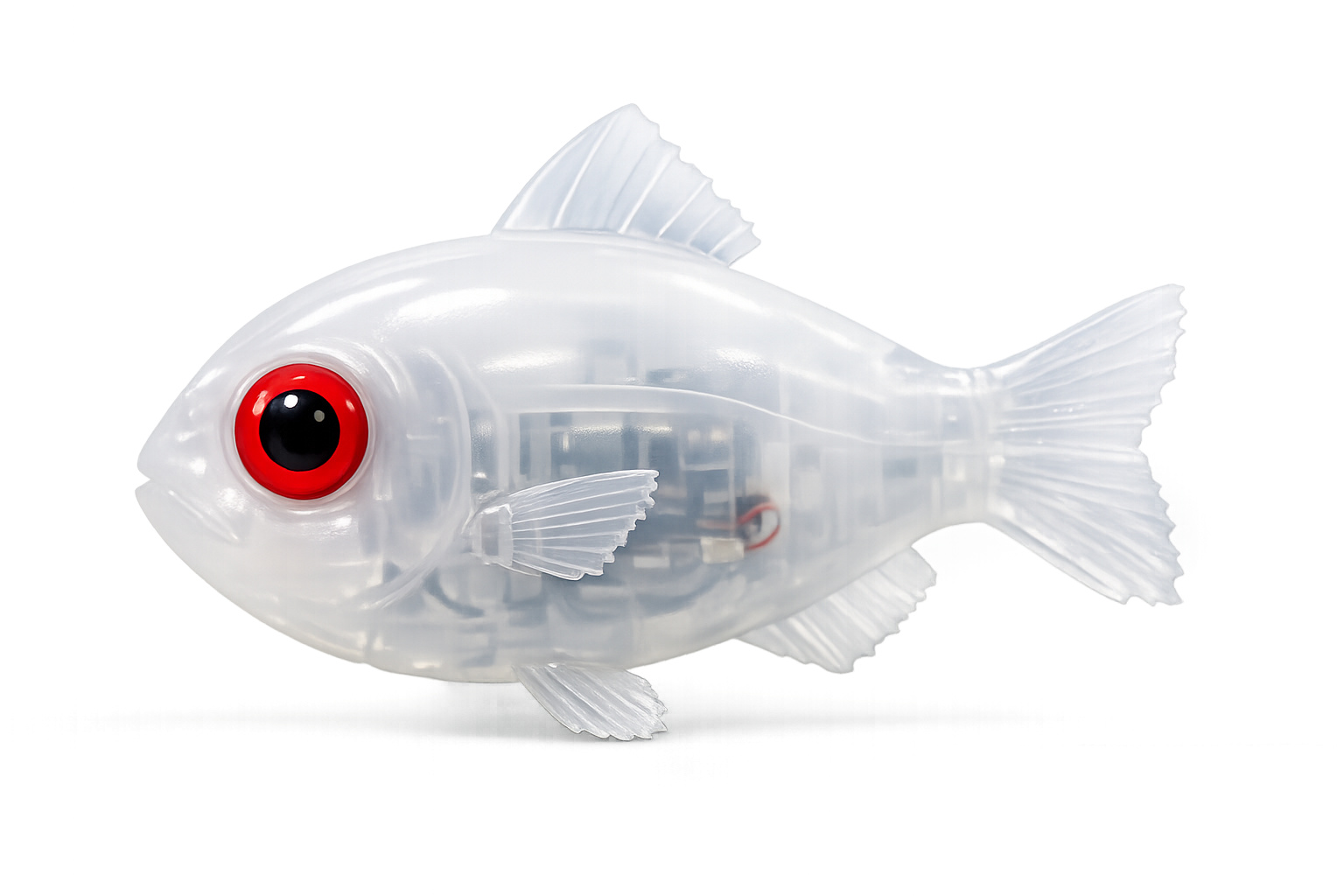


Technology Developed by Australian Scientists Imitates Natural Predator, Alters Behavior, Physiology, and Fertility of Invasive Species and Paves the Way for New Environmental Strategies Without Direct Culling
Researchers are turning to robotics and bioengineering to tackle one of the major environmental challenges of our time: controlling invasive species. In rivers and lakes across Australia, a robot fish developed by scientists is being used to intimidate and modify the behavior of Gambusia, also known as mosquitofish, described by experts as “one of the most problematic animals on the planet”. The innovative approach relies on fear, rather than direct elimination, to reduce harm to the ecosystem.
The information was released by AAP, based on a study published in the scientific journal iScience, which details how the simple presence of the robot was able to provoke profound changes in behavior, physiology, and even fertility of the invasive fish. According to the researchers, the effect was so intense that the method was described as a way to “scare to death” the species, without affecting the surrounding native animals.
Nature-Inspired Technology to Combat Invasive Species

The robot fish was developed in 2018 by researchers from the University of Western Australia, in collaboration with scientists from Australia, the United States, and Italy. The device was designed to accurately imitate the movements of the largemouth bass, a natural predator of Gambusia in its native environment. By replicating real swimming and approach patterns, the robot triggers instinctive escape responses in the invasive fish.
-
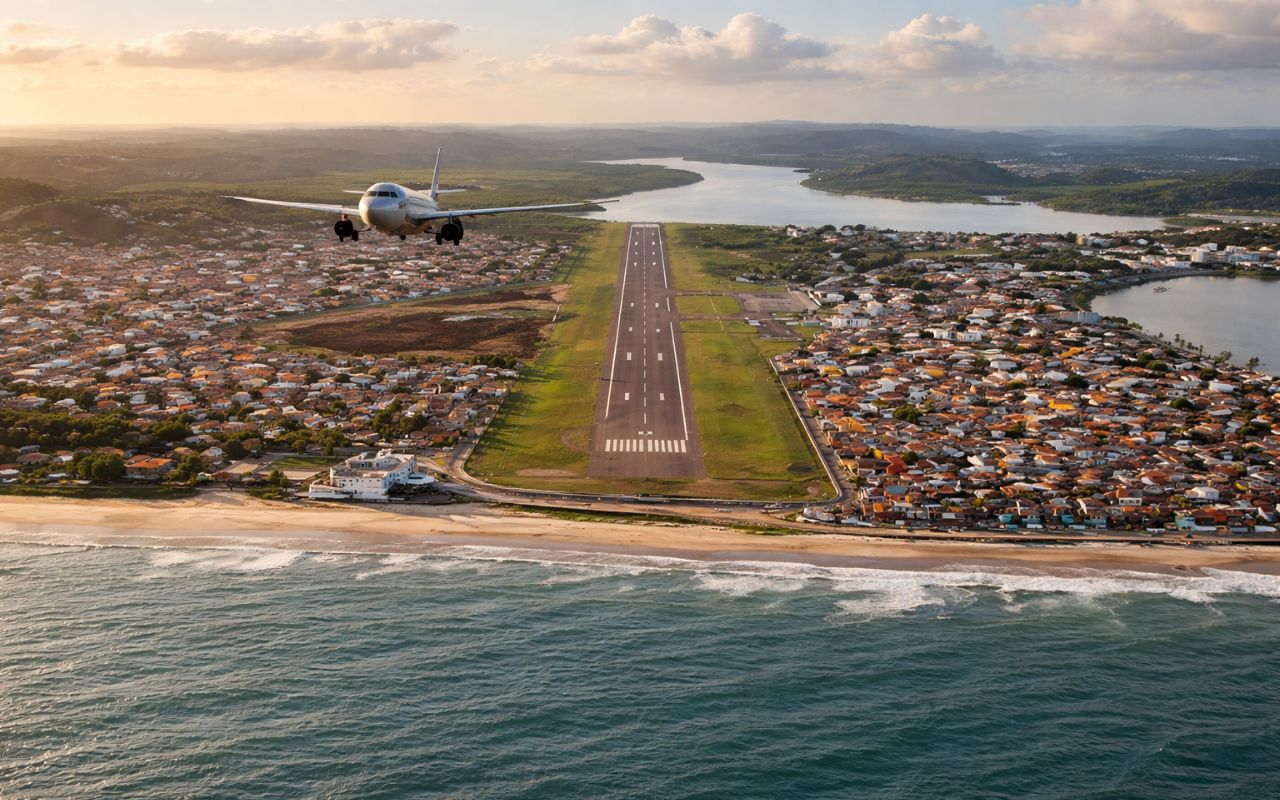
Surrounded by the sea, the airport will have a system to prevent airplanes from falling into the water; technology will be installed in Ilhéus (BA), with an investment of R$ 70 million.
-
With a cost per shot close to zero, the DragonFire laser could change naval warfare in 2027 and provide British ships with nearly unlimited defense against drones.

-
A British startup creates tires that generate electricity in electric vehicles when passing over potholes, speed bumps, and cracks.

-
Scientists have created robots made with living cells that have their own nervous system, swim on their own, explore the environment, and self-organize without any genetic engineering, and now they want to do the same with human cells.


As a consequence, the Gambusia begin to expend more energy avoiding the “predator,” eat less, and exhibit significant physiological changes. Additionally, the study showed a decline in the species’ fertility, a crucial factor in controlling populations that today number in the millions of individuals spread across freshwater environments in Australia.
According to behavioral ecologist Giovanni Polverino, author of the study, the strategy is distinguished by being highly selective. “We made the worst nightmare of Gambusia real: a predator that scares it but does not interfere with the surrounding animals,” the researcher explained. Thus, the method avoids collateral impacts on native fish and amphibians.
An Environmental Problem Created Over 100 Years Ago
Gambusia was introduced to Australia about 100 years ago, with the goal of combating mosquitoes that transmit diseases. However, the initiative became one of the country’s biggest environmental management mistakes. Without natural predators in the new habitat, the species spread rapidly, becoming a severe threat to local biodiversity.
Currently, the mosquitofish attacks native fish and amphibians, ripping the tails off smaller fish, preying on tadpoles, and consuming fish and frog eggs. Threatened species, such as the green and golden bell frog, are among the most affected. The impact is so widespread that experts compare the problem to the introduction of the cane toad, another emblematic case of invasive species in Australia.
According to the Centre for Invasive Species Solutions, invasive species generate an estimated cost of US$ 25 billion per year for Australian agriculture and the environment. For the organization’s executive director, Andreas Glanznig, any technology capable of reducing this impact is welcome, especially when it does not involve the direct elimination of animals.
A Model That Can Be Applied Worldwide
In addition to the positive results in the aquatic environment, researchers believe that the concept can be adapted for other ecosystems. “Every animal on the planet responds to predators. We applied this logic in an aquatic system, but the idea can also be used in terrestrial environments,” Polverino stated.
The great advantage of the robot fish is its precision. The device was designed to imitate a predator that is part of the evolutionary history of Gambusia, but does not naturally exist in Australian rivers. Thus, native species, which have never encountered this predator, do not react with fear, avoiding additional imbalances in the ecosystem.
Environmental sector representatives view the technology as a promising alternative. For Peter Johnson, from the Australian New Guinea Fishers Association, eliminating the impact of Gambusia would allow the return of native species, such as the rainbow fish, resulting in healthier and more balanced aquatic ecosystems.
The information was released by AAP, based on a study published in the scientific journal iScience, as well as statements from researchers at the University of Western Australia and invasive species specialists.
Could this fear-based technology become a more effective and ethical alternative than direct extermination in controlling invasive species?
Source: NEWS








AI slop at its Opposum finest.
This article ought to be widely studied for its demonstration of AI fallibility. Its fantastic leaps of reference to names of animals makes it almost fun to read.