





 Portuguese
  English
  Spanish
  3 min of reading
  0 comments



In an Increasingly Complex Economic Scenario, Brazilians Dreaming of Acquiring an Electric or Hybrid Car Face a New Financial Obstacle.
The significant increase in the import tax on these vehicles is a reality that promises to shake the market. This change, which takes effect today, threatens not only consumers but also the future of the national automotive industry.
New Tax Increase
As of today, July 1, 2024, the import tax for hybrid and electric cars has undergone a new increase in Brazil. Hybrid models are now taxed at 25%, while plug-in hybrids face a 20% fee.
Fully electric cars are not exempt and will have a tax of 18%. This is the second adjustment since January of this year, when tariffs, previously zeroed since 2016, were reinstated in a staggered manner.
-
The car stored for 38 years: when opening the barn door, what appears is breathtaking and looks like a scene from a movie!

-
Fiat works miracles in the Brazilian market, lowers the price of its 0 km hatch to R$ 69,990, reestablishes the model as the cheapest car in the country, and reignites the battle against Kwid and C3.
-
Chevette with cooking gas: How the gas cylinder ends up being used in cars clandestinely and why this makeshift solution can result in leaks, explosions, damaged engines, and seized vehicles.

-
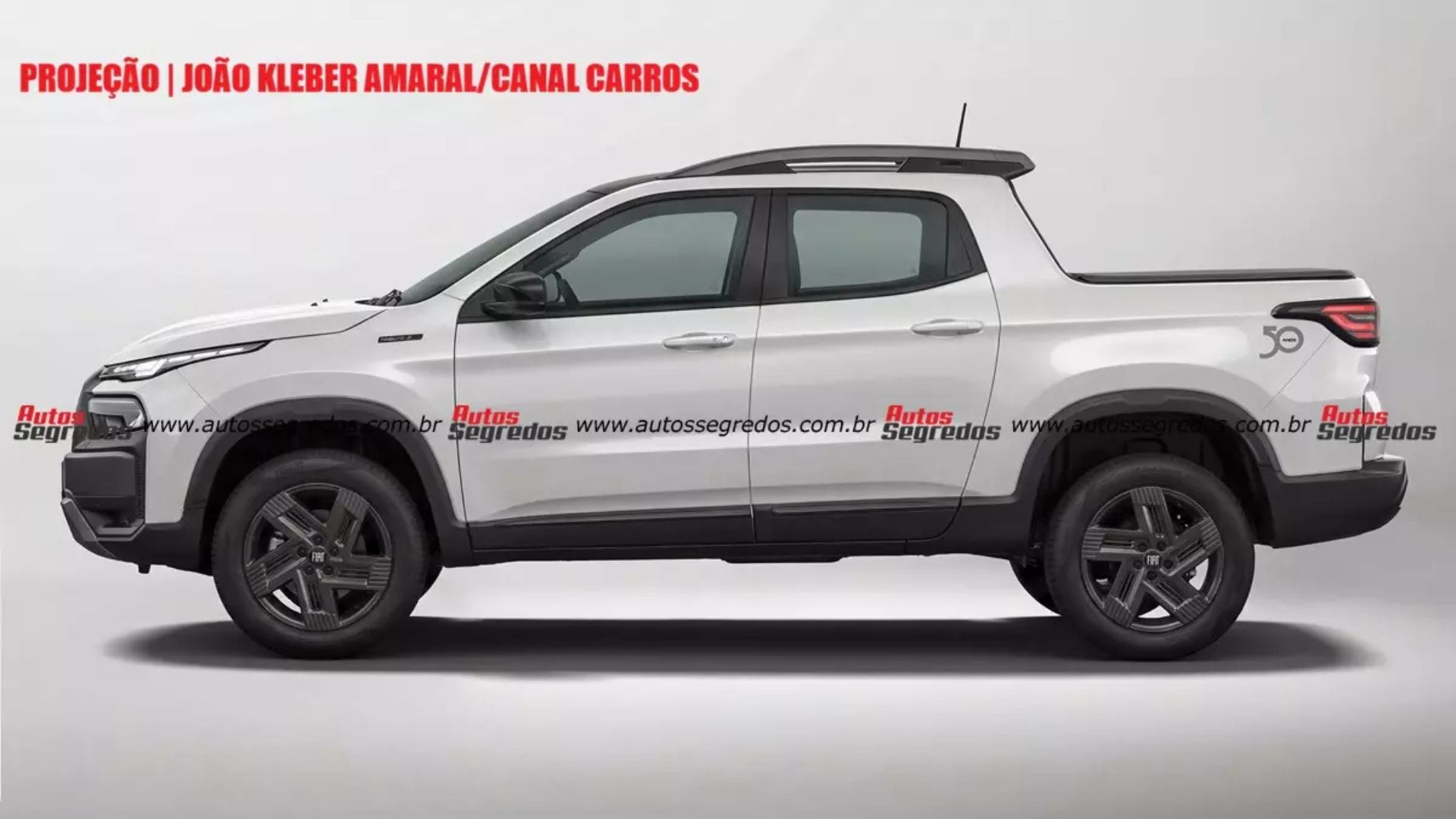
Fiat launches the new 2027 Toro hybrid with 48V, 176 hp, an electric motor of 15.5 hp, a 0.85 kWh battery, up to 7% fuel savings, 8% fewer emissions, and possible exemption from IPVA.

Impact of the Increases
The increases do not stop here. New adjustments are scheduled for 2025 and 2026, according to the table below:
- Hybrids: 25% in July 2024, 30% in July 2025, and 35% in July 2026.
- Plug-in Hybrids: 20% in July 2024, 28% in July 2025, and 35% in July 2026.
- Electric: 18% in July 2024, 25% in July 2025, and 35% in July 2026.
According to the National Association of Motor Vehicle Manufacturers (Anfavea), the anticipation of these charges is an urgent necessity.
The president of Anfavea, Marcio de Lima Leite, highlighted the dangers that the increasing volume of imports poses to the competitiveness of the Brazilian automotive industry.
“We remain hostages to imports. They undermine our competitiveness, now and in the future”, said Leite during the AutoData Seminar.
Strategies of Electric Car Manufacturers
Various manufacturers are already adapting to this new reality. The BYD, for example, anticipated the tax increase by bringing a cargo ship with more than 5,500 cars in May, ensuring that these vehicles were not affected by the adjustment. However, it is up to the manufacturers themselves to decide whether or not to pass this additional cost on to consumers.
National Production of Electric Cars:
Despite the growing interest in electric and hybrid cars, Brazil still does not produce these models on a large scale. Currently, only the Toyota Corolla and Corolla Cross models are locally manufactured with hybrid engines. Investment in the sector is significant, exceeding R$ 80 billion in 2024, but it will still take some time for other national hybrid models from major brands to reach the market.
Electric Cars and the Advancements of Chinese Brands:
Chinese brands are ahead in this scenario. Caoa Chery will begin production of the Tiggo 8 hybrid in 2024, in Anápolis (GO), using the CKD regime, where parts are imported from China for assembly in Brazil. GWM also confirmed the production of pre-series models of the Haval H6 in Iracemápolis (SP), with a market arrival forecast in the first quarter of 2025.
Plans of Traditional Brands:
In addition to Chinese brands, other traditional manufacturers are also accelerating their hybrid development plans.
Stellantis will launch micro-hybrid models in 2024. Volkswagen and Renault will follow the same line, with launches planned for 2027.
In 2028, Honda promises its first national hybrid car with a flex engine. Chevrolet, on the other hand, announced plans for the production of hybrid engines in Brazil, but still without a defined date.
This increase in import taxes on electric and hybrid cars brings a new dynamic to the Brazilian automotive market. But, what do you think, will Brazil be able to compete in the global electric and hybrid vehicle market or will it continue to rely on imports? Leave your opinion in the comments!






Seja o primeiro a reagir!