





 Portuguese
  English
  Spanish
  3 min of reading


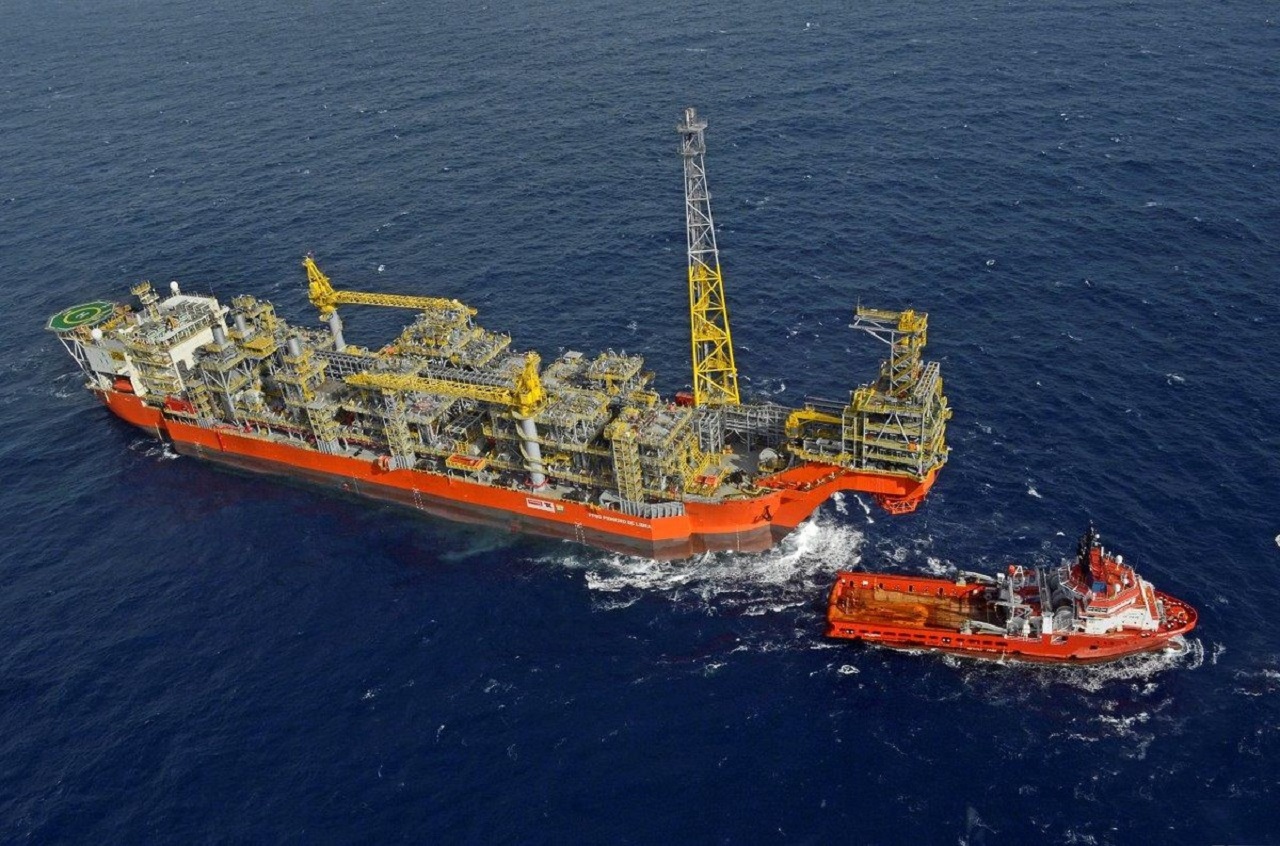
Petrobras Is Investing and Betting on Technology to Expand Oil Barrel Production Efficiency. The Estimate is That There Will Be 20 Billion Barrels by the Beginning of the Next Decade
Petrobras plans to produce around 20 billion barrels of oil, using technologies that allow for the improvement of the performance of its fields. The goal is to enhance the recovery factor of the reservoirs where it operates, a horizon with enormous oil reserves that Brazil has in deep waters of the Atlantic Ocean, located beneath a two-kilometer-thick salt layer, which could turn the country into one of the largest exporters of hydrocarbons in the world.
Also Read
Petrobras Has Already Produced 23 Billion Barrels of Oil
So far, in nearly 70 years of operation, Petrobras has produced around 23 billion barrels of oil equivalent, a standard measurement that is equivalent to the energy generated by burning a barrel of crude oil.
Petrobras’ technology, called RES20, aims to ensure that these pre-salt reservoirs are better defined and detailed using artificial intelligence and the application of deep technical knowledge, according to the oil company in an official statement.
-
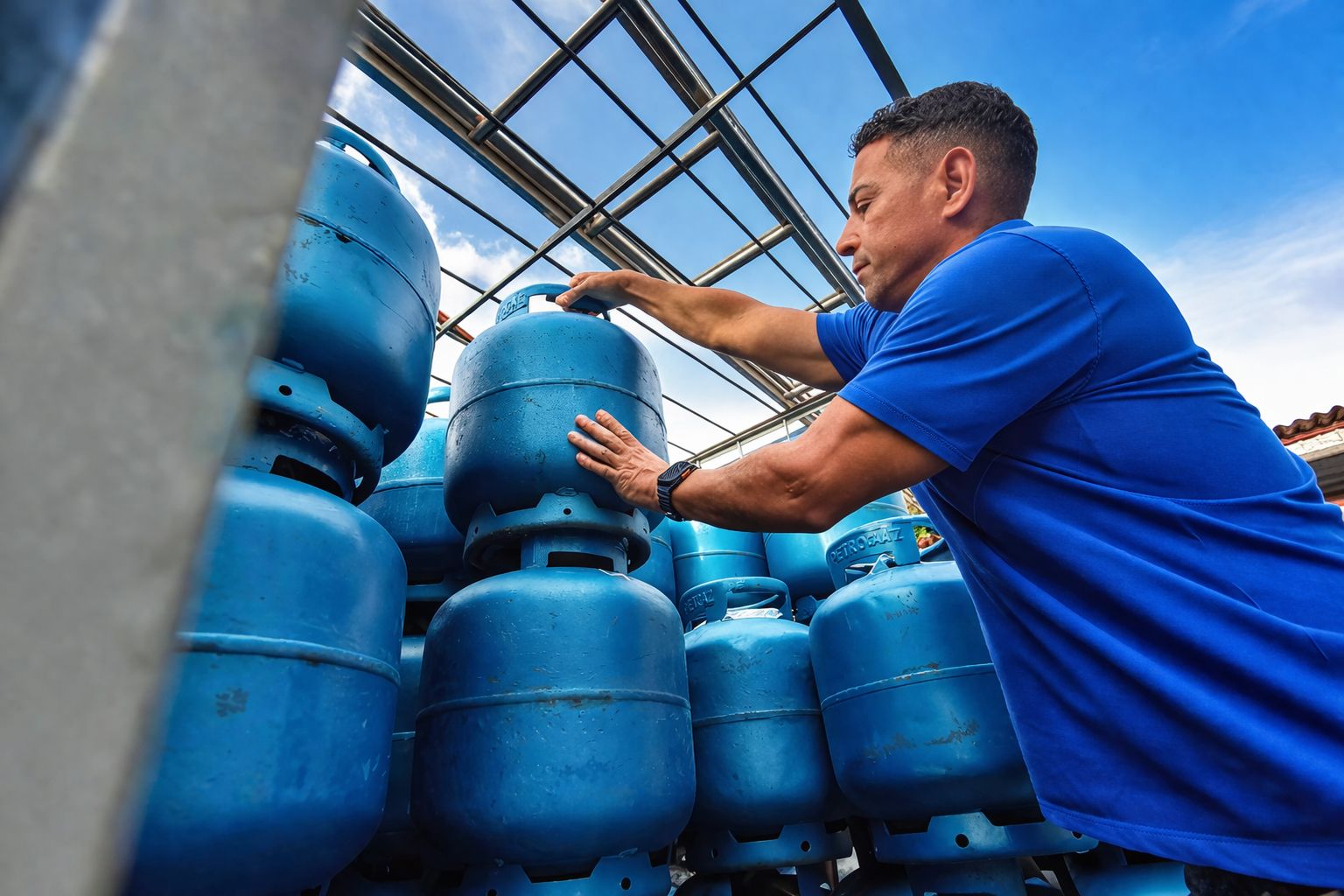
Petrobras confirms that it will reimburse amounts to distributors and return the price difference from the gas auction following a regulatory decision.
-
Petrobras buys back fields for billions — what no one is talking about regarding this decision and how it could impact jobs and oil in Brazil.

-
New escalation of tensions and oil crisis in the Middle East forces world powers to accelerate energy transition plans.
-
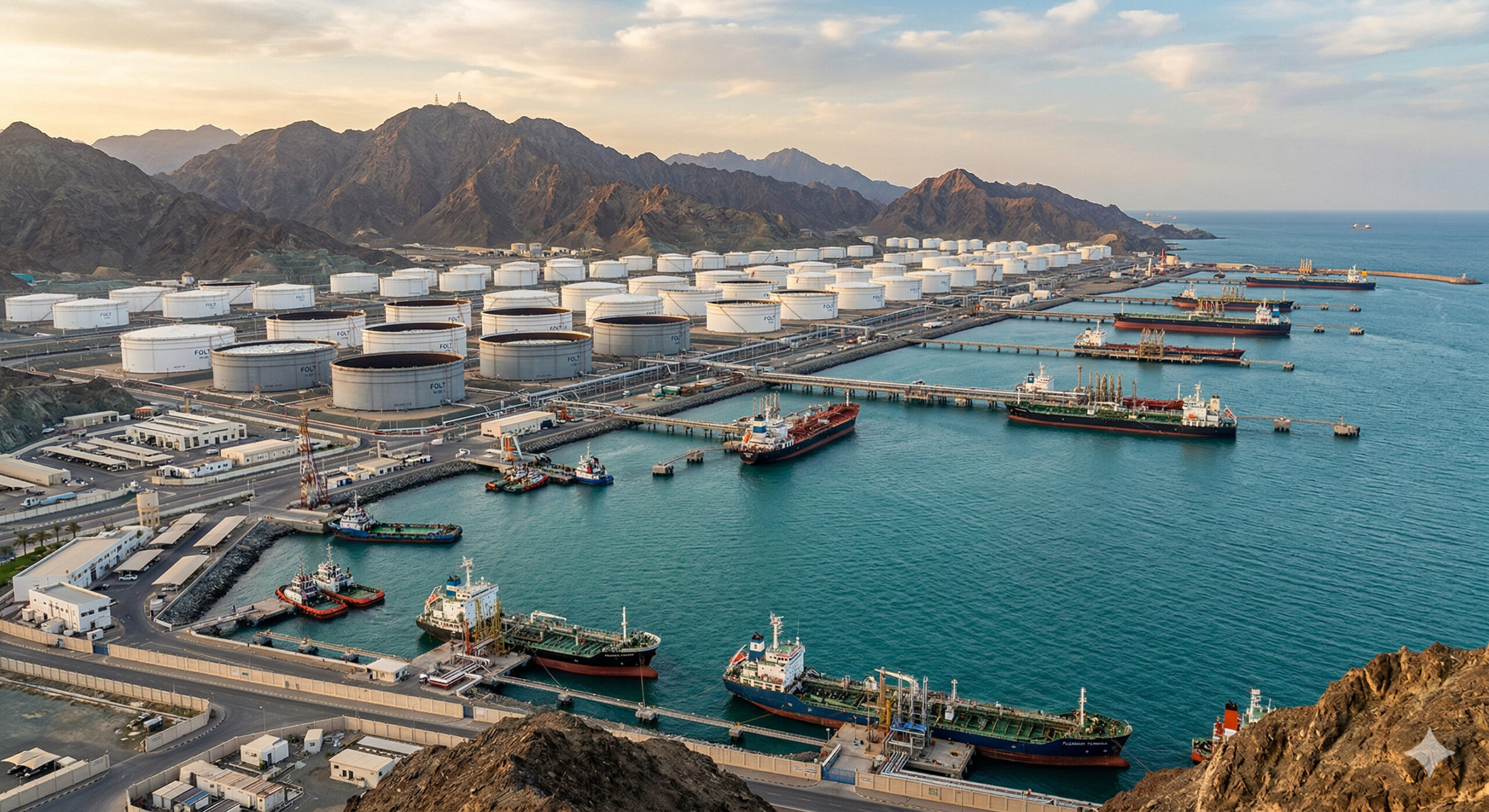
Giant reservoirs with a capacity of 18 million cubic meters have turned Fujairah into one of the largest energy vaults on the planet. This facility, located outside the Strait of Hormuz, stores oil on a colossal scale and has become a silent piece that supports the global flow of fuels.
According to Petrobras’ Director of Exploration and Production, Fernando Borges, the opportunity for technological development and the excellent quality assets of the pre-salt, along with the application of high-resolution seismic methods, drive the objectives to be met.
Learn How Technology Works in Oil Barrel Production
According to the company, technology is key to achieving the program’s goals and therefore, among the digital transformation projects that support it, is the use of data science to facilitate the search for opportunities for project development, as well as artificial intelligence used to accelerate processes.
Also aligned with this is cloud processing, used to improve digital reservoir models, and the use of augmented reality, which will enable visualization of the drainage networks of these reserves. Innovative technologies are also present in the management of post-salt and pre-salt production, in higher-powered oil pumping methods, and in the application of advanced recovery systems.
According to Petrobras, the goal is to efficiently increase the recovery factor of these cost fields and maximize the value of the company’s assets. In 2020, 68.61% of Brazilian hydrocarbon production came from the pre-salt, according to data from the National Agency of Petroleum, Natural Gas, and Biofuels (ANP). In 2010, when the pre-salt was just beginning to be commercially explored, Brazilian production in this horizon represented 1.53% of the total.
Petrobras Invests R$ 10 Million in Technology
With an investment of R$ 10 million, the company has evolved with its Integrated Operations Center. There are over 50 TV monitors in total, which monitor the processes of gas and oil flow and oil barrel production in the Campos Basin region, in real time.
Through the Center, it is possible to monitor production parameters of 190 wells operated by the state-run company all day, every day. The technology also tracks inventories and establishes estimates for oil production and flow, which prevents temporary shutdowns of the platforms.









Seja o primeiro a reagir!