





 Portuguese
  English
  Spanish
  3 min of reading
  0 comments



State-owned company takes full control of strategic assets after investment of R$ 2.2 billion and raises questions about production, jobs, and the next steps in the sector
The Petrobras surprised the market by repurchasing, for about R$ 2.2 billion, the stake it did not yet hold in the Tartaruga Verde and Espadarte (Module III) fields, in the Campos Basin.
However, more than the billion-dollar value, the move raises a central question: why did the state-owned company decide to take back 100% of these assets now — and what could this practically change for the oil and gas sector in Brazil?
Petrobras regains full control of the fields after agreement with Petronas
The operation was signed on Thursday (9) between Petrobras and Petronas Petróleo Brasil, ensuring the Brazilian state-owned company the acquisition of the remaining 50% of the assets.
-
Grande SP gains unprecedented technology to control water flow with installation in just 8 hours and a promise to reduce leaks without the need for human intervention.

-
With the new law, shopping malls will no longer operate on Sundays, similar to supermarkets; the rule imposes closure by 9 PM, foresees a fine of R$ 15,000, suspension, and even revocation of the license in Salvador.

-
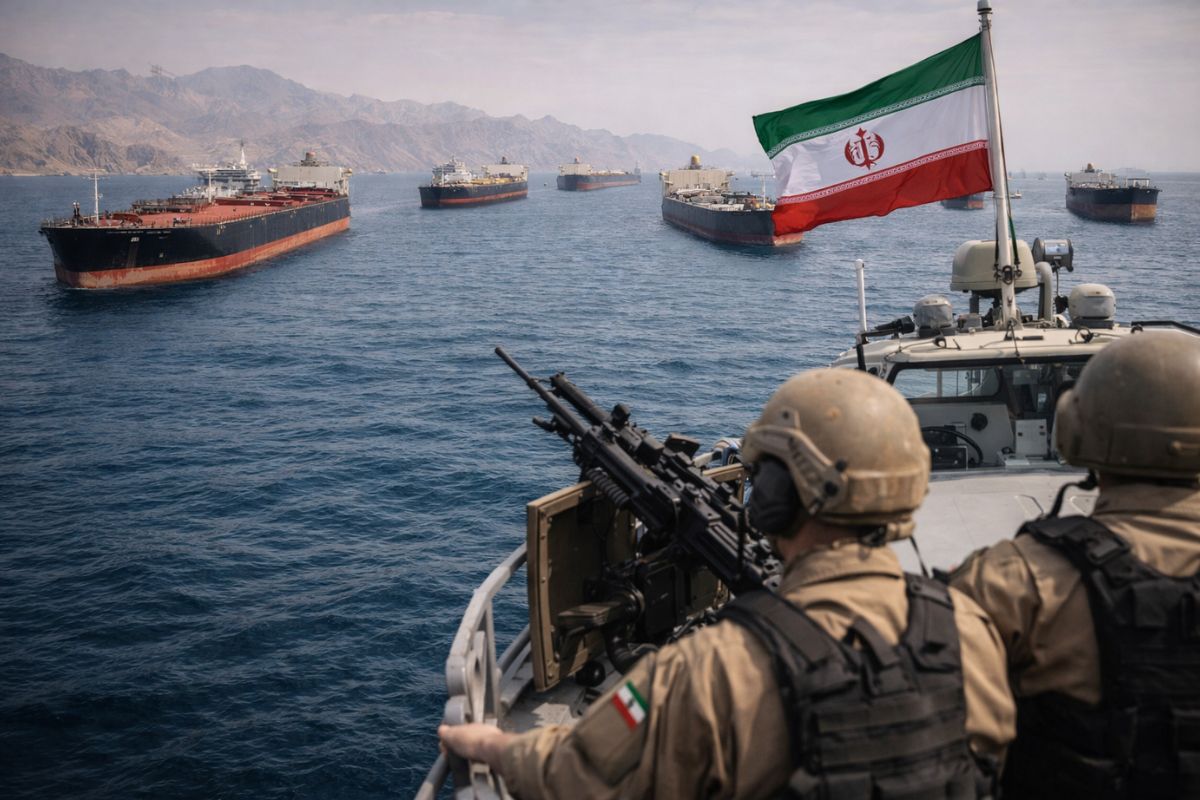
Only 7 ships have crossed the Strait of Hormuz in the last 24 hours when the normal is 135 per day, and the United Arab Emirates confirms that 230 oil tankers loaded with oil are ready to depart but are prevented from leaving while Iran turns the waterway into a sovereign control post.
-
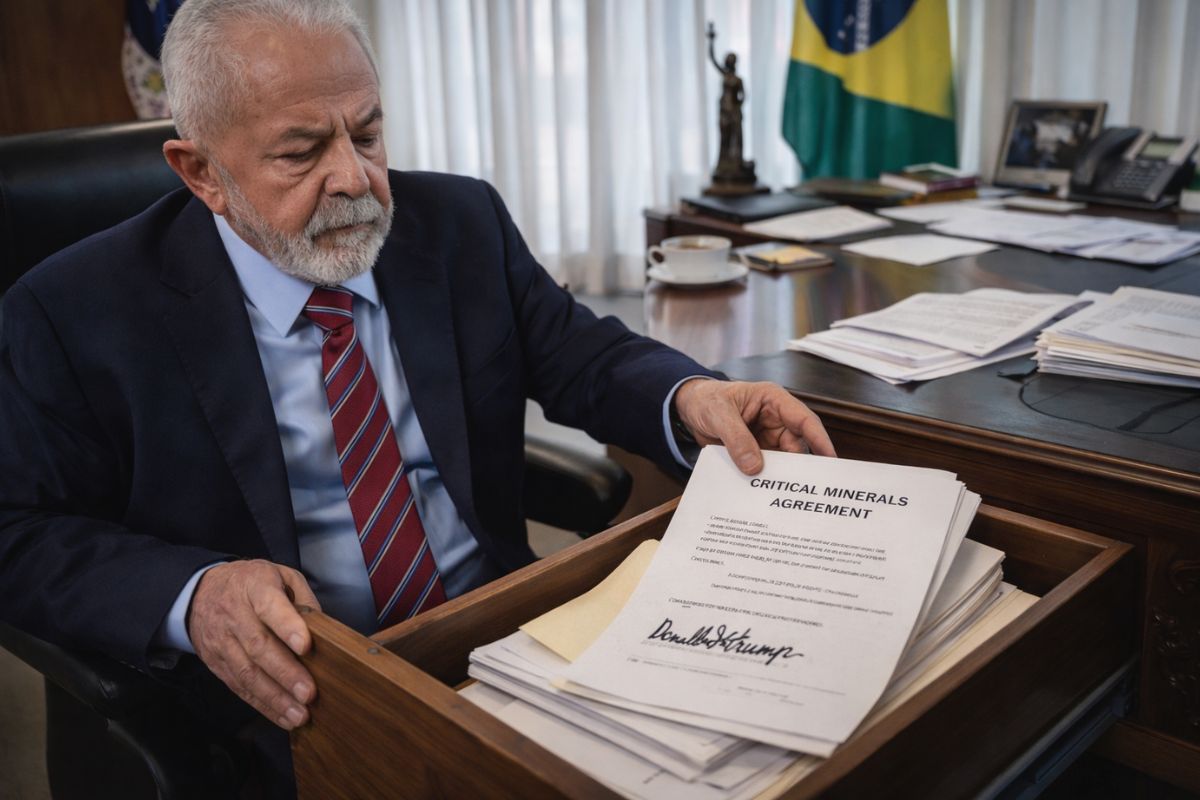
Trump sent a treaty on critical minerals to Lula in early 2026, and the document is sitting in the president’s drawer unsigned because the Brazilian government considers the proposal too generic and refuses to turn the country into a mere exporter of raw materials.
With this, the company now has full control of operations, remaining as the operator of the fields.
The total value of the transaction was approximately US$ 450 million, equivalent to about R$ 2.299 billion, divided as follows:
- US$ 50 million paid immediately
- US$ 350 million at the closing of the operation
- Up to US$ 50 million additional in performance-based installments
Additionally, the amounts may still be adjusted based on the economic results of the assets since July 1, 2025.
Why does this repurchase attract so much attention in the market?
Although acquisitions are part of the sector’s routine, this specific move raises a strategic alert.
By regaining 100% of the fields, Petrobras now has total autonomy over operational and financial decisions, which includes production planning, investment definition, cost optimization, and exploration strategies.
In practice, this indicates that the state-owned company may be seeing a greater potential in these assets than the market has been pricing.
What could change in oil production in the coming years?
The Tartaruga Verde and Espadarte fields are part of the traditional Campos Basin, a region that has sustained Brazilian oil production for decades.
Now, with full control, Petrobras can accelerate decisions and better integrate these assets into its global strategy.
This could generate direct effects such as increased operational efficiency, possible production expansion, and improved profitability of the fields.
Additionally, moves like this often have indirect effects on the production chain, which can impact suppliers and professionals in the sector.
Is there a real impact on jobs and opportunities?
This is one of the main questions that arise after the announcement.
Although Petrobras has not detailed new projects linked to the acquisition, the sector’s history shows that greater operational control often opens up space for new investments.
And consequently, this could generate new demands for offshore services, indirect hiring in the supply chain and a boost in the market in regions like Macaé and surrounding areas.
In other words, the impact is not immediate, but it could consolidate in the medium term.
Business still depends on approval from ANP
Despite the announcement, the operation still needs to comply with regulatory steps.
The conclusion of the business is conditioned to the approval of the National Agency of Petroleum, Natural Gas and Biofuels, as well as other conditions stipulated in the contract.
Only after this validation will Petrobras officially take full control of the assets.
Movement reinforces strategic repositioning of Petrobras
The repurchase of the fields does not happen by chance.
It fits into a larger movement by Petrobras to reorganize its portfolio and focus efforts on assets considered more strategic and profitable.
By regaining full participation, the state-owned company reinforces its presence in the Campos Basin, which remains one of the most important regions for Brazilian oil.
According to information released by the InfoMoney portal, the operation is part of a strategy aimed at value generation and asset optimization.


Now tell me:
Do you believe that this decision by Petrobras could really generate new opportunities in the sector… or is it just another strategic move with no direct impact on the job market?









Seja o primeiro a reagir!