





 Portuguese
  English
  Spanish
  4 min of reading
  0 comments



Petrobras Details New Investments to Expand Renewable Energy, Strengthen Sustainability, and Accelerate the Energy Transition, While Maintaining Ambitious Environmental Goals as it Advances Pre-Salt Exploration Until 2050
Petrobras announced that it intends to maintain its 31% share of Brazil’s primary energy supply until 2050, while also expanding production in the pre-salt and intensifying investments in low-carbon technologies. This information was disclosed by the Cenário Energia portal on Monday (24), detailing how the company is betting on a “dual” strategy, combining oil expansion with firm commitments to sustainability and energy transition.
Main Highlights of Petrobras’ Strategy
The decision reinforces Petrobras’ positioning at a crucial moment for the global energy sector, where oil and gas companies are being pressured to reduce emissions without compromising energy supply. The announcement also aligns with the goals expressed in the Strategic Plan 2050, which aims to balance production, energy security, and reduction of environmental impacts.
Petrobras reaffirmed that its projection is to maintain a 31% share of Brazil’s primary energy supply until 2050, a percentage that will be linked to the growth of different energy fronts. The plan presented shows that the state-owned company will continue to grow with a dual focus: expanding oil and natural gas production — particularly in the pre-salt — and gradually investing in low-carbon energy.
-
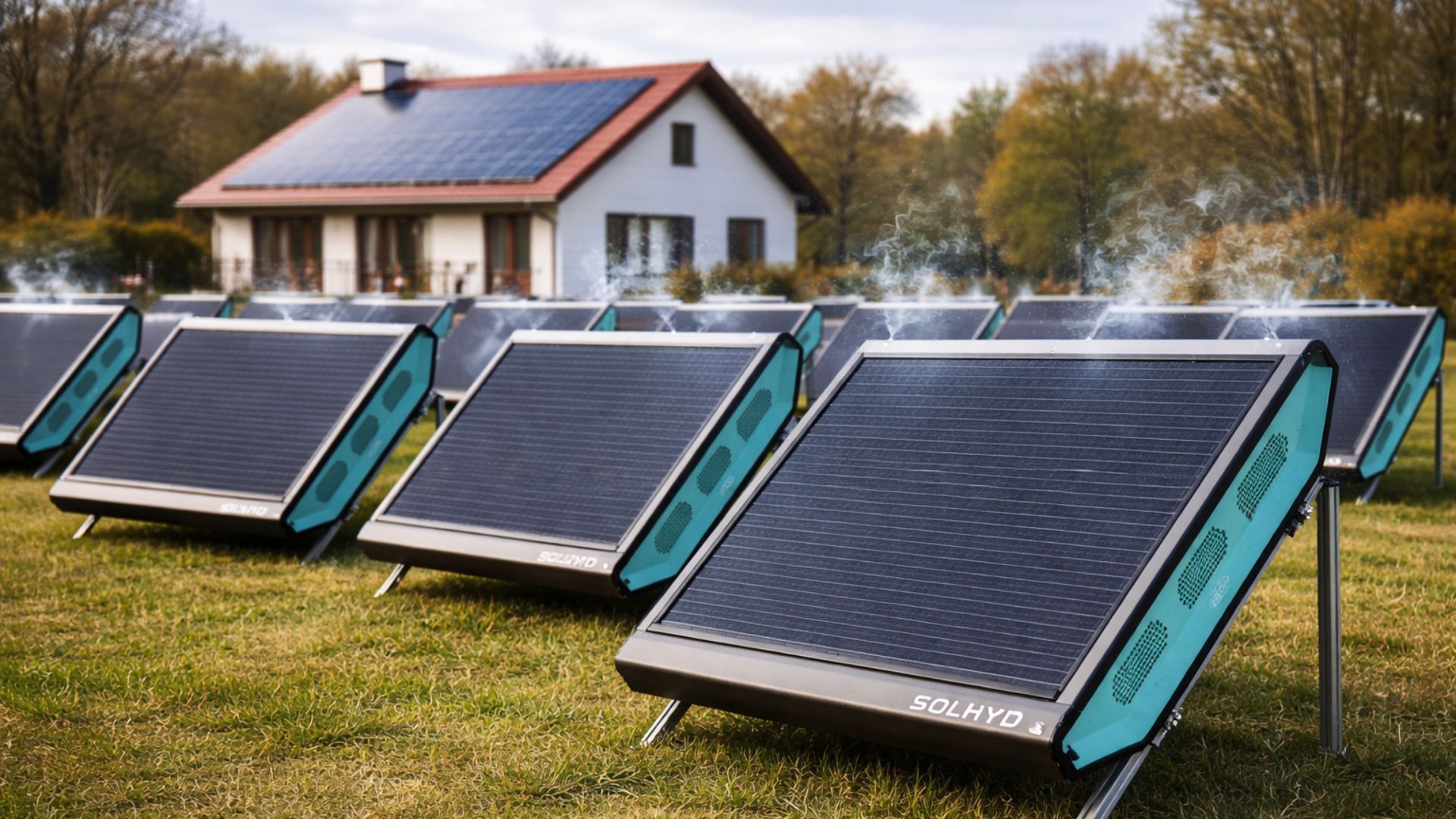
Green hydrogen at home: Belgium launches new technology that makes solar panels produce fuel from the moisture in the air, which could boost the energy transition.
-
Sesc-BA bets on renewable energy with the support of EDP and drives the energy transition with a direct impact on cost reduction and the sustainability of its operations in Bahia.

-
Technology giant breaks global sustainability records: How Amazon’s leadership in renewable energy procurement transformed the global energy market in the past year.

-
Alert in the electric sector: Atlas Renewable Energy confirms billion-dollar investment and Brazil risks losing a share of the new investment in Latin America to neighboring countries.

The company’s president, Magda Chambriard, recently stated that Petrobras does not intend to replace oil at this time, but rather “add energy,” considering the country’s growth and the need to expand the total supply. This vision reinforces that the energy transition should occur gradually, following technological evolution and global demand.
The announcement also highlights that Petrobras projects significant growth in its primary energy supply until 2050, increasing from 4.3 EJ in 2022 to 6.8 EJ, according to projections previously disclosed by the company — data confirmed in the Strategic Plan and the Annual Report 2025.
Petrobras Strategic Plan 2050
The Strategic Plan 2050 structures the long-term guidelines of Petrobras and reinforces its commitment to environmental, economic, and technological goals. In it, the company commits to achieving carbon neutrality in operational emissions (Scopes 1 and 2) by 2050.
The plan also foresees significant investments over the next five years. The Business Plan 2025–2029 establishes US$ 111 billion in total investments, of which US$ 16.3 billion will be allocated to energy transition and low-carbon projects.
These investments include technological enhancement, expanding partnerships, and greater focus on research and development to enable carbon capture, advanced biofuels, low-carbon hydrogen, and biomethane projects.
Pre-Salt Growth as a Financial and Strategic Base
The expansion of the pre-salt remains one of Petrobras’ pillars. The exploration of these deep reservoirs has been one of the cornerstones of the company’s competitiveness, with high productivity, low extraction costs, and lower carbon intensity per barrel produced.
For these reasons, the pre-salt continues to be a strategic asset to ensure long-term financing for investments in renewable energy and clean technologies. The revenue generated by these fields will allow Petrobras to advance the energy transition without compromising its role in Brazil’s energy security.
Sustainability and Renewable Energy Goals by 2050
The strategy to expand the share of clean energies involves coordinated and staggered movements. Until 2035, the major focus will be on biofuels such as biodiesel, biogas, ethanol, and coprocessed fuels. From that period, the company intends to increase investments in solar, wind — including offshore — and low-carbon hydrogen.
Additionally, Petrobras is advancing initiatives such as the acquisition of biomethane for operational use and the development of refineries prepared for low-emission fuels.
Innovations and Technological Solutions to Reduce Emissions
Petrobras has heavily invested in technologies such as:
- CCUS (Carbon Capture and Storage)
- Low-Carbon Hydrogen, with pilot projects approved by Aneel
- Biomethane acquired for industrial operations
- Closed Flare, reducing emissions in refineries
Although advanced, many of these technologies are still in pilot phase.
Critics and Challenges in the Energy Transition
Experts point out that major oil companies — including Petrobras — still have a small share in renewable projects on the global stage. A recent report indicates that only 1.4% of renewable energy projects worldwide have participation from oil companies.
Another challenge is transforming plans into concrete projects. Despite having many ongoing studies, Petrobras still operates few large-scale renewable plants.
Role of Petrobras in Brazil’s Energy Transition
Petrobras accounts for about 31% of the country’s total primary energy supply, directly influencing the pace of Brazil’s energy transition.
Brazil already has a cleaner energy matrix than the global average, with about 50% from renewable sources, and Petrobras is a key player in increasing this share, enabling new technologies, and attracting structural investments.
The proposal to maintain a 31% share in the national energy supply until 2050 positions Petrobras strategically to balance economic expansion and environmental responsibility. The strategy reveals a company that seeks to grow, innovate, and adapt to the evolving energy landscape while maintaining competitiveness as it expands its role in Brazil’s sustainable development.








Seja o primeiro a reagir!