





 Portuguese
  English
  Spanish
  3 min of reading



The Decision Of Petrobras To Build FPSO Ships Abroad Causes, Among Other Factors, The Export Of Millions Of Jobs To Other Countries, Which Causes Unease For The National Federation Of Oil Workers
According to the PetroNotícias website, the hiring of FPSO platform constructions abroad, to the detriment of national shipyards, has been the subject of criticism directed at Petrobras. This is because, in addition to exporting jobs to other countries, the initiative has also caused losses for the state-owned company.
Built in Singapore, the P-53 platform, for example, had its helipad installed lower than it should have been, which put helicopter landings at risk. As a result, Petrobras has already incurred losses of several million dollars, as it needs to rent vessels costing more than US$ 90,000 per day and also carries a daily debt with the port of Arraial do Cabo, where the almost finished work of a new helipad has been abandoned.
Petrobras Has Already Contracted The Construction Of Ten Platforms In Asian Countries, Which Could Generate More Than 1 Million Jobs
Moreover, the hiring of FPSO platforms abroad draws attention from the National Federation of Oil Workers (FUP), due to the diffusion of jobs from Brazil to Asia. Of the 14 platforms that Petrobras will put into operation in the Campos and Santos basins, ten already have their construction contracted in Asian countries, with two in Singapore, seven in China, and one in South Korea.
-
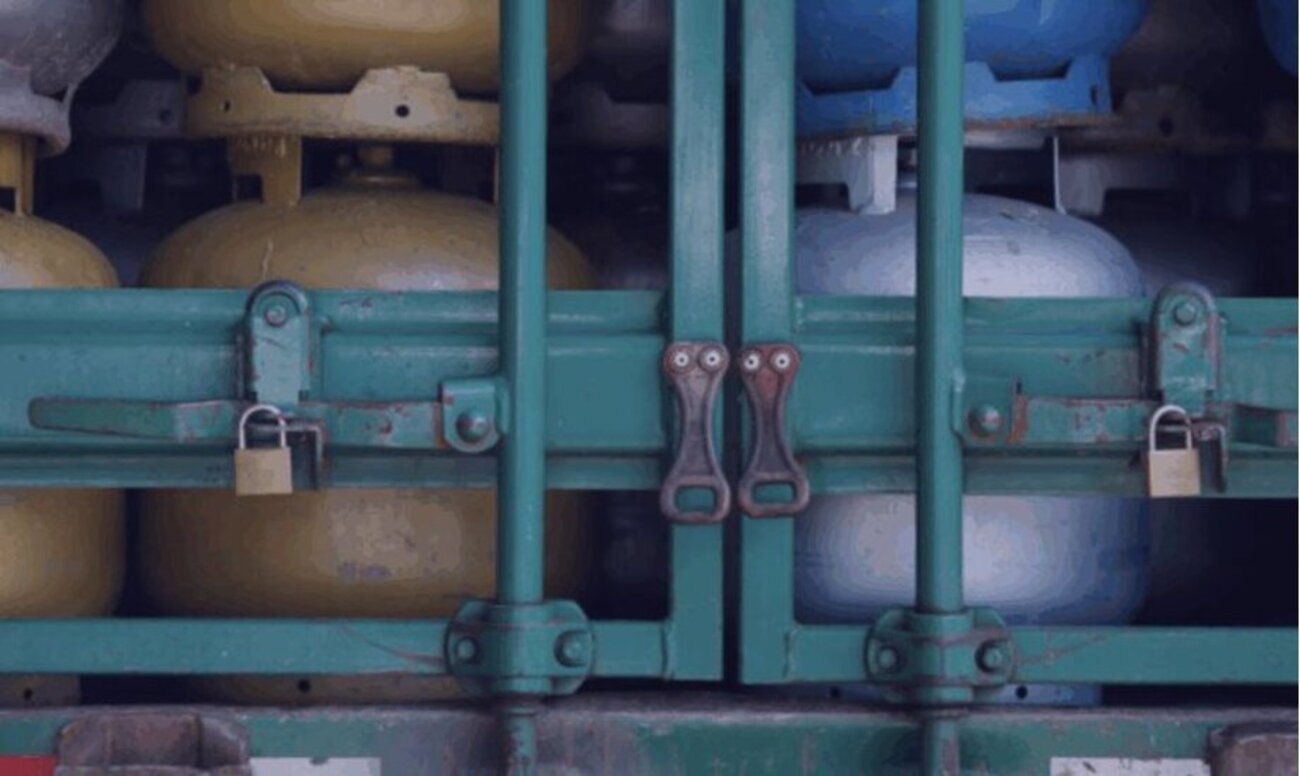
Petrobras evaluates suspension of sales to distributors and considers canceling the cooking gas auction following guidelines from the Federal Government.
-
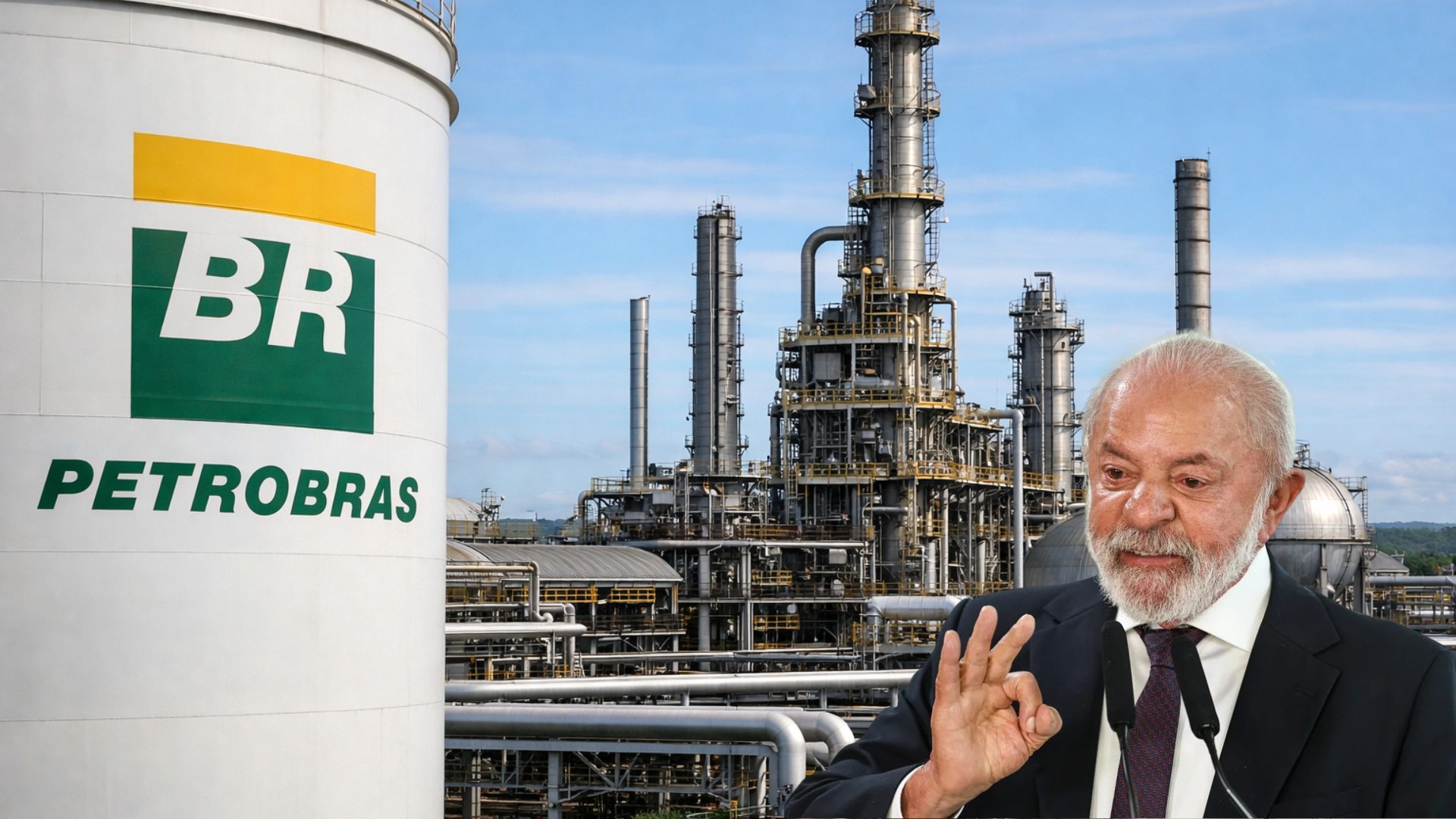
Lula reveals a masterstroke by Petrobras to undo a deal made by Bolsonaro, which involves the return of an important refinery that currently produces less than half of what was expected and makes Brazil dependent on international diesel.
-
A study confirms that the natural gas sector will reduce greenhouse gas emissions in Brazil by 0.5% and accelerate the energy transition by 2026.

-
Petrobras implements a severe adjustment and confirms a 55% increase in the price of aviation kerosene with a proposal for installment payments for the companies.

In this regard, it is worth noting that, according to data collected by the Institute of Strategic Studies of Oil, Natural Gas, and Biofuels (Ineep), each billion invested in the construction of a platform generates 26,300 jobs for oil workers. The FPSO Maria Quitéria, for example, receives an estimated investment of R$ 5.6 billion, thus producing 148,000 jobs, but on the Asian continent. This vessel is set to start operating in 2024, at the Whale Park, located in the Espírito Santo portion of the Campos Basin.
The ten FPSO platforms already contracted by Petrobras in the Asian market are expected to generate more than one million jobs, which will be exported to the continent. Deyvid Bacelar, General Coordinator of the National Federation of Oil Workers (FUP), assesses that, if all these platforms have an investment similar to that of the FPSO Maria Quitéria, the total export of jobs to Asia will be 1.47 million workers.
Brazil Faces Shrinking Naval Sector, And Oil Workers Suggest Resuming Orders In The National Market
At the same time, Brazil is suffering from a reduction in its operation in the naval sector. Brazilian shipyards previously reached a peak of 82,400 employees in 2014, when the country had one of the largest production platform order books in the world, according to statistics from the National Union of Shipbuilding and Offshore Construction and Repair Industry (Sinaval). Today, however, only 21,400 workers are employed.
In this sense, one of the proposals from the National Federation of Oil Workers is that orders be resumed in the national market, based on an industrial policy that contemplates local content indexes. In light of this, the General Coordinator of the institution concludes that the energy sector involves not only the Oil and Gas industry but also a wide array of industries whose income is associated with this segment. For Bacelar, this means that specific policies for exploration and production, refining, gas, and renewables must undergo transformations to address numerous challenges.









Seja o primeiro a reagir!