





 English
  Francês
  Alemão
  Italiano
  Japonês
  Norueguês
  Portuguese
  Spanish
  3 min of reading


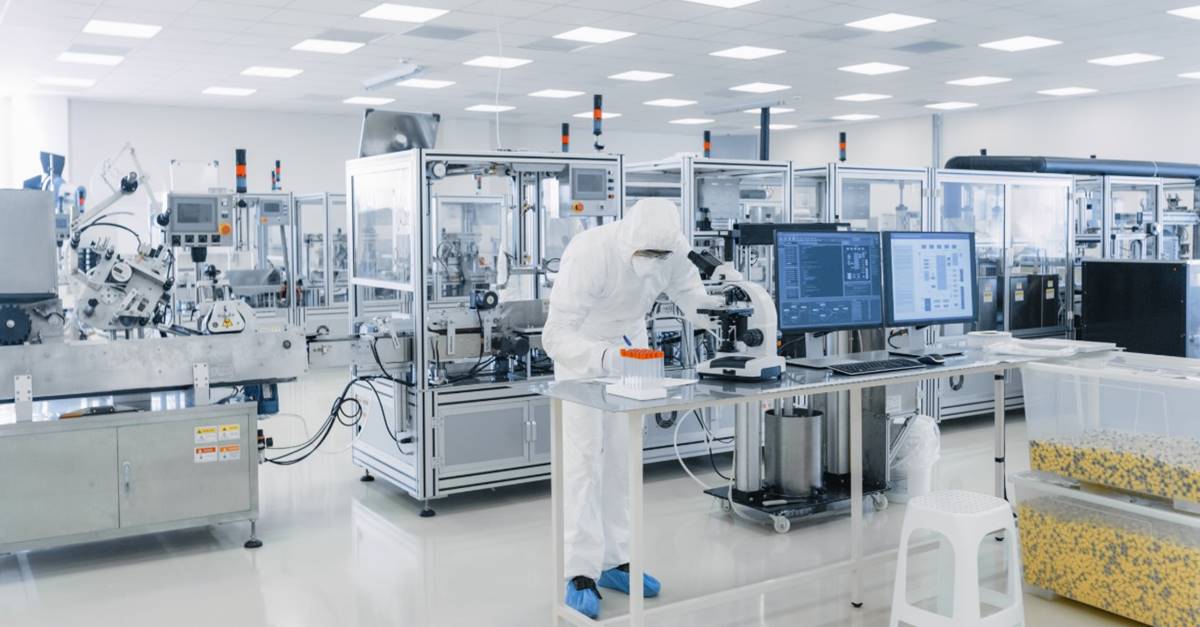
Petrobras and SENAI Develop New Testing Methodology Called “Multiplex Pooling” With the Potential to Increase Analysis Capacity by 10 Times and Reduce Testing Costs by Up to 85%
Petrobras and Firjan SENAI have joined forces to increase the capacity for diagnostic testing for covid-19 in Brazil and are providing the scientific-based protocol for implementing a new mass testing method for Covid-19 – called “multiplex pooling” – for free. Petrobras Advances in the Process of Selling Its Shares in Wind Farms in Rio Grande do Norte
Read Also
- SHARING CONTRACTS GENERATED A PRODUCTION OF 56 THOUSAND BARRELS OF OIL IN APRIL
- Paranaguá Container Terminal (PR) Receives Shipment of Parts That Will Be Used in the Expansion of Klabin’s Puma II Project
- Transpetro Sets Historic Record at Angra dos Reis and Suape Terminals Handling 1.11 Million Tons of Petrobras Fuel Oil
Faster and more economical, the new testing methodology, called “multiplex pooling,” has the potential to increase analysis capacity by around 10 times and reduce testing costs by up to 85%.
-
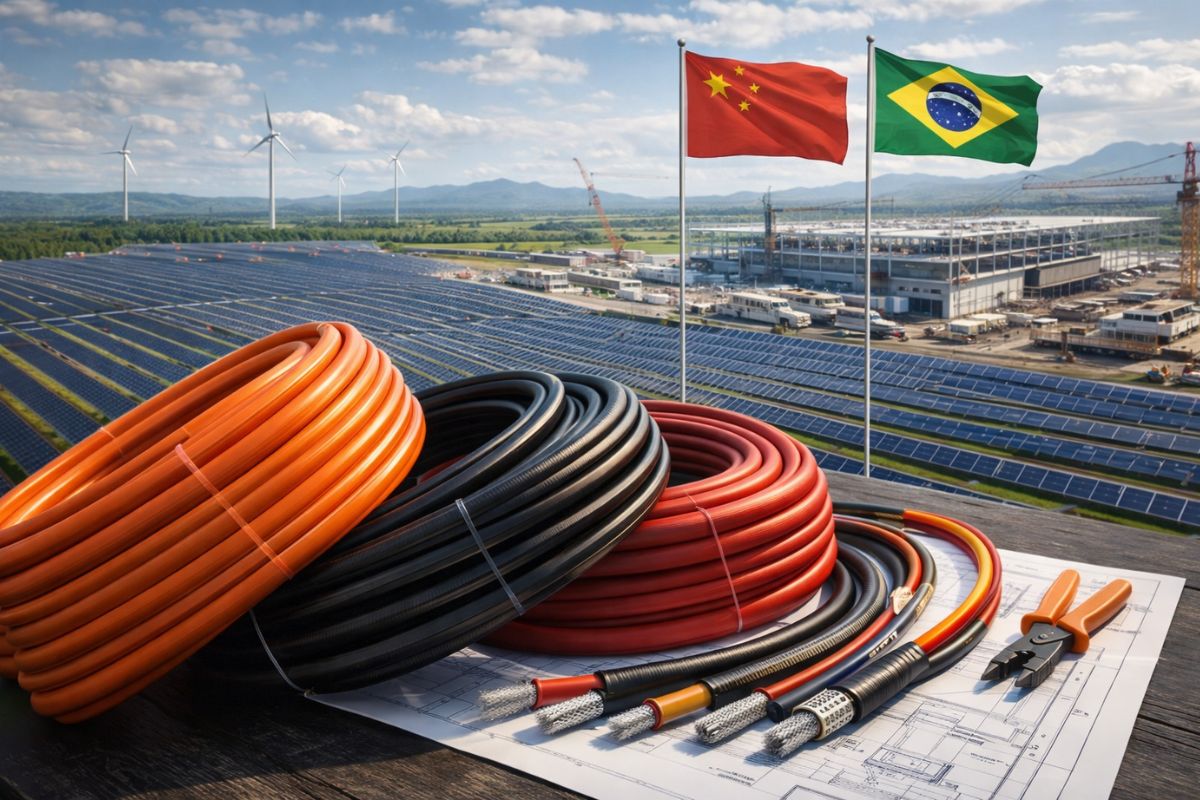
Chinese giant worth nearly R$ 4 billion that manufactures cables for electric cars, solar energy, and robotics wants to open a factory in SC.
-
Many employers do not know, but the law guarantees domestic workers a 25% increase in salary during trips, 50% for overtime, 20% for night shifts, and 17 additional benefits that can lead to labor lawsuits if not paid.

-
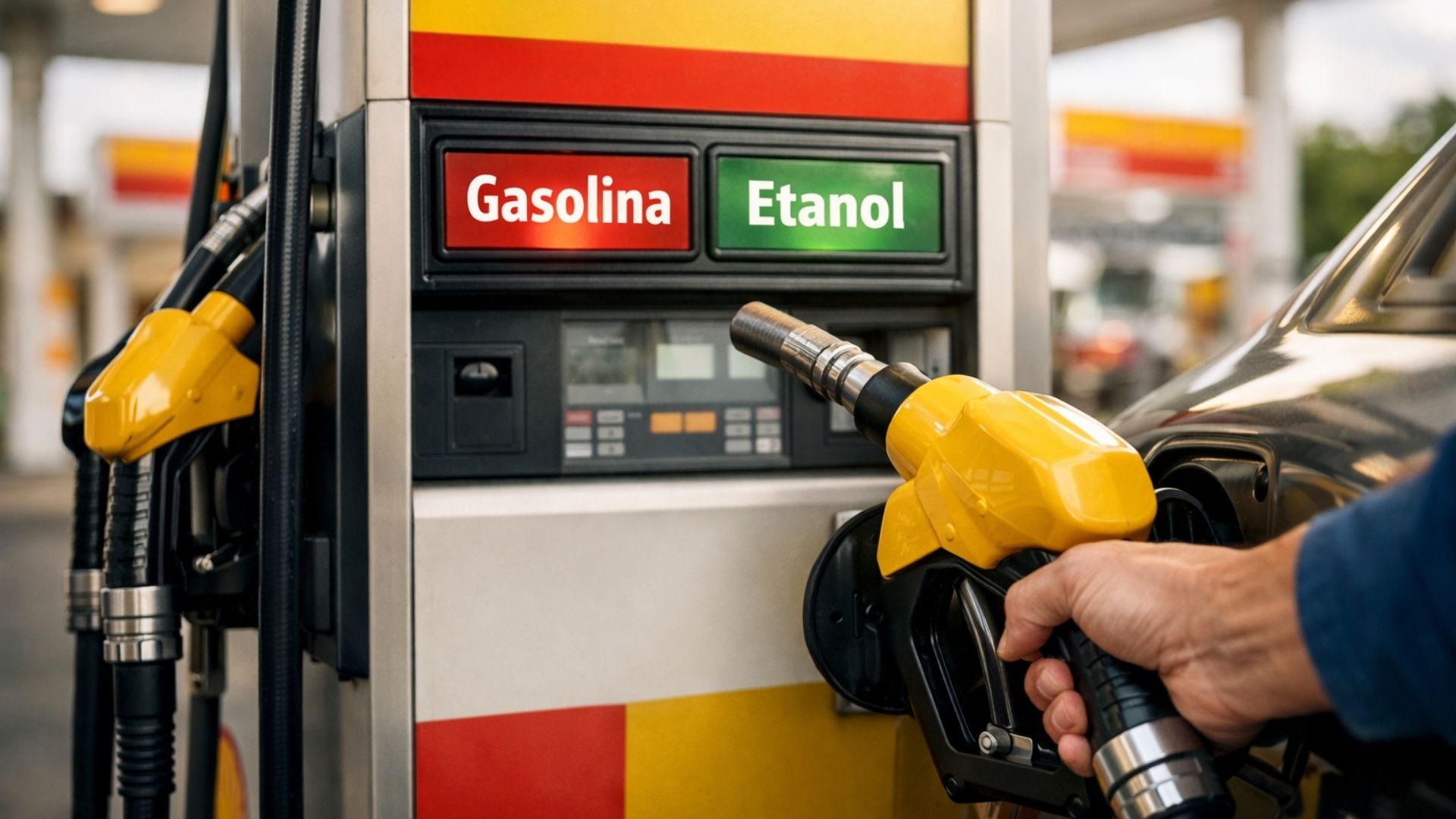
Gasoline prices soar and the question arises: is ethanol more advantageous? The 70% rule reveals the limit with gasoline.

-
The government has made a decision and is starting a test with more ethanol in gasoline, anticipating a mixture of up to 35%, diesel with 25% biodiesel, and a study to assess the impacts on engines.

According to Petrobras and SENAI, the new methodology allows for the simultaneous evaluation of multiple individuals and is available through the Senai Institute to all specialized laboratories in Brazil and around the world.
The Partnership Between Petrobras and SENAI in Reducing Costs and Increasing Efficiency in Covid-19 Testing
The innovation lies in the methodology employed for testing. The new approach created by SENAI will accelerate the RT-PCR testing protocol, as it allows for pool evaluations rather than individual assessments of virus presence.
This format also optimizes the amount of chemical reagents used in tests – from three to just one – and increases testing scale, lowering costs in the process.
To give some perspective, the RT-PCR test, which has high accuracy and is considered the gold standard, costs an average of R$90, whereas, with the new approach, the cost could drop to as low as R$13.
With the decrease in the amount of reagents and labor, the new methodology can increase laboratory testing capacity by up to 10 times, depending on the characteristics of the population.
“In the fight against coronavirus, one of the biggest challenges we face is the shortage of reagents in the market for sample analysis – as they are very expensive and usually imported. With the new testing methodology, we will save on reagents while increasing the capacity for testing in the population. With the pool strategy, you can test a larger group of people with fewer reagents,” says Rubens Akamine, project leader at Petrobras.
“This is a game changer in confronting the pandemic in Brazil. This method has the potential not only to make mass testing feasible but also to support decision-making regarding measures such as lockdown or reduction of social isolation,” explains Sergio Kuriyama, a researcher at the SENAI Institute of Innovation in Green Chemistry.
This project is yet another initiative by Petrobras’ Scientific Response Team (ECR), which, together with companies, universities, and science & technology institutions, has been developing quick and viable solutions to help society face the pandemic.









Seja o primeiro a reagir!