





 Portuguese
  English
  Spanish
  7 min of reading
  0 comments


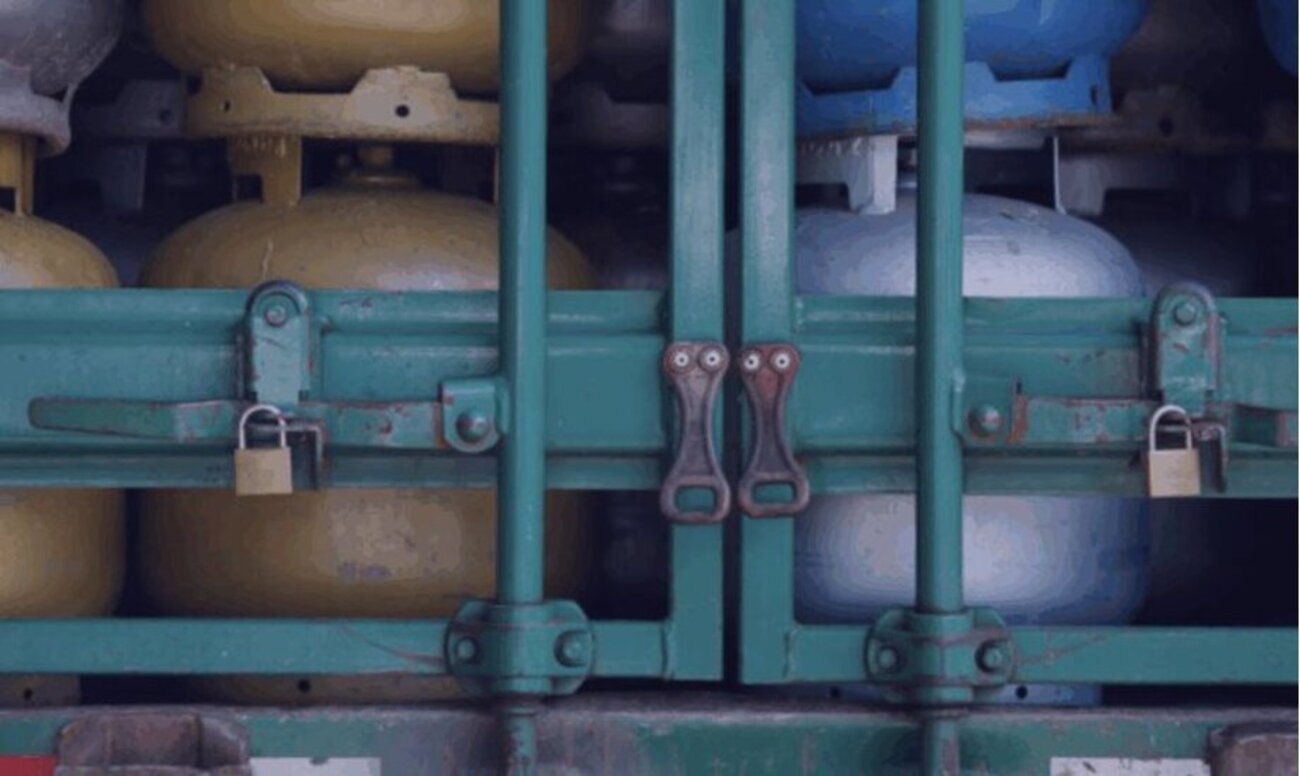
The board of Petrobras analyzes the technical and legal feasibility to interrupt the offer process to the market and studies canceling the kitchen gas auction to align the company’s pricing policy with the social demands of the Presidency of the Republic.
Petrobras has initiated a deep internal review and is now considering canceling the kitchen gas auction (LPG) intended for the large distributors in the country. This movement comes after direct criticism from President Luiz Inácio Lula da Silva regarding the marketing model of this essential fuel for Brazilian families.
The government advocates that Petrobras take a more active role in containing prices, preventing the cost of the 13 kg gas cylinder from experiencing sharp fluctuations dictated solely by the financial market or intermediaries.
The state-owned company planned to hold the auction to organize long-term supply, but political pressure to lower the cost of living for Brazilians has altered the board’s schedule. Company technicians are now assessing whether the cancellation will impact cash flow or national supply logistics in 2026.
-
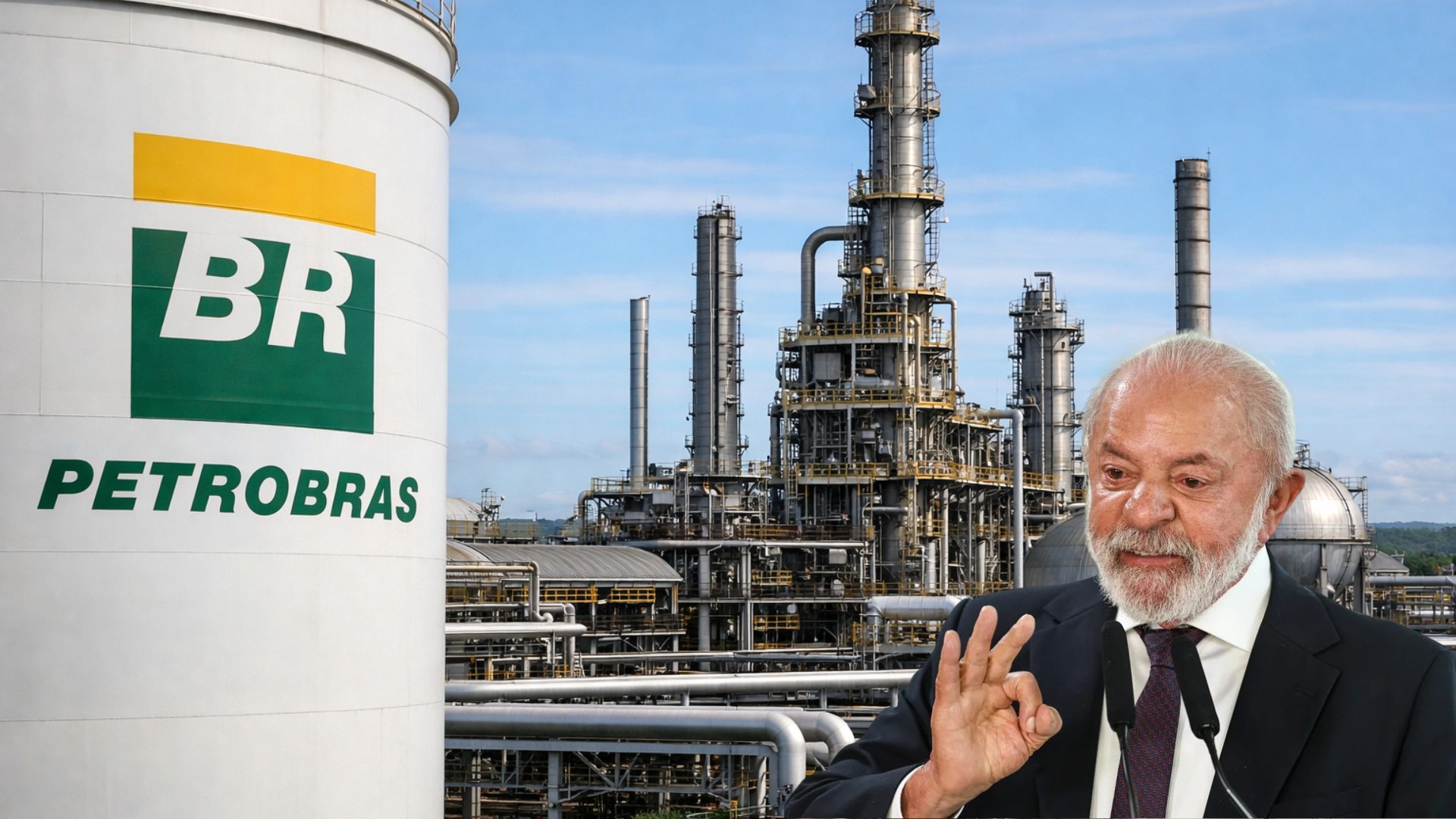
Lula reveals a masterstroke by Petrobras to undo a deal made by Bolsonaro, which involves the return of an important refinery that currently produces less than half of what was expected and makes Brazil dependent on international diesel.
-
A study confirms that the natural gas sector will reduce greenhouse gas emissions in Brazil by 0.5% and accelerate the energy transition by 2026.

-
Petrobras implements a severe adjustment and confirms a 55% increase in the price of aviation kerosene with a proposal for installment payments for the companies.

-
The rise in oil prices could ensure an extra revenue of R$ 100 billion for the Federal Government, indicates a recent economic study.


The current management’s priority focuses on ensuring that gas reaches the end consumer at more affordable prices, using the self-sufficiency of national production as a buffer against the volatility of Brent crude oil and exchange rates.
The impact of presidential criticism on the governance of Petrobras
Petrobras’s decision to now consider canceling the kitchen gas auction reflects the new governance guideline that prioritizes social impact over immediate profit maximization.
President Lula publicly expressed his dissatisfaction with the auction models that, in his view, end up raising the final price for poor consumers. He argues that Petrobras has the technical capacity to sell LPG directly or through contracts that limit the profit margin of distributors.
This change in posture generates debates in the financial market and among the oil company’s shareholders. While investors seek predictability and profits, the government insists that the state-owned company should act as an arm of public policy.
The executive board of Petrobras is now seeking a legal middle ground that allows it to comply with the orders from the Planalto without violating the company’s statutes or the rules of the Securities and Exchange Commission (CVM). Canceling the auction would be the first practical step of this new phase, where the “fair price” gains prominence in board meetings.
How the kitchen gas auction affects your wallet
Many consumers do not understand how a kitchen gas auction between Petrobras and distributors reflects on the final resale price in the neighborhood. Basically, the auction sets the price that companies like Ultragaz, Nacional Gás, and Liquigás pay to withdraw the product from refineries.
If the auction occurs during a period of high oil prices, the winning bid will be elevated, and this cost follows a chain reaction until it reaches the gas cylinder at the citizen’s doorstep.

By studying the cancellation of this model, Petrobras aims to return to a more controlled pricing system that is less dependent on immediate competitive bids. The main goal is to eliminate speculation that occurs during these auctions.
For the end consumer, the expectation revolves around greater stability. Without the price spikes generated by the auctions, the price of the 13 kg gas cylinder could show a downward trend. Or at least, stop rising monthly according to fluctuations in the international market.
Supply logistics and the role of national refineries
Brazil produces a large part of the kitchen gas it consumes through its refineries spread across the national territory. Units like REPLAN in São Paulo and REDUC in Rio de Janeiro operate at maximum capacity to meet domestic demand.
The kitchen gas auction served as a tool to organize who would withdraw what volume from each refinery, ensuring that no region would be left without supply.
With the possible suspension of the auction, Petrobras will need to reorganize its delivery logistics. The state-owned company should return to using direct and long-term supply contracts with distributors, based on volume quotas.
This old model, although less “dynamic” from a liberal perspective, offers greater control over where the gas is going and at what price it leaves the refinery. The concern of some industry experts lies in the efficiency of this distribution. Without the incentive of the auction, Petrobras assumes full responsibility for avoiding logistical bottlenecks that could cause product shortages in states farther from the coast.
Why is kitchen gas so politically sensitive?
LPG (Liquefied Petroleum Gas) is considered a basic survival item in Brazil. Unlike gasoline, which mainly affects those who own vehicles, kitchen gas directly impacts the nutrition of families.
When the price of the gas cylinder rises too much, low-income populations resort to dangerous methods. Such as cooking with firewood or alcohol, which drastically increases the rates of domestic accidents and severe burns.
For this reason, the government treats the kitchen gas auction as a matter of public safety and health. President Lula uses this argument to pressure Petrobras. The company, in turn, understands that its public image depends on the perception of gas prices.


Historically, governments that failed to control the price of the gas cylinder suffered sharp drops in popularity, which explains the speed with which the state-owned company reacted to presidential criticisms this week in April 2026.
The challenge of balancing import costs and national production
Despite high domestic production, Brazil still needs to import a small portion of LPG to ensure that supply does not fail during consumption peaks in winter or maintenance shutdowns at refineries.
The dilemma of canceling the kitchen gas auction lies in the cost of this imported product. The gas that comes from abroad arrives in Brazil at a dollar price, and someone has to pay that bill.
If Petrobras sells national gas at a very low price and buys imported gas at a high price, it will incur an operational loss in the LPG sector. The board is now studying how to equalize these costs without fully passing them on to the consumer.
One of the solutions under analysis involves creating a stabilization fund, where the profits from crude oil exploration in the pre-salt would offset the costs of importing kitchen gas, keeping the cylinder affordable for the low-income population.
The role of distributors and the profit margin in the market
Cancelling the kitchen gas auction only resolves half of the final price problem. After the gas leaves Petrobras’s refinery, it passes through the hands of distributors and then local resellers.
Industry estimates show that Petrobras accounts for only about 40% to 50% of the amount that consumers pay for the cylinder. The rest of the price consists of state taxes (ICMS), logistics costs, packaging, and the profit margin of private companies.
The government is exploring ways to increase transparency in this chain. By canceling the auction, Petrobras removes an argument from distributors to raise prices. If the price at the refinery remains stable, the government will find it easier to demand that distributors also keep their prices frozen.
The Ministry of Mines and Energy closely monitors the market to prevent the formation of cartels, ensuring that the cost reductions promoted by the state-owned company actually reach the kitchens of Brazilians and do not remain as excessive profits in the hands of intermediaries.
Prospects for dividends and the reaction of the financial market
News that Petrobras is considering canceling the kitchen gas auction caused a slight fluctuation in the company’s shares on B3 and in New York. Market analysts fear that this interference in pricing policy will reduce dividends paid to shareholders.
However, Petrobras’s board asserts that the company remains solid and profitable, and that the adjustment in the LPG sector represents a small portion of total revenue, focused on social responsibility.
The state-owned company seeks to convince the market that a stable society with a low cost of living is beneficial for long-term business. A country that consumes and produces with cheap energy tends to grow faster, which increases demand for other Petrobras products, such as industrial fuels and lubricants.

The balance between financial profit and social profit has become the great challenge of the company’s economic engineering in 2026, requiring transparent communication with investors to avoid capital flight.
Innovation and alternatives: The future of residential gas
While the controversy over the kitchen gas auction dominates the headlines, Petrobras is also investing in long-term alternatives. The company is studying the feasibility of biomethane for residential use in gas networks in large cities. The biomethane, produced from organic waste, could reduce the pressure on LPG derived from petroleum.
Another area of innovation focuses on electrifying kitchens through high-efficiency induction stoves powered by solar or wind energy. However, for the current reality of millions of Brazilians, the steel cylinder remains the only practical option.
Therefore, maintaining an affordable price for LPG continues to be the immediate priority. Canceling the auction acts as a short-term solution, while the country plans an energy transition that, in the future, reduces dependence on fossil gas for food preparation.
What to expect in the coming months?
The final decision on canceling the kitchen gas auction is expected to be made after the completion of the technical and legal studies conducted by President Magda Chambriard’s team.
The trend points to a definitive suspension of the competitive auction model for LPG, replacing it with social supply contracts. The Lula government maintains high pressure and expects to announce a reduction in the average price of the gas cylinder still in the first half of this year.
Consumers should stay alert to information from local resellers. Changes at the refinery take a few weeks to reach sales points in the interior cities. If Petrobras consolidates this new policy, Brazil will take an important step to protect the purchasing power of the most vulnerable population.
The oil and gas sector continues to transform, proving that the largest company in the country can indeed be an instrument of economic balance and social well-being, provided there is rigorous planning and focus on national interest.







Seja o primeiro a reagir!