





 Portuguese
  English
  Spanish
  3 min of reading


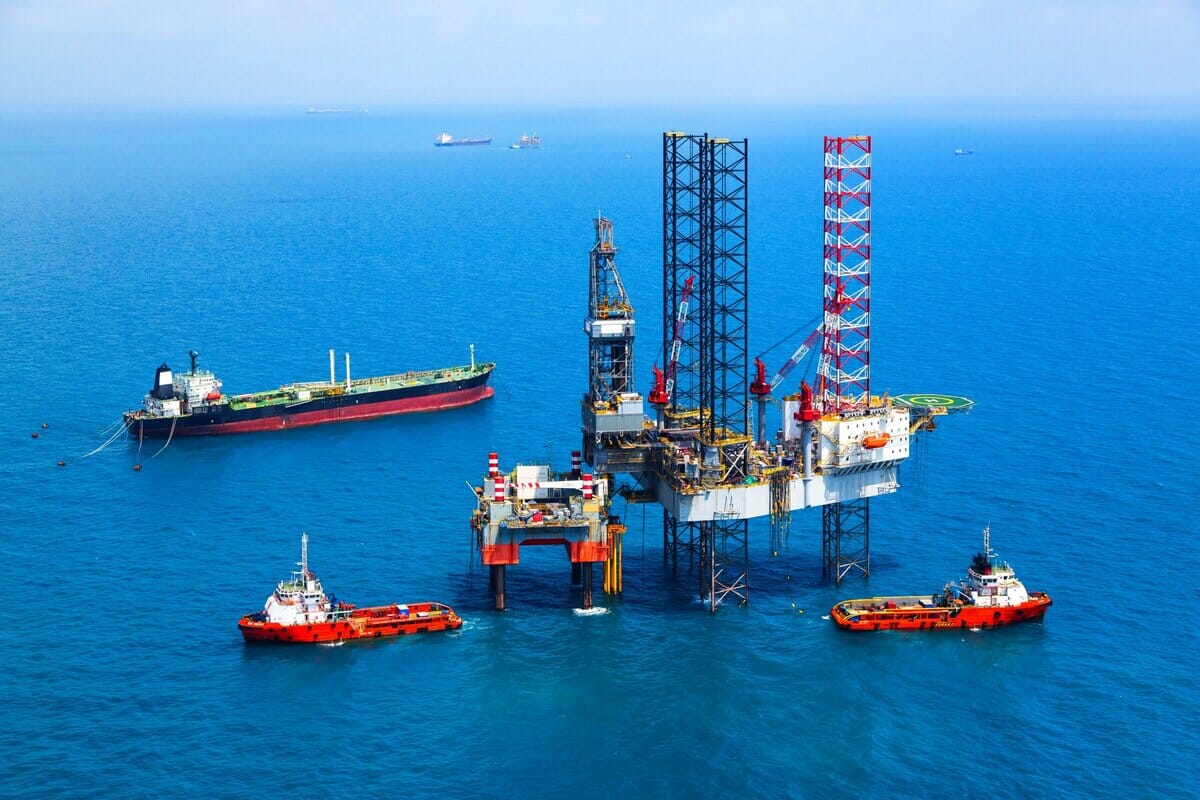
Recent Orders from Petrobras Were for Vessels Available on the Market, But with the Fleet Renewal, New Ships Will Have to Be Built.
The state-owned company Petrobras is preparing an ambitious plan to renew its fleet of support vessels for oil platforms. The main goal is to replace units that are reaching the end of their useful life in the coming years. The Director of Engineering, Technology and Innovation of the state-owned company, Carlos Travassos, revealed that up to 36 vessels will be chartered, boosting business in Brazil’s naval industry.
Experts Comment on the Resurgence of the Brazilian Naval Industry


Petrobras Will Order Up to 36 Vessels to Replace Old Units in Operation
Support vessels are essential for transporting supplies to the platforms and for carrying out specialized services, such as laying pipelines on the seabed.
Based on preliminary studies, Petrobras found that it would be necessary to replace a total of 28 vessels by the year 2029, and another 8 shortly after that period.
-
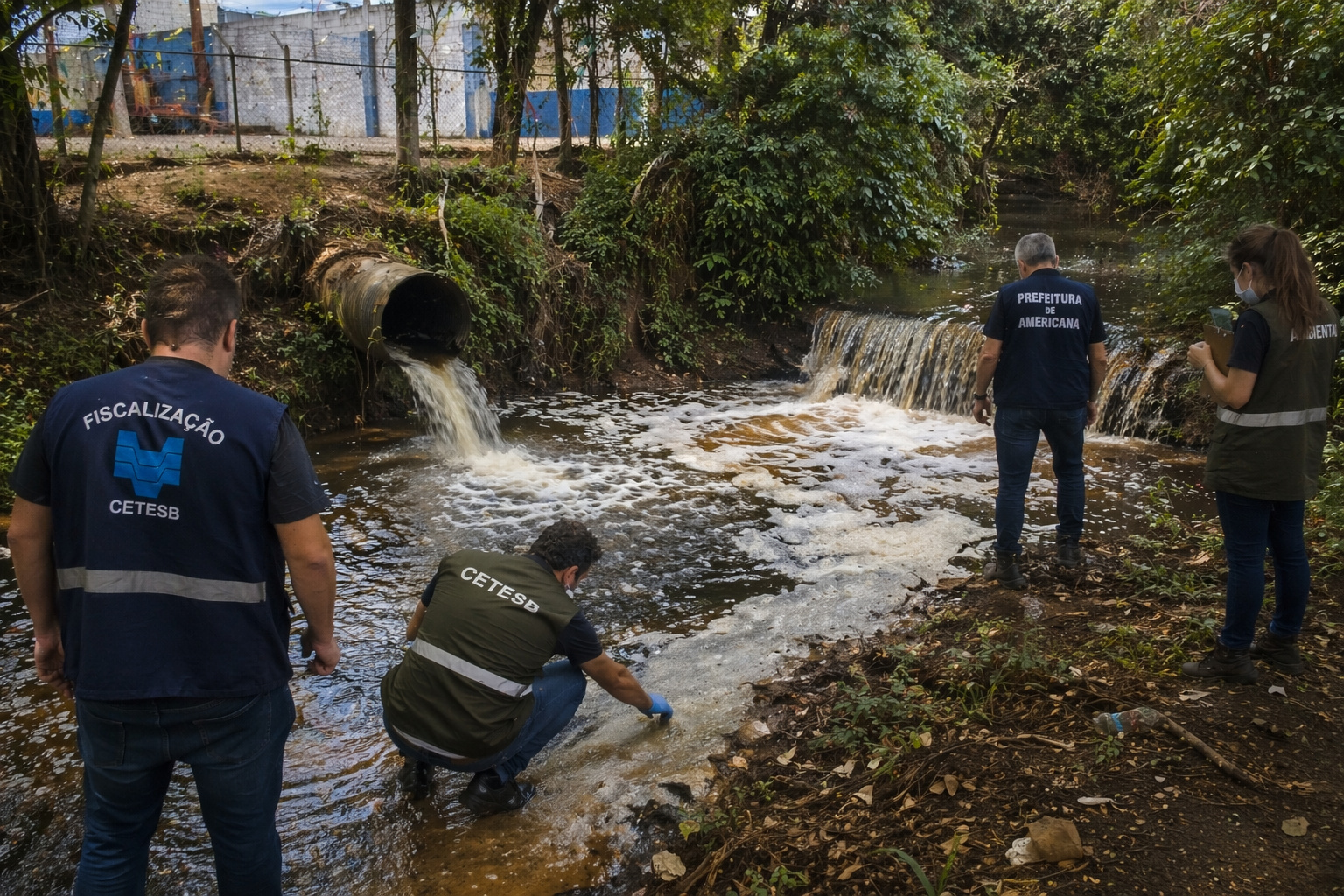
A fine of R$ 115 thousand puts Goodyear at the center of an environmental case in Americana after oil and grease appeared in a stream and the company was forced to act quickly.
-
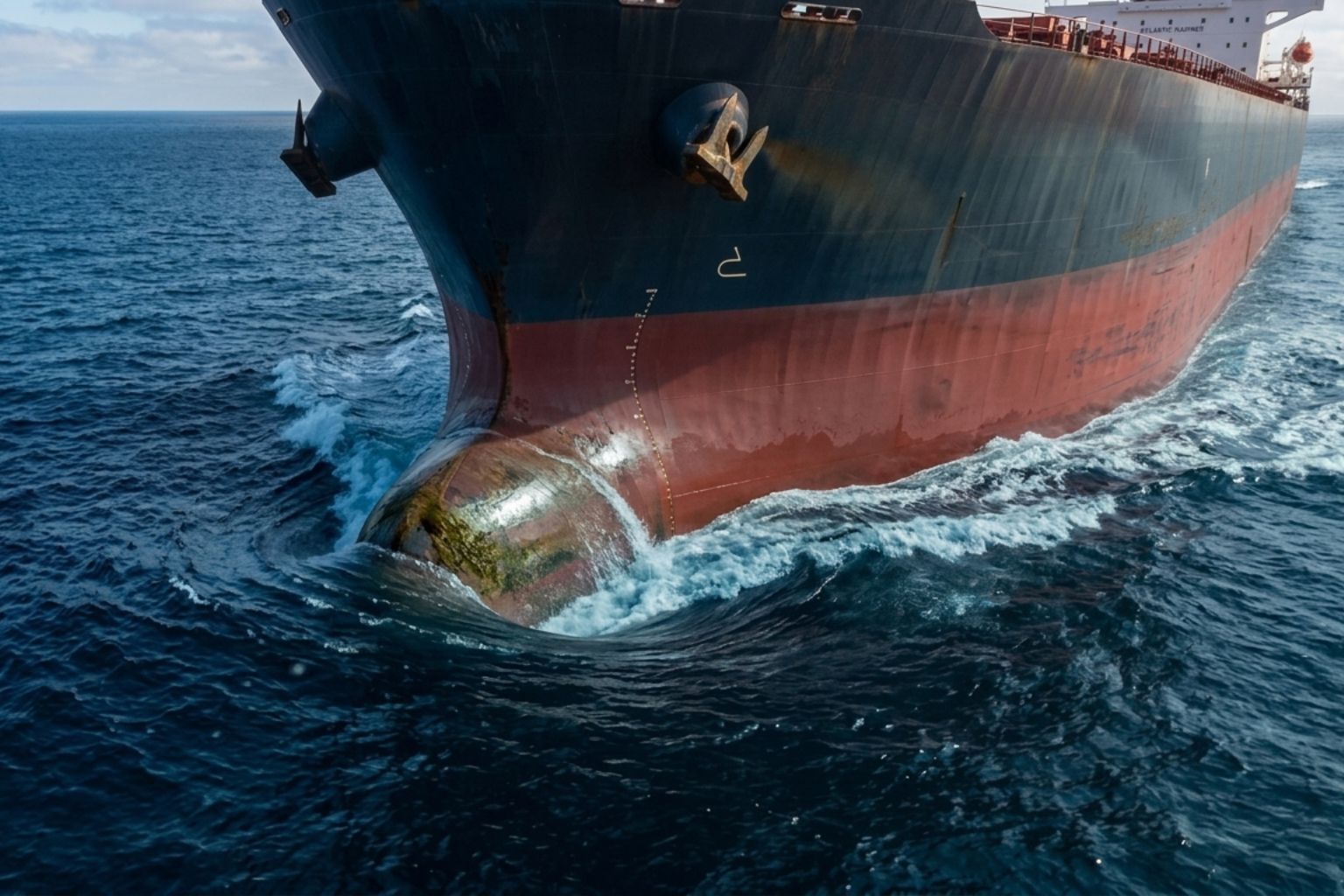
A hidden metal piece in the bow redesigns the water flow, reduces drag, and can save over 10,000 tons of fuel per year; this invisible solution allows giant ships to cut millions in costs without changing engines or routes.
-
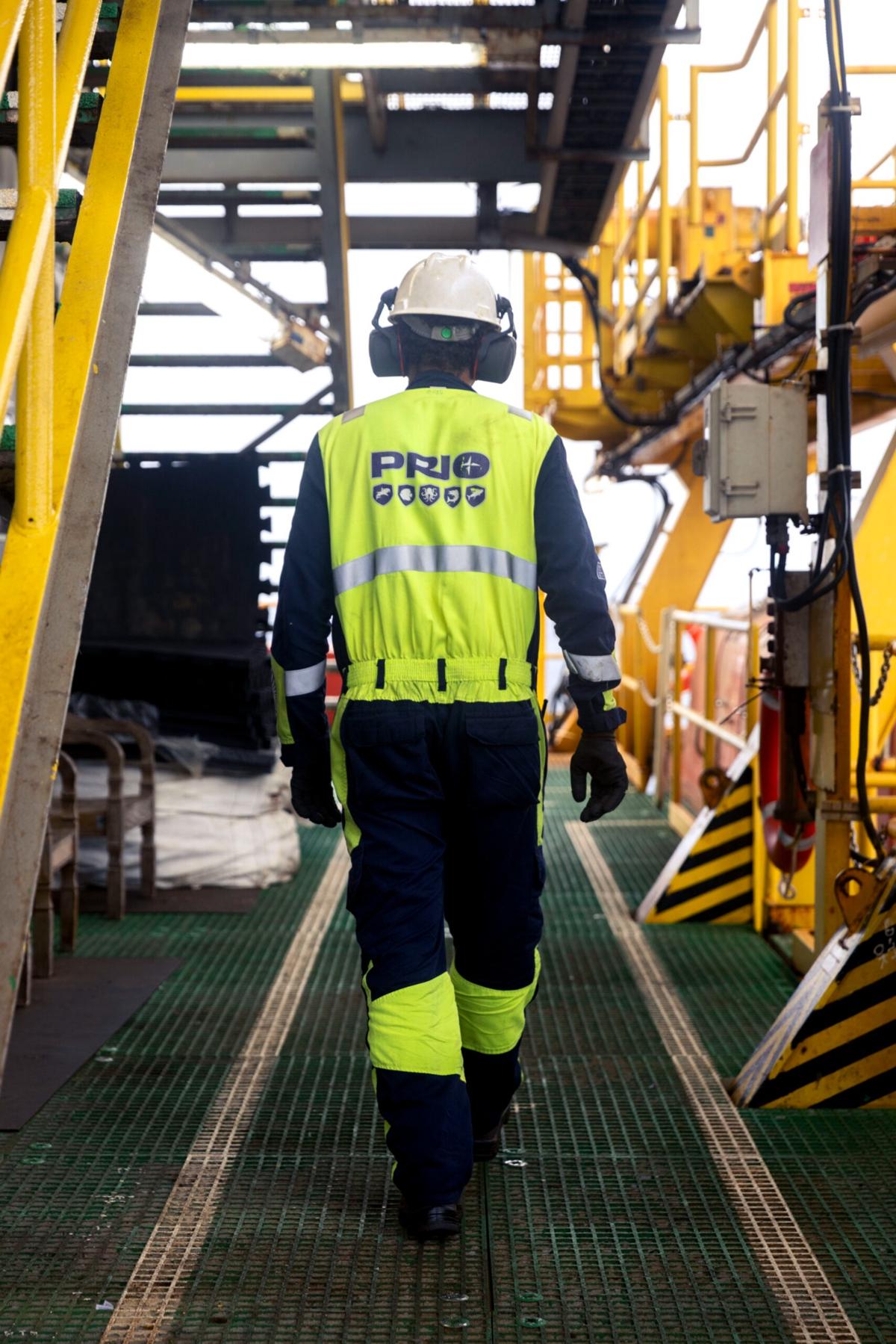
PRIO opens trainee program 2026 focused on offshore, technical rotation, and leadership development in the oil and gas industry.
-
Electricians wanted: Neoenergia opens positions for electricians interested in working at the company.

The renewal plan is seen as a significant opportunity for the Brazilian naval industry, as it is estimated that contracts could generate around 35,000 direct and indirect jobs in national shipyards.
Additionally, the state-owned company plans to adopt cleaner and more sustainable technologies, aiming to reduce pollutant gas emissions during operations.
According to Brazilian law, bids do not specify the location for the construction of the vessels, but there is a clear preference for national-flagged boats.
This means that Brazilian vessels have priority over foreign ones in obtaining Petrobras contracts.
Currently, most of the company’s maritime support fleet is of national origin. According to Abeam (Brazilian Association of Maritime Support Companies), in May, out of 408 vessels operating in the country, 363 had Brazilian flags.
The maritime support sector has faced significant challenges in recent years.
Especially during the oil sector crisis triggered by falling international prices and the investigations of Operation Lava Jato, which also addressed contractual issues in the naval industry.
Between 2017 and 2018, Abeam estimates that around 80 Brazilian-flagged vessels were without contracts.
Incentive for Local Construction Is Part of Petrobras’ Plan to Revive Investments in the Naval Industry
Petrobras also plans to invest in larger ships through its subsidiary Transpetro, but studies are still underway for this initiative.
Additionally, the state-owned company intends to hire national shipyards for the construction of modules for oil platforms and for the decommissioning of platforms that have reached the end of their useful life.
Recently, the company signed a contract with Gerdau for the dismantling of the P-32 platform, and another 26 units will be dismantled by 2027, followed by another 27 by 2030.
The resumption of investments in the Brazilian naval industry is a campaign promise of President Luiz Inácio Lula da Silva (PT).
In the past, the government implemented a series of incentives for local construction, resulting in the opening of new and large shipyards in the country.
Including the Program for the Renewal of the Maritime Support Vessel Fleet (Prorefam), which ordered more than 120 vessels.
Unfortunately, the ordering process was interrupted due to the start of Operation Lava Jato, which revealed practices of corruption and overpricing in naval construction works, resulting in the imprisonment of executives and politicians.
However, the demand for maritime support services seems to be rising again, which represents an important opportunity for the development and growth of the naval industry sector in Brazil.








Seja o primeiro a reagir!