





 Portuguese
  English
  Spanish
  6 min of reading
  0 comments


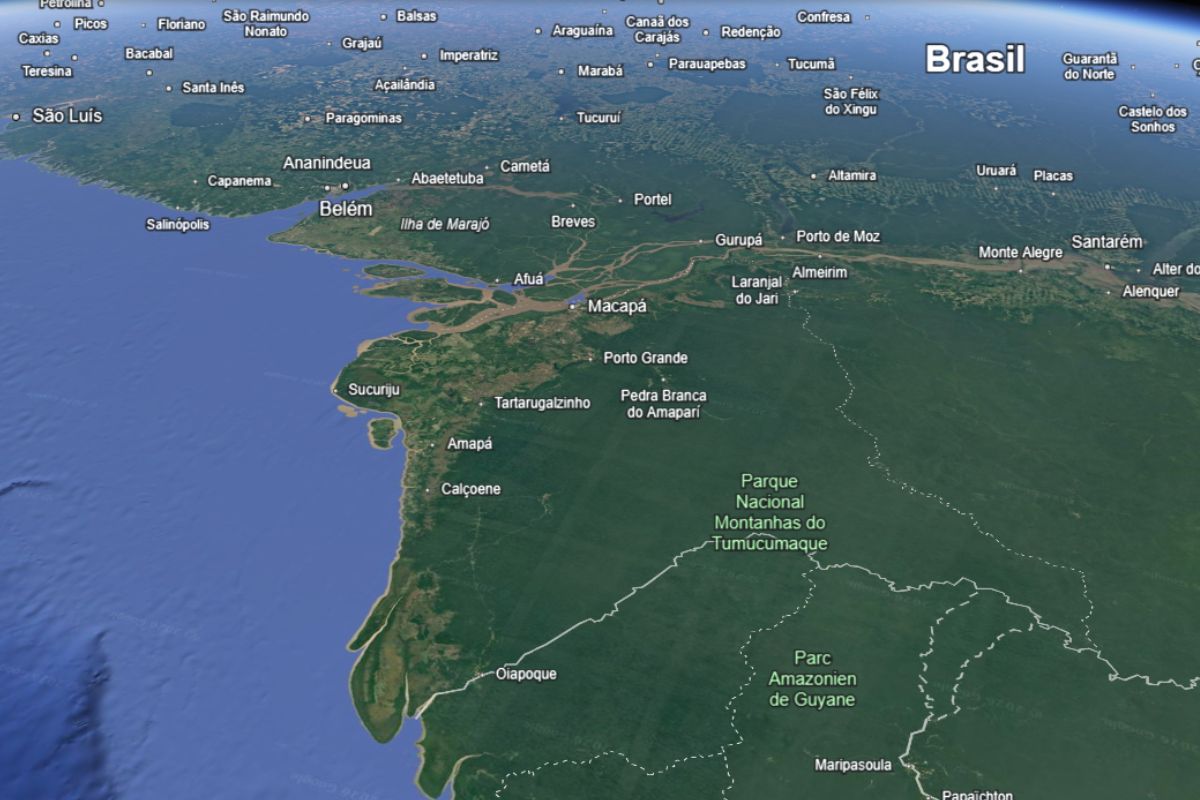
Petrobras drills the Morpho well 175 km off the coast of Amapá in the Equatorial Margin, a region with estimated reserves of up to 16 billion barrels, and Oiapoque is already experiencing a real estate boom with 800 construction permits issued in 2025, skyrocketing rents, 807 new students in schools, and infrastructure that cannot keep pace with what could be the largest oil discovery since the pre-salt.
Petrobras is about to transform Oiapoque, a city in the far north of Brazil that most Brazilians only know from the expression “from Oiapoque to Chuí,” into one of the most strategic points of the country’s oil industry.
According to Terra, the company is drilling the Morpho well in block FZA-M-59, 175 km off the coast of Amapá, in the region known as the Equatorial Margin.
The estimated reserves in the Equatorial Margin reach 16 billion barrels of oil, and Petrobras expects to reach the reservoir in the second quarter of 2026, in an operation that could be the largest discovery since the pre-salt.
-
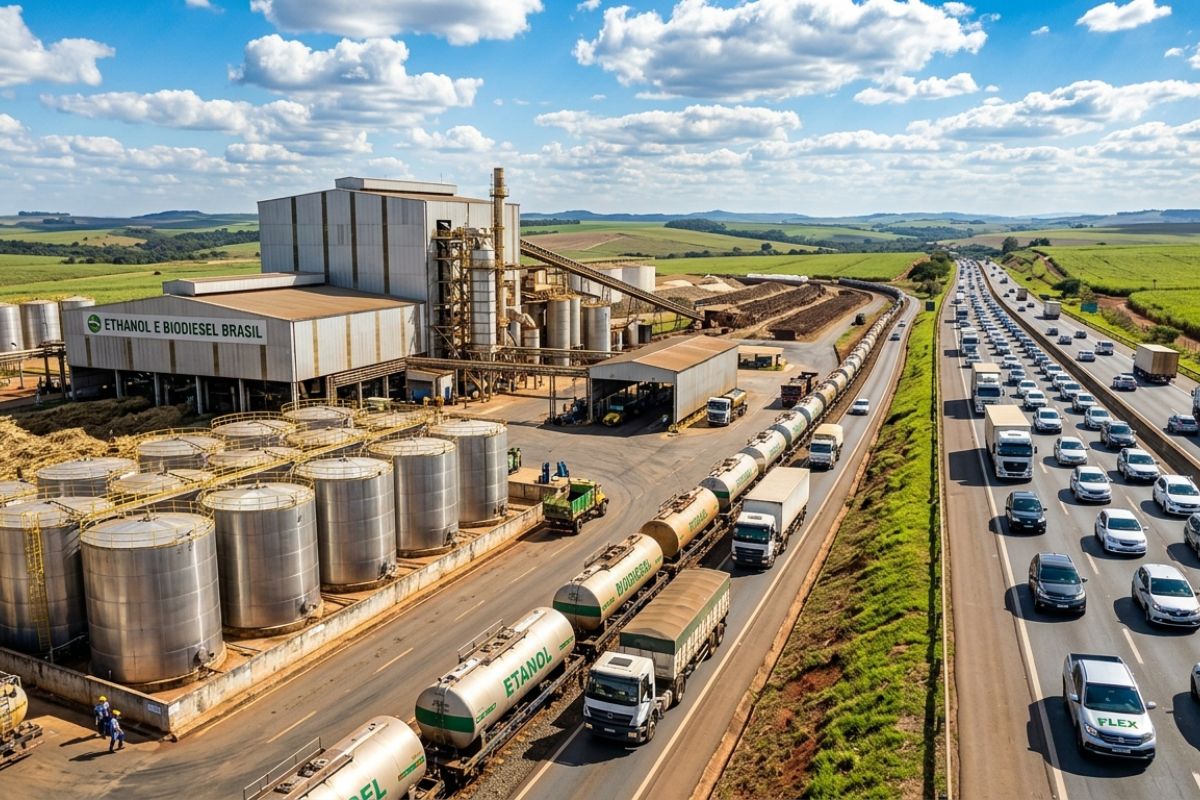
The Economist says that Brazil has a secret weapon in the oil war during this crisis: ethanol, biodiesel, and flex-fuel vehicles. With Petrobras holding costs, fuel prices are rising 10% to 20% here, compared to 30% to 40% in the USA.
-
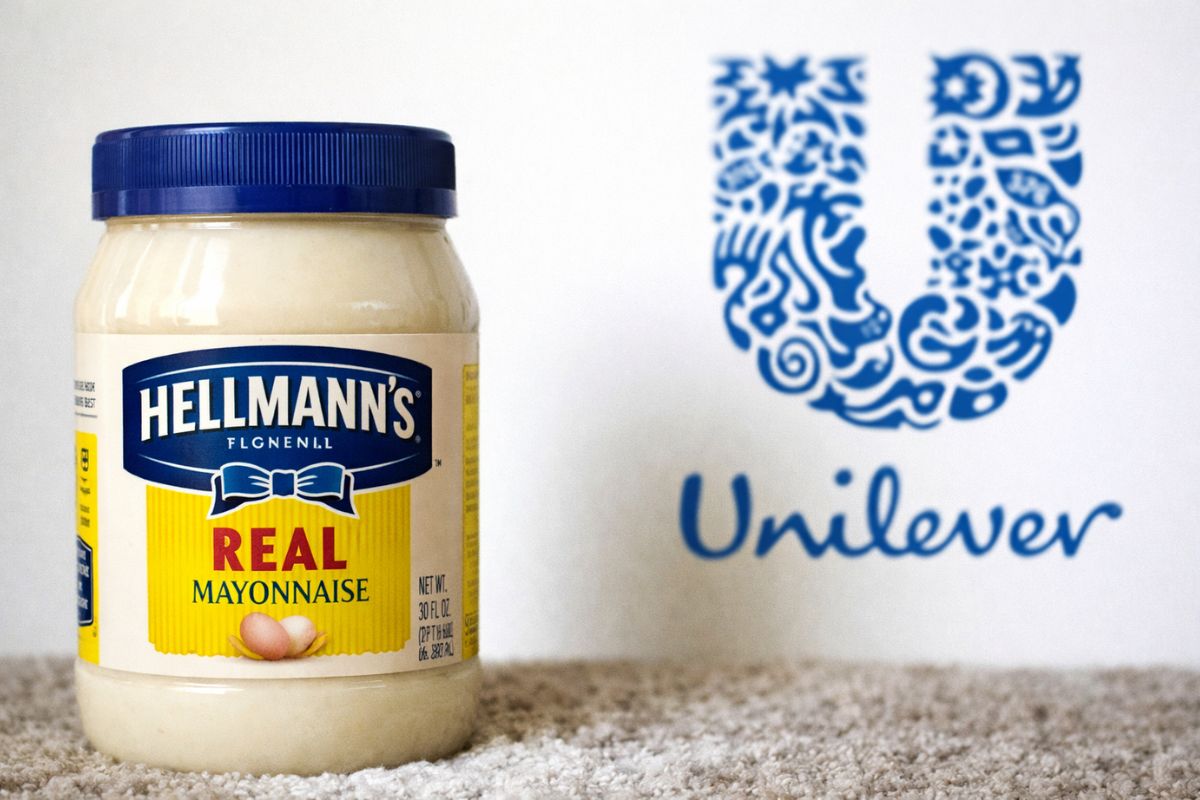
Unilever is negotiating the sale of Hellmann’s, Knorr, and its entire food division in a deal that could reach R$ 186 billion to transform into a company focused exclusively on beauty and personal care.
-
China, Brazil, and India together control the largest rare earth reserves on the planet and are now at the center of a geopolitical dispute that could determine who will dominate technology and the global economy in the coming decades.

-
While thousands continue to lack water and sewage on the coast of Piauí, the government inaugurates a R$ 5.5 million international portal in Barra Grande and bets on global visibility.


But what makes this story different is that Oiapoque has already changed even before the first drop of oil comes from the seabed.
In 2025, around 800 construction permits and property transfers were issued in the city. Rents skyrocketed. 807 new students applied for places in municipal schools, an increase of 16%. And the infrastructure is not keeping up.
Petrobras is already using Oiapoque as a logistics base, with renovations at the airport and air transport of teams to the platforms, and the city is experiencing a race that mixes hope, speculation, and chaos.
What is already happening in Oiapoque before Petrobras extracts oil from the sea
Oiapoque has about 30,000 inhabitants, is located on the border with French Guiana, and has always been one of the most isolated cities in Brazil.
In 2025, the city issued about 800 construction permits and property transfers, an absurd number for a city of this size.
New constructions are spreading through peripheral neighborhoods, forest areas are being deforested, and informal settlements are emerging at a rapid pace.
Residents report that “one neighborhood after another” is emerging, and the promise of Petrobras’s oil is attracting Brazilians from other states and even from abroad.
Rents have risen sharply, land has become contested, and merchants are adjusting prices in response to increased demand.
By 2026, 807 new students applied for places in municipal schools, a 16% increase in a network that has about 5,000 students. Overcrowded schools, areas without sanitation, unpaved roads, and irregular access to water are part of the reality of a city that is growing faster than its infrastructure can absorb.
What is the Equatorial Margin and why is Petrobras betting everything on this region
The Equatorial Margin is a strip of exploratory blocks that extends from Rio Grande do Norte to Amapá, along the northern and northeastern coast of Brazil.
Estimates indicate reserves of up to 16 billion barrels of oil in the region, with the potential to produce 1.1 million barrels per day, which would make the Equatorial Margin the most strategic discovery since the pre-salt.
Petrobras’s Business Plan 2026-2030 foresees $2.5 billion in investment in the Equatorial Margin and the drilling of 15 new wells.
The National Industry Observatory (CNI) indicates that the development of the region could create 495,000 formal jobs, add R$ 175 billion to GDP, and generate R$ 11.23 billion in indirect revenues.
The GDP of Amapá could increase by 61.2% with Petrobras’s exploration of the Equatorial Margin, and Oiapoque could follow the path of Maricá (RJ), which collected R$ 2.6 billion in royalties in 2025 as the city that receives the most in Brazil.
The comparison with Guyana, which discovered oil in the same geological strip and transformed its economy in a few years, reinforces the optimism.
The saga of the Morpho well: license, leak, fine, and Petrobras’s resumption
Petrobras has been trying since 2014 to obtain authorization to drill in the mouth of the Amazon. In 2023, Ibama denied it, citing risks to biodiversity.
In October 2025, Ibama finally authorized drilling in block FZA-M-59, and Petrobras’s president, Magda Chambriard, classified the release as a victory for Brazilian society.
But on January 4, 2026, a leak of 18.44 cubic meters of drilling fluid into the sea forced the suspension of operations. Ibama imposed a fine of R$ 2.5 million on Petrobras.
Ibama’s technical report showed that the leaked fluid contained a toxic substance capable of impacting the respiration and feeding of marine animals.
In February 2026, ANP authorized the resumption conditioned on the replacement of all seals of the riser joints and retraining of the team.
Petrobras reported that it has begun preparations, and the director of E&P, Sylvia dos Anjos, stated that the expectation is to reach the reservoir in the second quarter of 2026. In addition to Morpho, Petrobras has already requested authorization from Ibama to drill three additional wells in the same block: Marolo, Manga, and Maracujá.
The risks accompanying Petrobras in the Equatorial Margin
The Federal Public Ministry requests that Ibama not authorize the three new wells without studies of cumulative and synergistic effects.
Indigenous organizations claim that there is a tragedy in progress and that Petrobras’s exploration in the region disrespects the Prior, Free, and Informed Consultation, as provided for in ILO Convention 169.
The January leak already demonstrated that environmental risks are real and that the substance released into the sea was toxic enough to compromise essential functions of marine organisms.
Petrobras’s licensing in the Equatorial Margin also divides opinions in the context of COP30, which takes place in Belém, with environmentalists warning of the contradiction of hosting a climate conference while expanding fossil fuel exploration in the same region.
In Oiapoque, the risks are more immediate: the city is growing without planning, the infrastructure is not keeping up, forest areas are being cleared for new constructions, and informal settlements are emerging without basic sanitation.
The promise of wealth from Petrobras arrives first as chaos, and the question is whether the infrastructure will catch up with growth before the problems become irreversible.
Why the war in the Middle East makes Petrobras in the Equatorial Margin even more urgent
With the war in Iran, the Strait of Hormuz partially blocked, and oil prices above $100, the Equatorial Margin gains strategic urgency for Brazil.
Petrobras’s projections indicate that starting in the 2030s, Brazil may return to importing oil if it does not explore new frontiers like the Equatorial Margin.
The race for Amapá’s oil is no longer just economic. With global supply instability, exploring the Equatorial Margin has become a matter of national sovereignty.
According to Diário do Amapá, starting April 1, 2026, the transfers of Petrobras workers will be made in Macapá instead of Belém, boosting the hotel economy of Amapá and consolidating the state as an operational base for exploration.
The federal government and Petrobras have established a partnership of R$ 634.1 million for workforce training and strengthening productive chains in the region, preparing the ground for an economic transformation that is still in its early stages.
Oiapoque between the promise of wealth and the chaos that has already arrived
Petrobras drills the most strategic well in the country 175 km off the coast of Amapá, with estimated reserves of up to 16 billion barrels and the potential to create 495,000 jobs and increase the state’s GDP by over 60%.
But Oiapoque has already changed before the oil comes out: 800 construction permits, skyrocketing rents, overcrowded schools, and infrastructure that cannot keep up show that Petrobras’s promise arrives first as disorderly growth.
The story of Oiapoque could be that of a new Maricá, which became wealthy with royalties, or that of a city that grew too fast and could not organize in time. Petrobras brought the opportunity. What Oiapoque does with it is the chapter that is still being written.
Did you know that Petrobras is drilling in the Equatorial Margin with the potential for 16 billion barrels? Do you think Oiapoque will transform into a new Maricá or will chaos prevail? Should Brazil explore oil in this region or protect the environment? Leave your thoughts in the comments and share this article with those who follow energy and economics.







Seja o primeiro a reagir!