





 Portuguese
  English
  Spanish
 3 min of reading
  0 comments


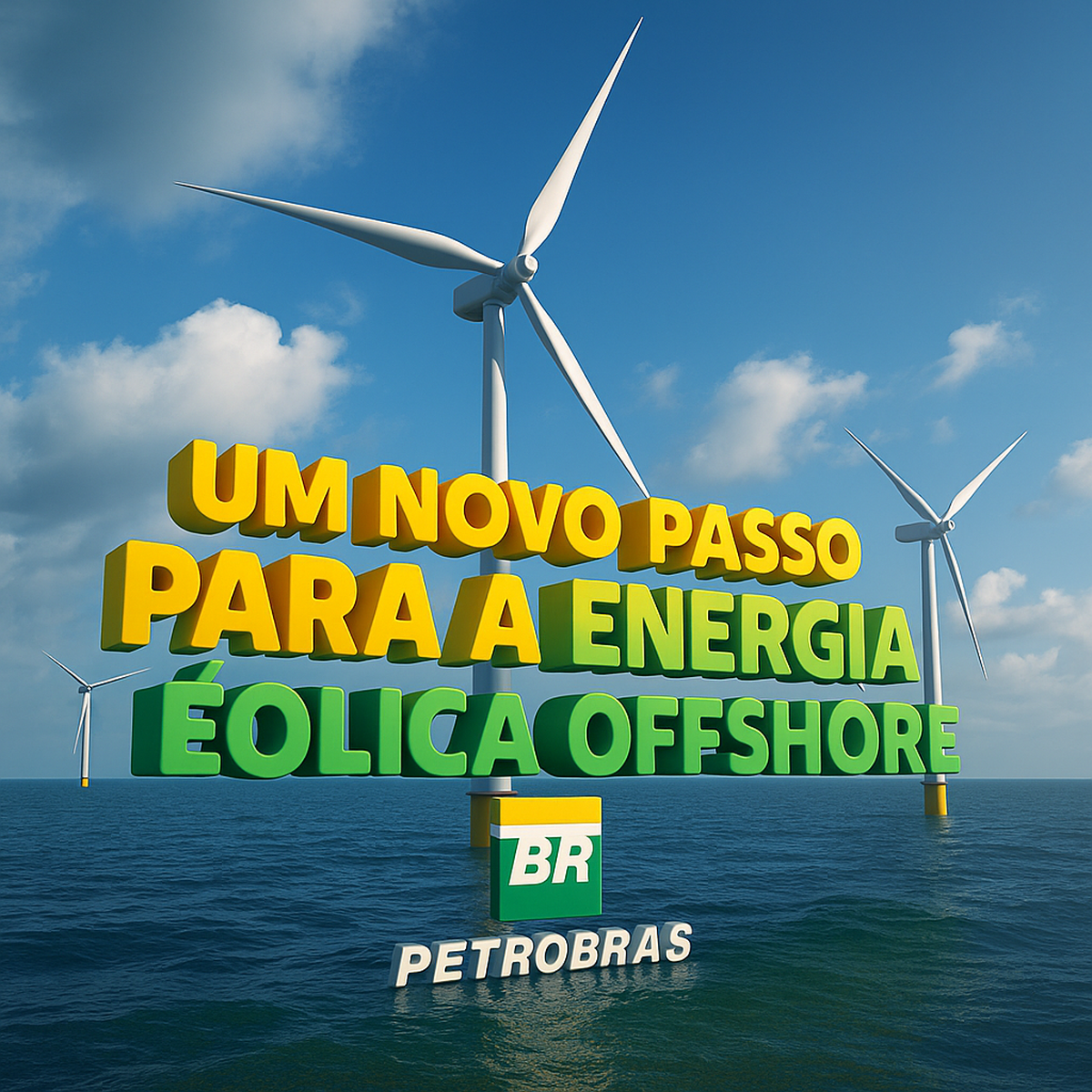


Geophysical And Geotechnical Studies Will Determine Maritime Area With Potential To Generate Clean Wind Energy And Consolidate Petrobras’ Energy Transition
One of the largest companies in Latin America is finally about to take a decisive step towards the energy of the future.
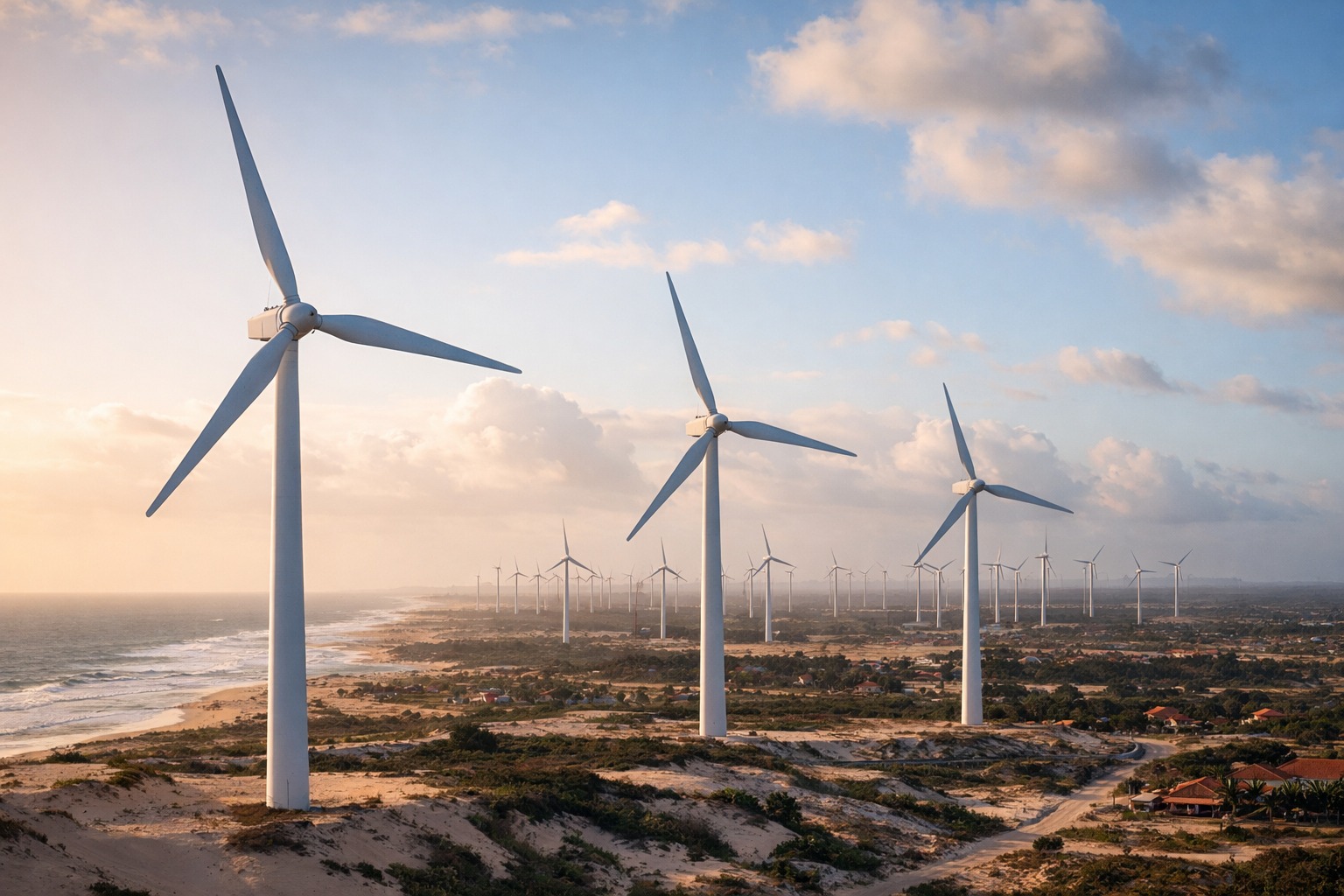
The Petrobras, Brazilian state-owned oil and gas company, opened two strategic tenders in June 2025. They aim to evaluate areas with potential for offshore wind farms off the coast of Rio de Janeiro.
The initiative is part of an unprecedented pilot project developed with the Government of the State of Rio. The protocol was signed in March 2024, focusing on renewable energies.
-
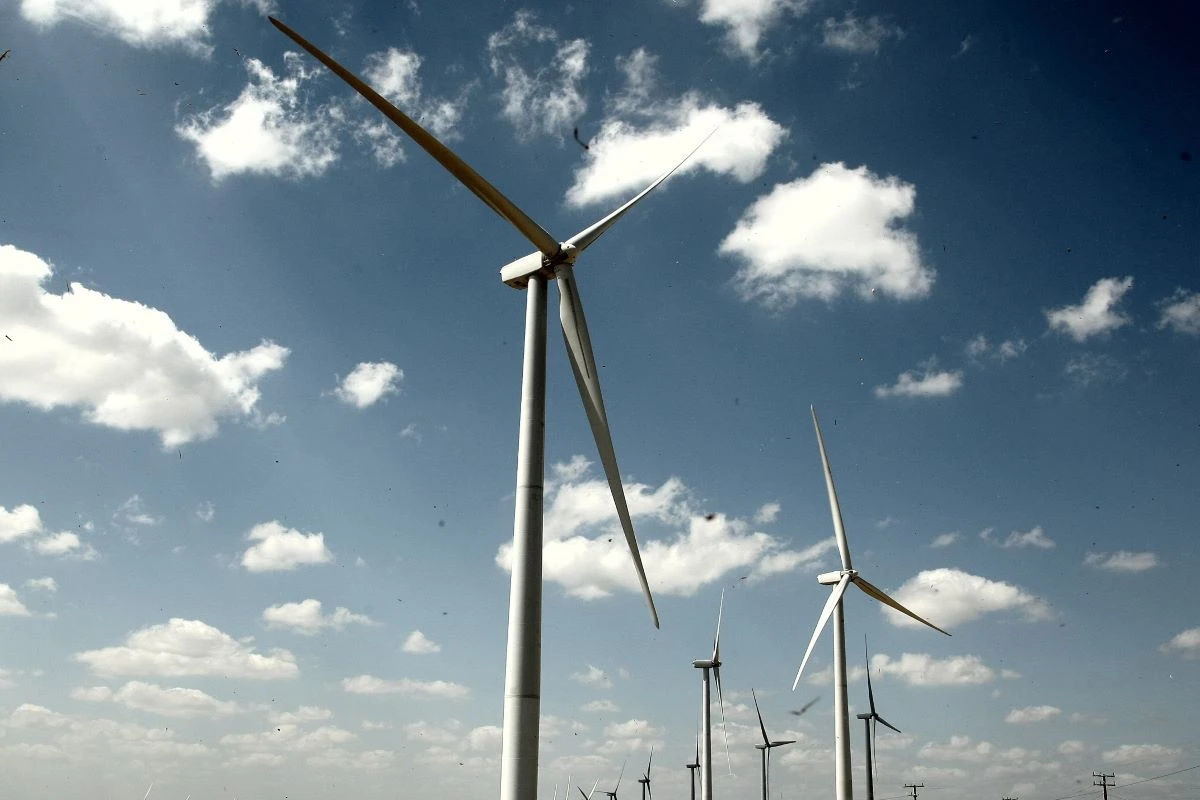
Urgent energy transition: Greenpeace advocates for massive investments and points to Brazil as a global leader in wind energy production in the coming years.
-
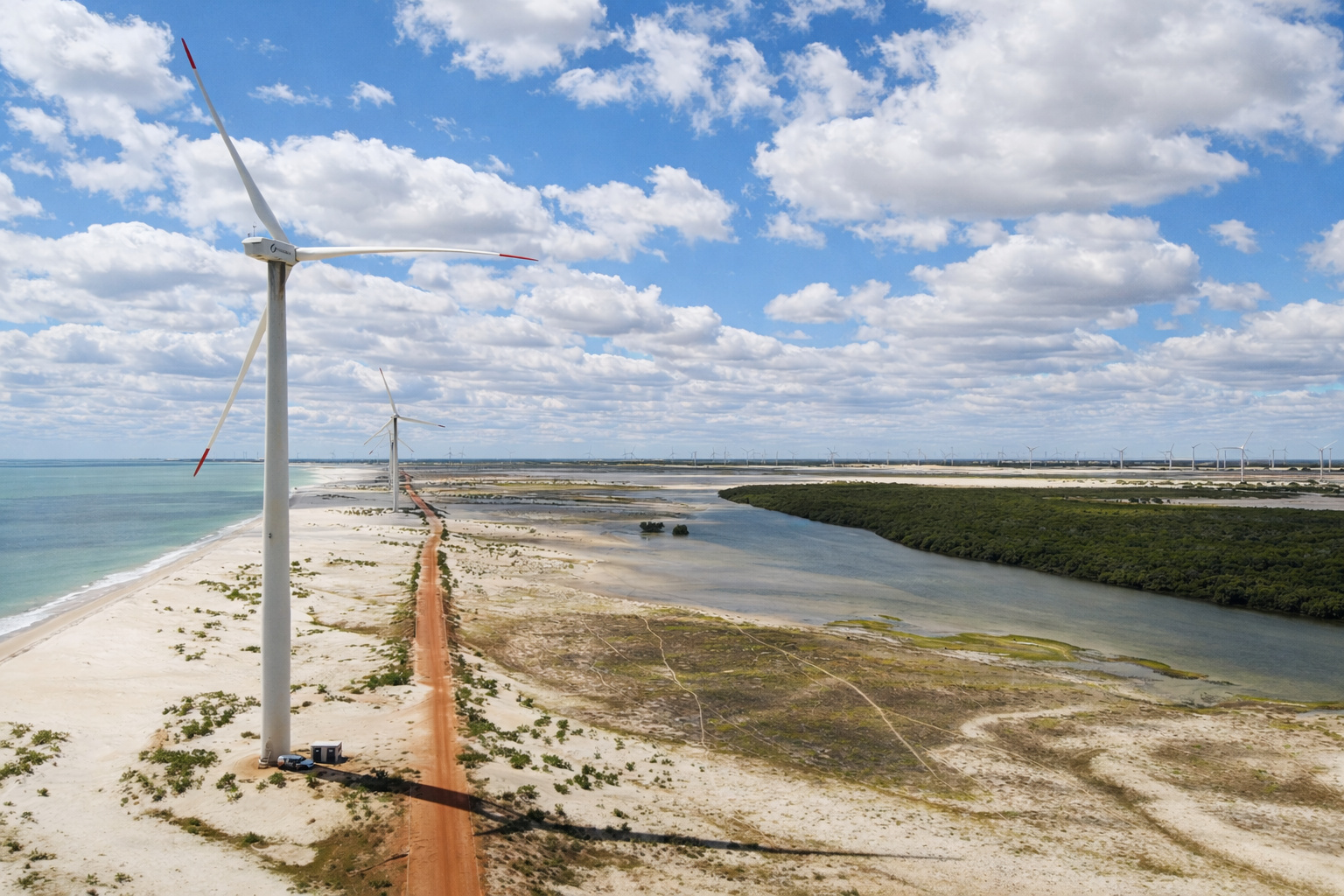
Conflict in the Sertão: Rural communities in Rio Grande do Norte report issues with wind farms and the new challenges of clean energy in the semi-arid region.
-
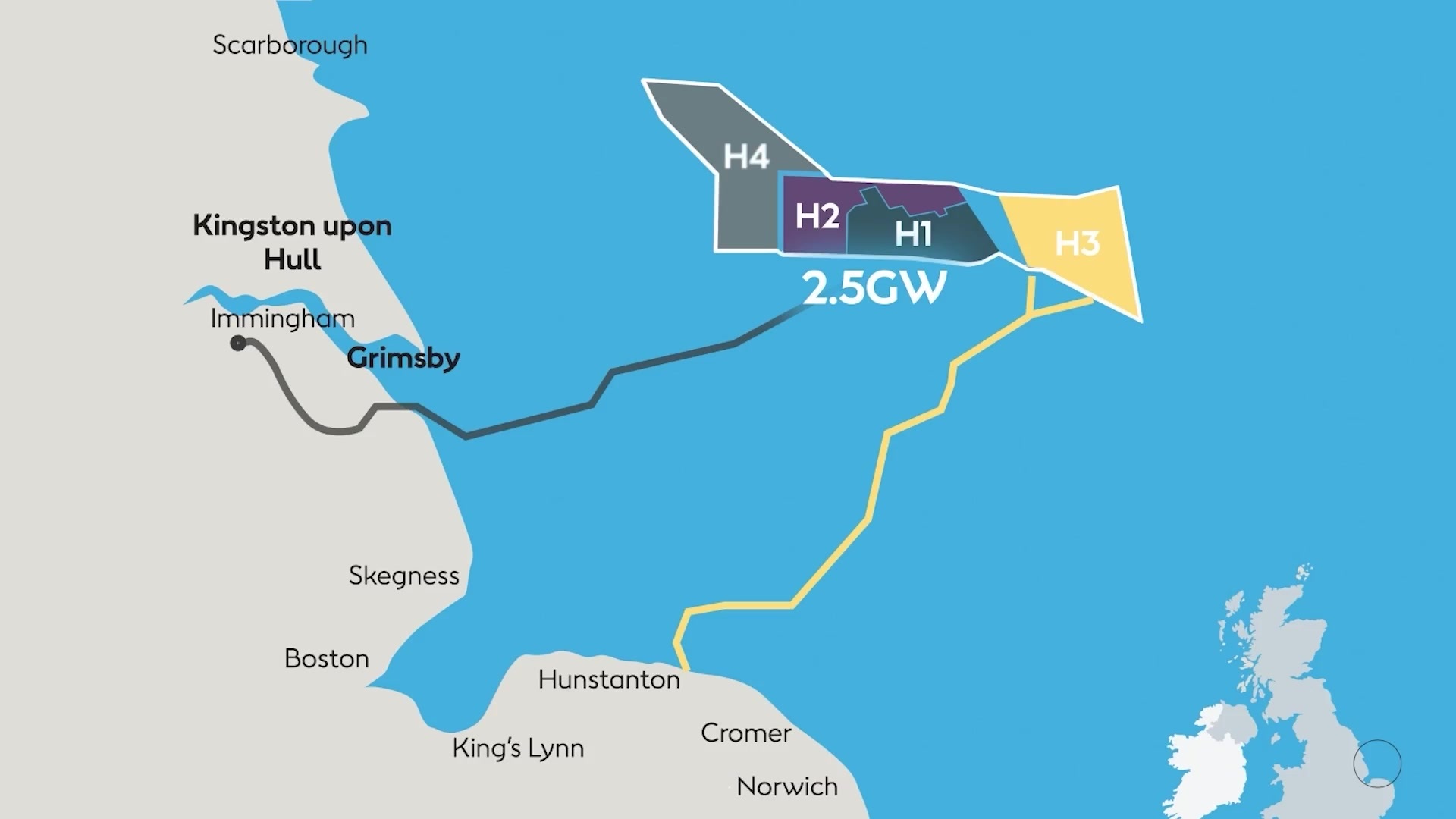
231 turbines of 260 meters at 160 km from the coast, monopiles weighing as much as nine blue whales embedded in the North Sea, and a crane ship taller than the Eiffel Tower: Hornsea 3 will be the largest offshore wind farm on the planet by 2027, and its first components have already arrived in England.
-
International Certification Puts Senai Norte on the Renewable Energy Map and Expands Access to Essential Training for Qualified Wind Power Professionals


The two public bids are expected to close on June 26, 2025. The notices are available on the Petronect platform, under codes 7004452335 and 7004460462.
Technical Studies Point to New Brazilian Energy Frontier
The first tender anticipates the collection, processing, and analysis of geophysical data. It will take place in ultra-shallow waters of São João da Barra, in the northern part of the state of Rio de Janeiro.
These surveys include, in addition, bathymetry, topography, and electrical tomography, with a depth of up to 10 meters, in an estimated area of 1.5 km².
The second tender, on the other hand, will focus on the collection of geotechnical data in shallow waters and beaches, detailing the type and stability of the seabed.
Both phases are essential to ensure technical safety in the installation of future wind turbines connected to the coastal electrical grid.
Pilot Project Is Key to New Energy Policy
Since March 2024, Petrobras and the Government of the State of Rio have been collaborating on technical studies. The objective in this case is to identify ideal areas for offshore wind parks.
The signed protocol, therefore, aims to diversify the national energy matrix, gradually reducing pollutant gas emissions, in compliance with environmental treaties.
This initiative thus integrates Petrobras’ energy transition plan, aligning with international decarbonization goals by 2050.
Brazil Emerges With Over 1,200 GW of Offshore Potential
In 2023, the consulting firm DNV, at the request of the World Bank Group, published a technical report on Brazil’s offshore wind potential.
According to the document, Brazil can generate up to 1,228 GW of wind energy at sea. Of this total, 480 GW are from fixed turbines and 748 GW from floating turbines.
With over 7,000 km of navigable coastline, the country has, in fact, exceptional conditions to attract investments in clean energy sources and high energy production capacity.
This potential, in turn, positions Brazil as one of the main candidates to lead the development of offshore wind energy in Latin America.
New Law Ensures Legal Security for Maritime Ventures
In early 2025, President Luiz Inácio Lula da Silva signed a new law. It establishes rules for the exploration of wind energy in maritime areas.
The legislation addresses the authorization and allocation of specific zones, in addition to ensuring more stringent technical and environmental criteria for new projects.
This legal definition was, therefore, long awaited by the sector. It provides legal security and facilitates sustainable investments from both national and foreign sources.
Experts consider this regulation, after all, fundamental to unlocking projects and enabling offshore generation in Brazil with environmental responsibility.
Petrobras Accelerates Energy Transition With Solid Technical Basis
With this action, Petrobras strategically reinforces its long-term vision. It prioritizes energy diversification with a focus on sustainability and operational efficiency.
The company seeks, at the same time, to reduce its dependence on fossil fuels and expand its operations in clean sources, such as offshore wind.
The two tenders opened this month are undoubtedly a technical and symbolic milestone. They mark the beginning of the construction of a new energy chapter on the Brazilian coast.
Experts point out that this structuring, carried out with planning and rigor, could position Petrobras among the leaders in clean energy in South America.
What do you think should be a priority for Brazil?
To rapidly advance offshore wind projects to lead the global energy transition, or to invest cautiously, prioritizing long-term environmental and social security?







Muito bom está na hora da Petrobras inovar. Poderiam investir também em energia das ondas também para geração de energia.