





 Portuguese
  English
  Spanish
  4 min of reading
  8 comments


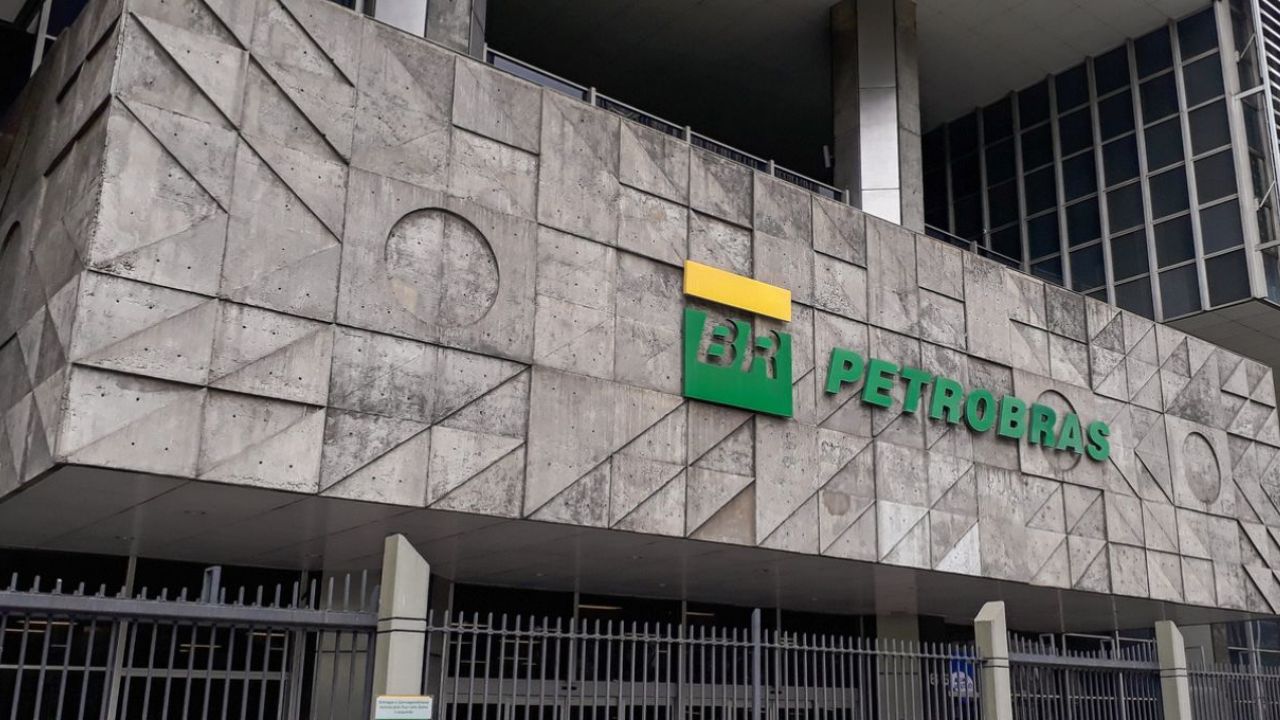


Petrobras Plummets on Stock Exchange After Magda Chambriard Signals Reentry into LPG Distribution, Market Sees Governance Risks
The oil company lost nearly R$ 32 billion in market value after announcing a profit in line with expectations, but dividends below projections; the intention to return to LPG distribution also raises fears of political interference
Petrobras shares closed Friday with a sharp decline, negatively reacting to the second-quarter balance sheet and the indication that the state-owned company may resume its operations in the liquefied petroleum gas (LPG) market, the well-known cooking gas. Together, these factors triggered a loss of R$ 31.9 billion in market value for the company.
The common shares (PETR3), with voting rights, fell 7.93%, closing the trading session priced at R$ 32.78. Meanwhile, the preferred shares (PETR4), which do not offer voting rights but are more liquid, recorded a decline of 6.15%, closing at R$ 30.33. The performance reflected investor frustration with the value of the distributed dividends, which were lower than market expectations, and the potential impacts of a strategic change in the company’s operations.
-
China alone accounts for 70% of trade within the BRICS, while Brazil establishes itself as an essential supplier of food and minerals: understand how the group, which already represents nearly 40% of the world’s GDP, is changing the game.
-
Starting in May, those who do not have registered biometrics will not be able to apply for Bolsa Família, sickness benefits, or unemployment insurance: understand the new rule that changes access to benefits for millions of Brazilians.

-
A new law being voted on in Brazil proposes a minimum fare of R$ 10 per trip and R$ 2.50 per kilometer for Uber and 99 drivers, and promises to ensure they earn as well as taxi drivers did during the golden age of taxis in the country.

-
Bauer Group collapses after failed judicial recovery: 25 years, 800 vehicles, and a network of gas stations leave a debt of R$ 50 million and 100 layoffs, exposing costs, tight margins, and expensive credit in Brazil.

Despite reporting a net profit of R$ 26.65 billion in the second quarter, a figure considered within forecasts, Petrobras decided to distribute only R$ 8.66 billion in ordinary dividends. This figure disappointed investors such as those at XP Investimentos, who projected a distribution closer to R$ 12.1 billion.
Compatible Profit, Below-Average Dividends, and Rising Expenses
Besides the impact caused by the dividend policy, the operational figures also raised doubts. Even with international Brent crude oil prices falling, operating expenses increased, reducing the company’s efficiency.
The cash generation, measured by adjusted EBITDA (earnings before interest, taxes, depreciation, and amortization), was US$ 10.2 billion during the period. BTG Pactual indicated a 14% year-over-year decline and a 4% decrease compared to the previous quarter. According to the bank’s analysts, the negative effects were only partially offset by increased production, but the company’s leverage increased, decreasing its financial flexibility.
Citi also viewed the performance as below ideal. Analysts highlighted the growth of capex—the investment in fixed assets—even in the face of falling oil prices, which ultimately pressured the free cash flow and consequently limited dividend payments.
For analyst Monique Greco from Itaú BBA, this last point was crucial: “Dividends are one of Petrobras’ main attractions for investors. When this value falls below expectations, the impact on the shares is immediate,” she stated.
Reentry into the Cooking Gas Market Generates Concern
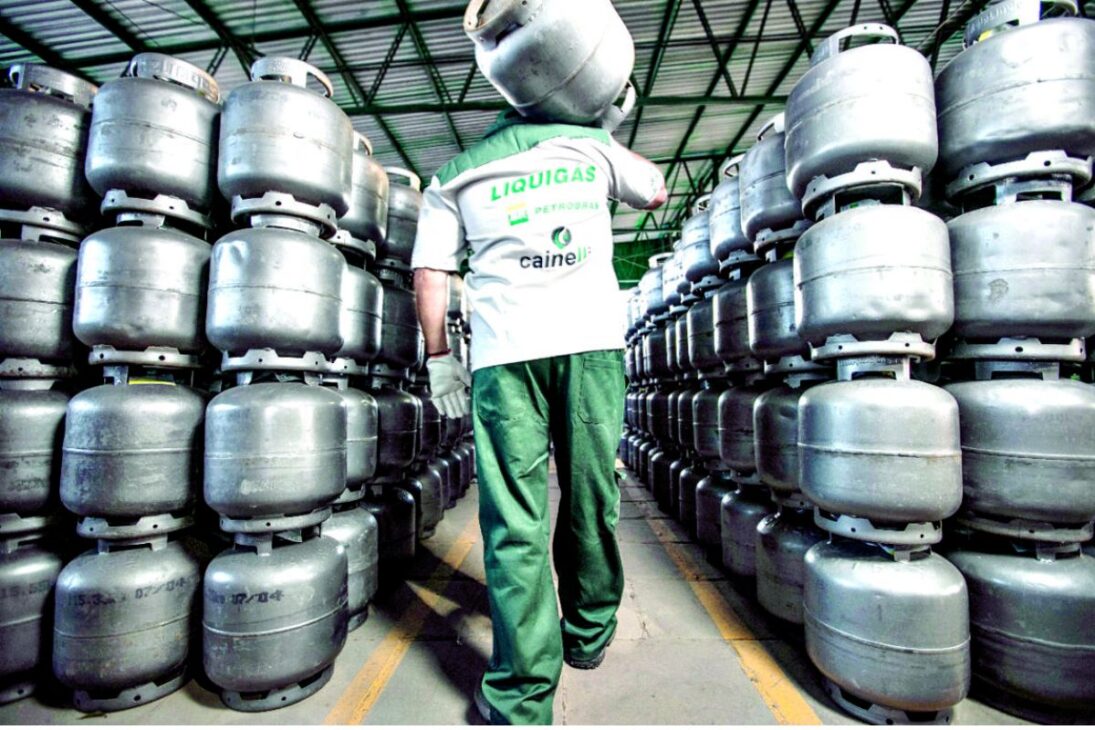
Another factor contributing to the stock plunge was the signal, during a conference call with investors, that Petrobras intends to return to the cooking gas distribution sector, from which it had withdrawn in 2021 after selling Liquigás to Copagaz. At that time, the operation was completed during the government of Jair Bolsonaro as part of a divestment process.
The current management, however, seems willing to reverse this policy. According to analysts at Banco Safra, the inclusion of the LPG segment in the company’s new Strategic Plan may open the door for interference in selling prices, something that has historically worried the market due to reducing return predictability.
Industry sources claim that the decision is influenced by political factors. President Luiz Inácio Lula da Silva has repeatedly criticized the high prices of gas cylinders and has pressured Petrobras to find ways to make the product more affordable for the population.
During the results presentation, the company’s president, Magda Chambriard, confirmed the intention to keep “the doors open” for direct fuel sales—such as gas, gasoline, and diesel—to the final consumer through gas stations. However, she also admitted that Petrobras is still limited by previous contracts, which prevent its direct return to fuel retail until 2029, following the sale of BR Distribuidora.
Even so, the mention of the possibility to engage in new businesses in the distribution sector—not only of LPG but also of derivatives like diesel and gasoline—left the market alert regarding the company’s directions and its corporate governance.








É só fazer o l tá aí o resultado governo podre ****
A esquerda sai para as ruas pedindo impostos será porquê? Eu aqui já trabalho quase 6 meses por ano está pouco, **** de **** adoram viver as custas dos outros.
Petesada e uma parada, querem que quem investe perca seu dinheiro, agora tome 30% de álcool no combustível kkkk