





 Portuguese
  English
  Spanish
  3 min of reading
  0 comments



Petrobras (PETR4) Closes Sale Agreement for All Uruguá and Tambaú Fields to Enauta (ENAT3) for Up to US$ 35 Million. Agreements, Contracts, and Future Brent Quotations.
Petrobras (PETR4) completed negotiations on Thursday (21) by signing a sale agreement with Enauta (ENAT3) regarding the Uruguá and Tambaú fields in the Santos Basin. The total value of the transaction may reach US$ 35 million, with US$ 3 million paid today and US$ 7 million at closing, in addition to up to US$ 25 million in contingent payments. The fields represent less than 1% of the production operated by Petrobras in the Santos Basin, justifying the divestment given the low adherence strategically they represent.
The divestment allows Petrobras to direct resources to assets more aligned with its strategy, including the growing decarbonization of operations. Furthermore, the company reported that employees involved in the operation of the fields will be reassigned to other operations within the company in the Santos Basin business unit. The BS-500 concession, where the fields are located, was acquired through ANP’s Zero Round and is situated in the northern portion of the Santos Basin, between 140 and 160 km off the coast of the state of Rio de Janeiro.
Petrobras Negotiation for Divestment of Uruguá and Tambaú Fields
Petrobras’ negotiation for divestment of the Uruguá and Tambaú fields is ongoing, with the company seeking a deal for the transaction. The sale of these assets is part of Petrobras’ strategy to divest from certain non-core assets, aiming to reduce its debt and focus on higher return areas. The contracts for chartering the platforms operating in these fields are nearing expiration, and Petrobras is looking to negotiate the decommissioning of the units and all related operations.
-
The rise in oil prices could ensure an extra revenue of R$ 100 billion for the Federal Government, indicates a recent economic study.

-
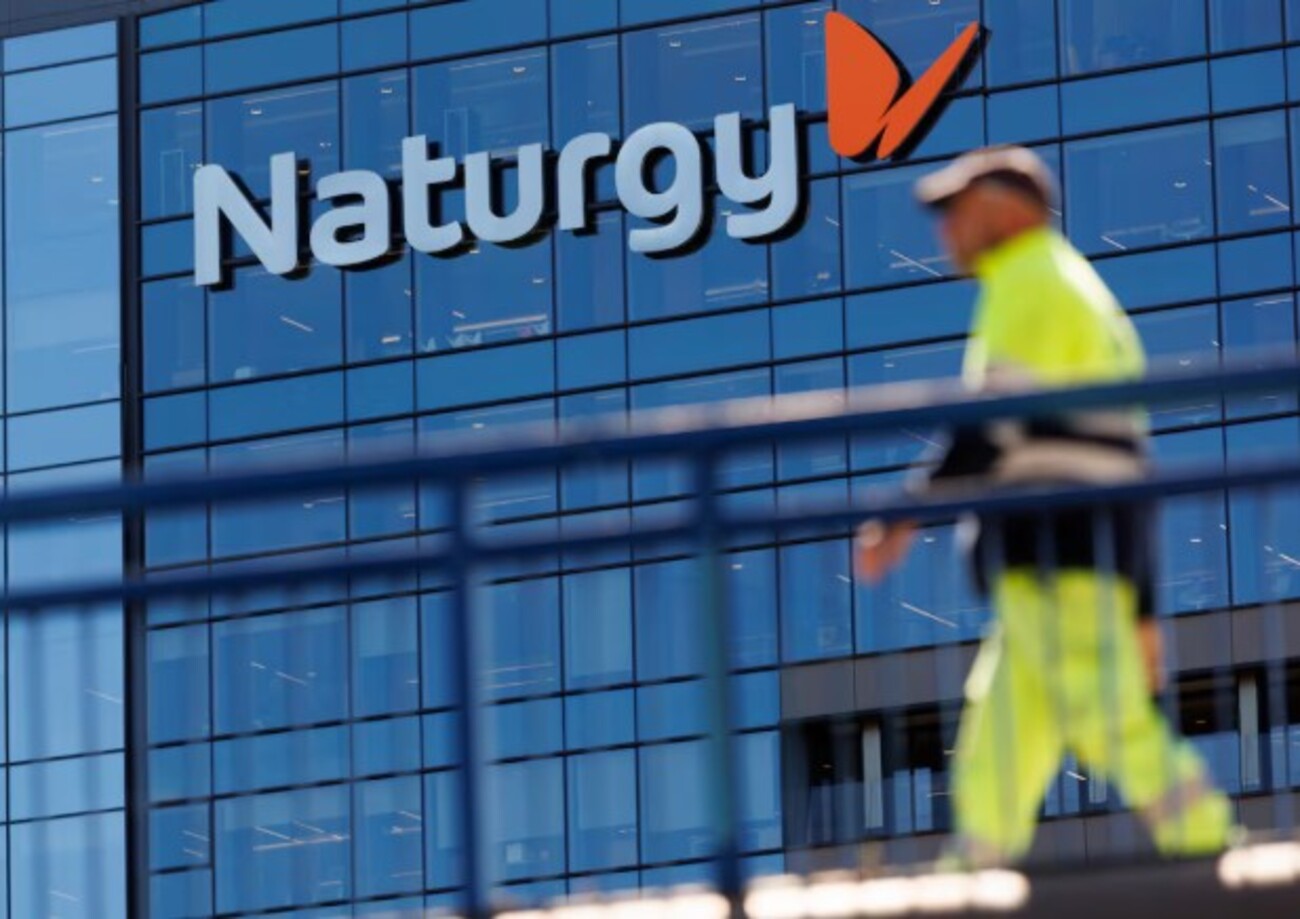
Naturgy begins an investment of R$ 1.6 million to expand the gas network in Niterói and benefit thousands of new residences and businesses.
-
A major turn in the Justice system suspends tax increases and directly impacts oil and gas companies in Brazil by affecting costs, contracts, and financial planning, leaving uncertain what could happen to the sector if these costs had increased.

-
Brava Energia begins drilling in Papa-Terra and Atlanta and could change the game by reducing costs in oil while increasing production and strengthening competitiveness in the offshore market.


During the negotiation process, Petrobras has been closely monitoring future Brent quotations, as the company aims to ensure that the terms of the deal are advantageous relative to market projections. Additionally, the company considers events related to the development of the assets, as well as strategic statements that may impact negotiations.
This negotiation has also generated interest in financial markets, with investors closely watching the movements of international stocks in relation to Petrobras’ divestments. Investments in the North American setting have been especially relevant, given the increasing importance of decarbonizing operations and the strategic relevance of the assets in question.
The negotiation for the Uruguá and Tambaú fields is part of Petrobras’ Zero Round of divestments, which aims to reduce its operations in deeper waters and focus on areas with lower water depth. The company is committed to its divestment plan, which includes a broad asset negotiation process across Brazil, aiming for more efficient capital and resource allocation.
Source: MoneyTimes










Seja o primeiro a reagir!