Portuguese
  Spanish


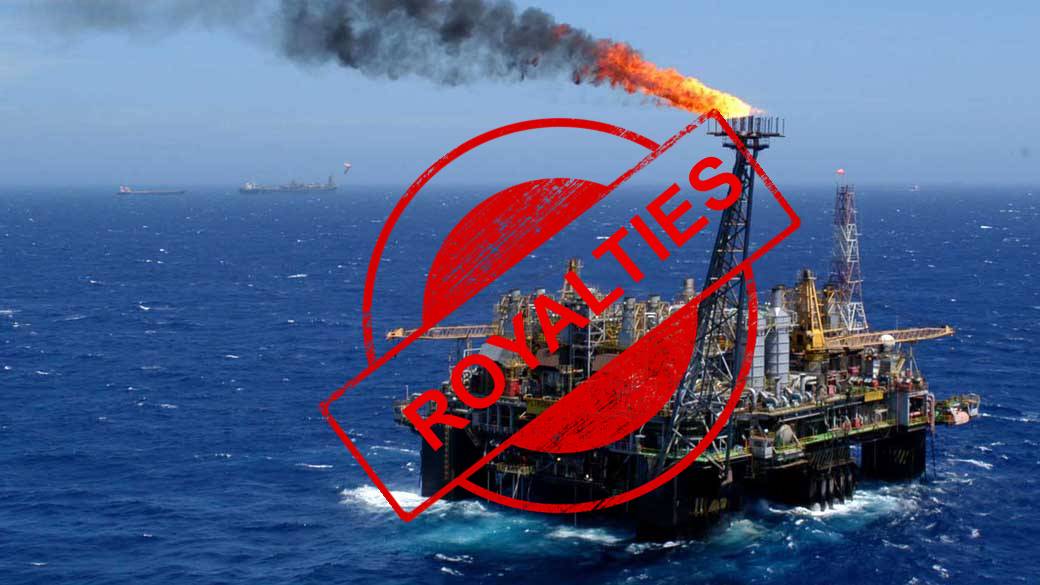

Emergency measure by Petrobras may put oil-producing municipalities in dire straits starting this April. Cities that rely on revenue from royalties generated by the Campos and Santos Basins may see transfers drastically reduced by up to 60%. The ruling is scheduled for April 29 in the Supreme Court.
This Might Be Interesting
- Alta Mogiana Sugarcane Mill Is Hiring Automation Technician and Goods Handler on This 14th
- Job Openings Offered for Technicians in Maintenance and Inspection Activities by Companhia Siderúrgica do Pecém
- New Temporary Oil and Gas Contract Requires Offshore Nurse by MDE Brasil Today, April 14
What Are Oil Royalties? Royalties are compensation to the municipality or state, not applied to any economic activity, but specifically to those based on the extraction of finite resources from nature. It is the extraction of this type of natural resource, and not its potential impacts on the environment and the economy, that generates the right to royalties.
In Times of Pandemic, This Resource Will Be Lacking in Combating the New Coronavirus in These Regions, Especially in Health.
Unfortunately, municipalities that rely solely on oil revenues have not sought to introduce new sources of financial resources into their economies. They have been warned about this potential market collapse for more than 10 years. There is not even a sovereign fund to be used in times of crisis.
-
Brazil’s ANP Opens 86 New Oil Blocks in the Equatorial Margin, Expanding the Amazon River Mouth Frontier

-
OPEC+ Boosts Oil Supply by 188,000 Barrels per Day in July 2026, Leading to Price Drop from $112 to $89 per Barrel in Under Two Months

-
TotalEnergies Signs 20-Year Deal to Purchase 2 Million Tons of LNG from Alaska, Boosting Project Viability
-
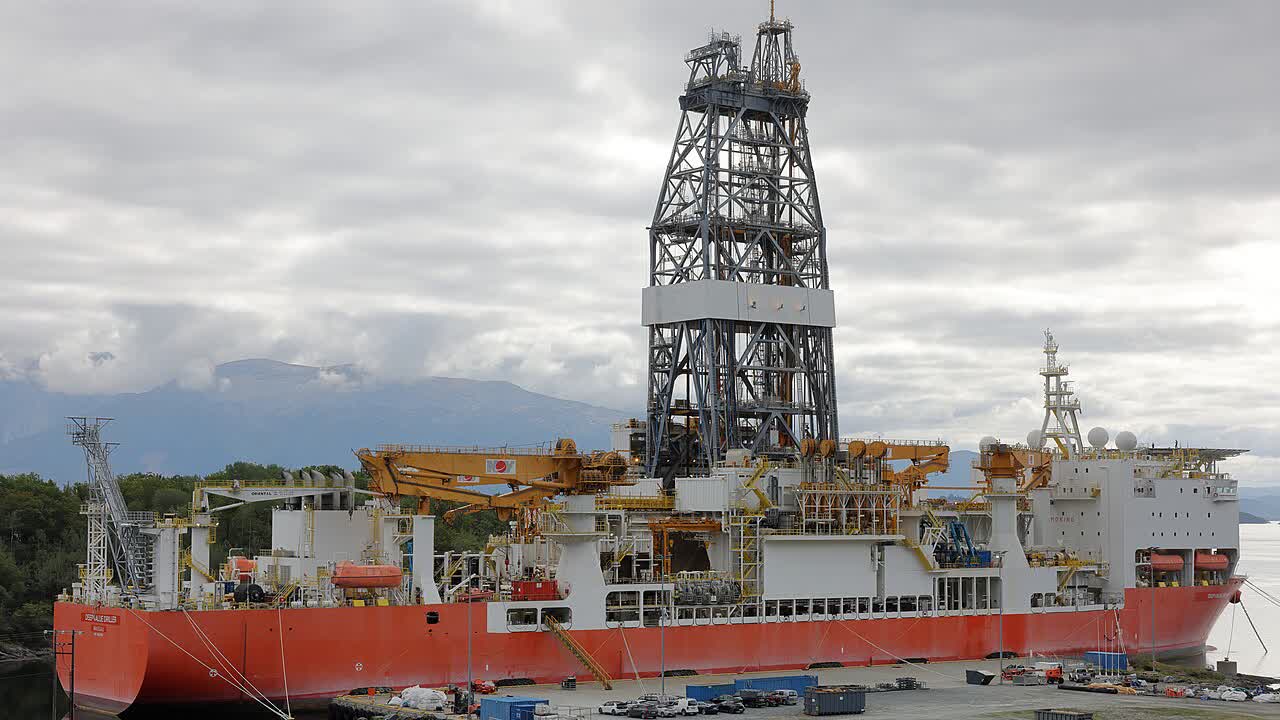
Turkey Deploys Çağrı Bey Drilling Ship to Explore New Oil Frontier Off Somalia’s Coast



The price of oil, which once reached 100 dollars, is now worth less than half, close to the extraction cost of pre-salt oil. Despite this, prices are expected to rise slightly after the U.S. mediated negotiations between Russia and Saudi Arabia at the G20 last week.
The new pricing scenario for oil and the crisis has led Petrobras to idle 6 oil platforms in the Campos Basin, directly impacting the economy of the North Fluminense region and, consequently, royalties.
The platforms that will have confirmed production stoppages are: Cherne 1 and 2, in the Cherne field; Namorado 1 and 2, in the Namorado field; Petrobras-09, in the Congro and Corbina fields; and Garoupa, in the Garoupa field, according to the NF Oil Workers Union and Reuters.