





 Portuguese
  English
  Spanish
  3 min of reading


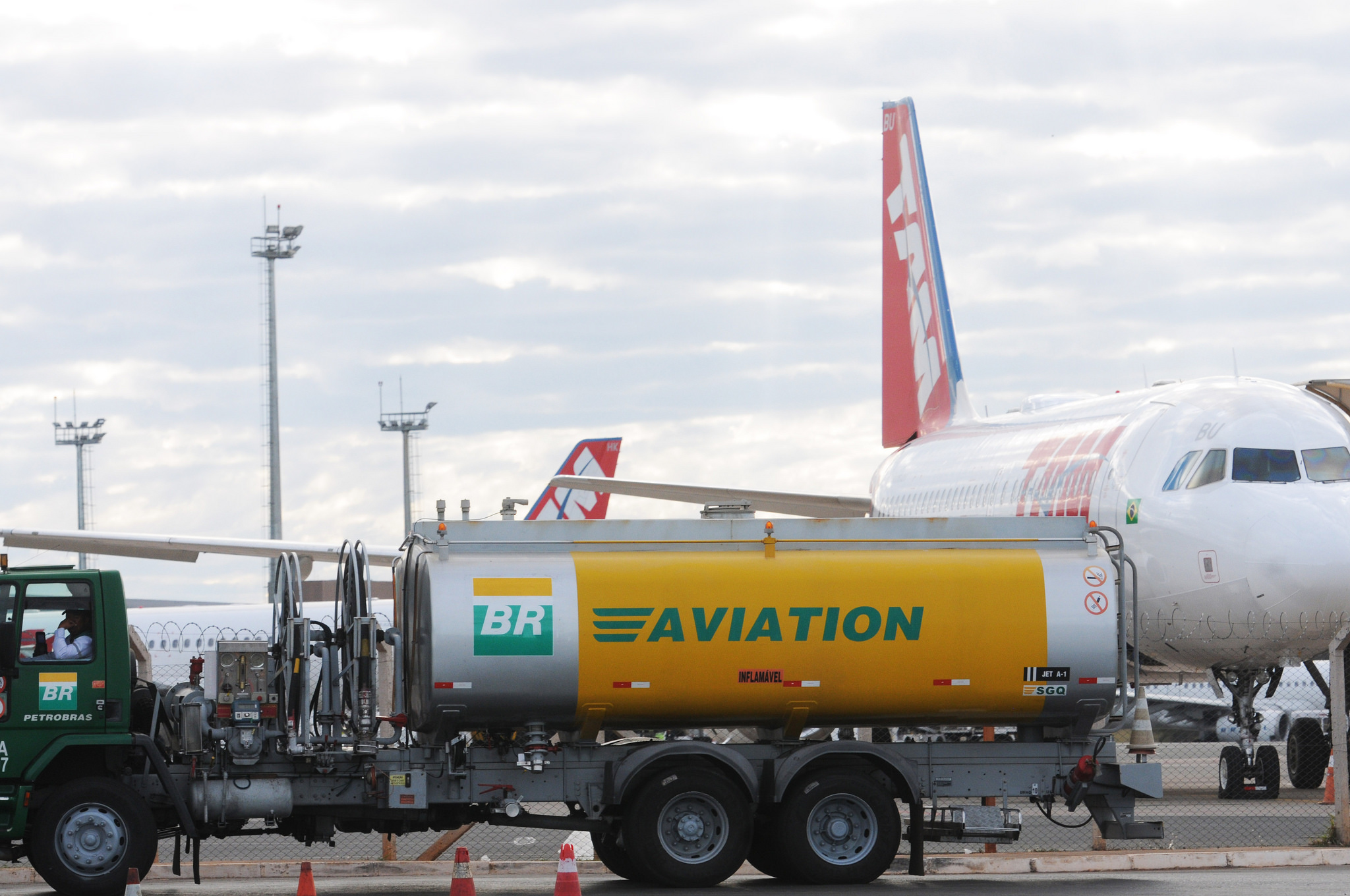
This Is Another Reduction in the Values of the Product Carried Out by the State-Owned Company in the Last Months, Totaling 22.5%. The Decrease of 11.6% in the Prices of Aviation Kerosene Was Defined After Negotiations by Petrobras with the Fuel Distributors in the Country.
The national fuel market continues to seek stabilization amid international currency fluctuations and unstable prices. Thus, Petrobras announced on Monday, (01/02), a significant reduction in the prices of aviation kerosene passed on to Brazilian distributors. The value fell by an average of 11.6% across Brazil, after the state-owned company negotiated the prices charged with fuel distribution companies.
Reductions in Aviation Kerosene Prices Have Summed up to 22.5% Since July 2022, Informs Petrobras After Adjustment in Repass to Distributors
Petrobras continues to make significant adjustments in the values of its products passed on to national distributors, as was the case with gasoline, ethanol, and diesel in recent weeks.
Now, the state-owned company has decided to significantly reduce the prices of aviation kerosene in the national market, with an average reduction of 11.6% in the values passed on to distributors across the country.
-
Petrobras evaluates suspension of sales to distributors and considers canceling the cooking gas auction following guidelines from the Federal Government.
-
Lula reveals a masterstroke by Petrobras to undo a deal made by Bolsonaro, which involves the return of an important refinery that currently produces less than half of what was expected and makes Brazil dependent on international diesel.

-
A study confirms that the natural gas sector will reduce greenhouse gas emissions in Brazil by 0.5% and accelerate the energy transition by 2026.

-
Petrobras implements a severe adjustment and confirms a 55% increase in the price of aviation kerosene with a proposal for installment payments for the companies.


The new selling price of the product came into effect on the first day of this month of January, already on Sunday, and can be found at distribution companies throughout the country.
Additionally, Petrobras reinforced the continuous decreases in aviation kerosene prices since the second half of 2022.
This is the fifth reduction in fuel prices carried out since July 2022, totaling a drop of 22.5% in the value passed on to distributors.
“As per a practice that dates back over the last 20 years, QAV price adjustments are monthly and defined through contractual formulas negotiated with the distributors. The selling prices of QAV from Petrobras seek balance with the market and follow variations in the value of the product and the exchange rate, up and down, with adjustments applied on a monthly basis, mitigating the daily volatility of international quotations and the exchange rate,” stated Petrobras.
Furthermore, the oil company also announced that it has lowered the price of asphalt binders for distributors.
The average reduction in product prices was about 6%, initiated also on the first day of this month of January.
Previously, on the last day of the month, Petrobras announced to the market that it would not make any price adjustments at refineries for the sale of gasoline A, diesel A, and LPG to distributors.
Now, it remains for the Brazilian consumer to wait for the company’s future decisions regarding the prices of other fuels.
Understand What QAV (Aviation Kerosene) Is
Petrobras Aviation Kerosene is produced using atmospheric distillation streams and conversion processes, followed by treatment. In order for this petroleum derivative to present suitable characteristics for its use in aircraft, various physical-chemical criteria are required during its production, which include from fluidity (flow), stability (storage) to its proper combustion.
Petrobras Aviation Kerosene was developed with technology and quality to ensure the good performance of the aircraft and provide a safe and smooth flight, meeting the essential characteristics for the proper functioning of aviation turbines.
Petrobras markets JET A Aviation Kerosene whose specification is regulated by the National Agency of Petroleum, Natural Gas and Biofuels (ANP), through its resolutions, which can be consulted on the ANP website.










Seja o primeiro a reagir!